U.S. Poised to Set a Record Level of Merchandise Exports to Korea in 2017
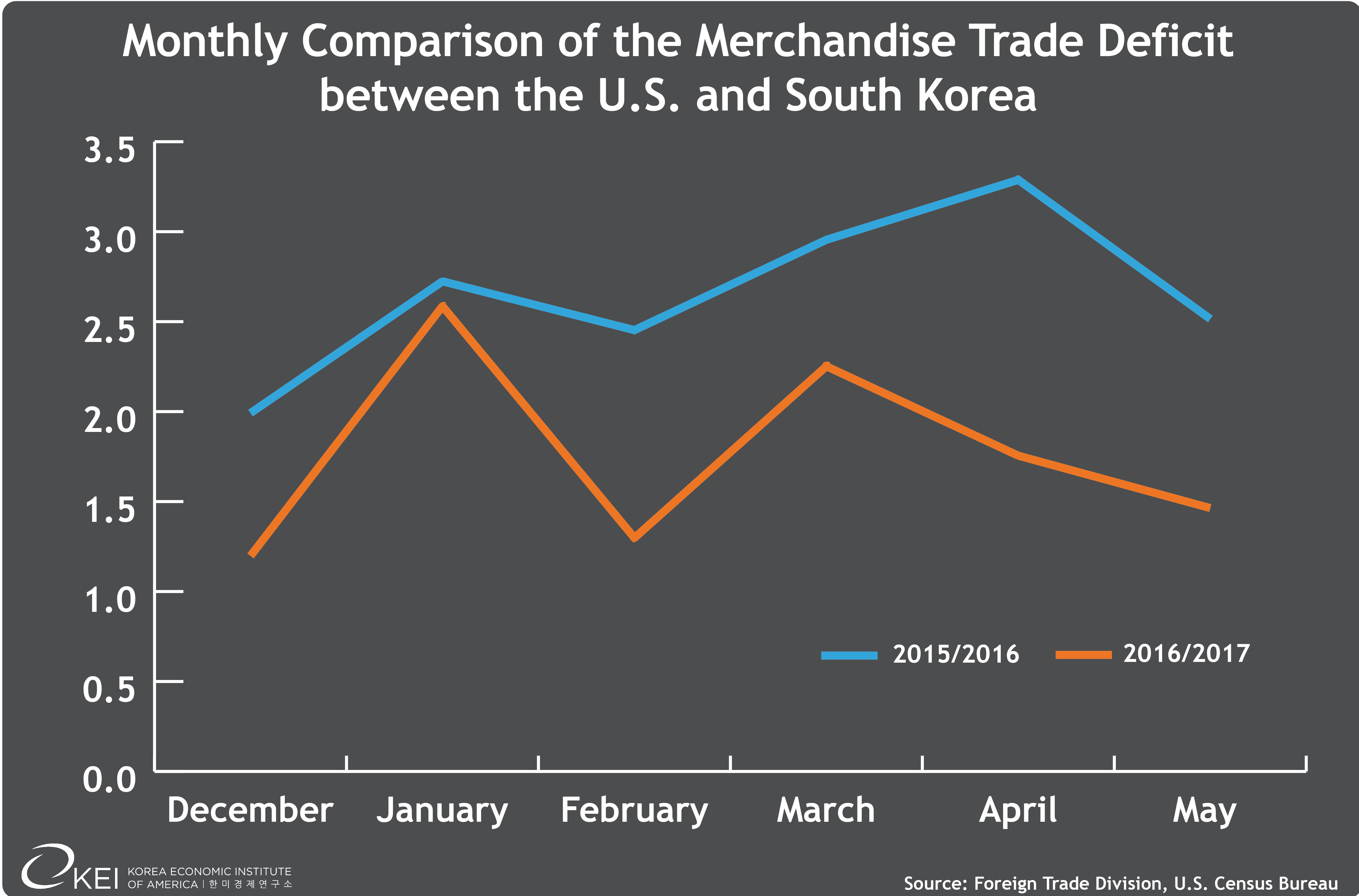
One reason for the downward trend in the U.S. bilateral trade deficit with Korea is that the U.S. is on track to set a record in goods exports this year.

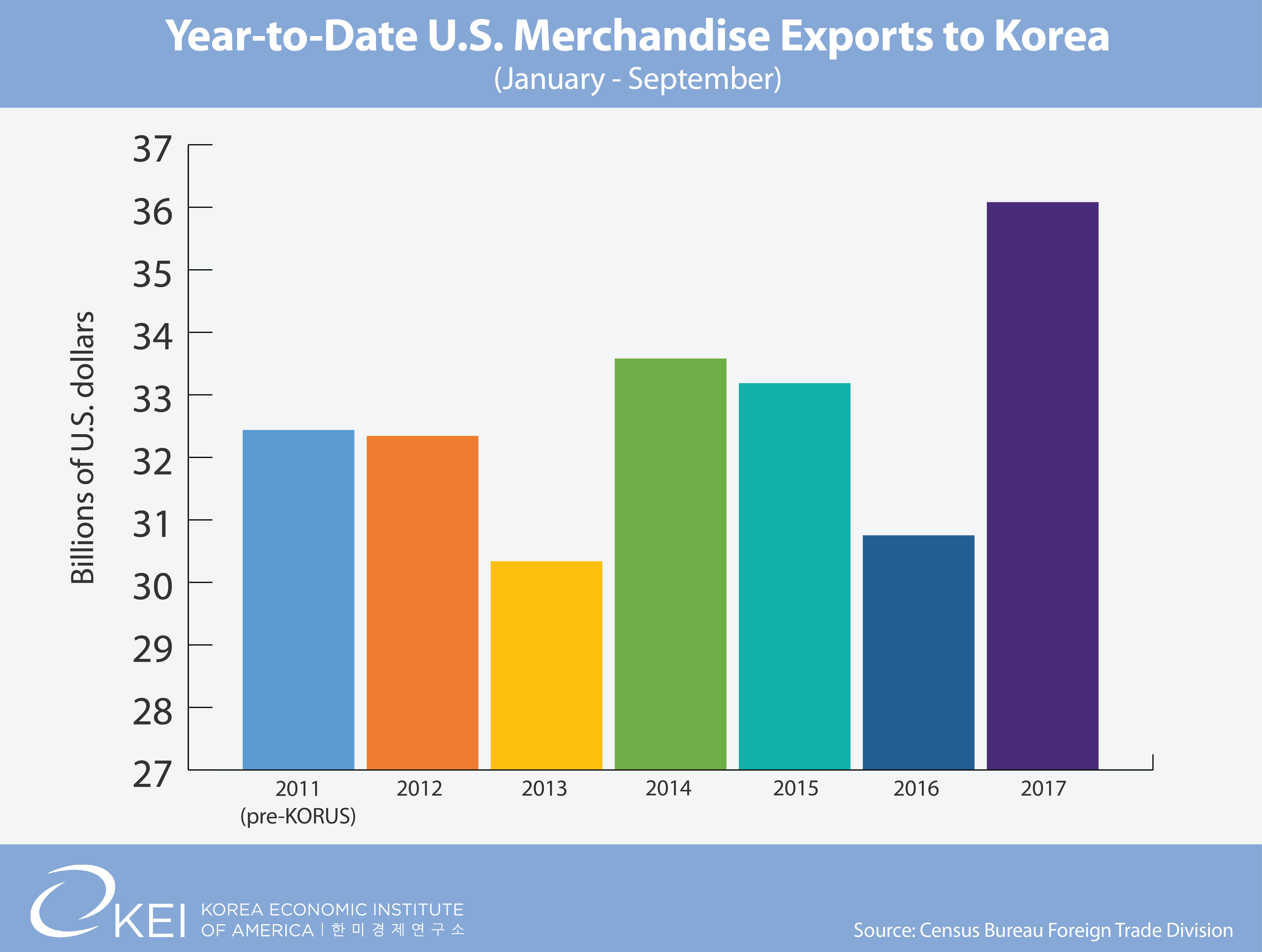
One reason for the downward trend in the U.S. bilateral trade deficit with Korea is that the U.S. is on track to set a record in goods exports this year.
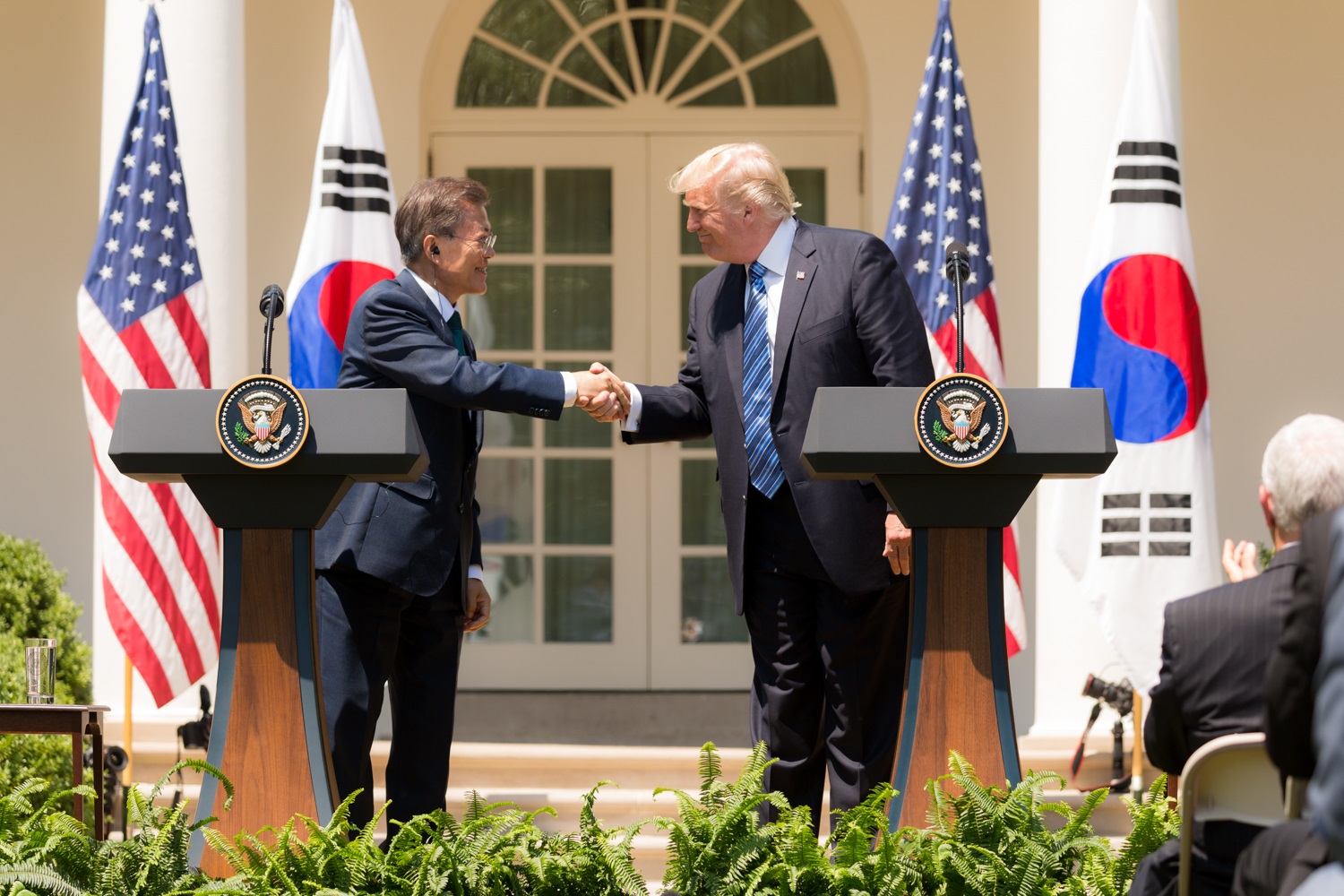
This will be the second time that the United States has pushed to renegotiate the KORUS FTA, which was originally signed in 2007 but not implemented until 2012.
Rumors flooded Washington over the Labor Day holiday weekend that the U.S. would soon withdraw from the Korea-U.S. Free Trade Agreement (KORUS FTA).

Much has changed since President Trump first raised his concerns about the KORUS FTA,
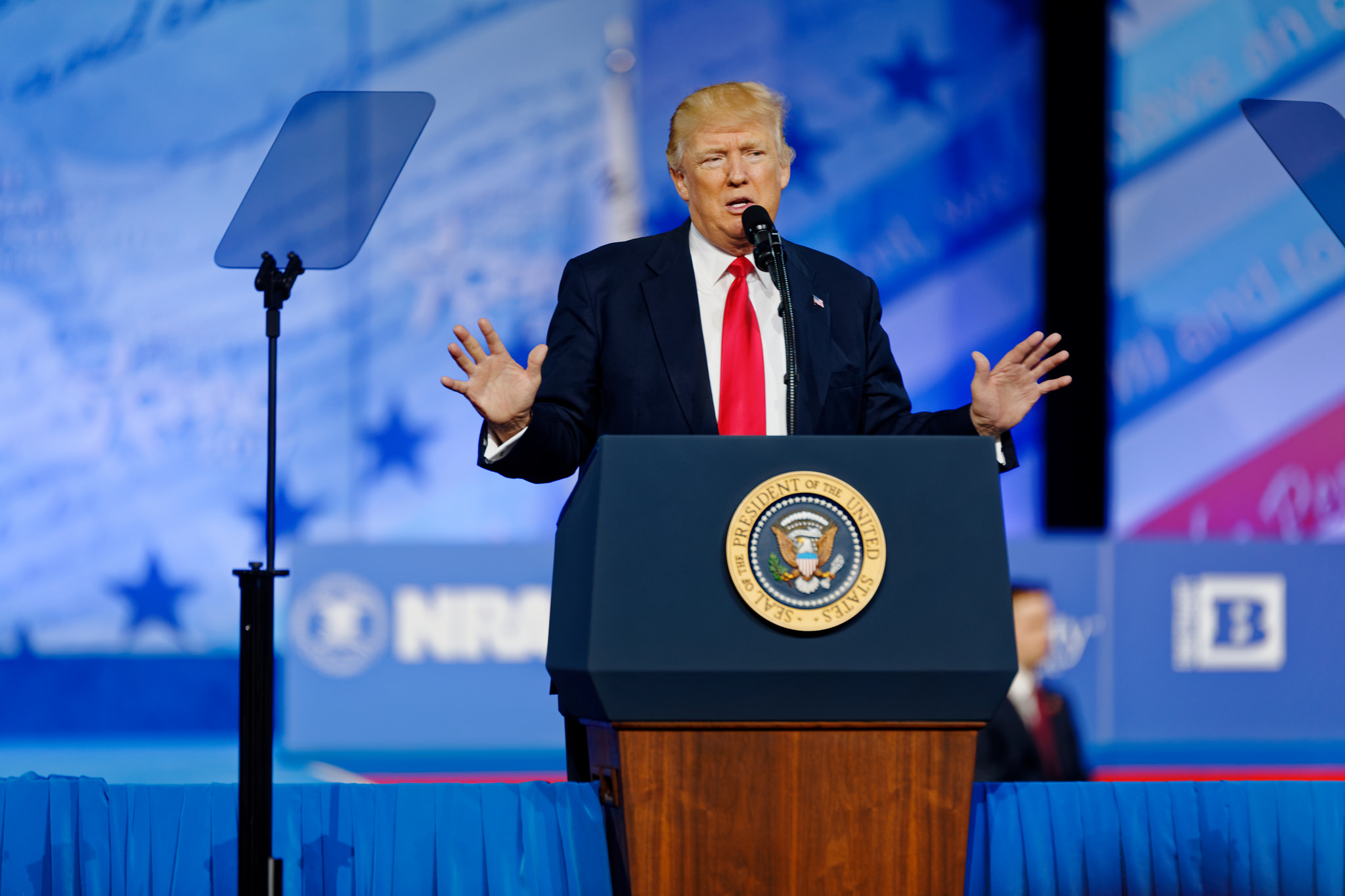
Last week, the Office of the U.S. Trade Representative (USTR) released its Summary of Objectives for the NAFTA Renegotiation, providing a window into how the administration may pursue updating the U.S.-Korea Free Trade Agreement (KORUS FTA).
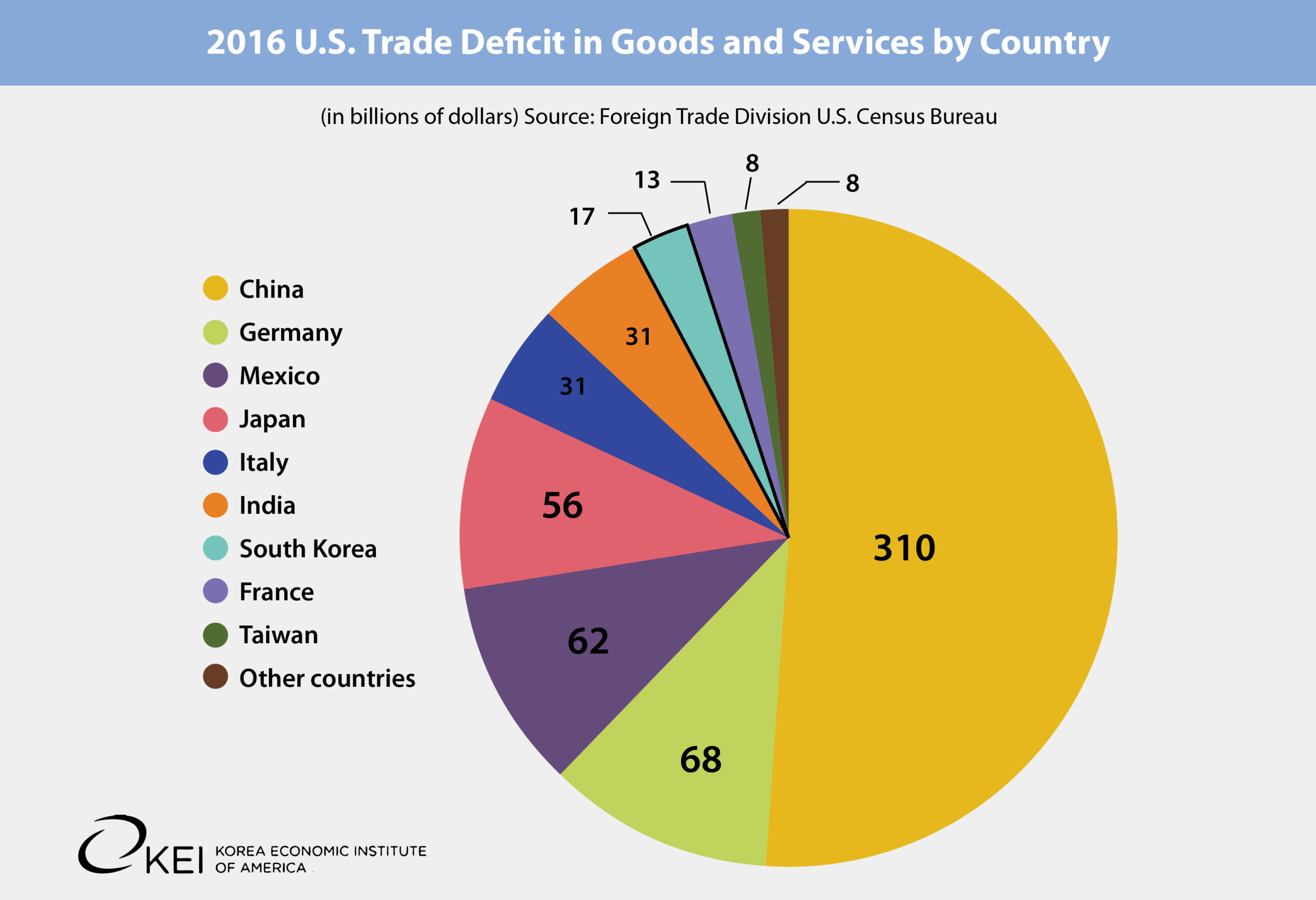
Last March, President Donald Trump directed the Department of Commerce and the Office of the U.S. Trade Representative (USTR) to prepare an Omnibus Report on Significant Trade Deficits within 90 days.
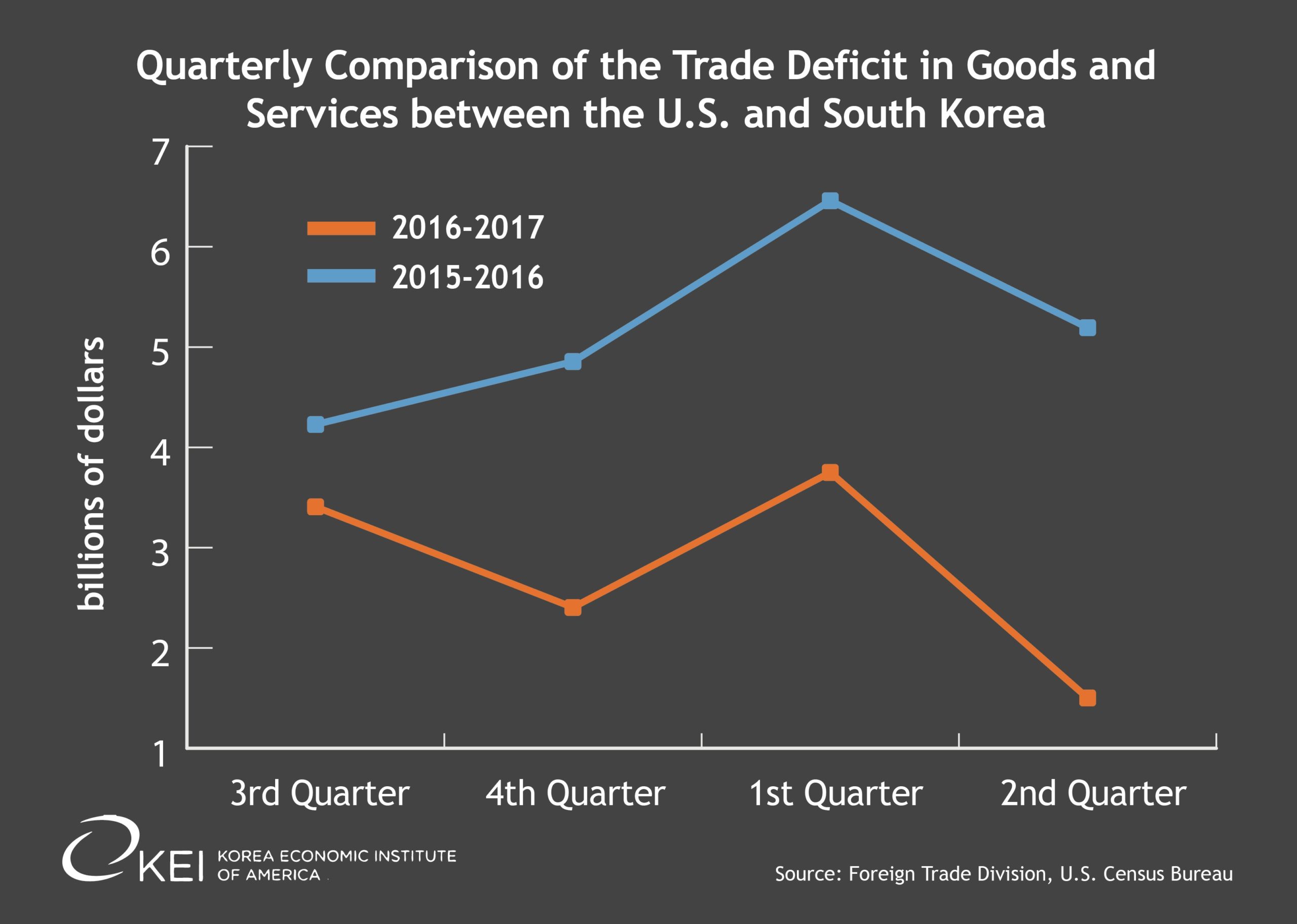
If present trends continue, the U.S. may experience a lower bilateral merchandise trade deficit with Korea in 2017 than we have seen for the past several years – all without any action by USTR.
For the newly elected South Korean President Moon Jae-in, just as central to resolving the issues raised by Trump will be understanding his approach to foreign affairs.
The campaign is over; ballots have been cast; the result is clear—Moon Jae-in will be in the Blue House within a few days.

As the new ROK and U.S. administrations interact and deal with each other, both sides must avoid “unforced errors” and cooperate with each other as much as possible to confront domestic and international trends that place impediments on both economies.