New Education Policy May Undermine Efforts to Reduce Inequality
The modification of college admission standards may intensify the housing demands in wealthier neighborhoods and exacerbate wealth inequality.


The modification of college admission standards may intensify the housing demands in wealthier neighborhoods and exacerbate wealth inequality.
While Korea remains the third largest source of foreign students enrolled at U.S. colleges, the number of Korean students in the U.S. declined by 7 percent.
President Moon’s efforts to instill work-life balance should not forget about the nation’s students who face a burdensome educational system that often rewards the already privileged
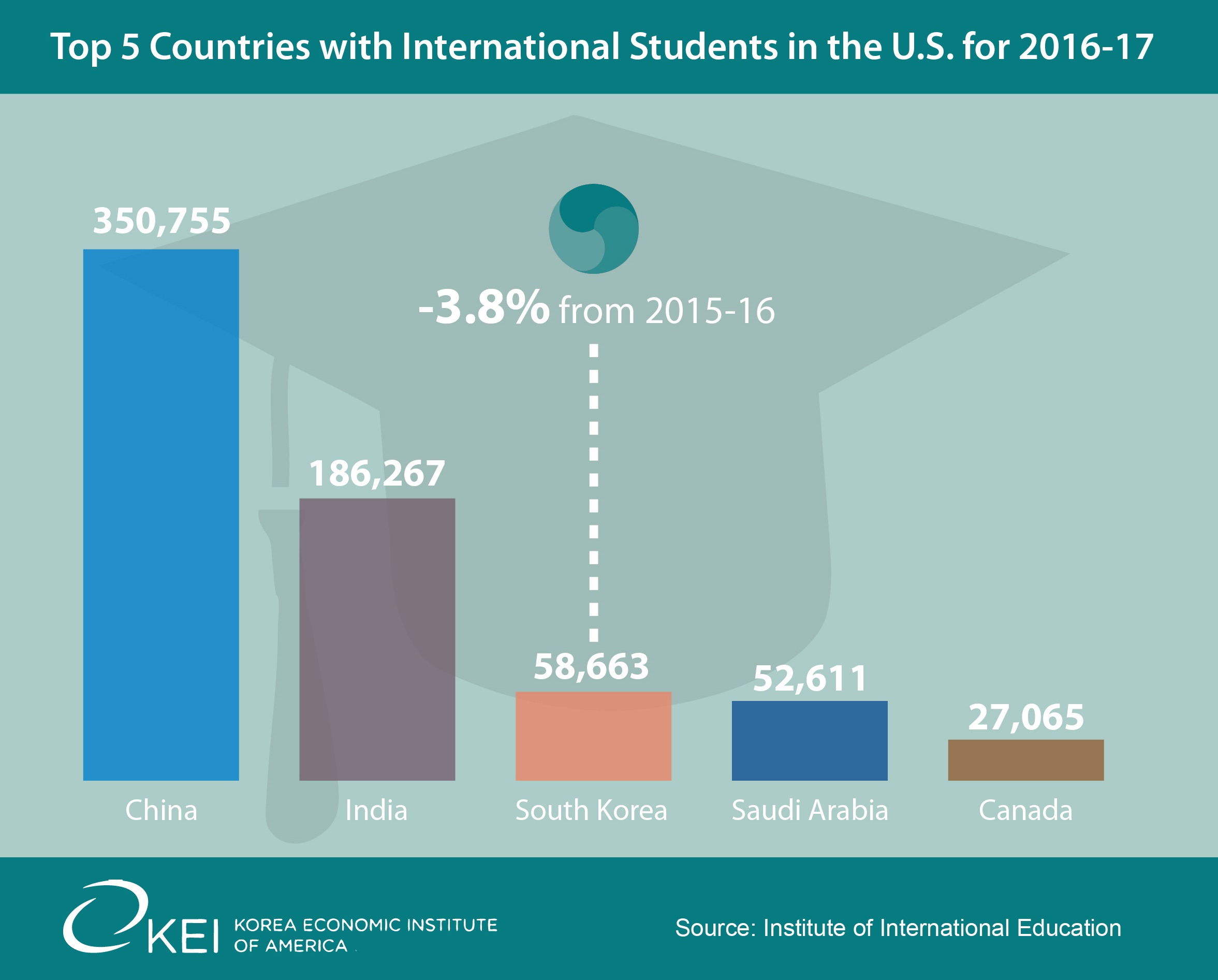
Despite the number of South Korean students studying in the United States dropping for the sixth year in a row, South Korea regained its spot as the third largest sender of students to America.
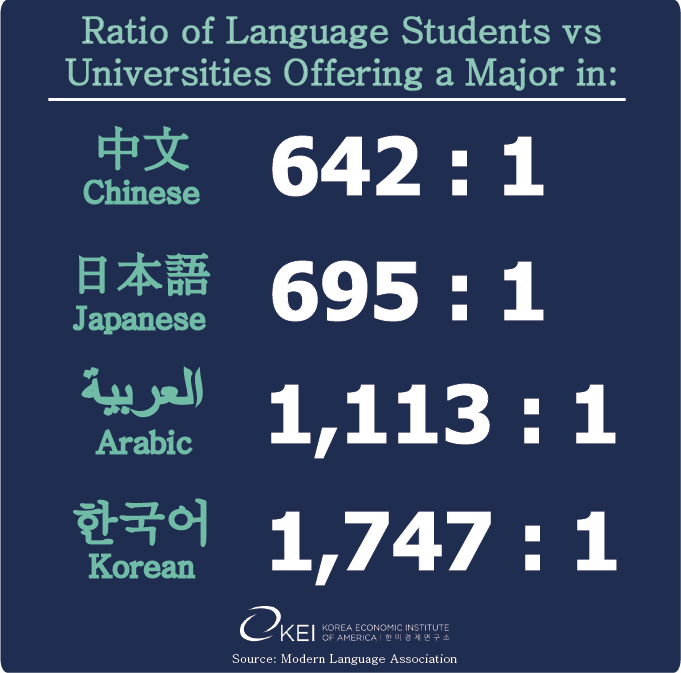
The surge in Korean study may be a result of K-pop and K-dramas, but the number of U.S. schools offering a Korean major is lowest when compared to Japanese, Chinese, and Arabic.
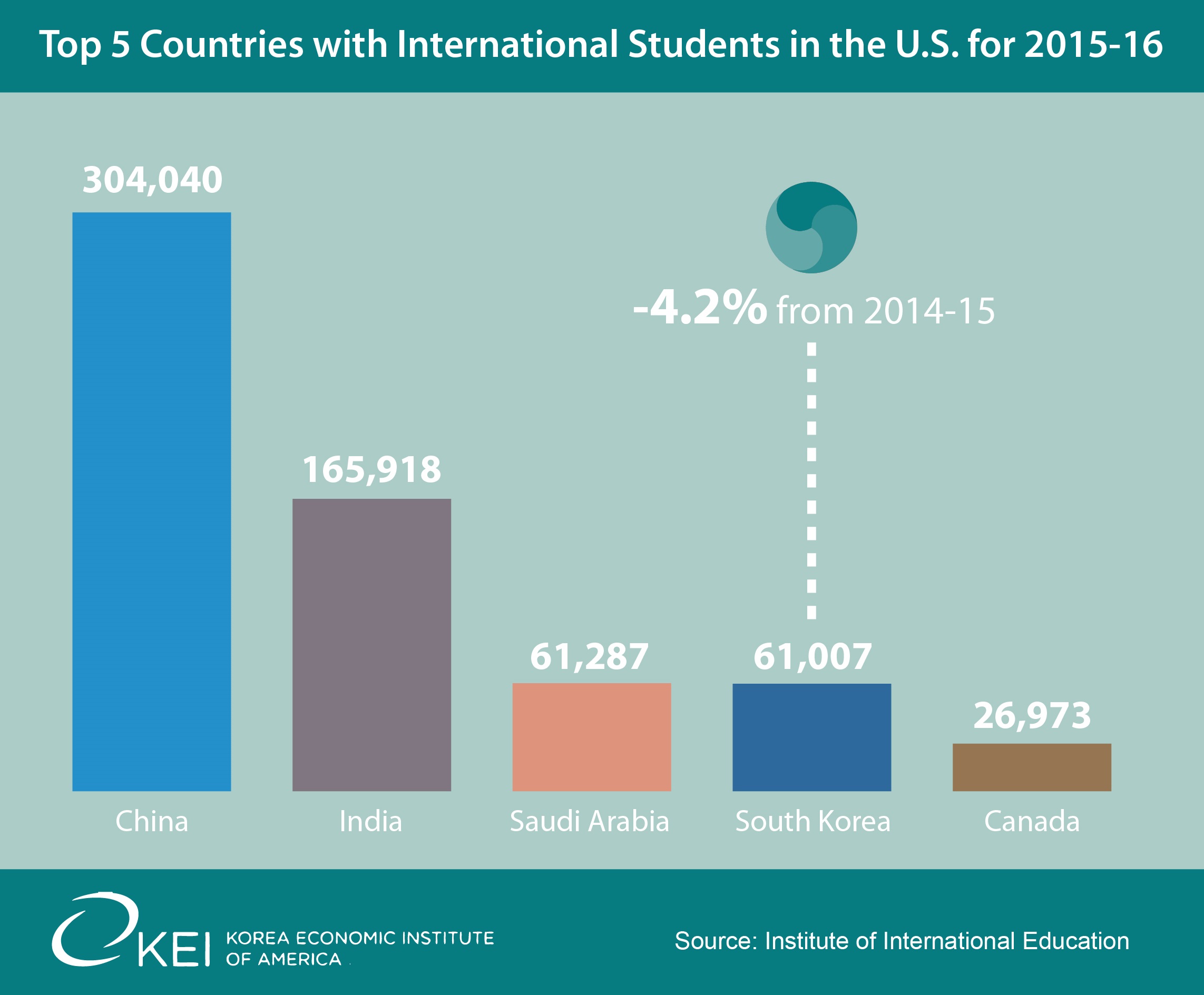
In 2016, South Korea officially dropped from the third largest source of international students in the United States to the fourth largest, now sitting behind China, India, and Saudi Arabia. The gap is small – Saudi Arabia sent just 280 more students than Korea in 2016 – but with the number of Korean students in the United States on a downward trend, that gap may widen in the coming years.

Historically, local documentaries have not been that popular in South Korea – the first widely successful documentary in the country was 2008’s “Old Partner,” which shattered domestic records just by attracting 100,000 viewers in the first few weeks after its release. Since then, more independent films have begun to crop up, telling real-life stories about different aspects of Korea. The five films below represent some of those stories.
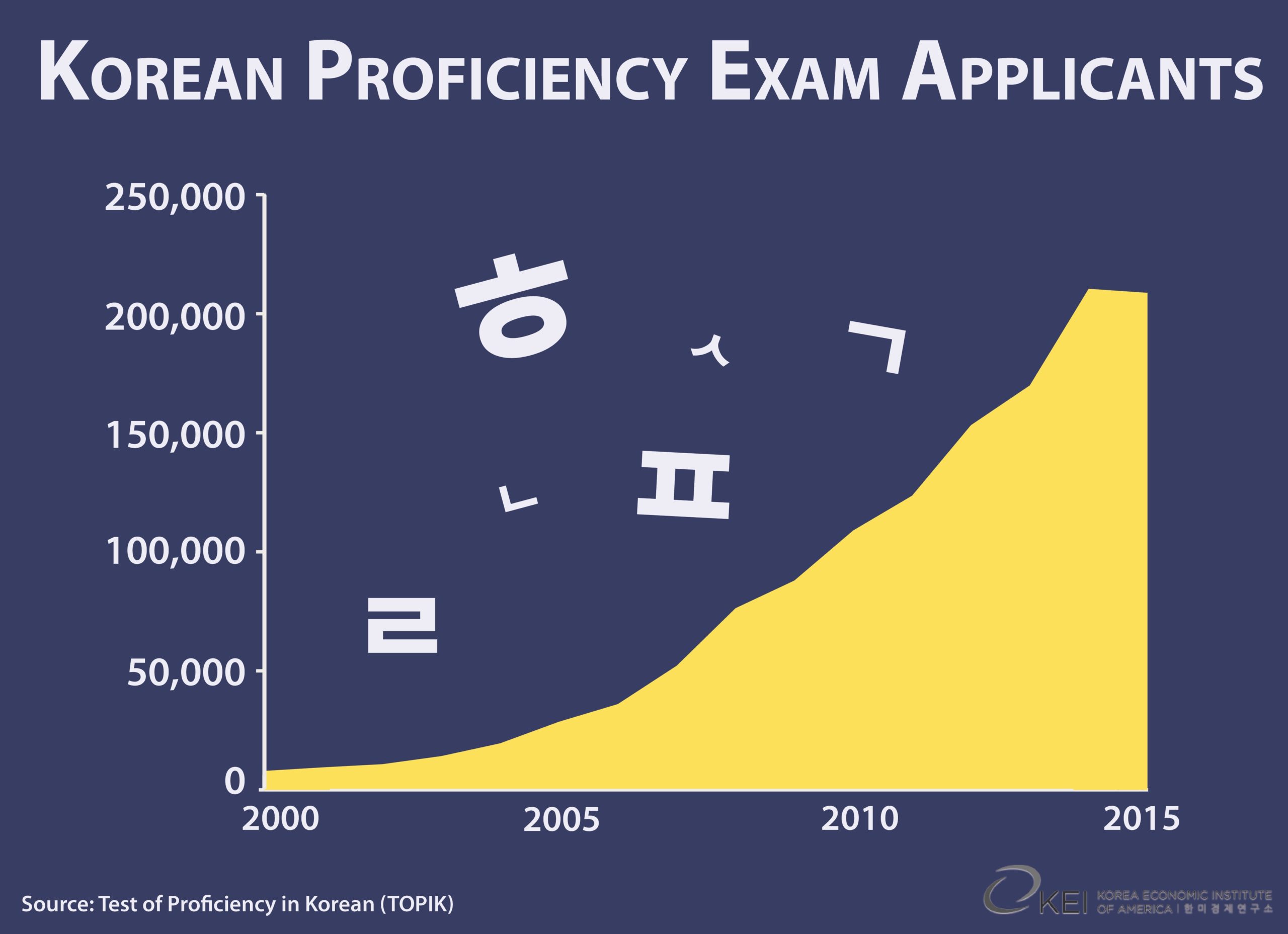
In Thailand, students applying to college will soon have the option of using Korean as their foreign language. This move comes amid growing demand for Korean language learning in Thailand, where Korean pop culture products are wild successes.
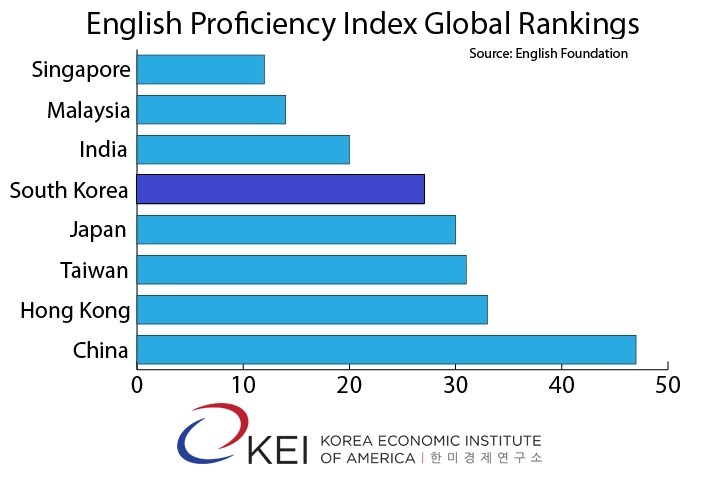
Even a cursory glance at the South Korean education system reveals a fervent interest for English learning in both public and private spheres.
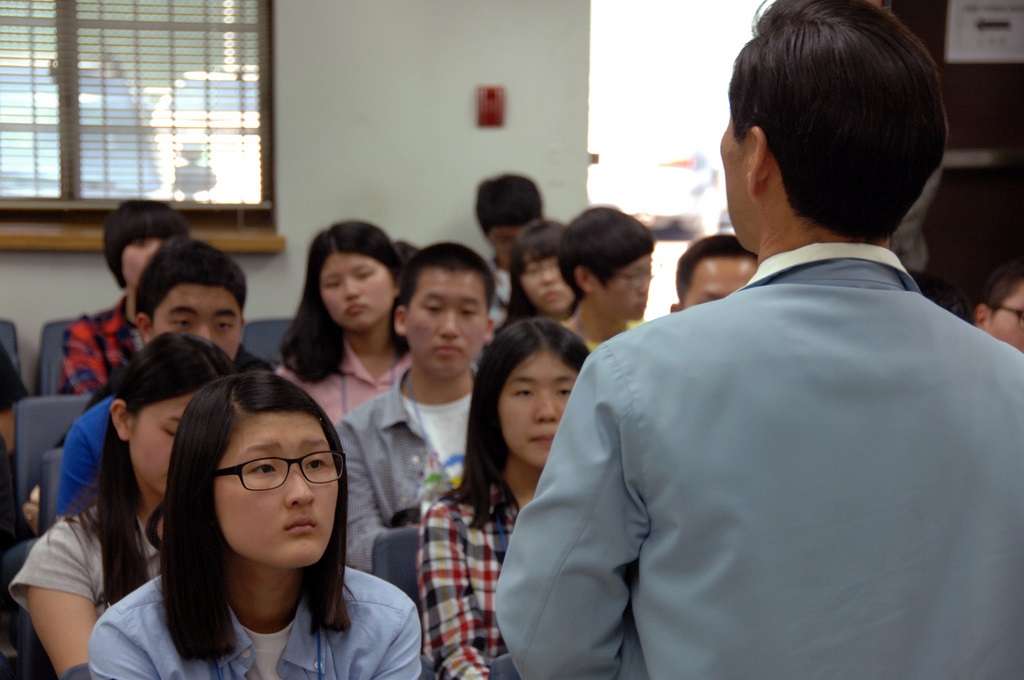
Last month, the Korean Ministry of Education announced major changes to the way South Korean students will learn English. Some of them are positive, and can potentially help ease the overwhelming classroom workload for Korean students. But these new policies may also have some unintended side effects.