Memory Serves: How Tariffs and Chips Anchor U.S.-Korea Economic Strategy
Korea’s dominance in high bandwidth memory (HBM) chips presents an opportunity and strategic imperative for cooperation with the United States.


Korea’s dominance in high bandwidth memory (HBM) chips presents an opportunity and strategic imperative for cooperation with the United States.

The Trump administration is asking Asian allies to contribute more to their defense and collectively step up military coordination to deter China.

Washington and Seoul must cast their vision to the broader challenge of shaping regional peace and prosperity.
If Washington wants the strategic benefits that come with Korean FDI, it will need to align immigration policy with the industrial strategy it has chosen.
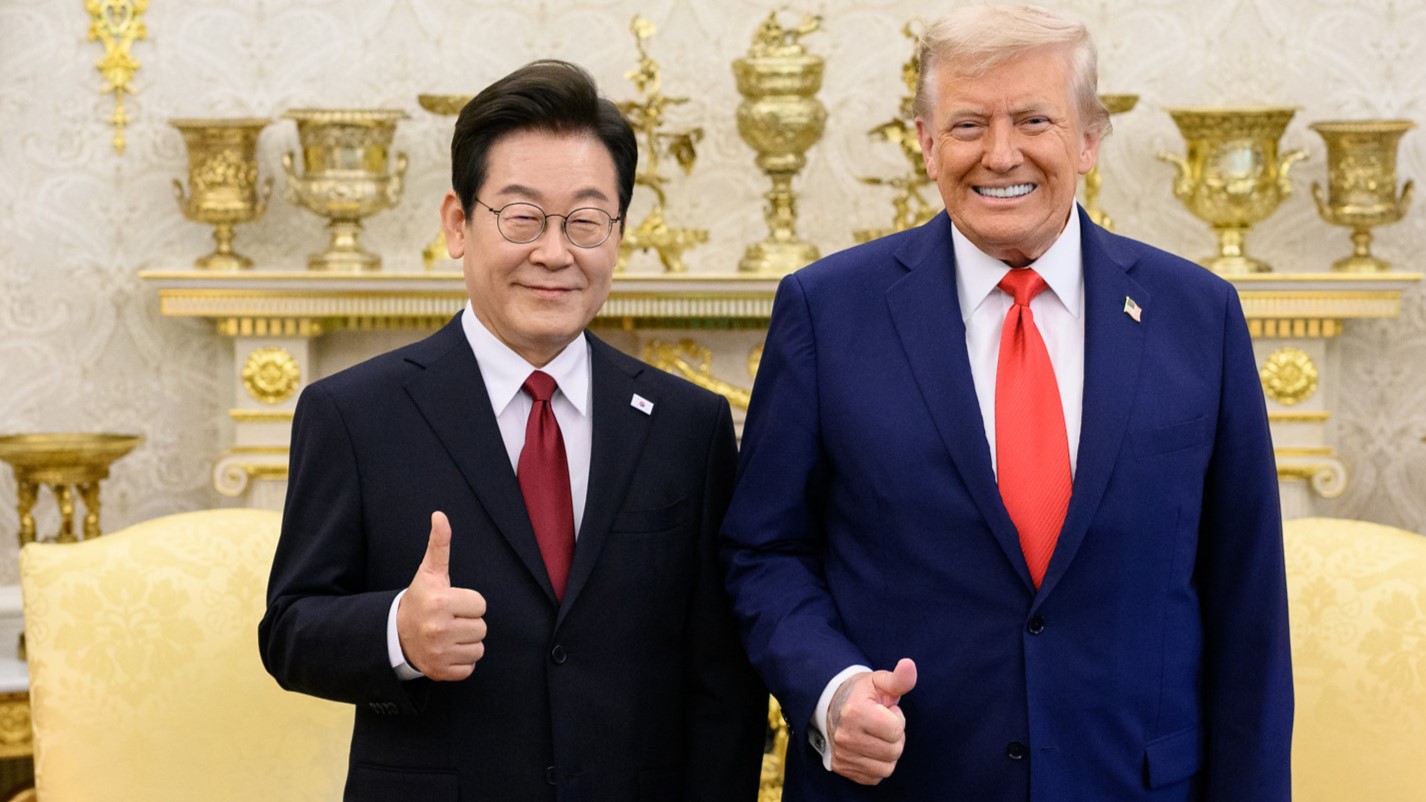
Trump and Lee are off to a good start, but it’s crucial for both that substantive discussions and agreements are codified in writing.

The primary challenge may be whether Trump and Lee can abandon “America First” and “Korea first” instincts to “Make the Alliance Great Again.”

Pressure falls on the Lee administration to manage the U.S.-Korea alliance and restore comity among contending parties at home amid severe polarization.
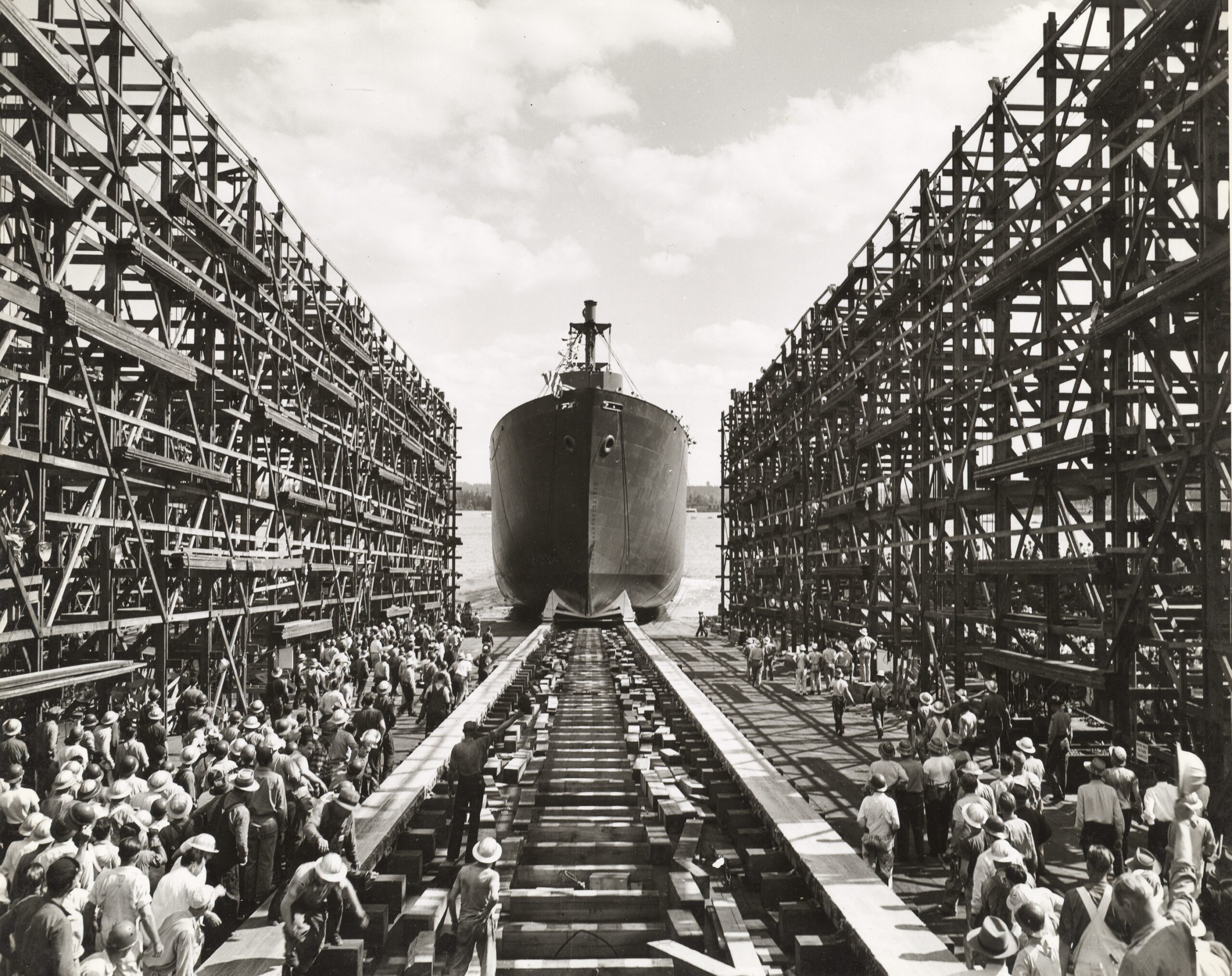
Where U.S. domestic industrial capacity has withered, foreign investment could intervene to halt further degradation of the U.S. shipbuilding industry.

The Las Vegas region has become a powerful driver of trade, business, and people-to-people ties between the United States and South Korea.
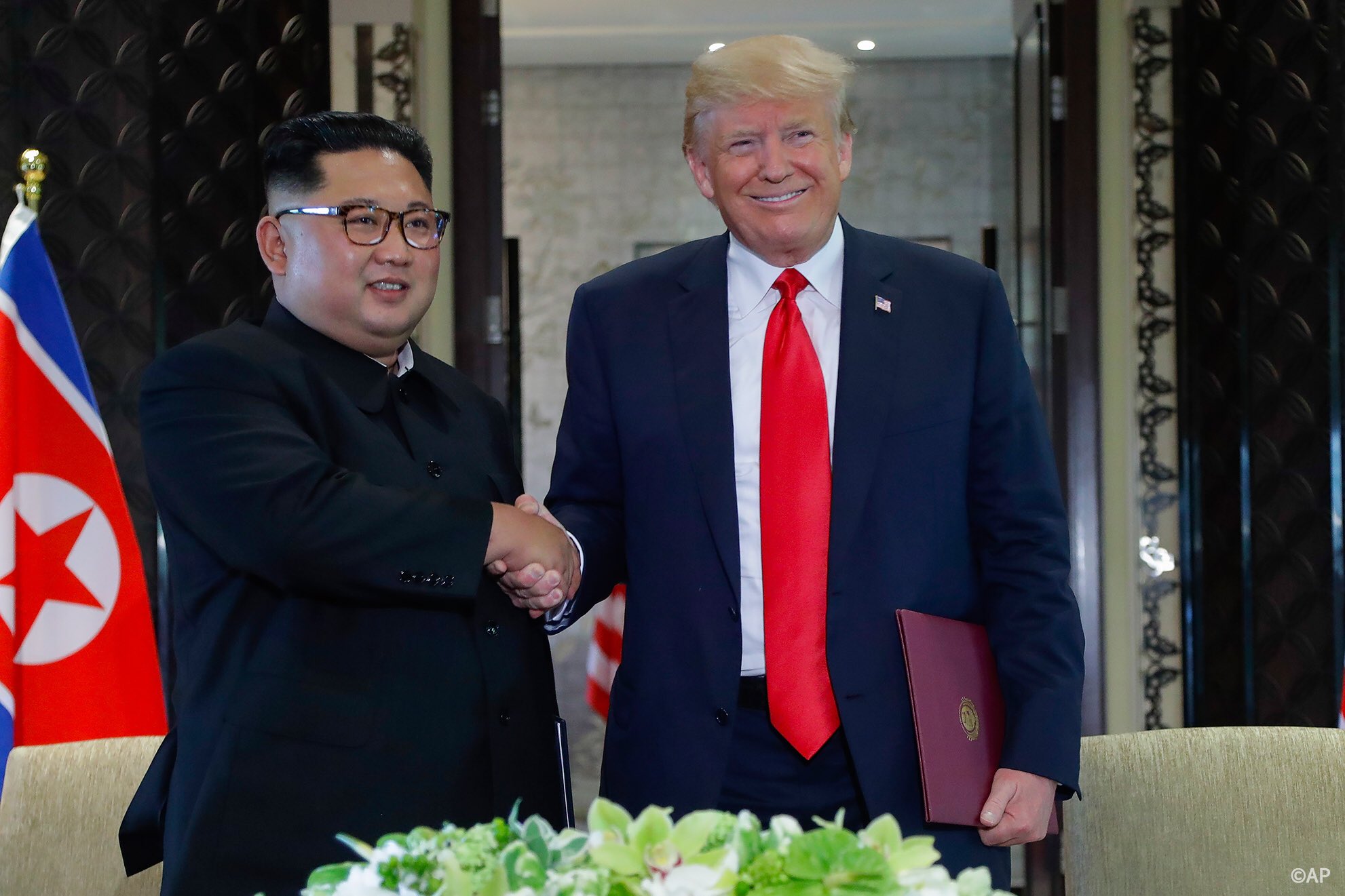
Donald Trump apparently wants to reconnect with Kim Jong Un, but it’s unclear what a potential third summit might mean for denuclearization.