Q1 2026 U.S.-Korea Trade, Investment, and Diplomacy Ledger
Iran’s failure to achieve nuclear latency has significant implications for South Korea and Japan’s thinking on their own nuclear strategy.

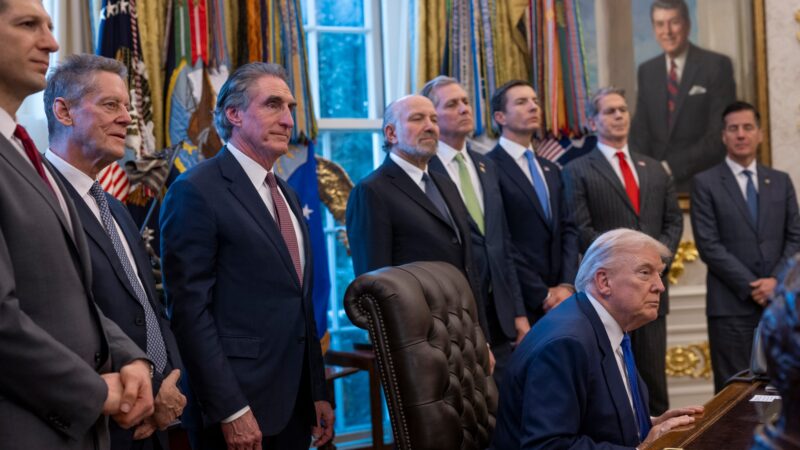
Iran’s failure to achieve nuclear latency has significant implications for South Korea and Japan’s thinking on their own nuclear strategy.
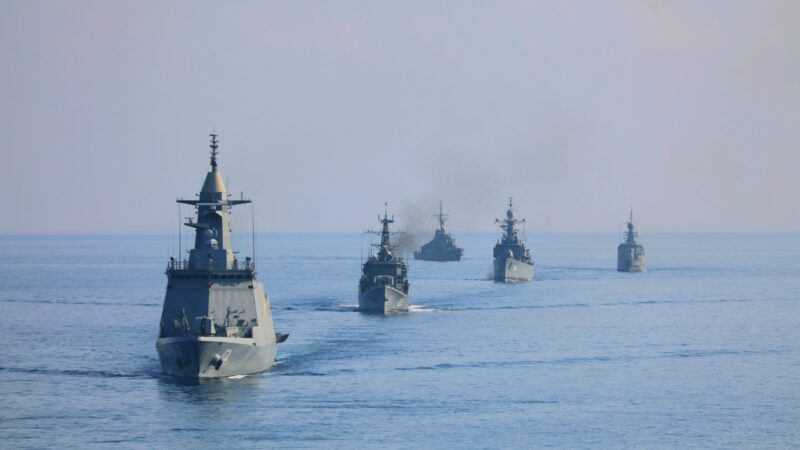
Iran’s failure to achieve nuclear latency has significant implications for South Korea and Japan’s thinking on their own nuclear strategy.
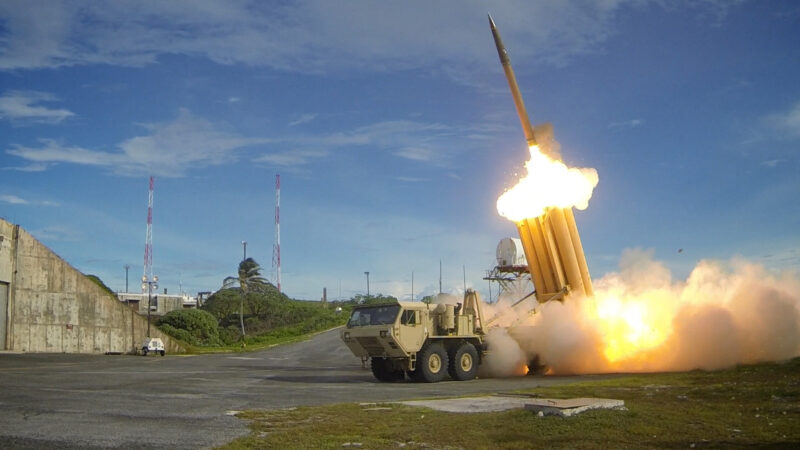
Iran’s failure to achieve nuclear latency has significant implications for South Korea and Japan’s thinking on their own nuclear strategy.

The deal may not only help Korea avoid higher tariffs, but also lower the cost of capital for strategic investments in the United States.
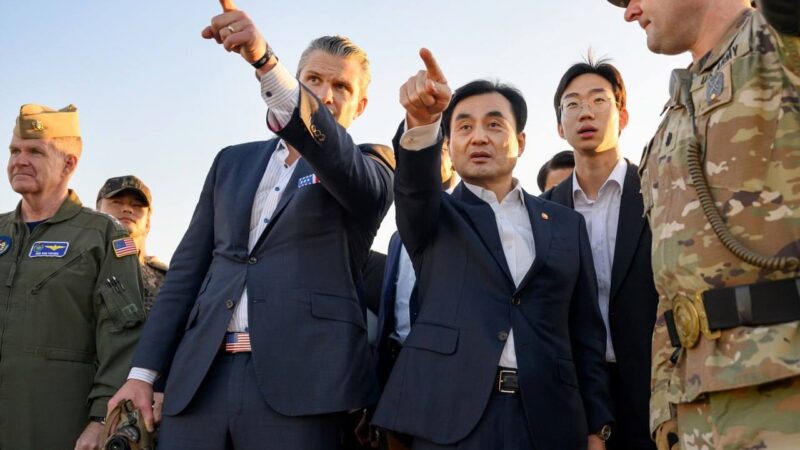
From alliance recalibration to the “Korea Discount,” KEI experts analyze the critical issues shaping U.S.–South Korea relations in 2026.
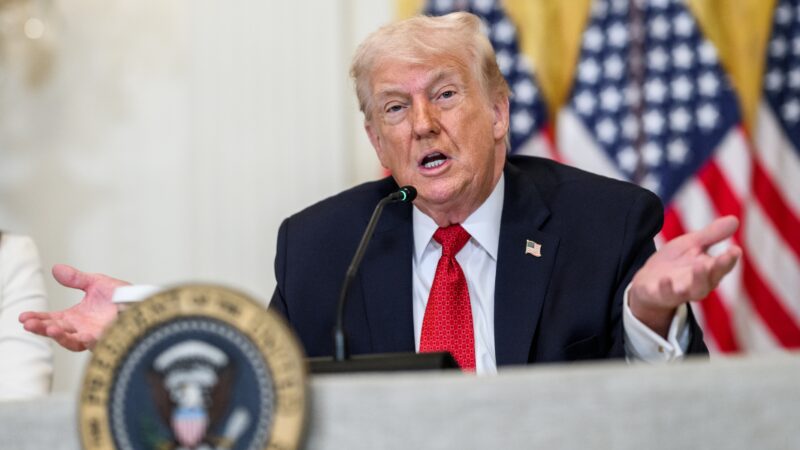
Investment commitments, tariff deals, and bilateral MOUs may now have to be completed with the caveat in mind that anything can change at a moment’s notice.
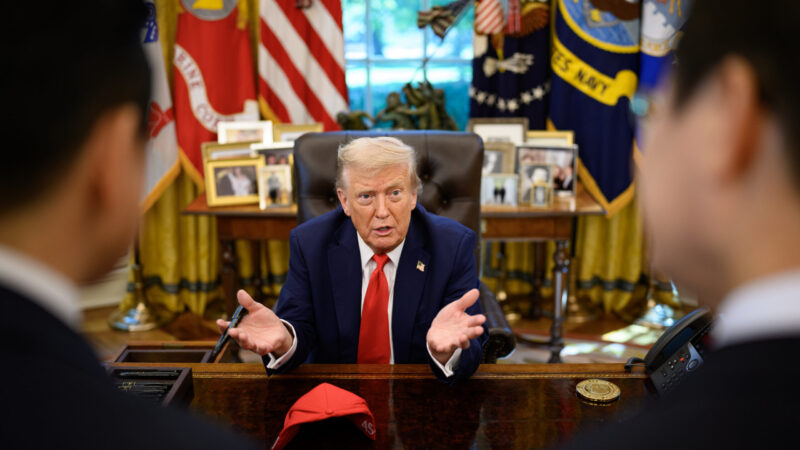
Korea’s cosmetics industry has moved beyond trend-driven consumption and matured into a key export pillar.
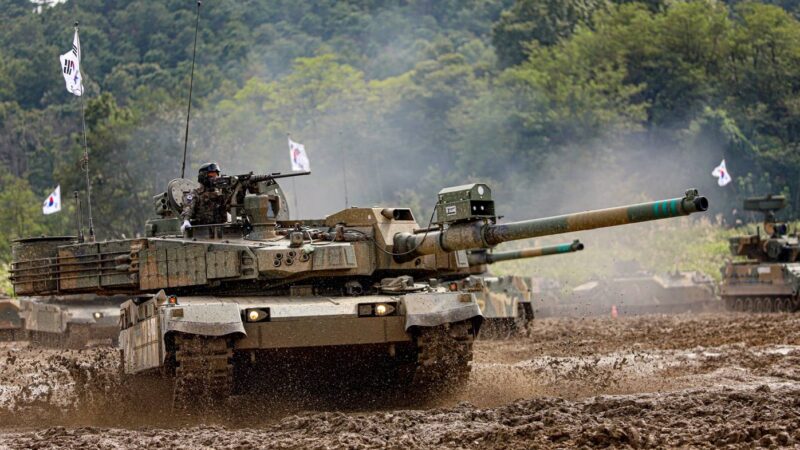
The alliance faces a familiar challenge in a more complex environment: maintaining credible deterrence while adapting to evolving threats.
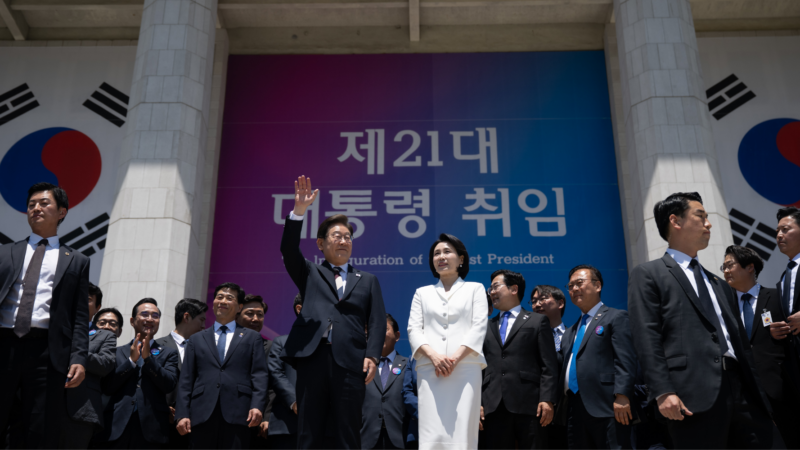
Despite the instability that followed martial law, civilian trust in the military, elections, and the national government reached record highs.
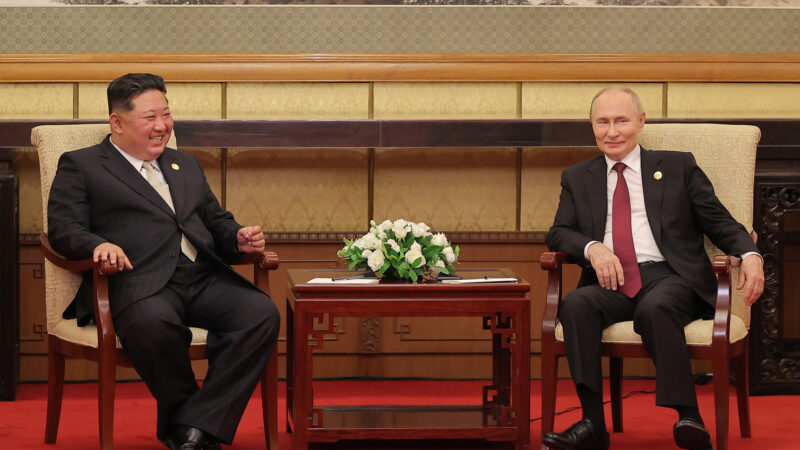
The two nations are steeped in the same ideological brew of ultra-nationalism, hyper-militarism, and illiberalism.