Quiet over the Deportation of North Koreans
While human rights groups condemned the extradition, the disinterest of the South Korean people may reflect changing domestic attitudes towards North Korea.

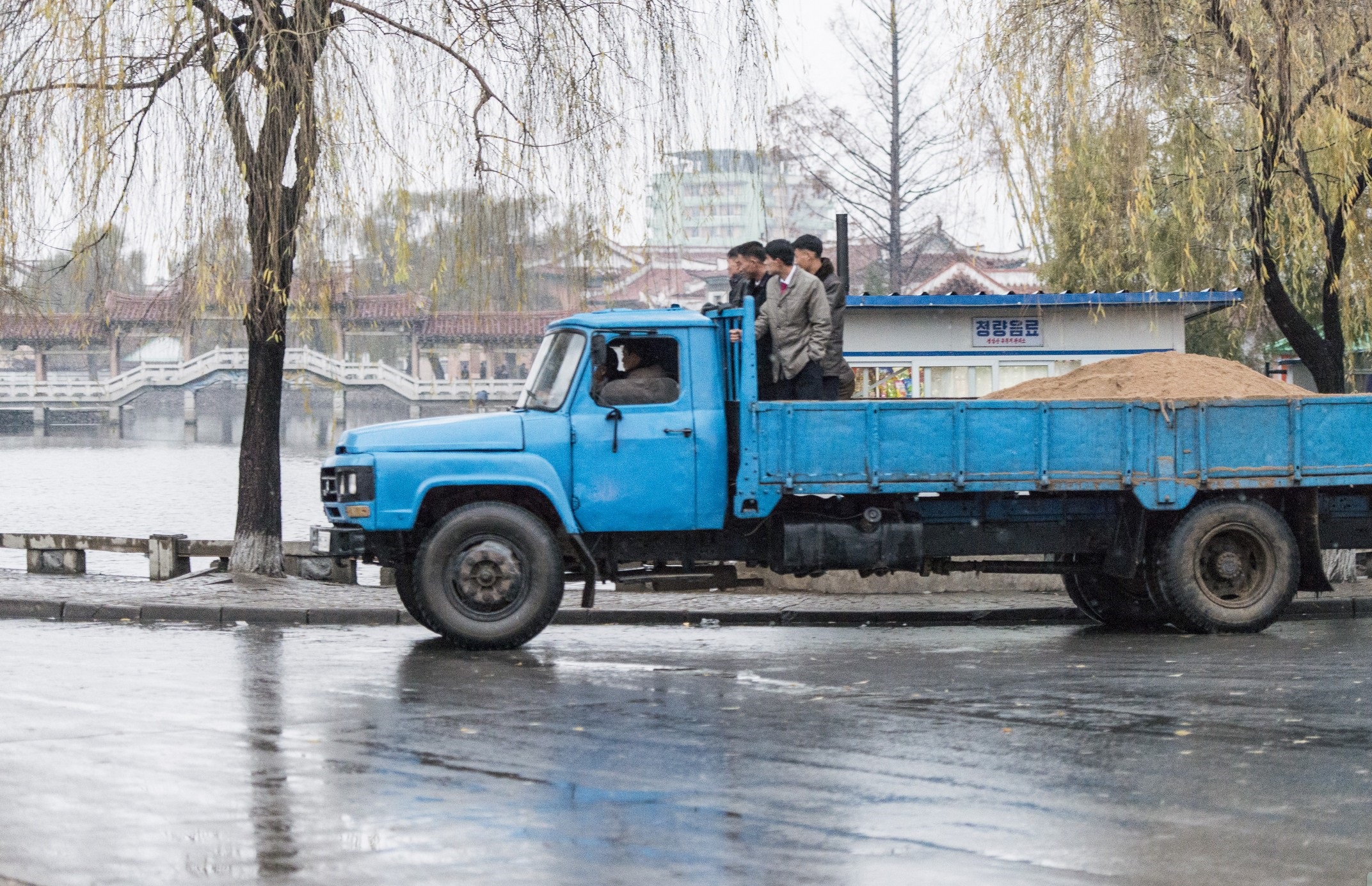
While human rights groups condemned the extradition, the disinterest of the South Korean people may reflect changing domestic attitudes towards North Korea.
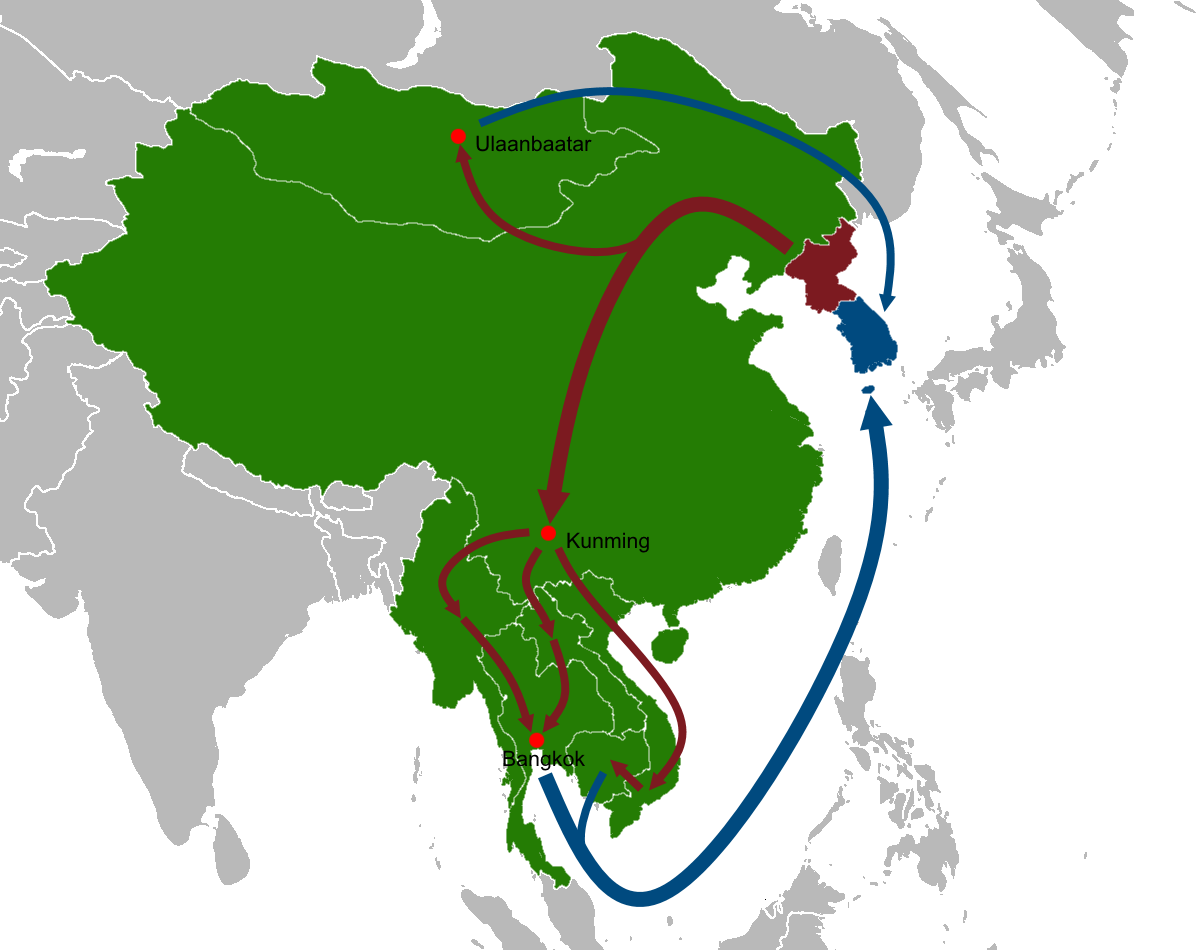
Social challenges – rather than material privation – affect North Korean defectors during their resettlement in South Korea.

The transnational contagion of African Swine Fever highlights the urgency of inter-Korean cooperation.
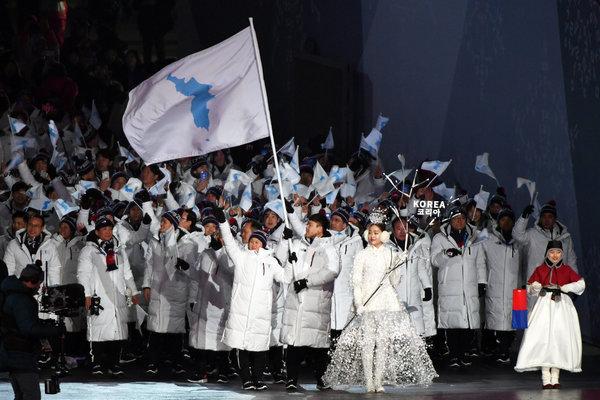
While it remains an avenue for engagement with North Korea, South Koreans are more wary of bearing the cost of sports diplomacy.
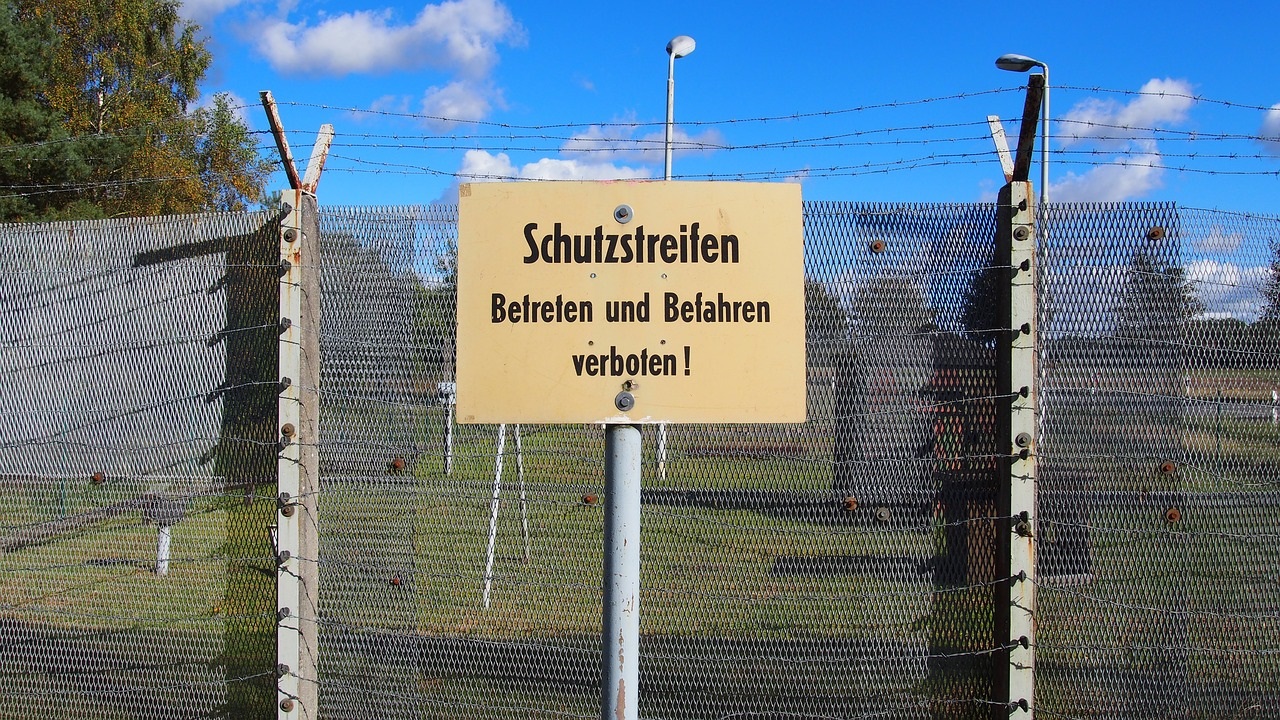
Thirty years after Hungary allowed East Germans to cross into Austria, North Koreans are still unable to visit their relatives in South Korea.
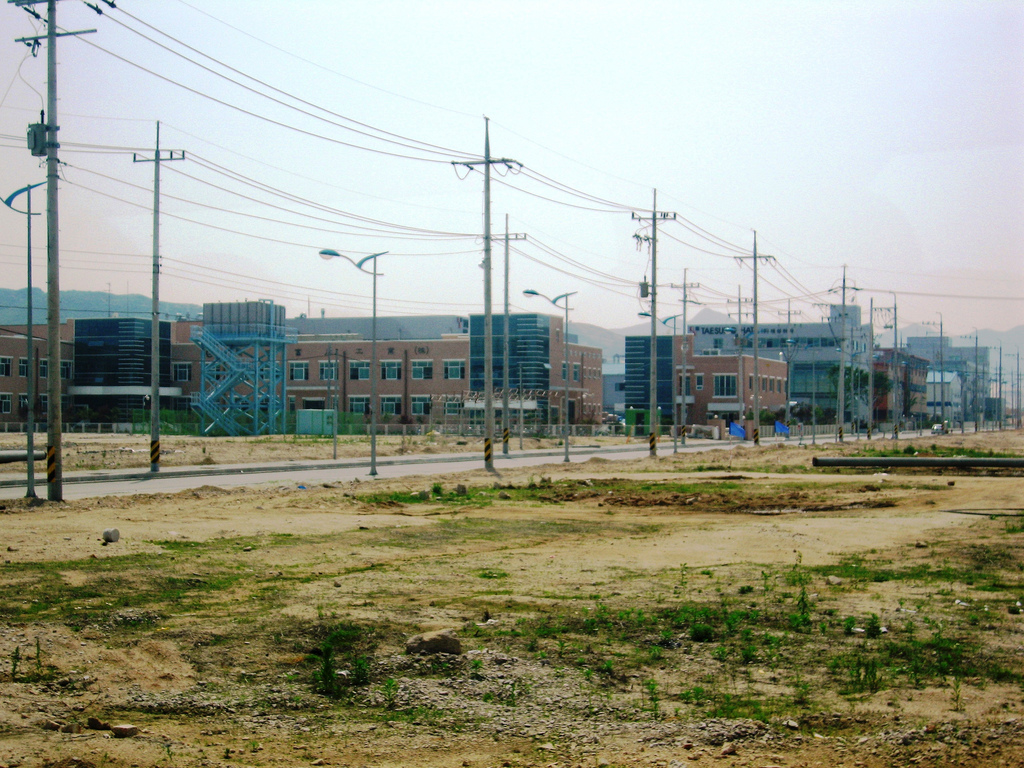
The sudden start to the inter-Korean peace process last year renewed interest in the resumption of joint economic activities like Kaesong, though there has been little indication if the complex will be open again in the coming months or years.
2032 Olympics are 13 years away, but a joint bid is a highly visible gesture to break down barriers between North and South Korea.
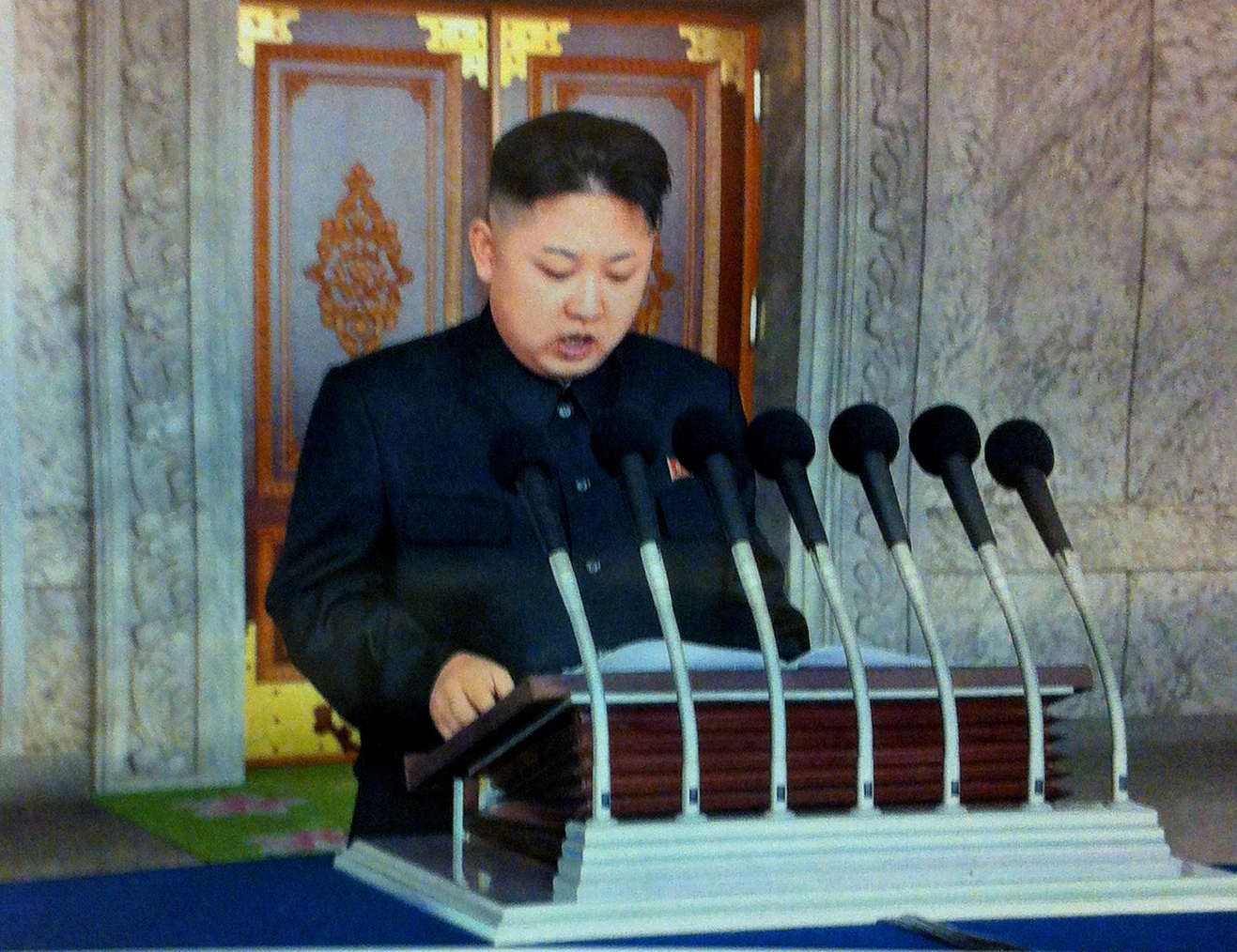
The South Korean government must advance talks between Washington and Pyongyang without full clarity on North Korea’s definition of denuclearization.
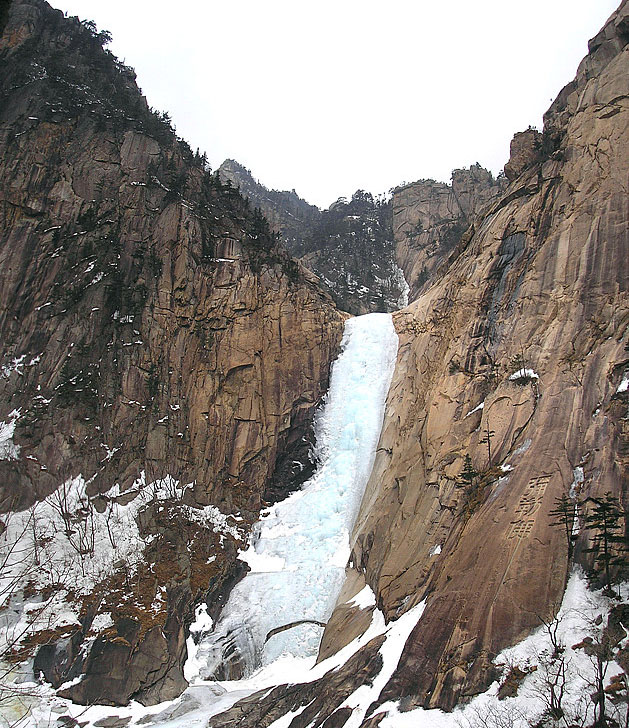
Mount Kumgang and the Kaesong Industrial Complex will likely be considered for sanctions relief in upcoming negotiations. A range of factors will need to be considered.
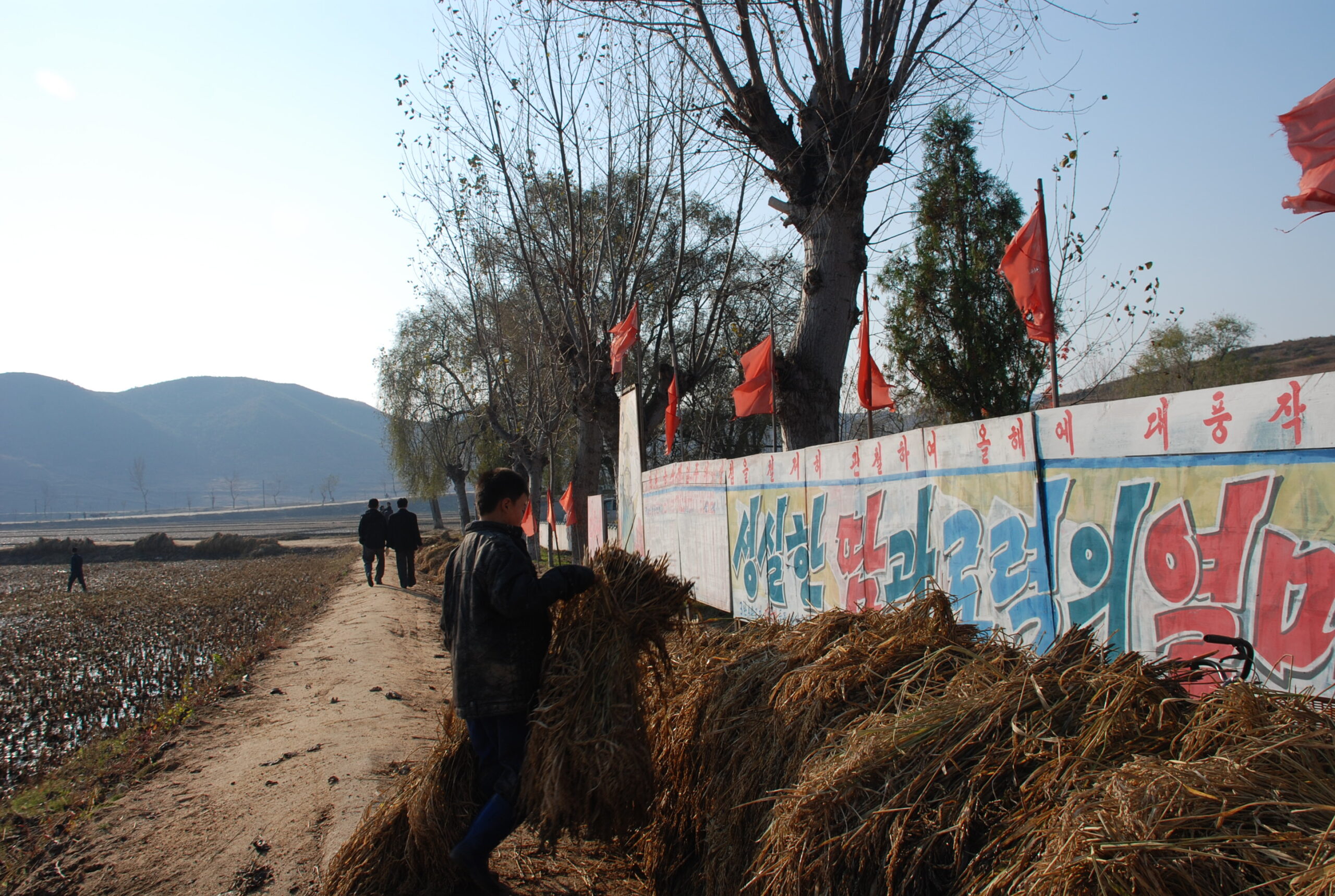
With substantive progress on the denuclearization of North Korea in doubt, providing humanitarian aid could demonstrate U.S. goodwill at this critical time.