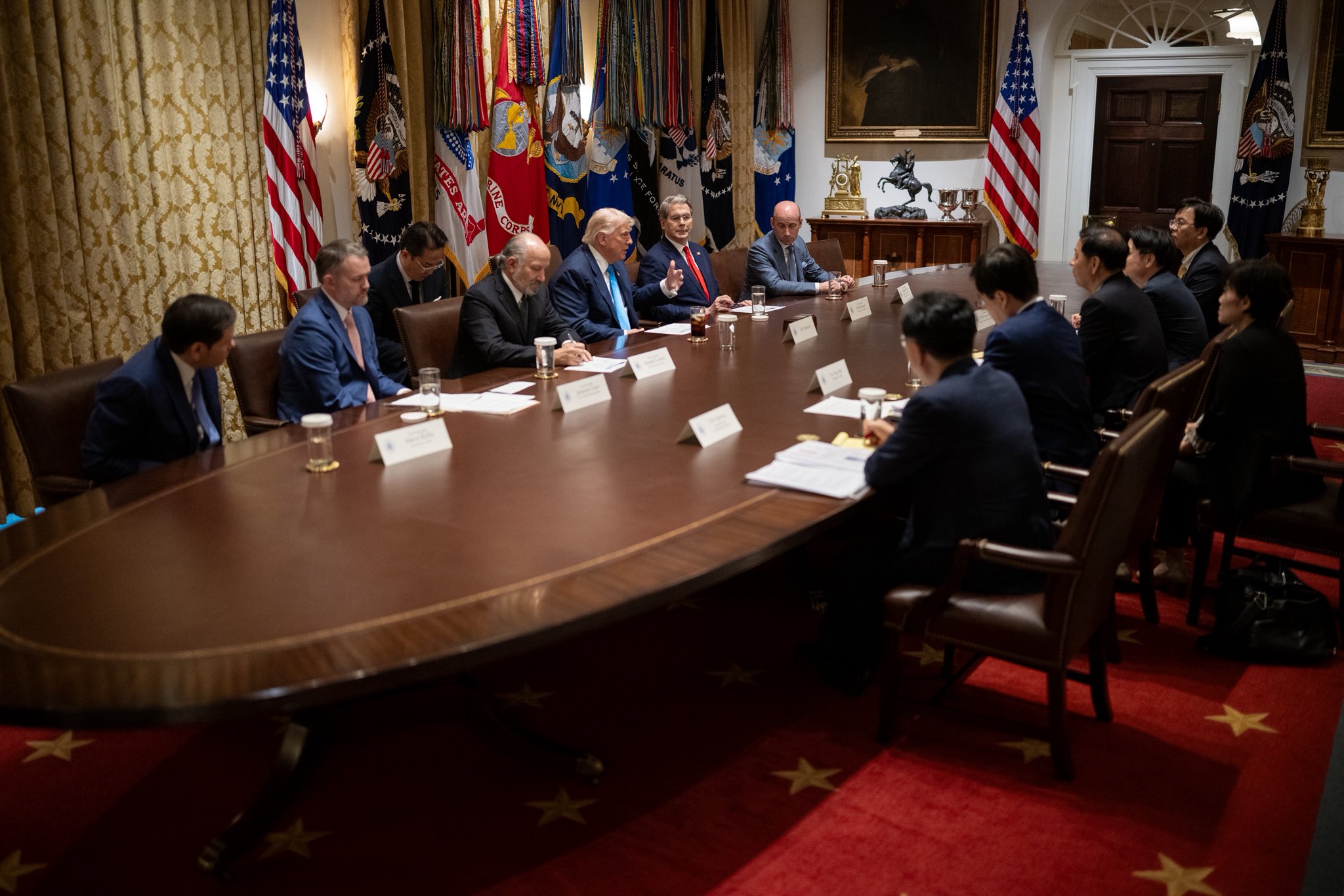
What Lee Jae Myung’s Washington Debut Says About South Korea’s Foreign Policy
Trump and Lee are off to a good start, but it’s crucial for both that substantive discussions and agreements are codified in writing.

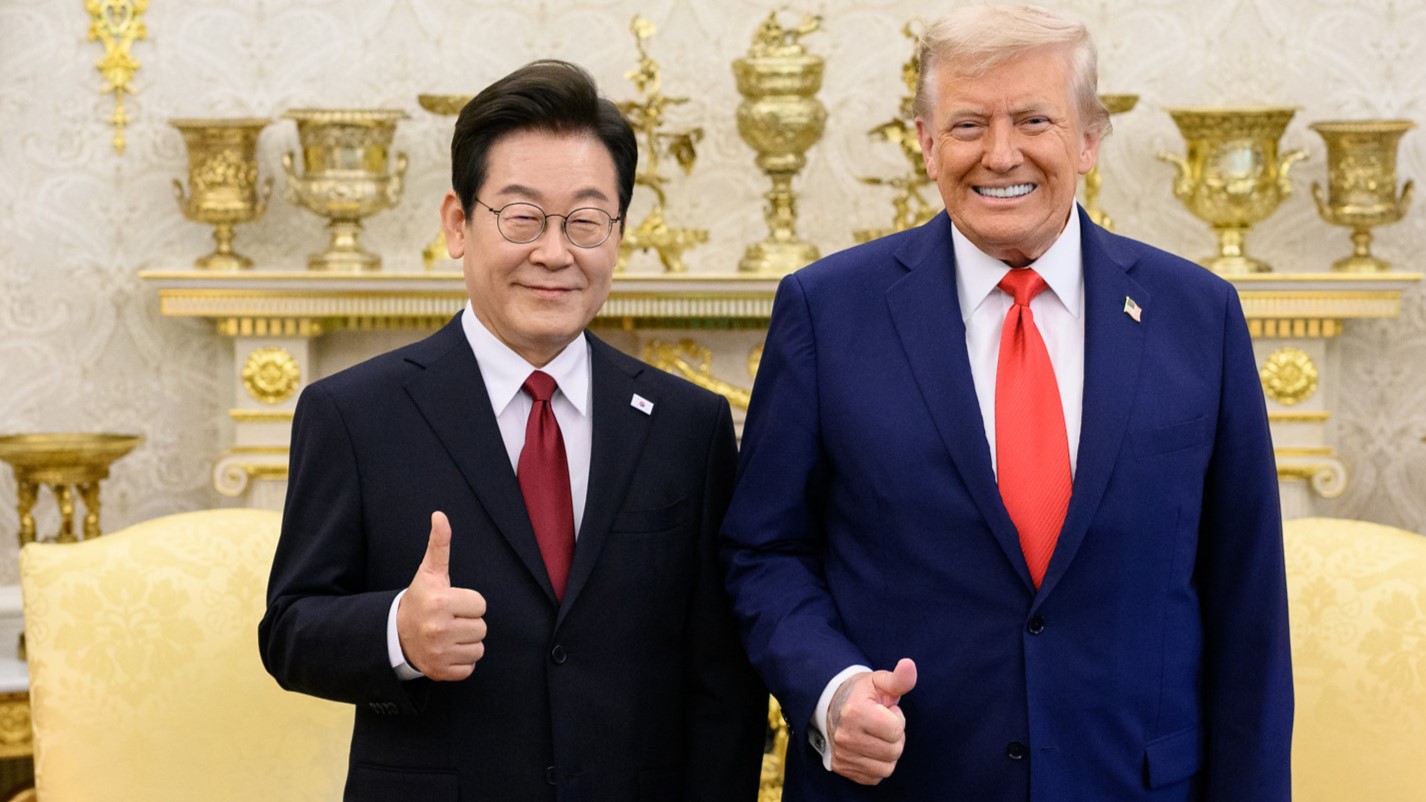
Trump and Lee are off to a good start, but it’s crucial for both that substantive discussions and agreements are codified in writing.
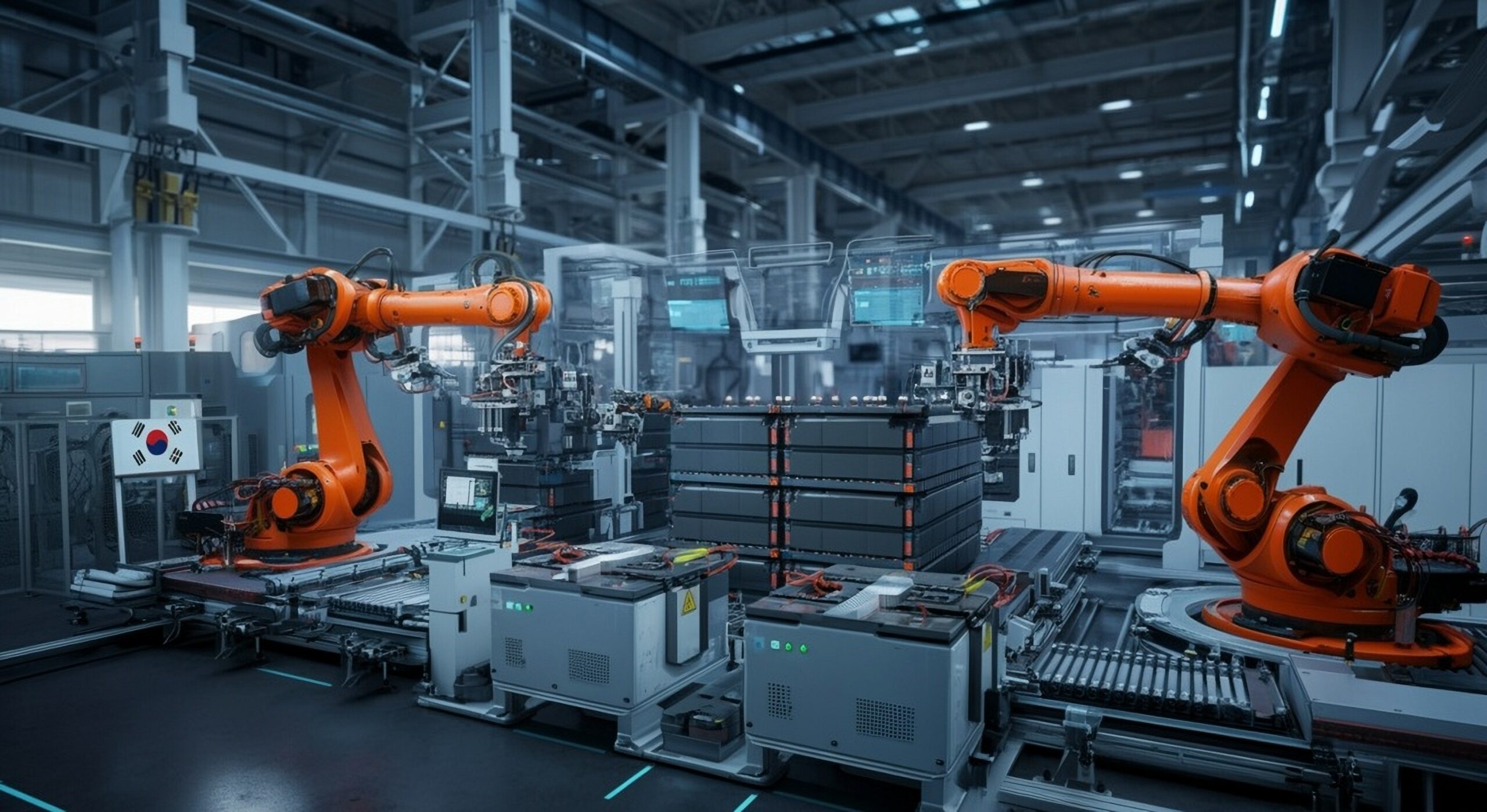
A larger role for Korea in the global battery industry would ease U.S. economic and security concerns about China’s dominance in the sector.
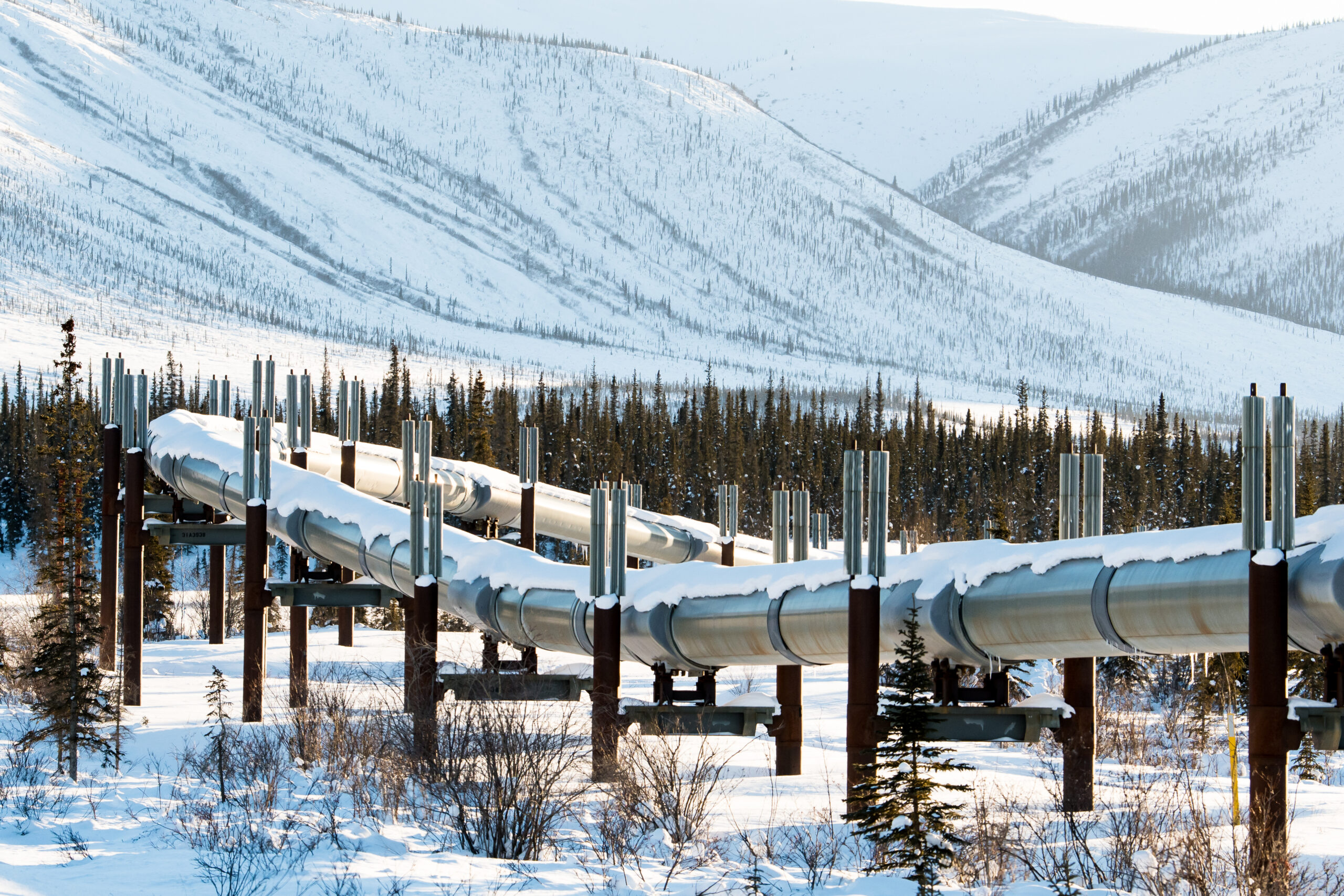
A future-oriented, comprehensive strategic alliance would likely require adjustments and upgrades across multiple aspects of the bilateral relationship.
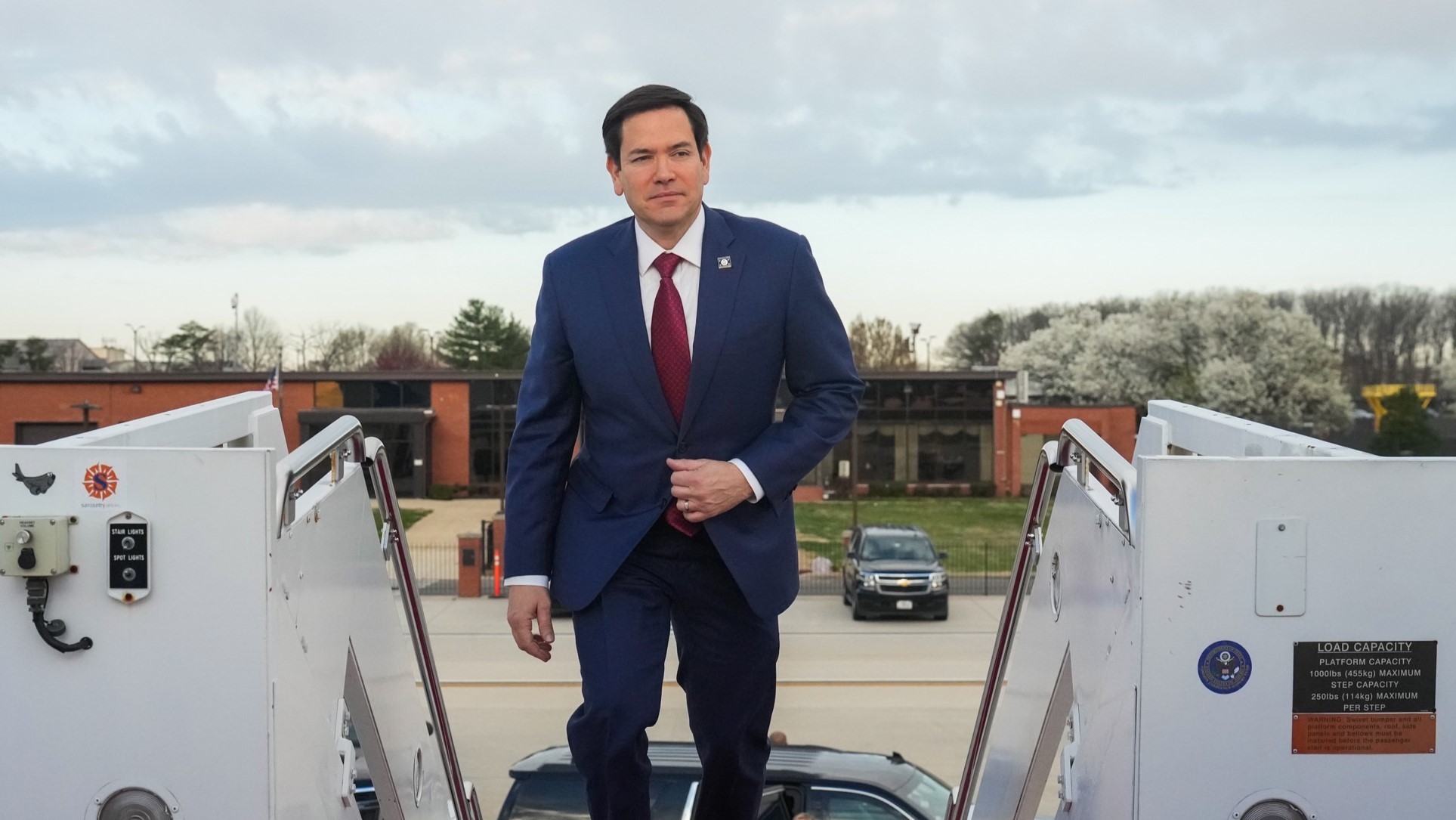
The prospects for movement, especially when considering the language of the State Department’s report on North Korean human rights, appear bleak.
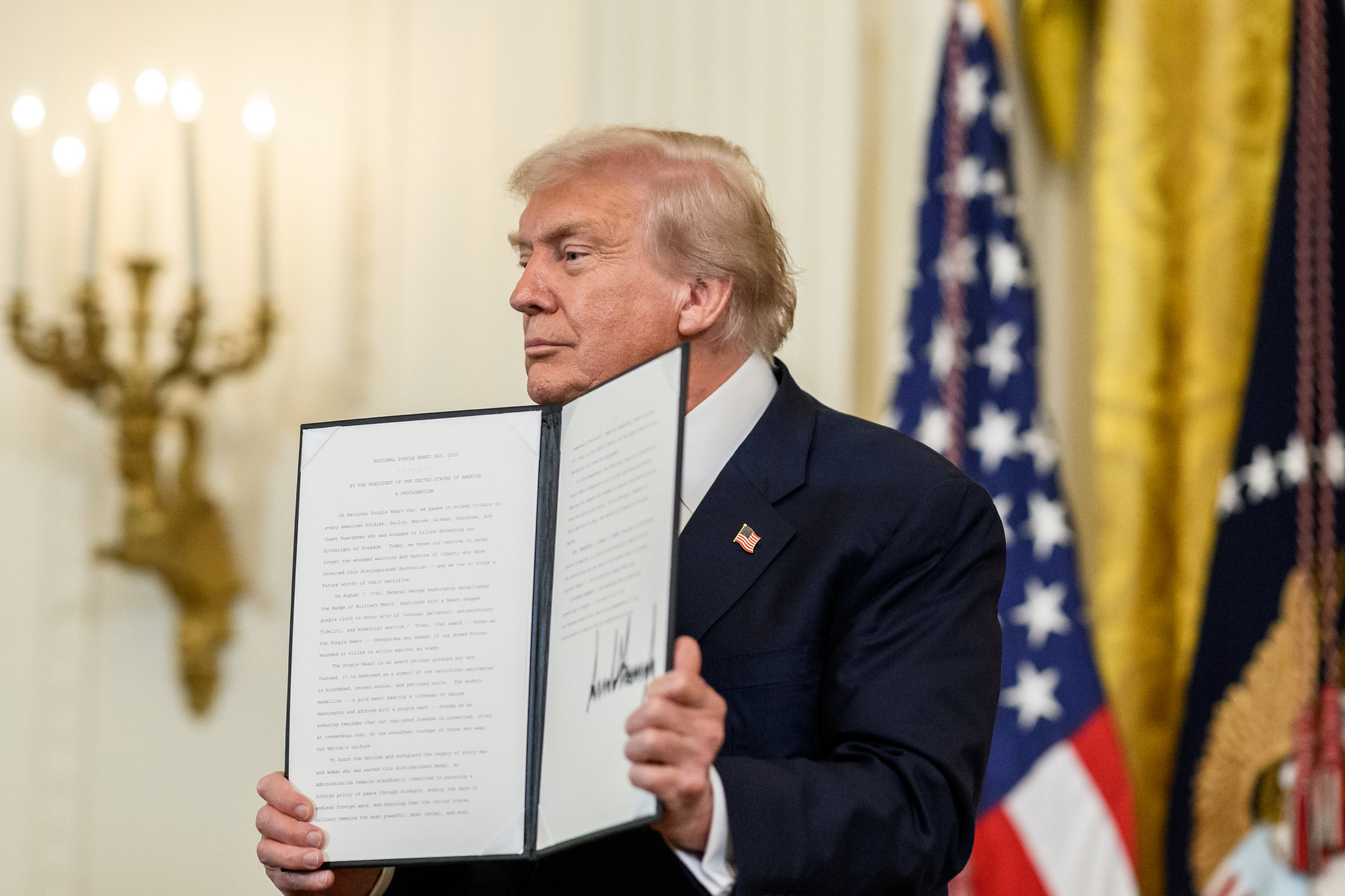
If the value of the partnership is diminished from within, it will become increasingly difficult for the alliance to be sustained.
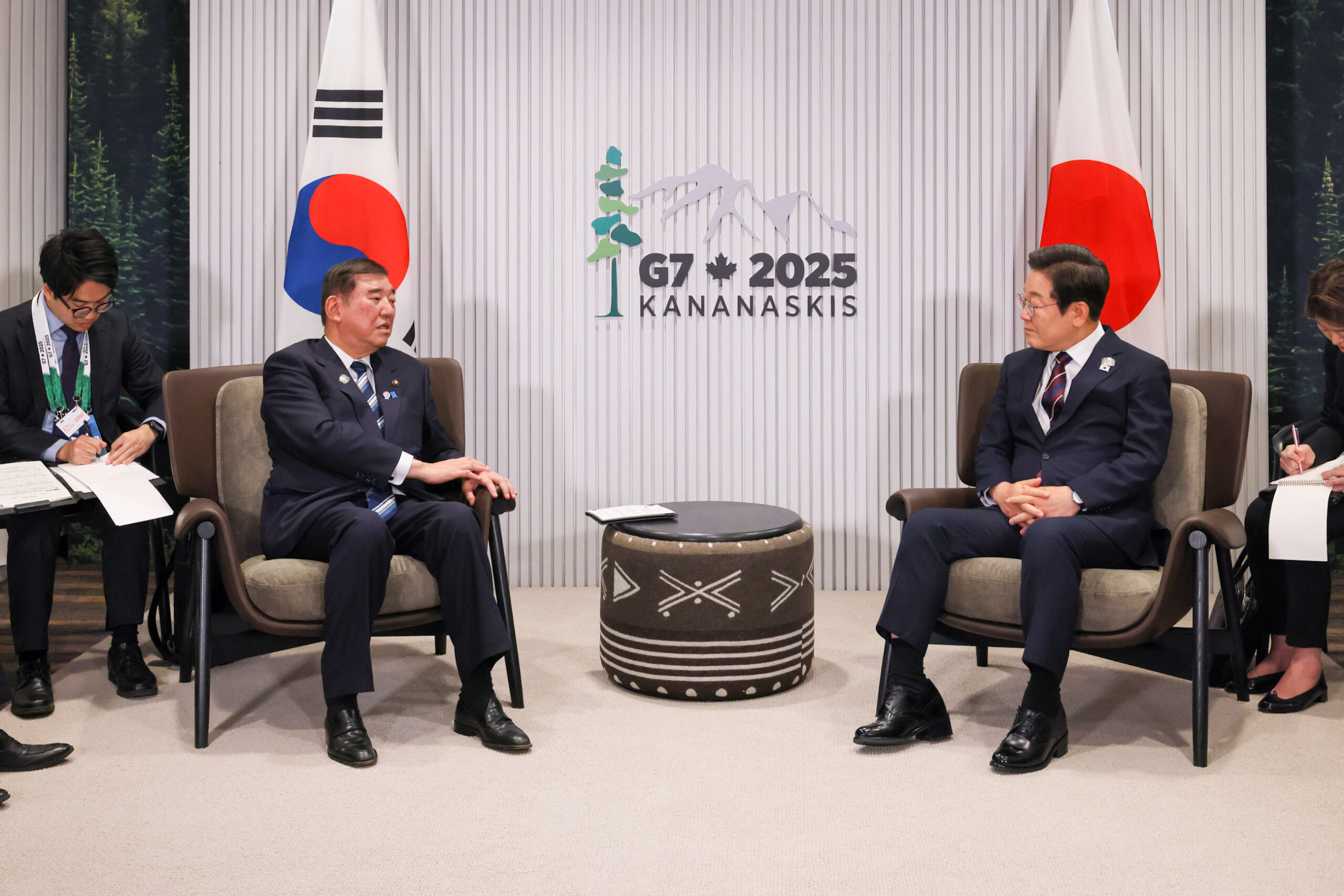
The two Asian neighbors and allies of the United States appear determined to tightly coordinate their response to the Trump administration.
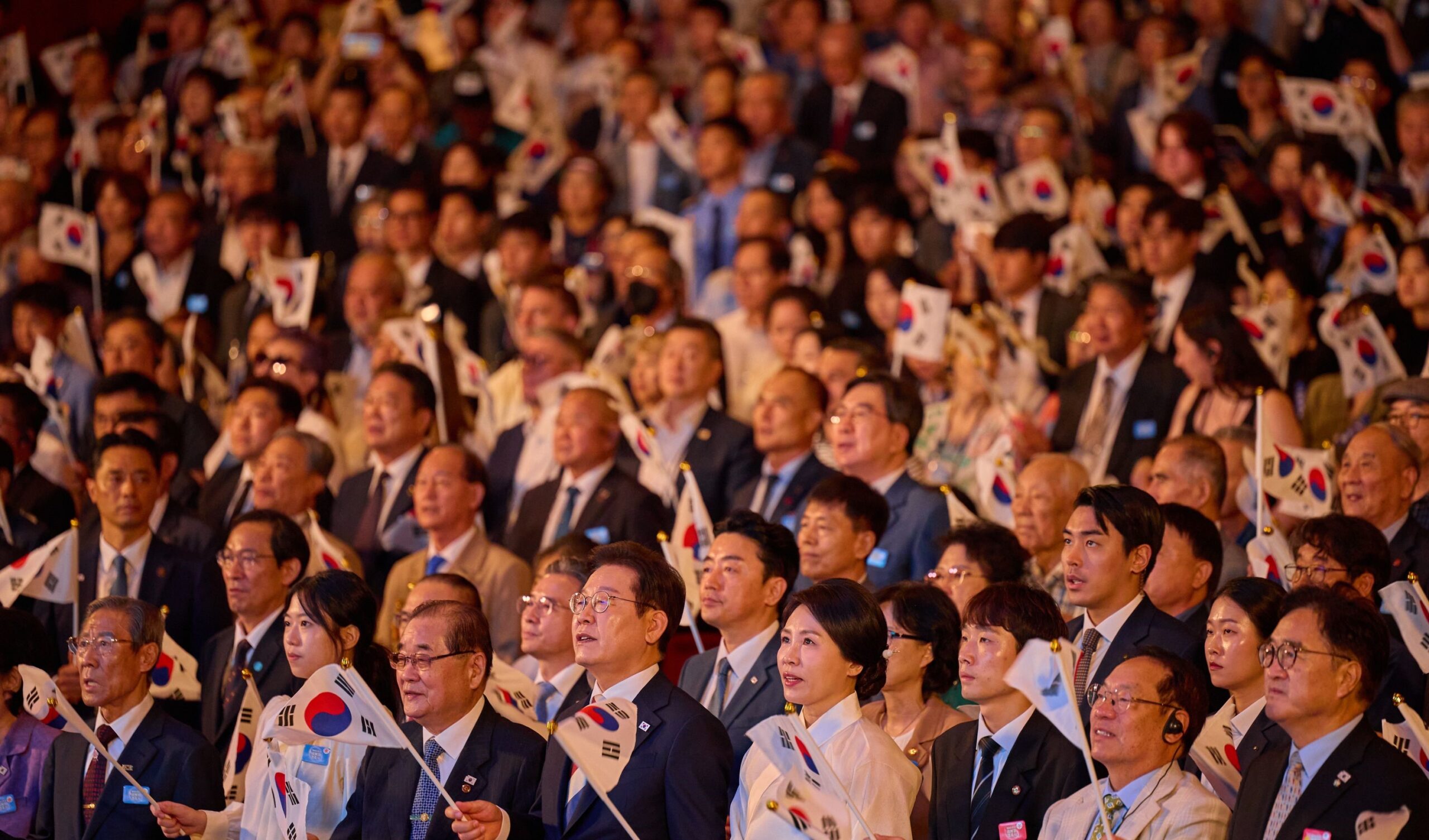
The president’s speech revealed true pragmatism on trade and foreign policy, but early signs suggest Seoul clings to other familiar narratives.

The primary challenge may be whether Trump and Lee can abandon “America First” and “Korea first” instincts to “Make the Alliance Great Again.”
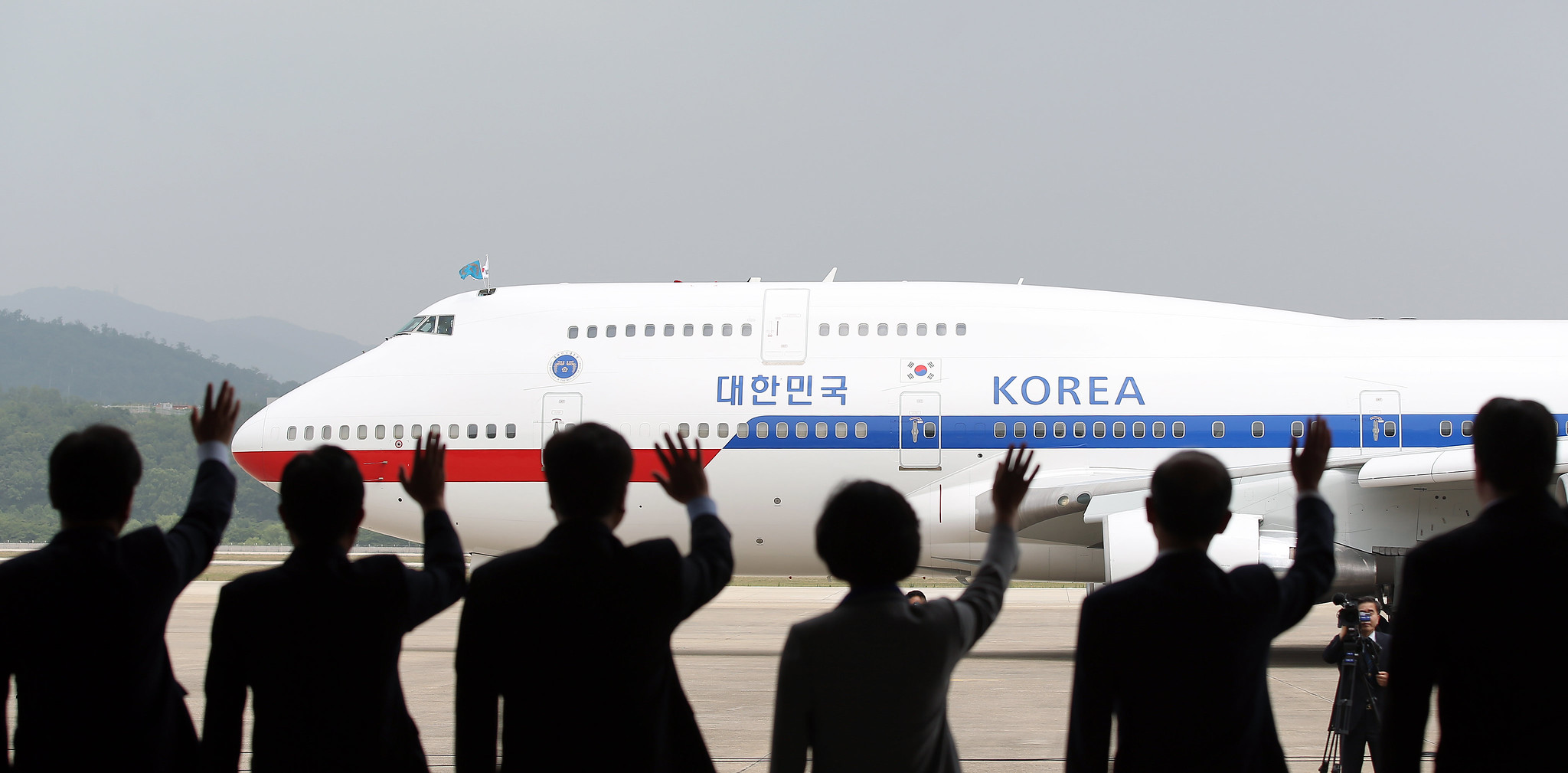
Trump’s disbelief in the value of U.S. forces in South Korea is long-standing and unchanged, and may impact the upcoming summit.
The U.S. and South Korean economies rebounded faster than expected in the second quarter this year, and the outlook for the remainder of 2025 is cautiously optimistic.