UN Condemnation of North Korea’s Human Rights Abuses Holds Firm Despite Political Shifts
The gravity, scale and nature of human rights violations in North Korea are without parallel in the contemporary world.


The gravity, scale and nature of human rights violations in North Korea are without parallel in the contemporary world.
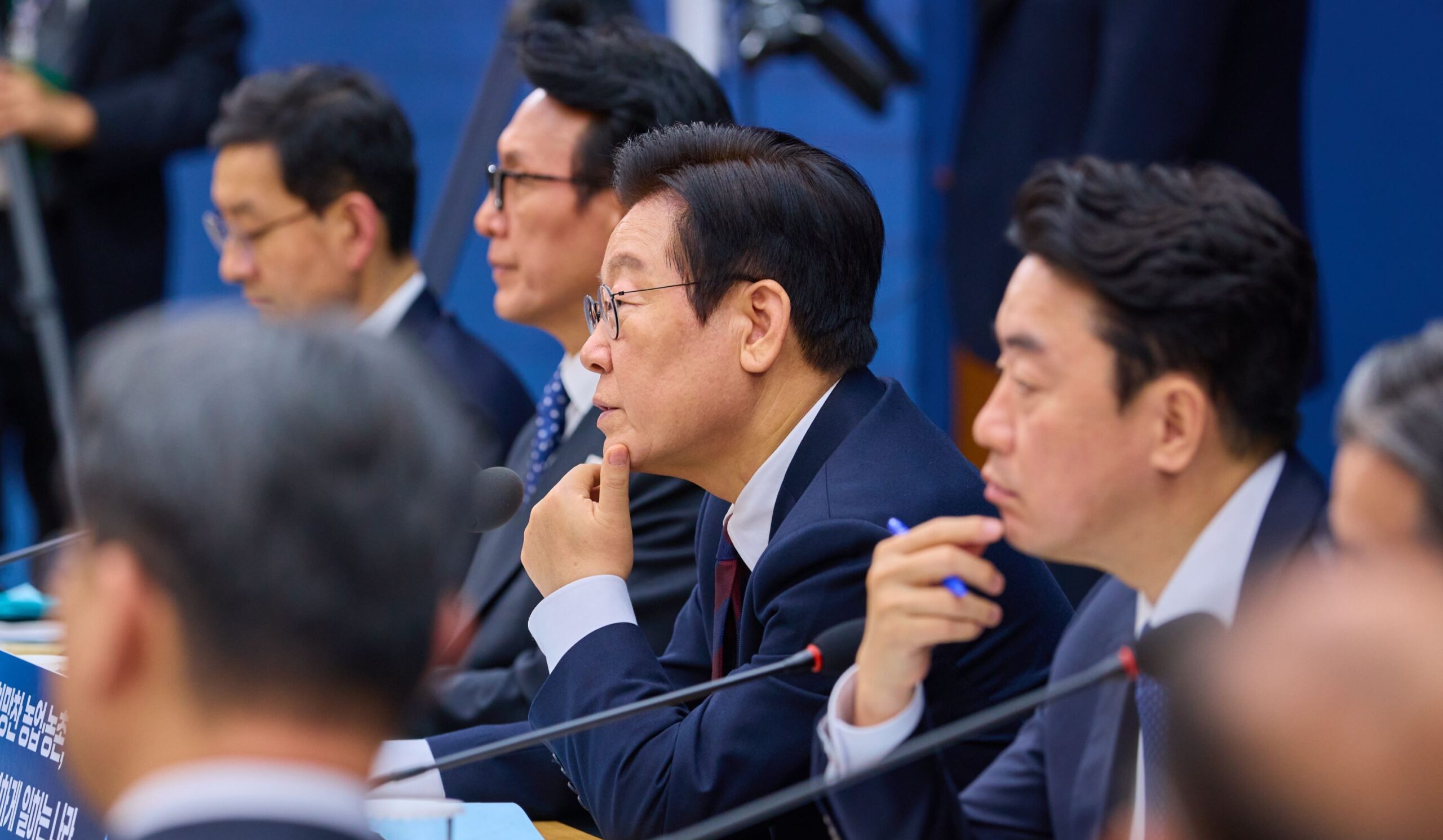
Korea needs an improved fiscal framework to better align short-term fiscal policy with long-term aging challenges.
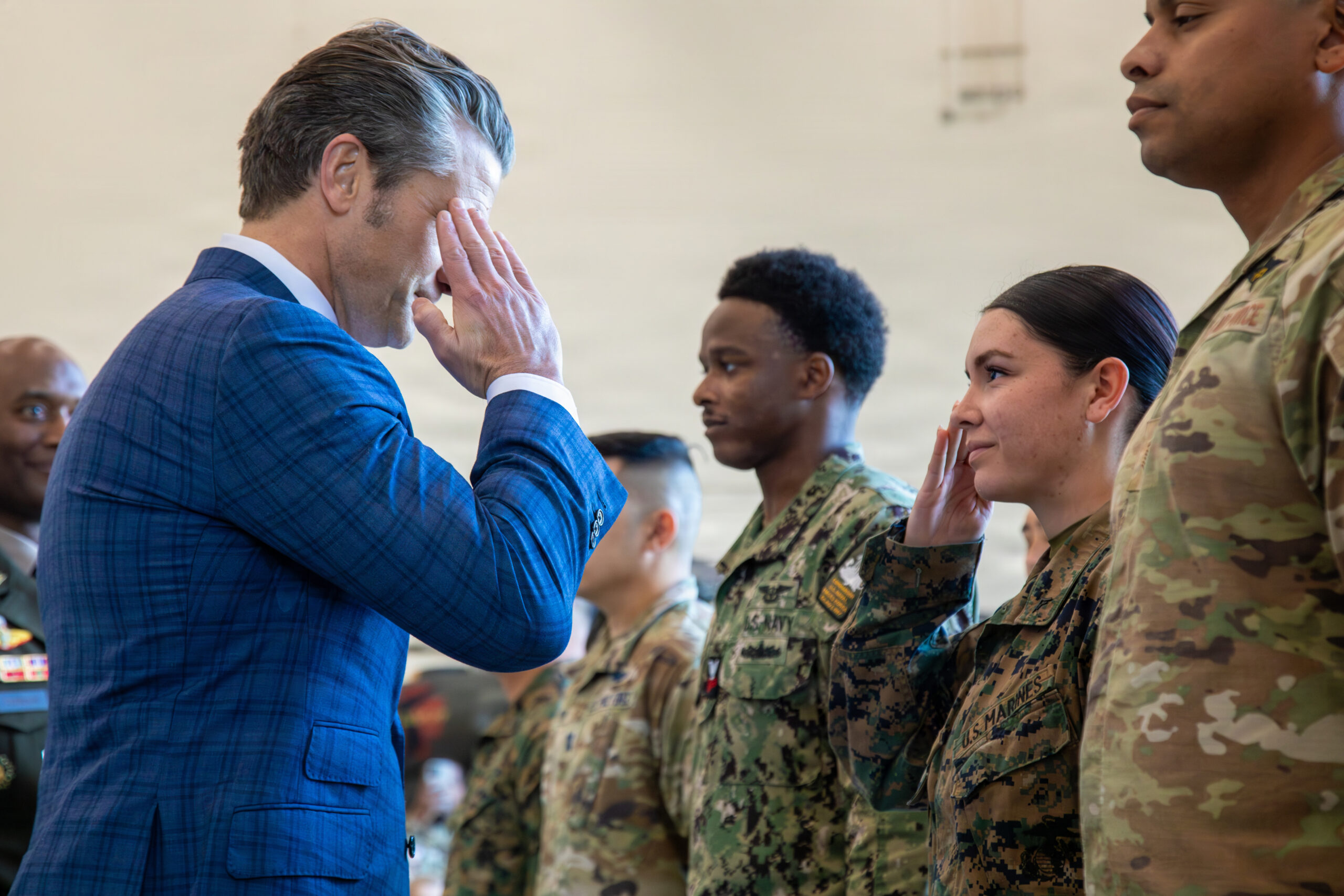
Washington embraces an America First worldview that blends isolationism with U.S. primacy and pushes allies and partners to the margins.
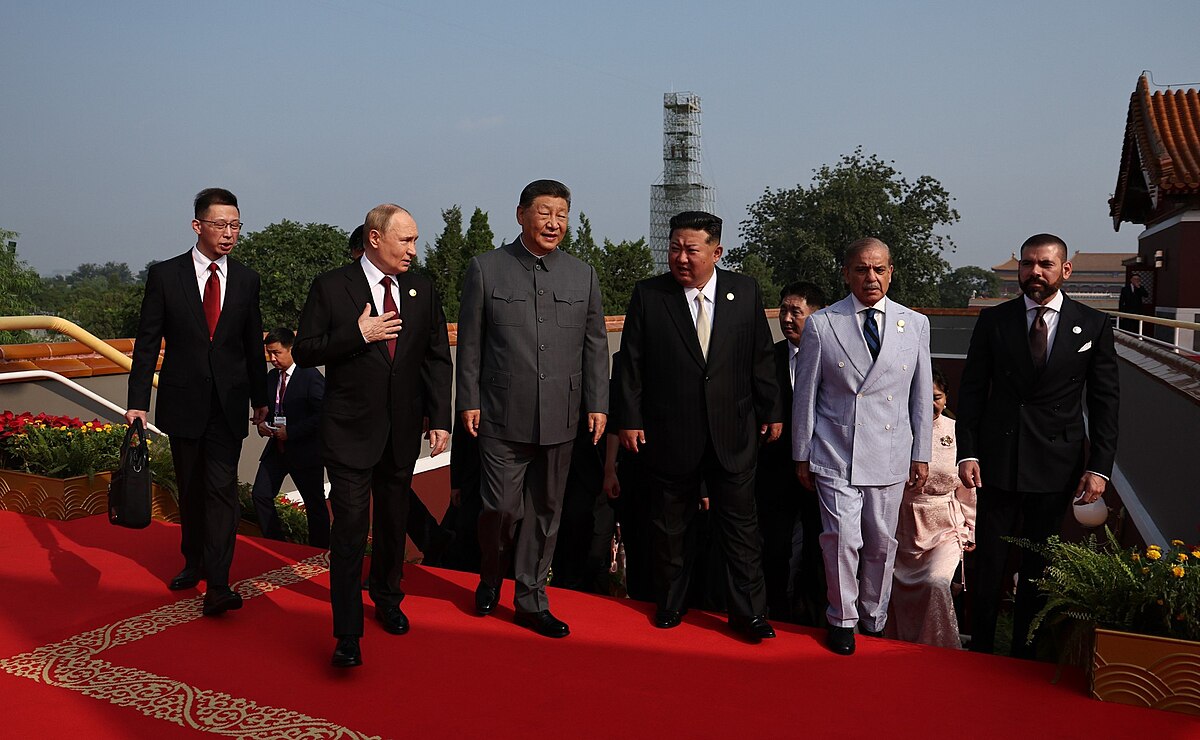
After decades of diplomatic isolation, economic destitution and marginalisation in the post-Cold War era, North Korea is returning as a destabilising force.
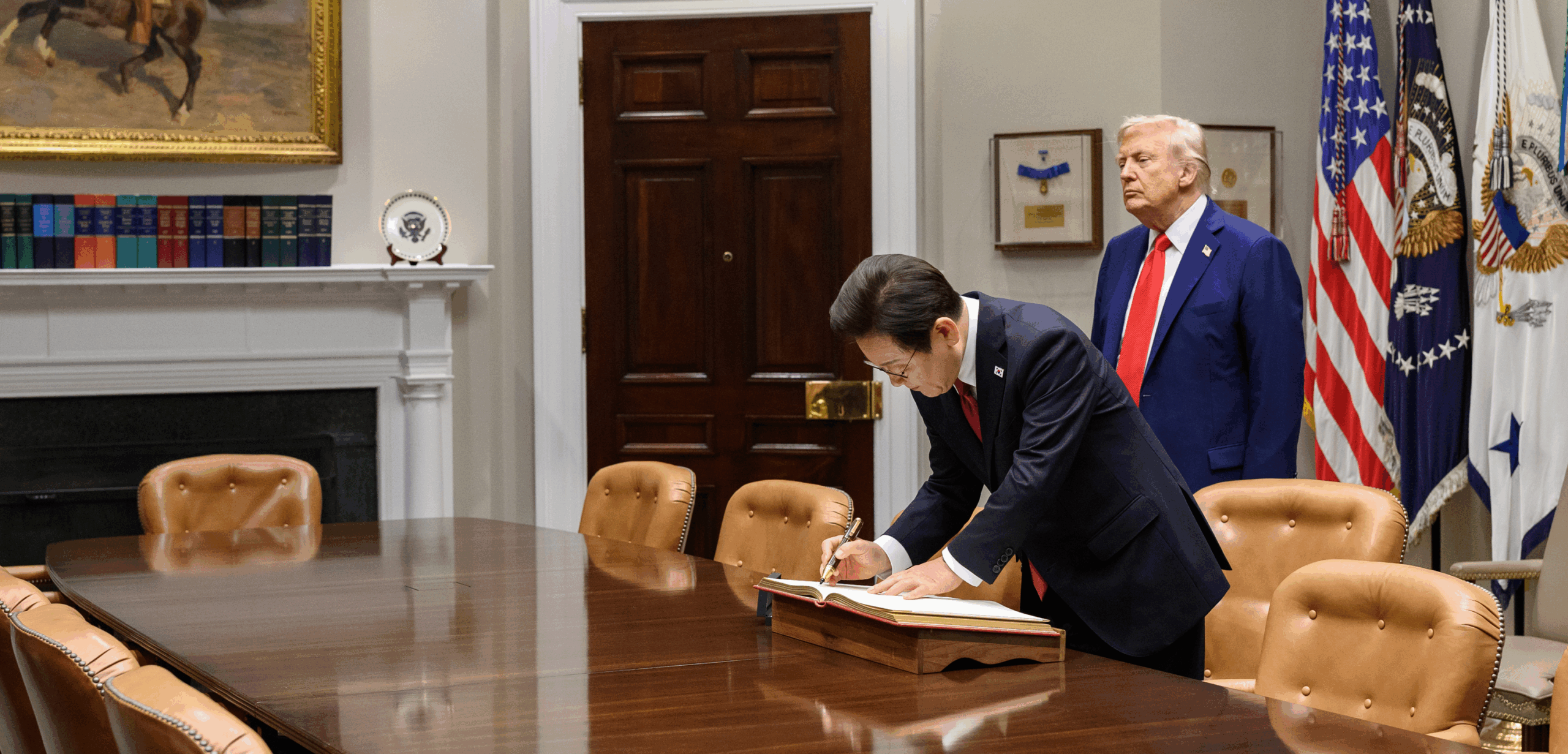
The U.S. push for allies to shoulder greater security burdens converges with South Korean efforts to deepen autonomy.
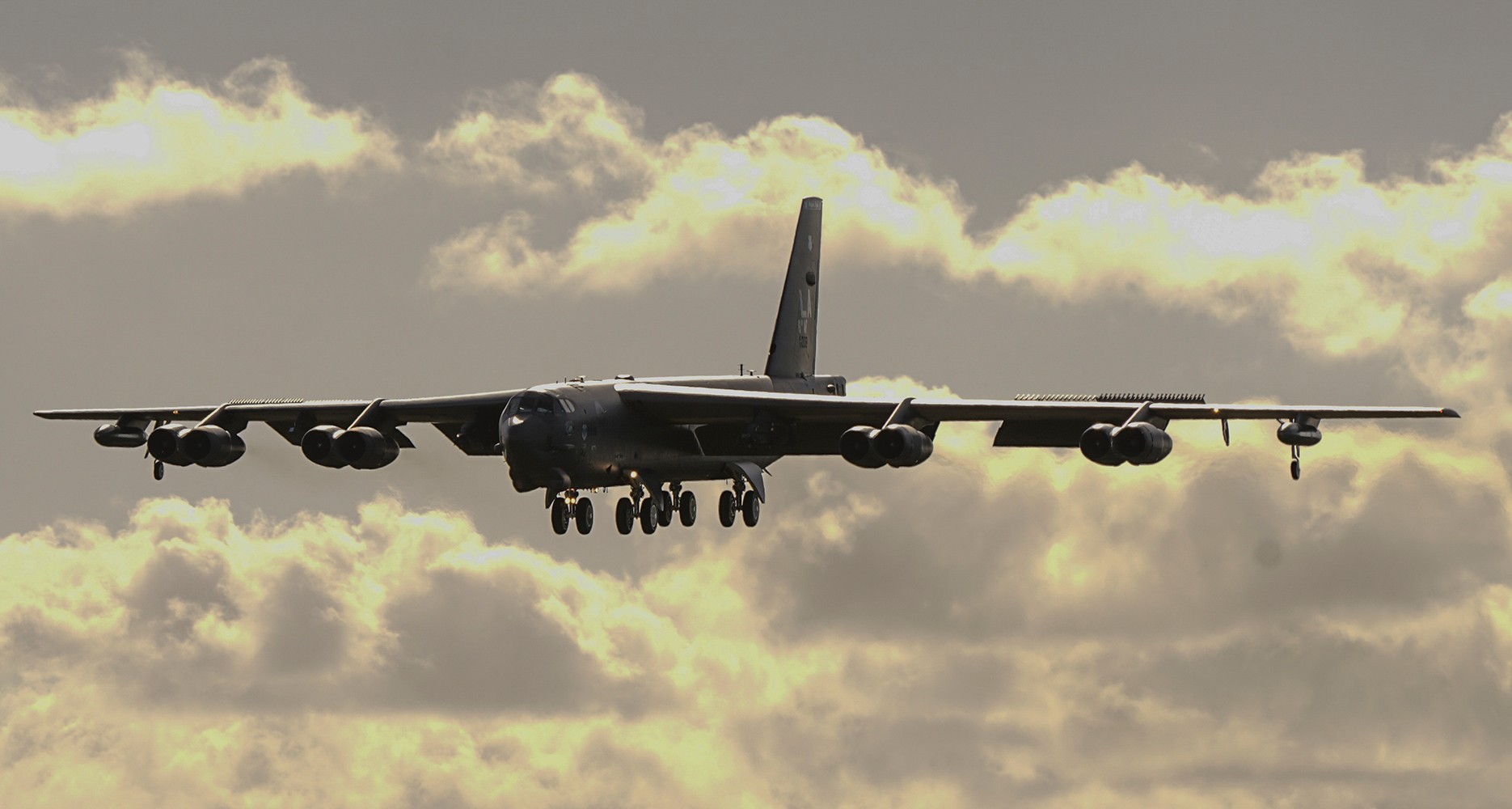
Americans may debate trade, tariffs, and troop deployments, but they agree that more nuclear weapons make the world less secure.
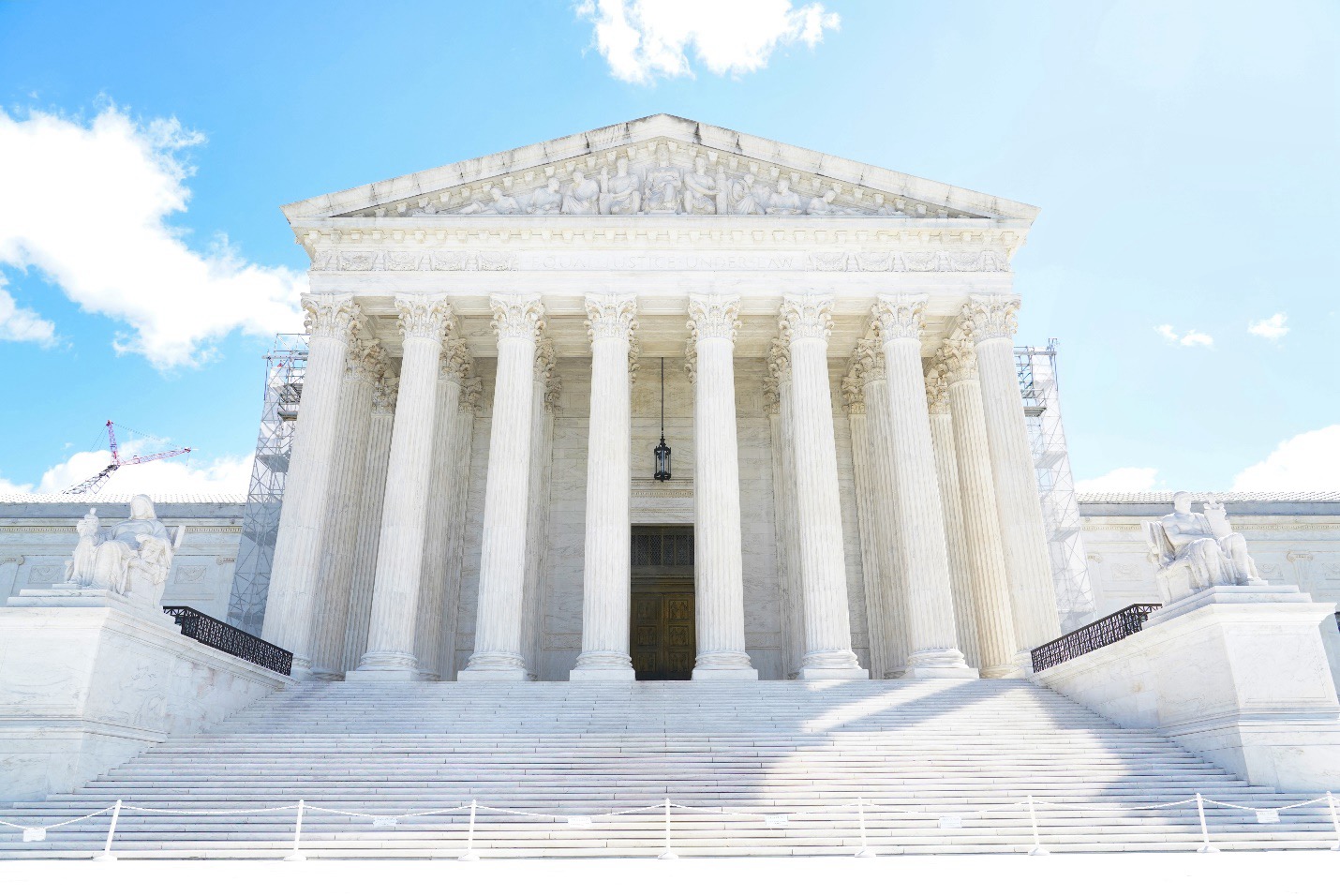
If the court upholds the use of IEEPA to impose broad tariffs, it would fundamentally alter how U.S. trade policy is authorized and executed.
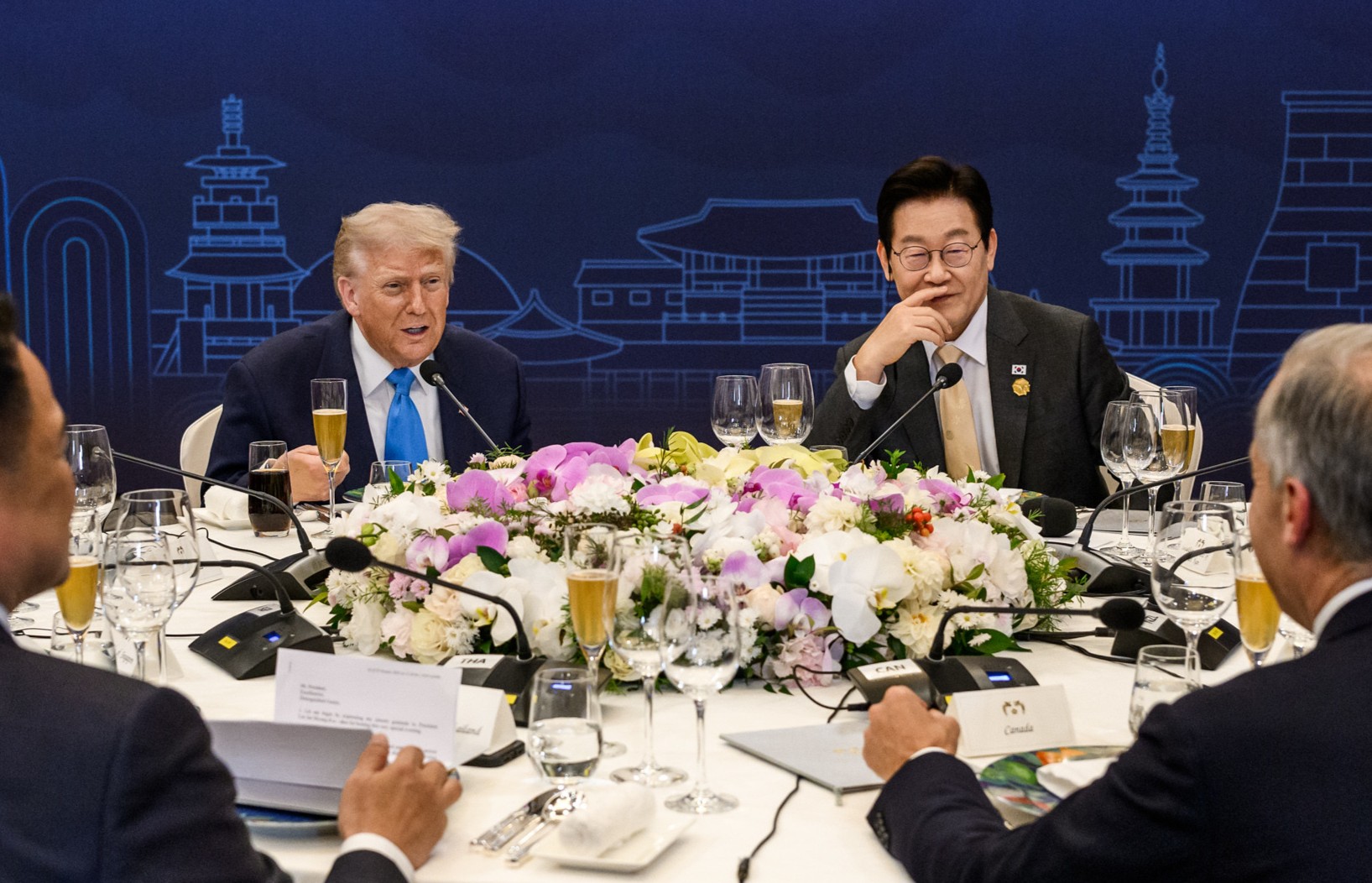
The full picture of the tariff and security negotiations may only become clear once the U.S. and Korea release mutual fact sheets or joint statements.
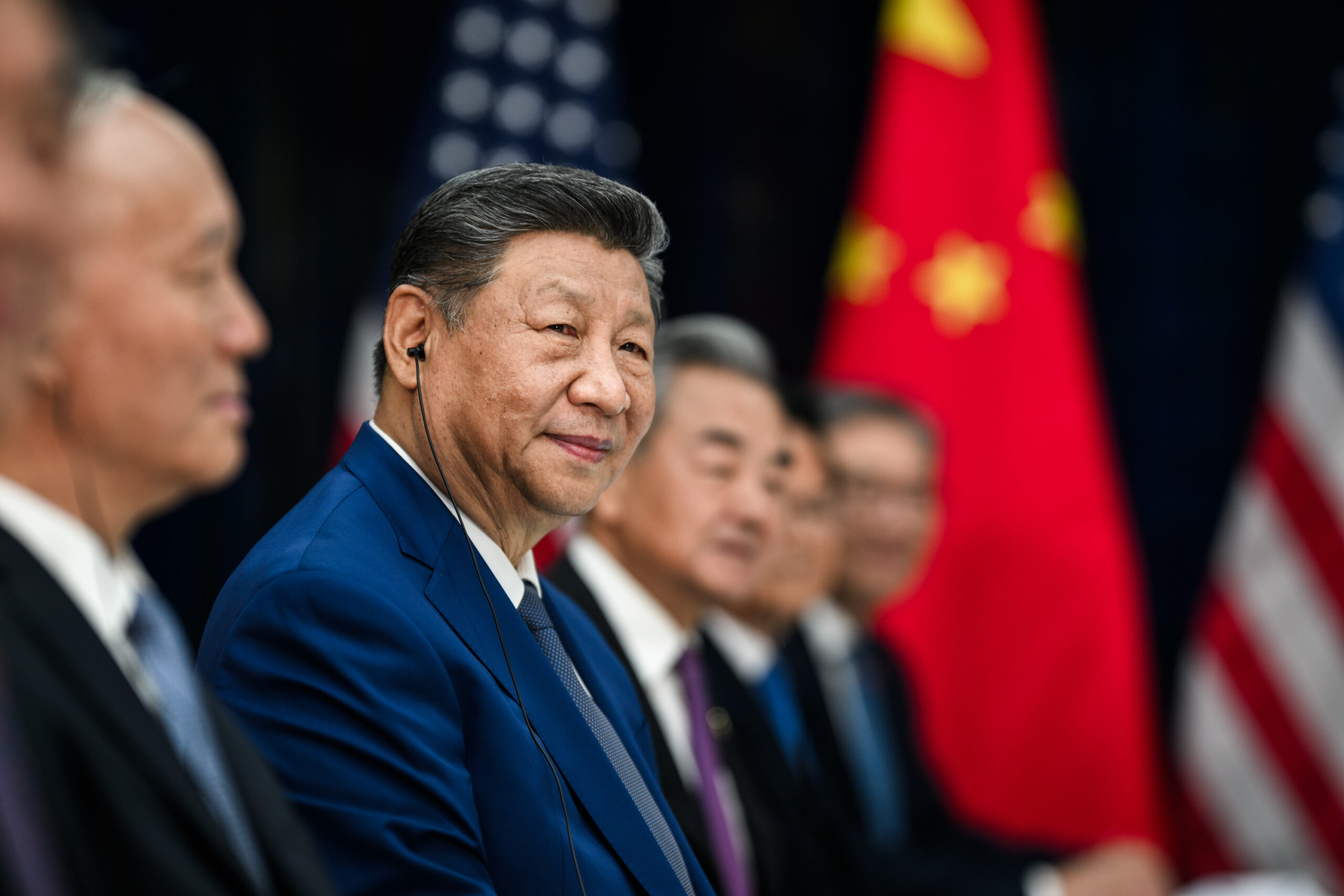
The regulatory risk and discrimination against foreign firms in China make the United States a relatively safer destination for Korean investment.
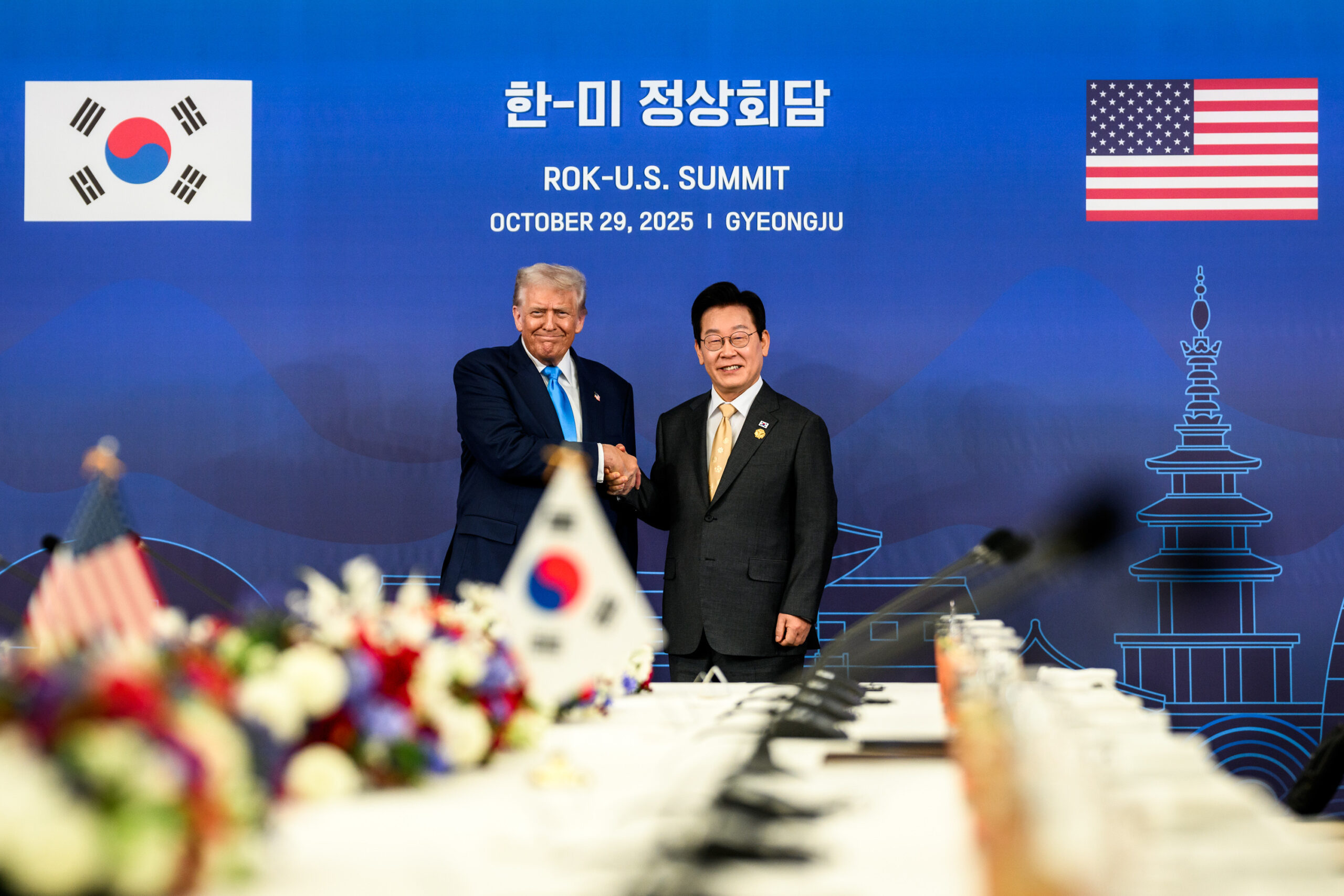
The deal is split between a $200 billion cash fund and another $150 billion in investment and loan guarantees meant to revitalize U.S. shipbuilding.