The 52-hour Work Week Comes Under Pressure From SMEs
With the small firms under economic pressure, the lawmakers look for space to roll back some of the promises made to employees on maximum working hours.

With the small firms under economic pressure, the lawmakers look for space to roll back some of the promises made to employees on maximum working hours.
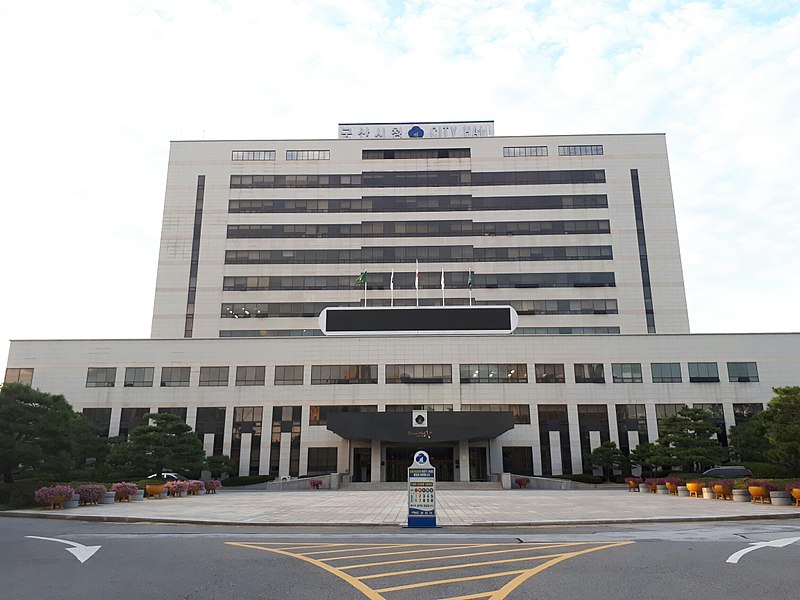
In response to fee increases by private food delivery apps, local governments are becoming direct participants in the service industry.

The coronavirus outbreak has afforded provincial governments an opportunity to further expand their fiscal toolkits and shape the local economy.
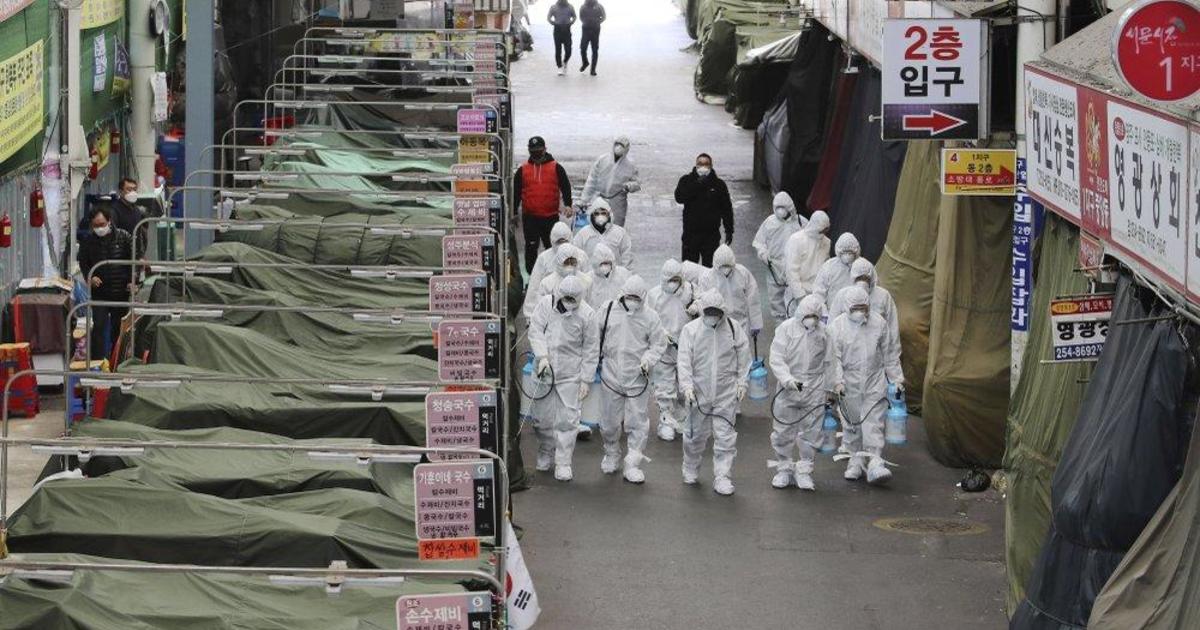
The response to the global pandemic has helped shift the narrative around small and medium enterprises, presenting them as more efficient exporters than their larger peers.
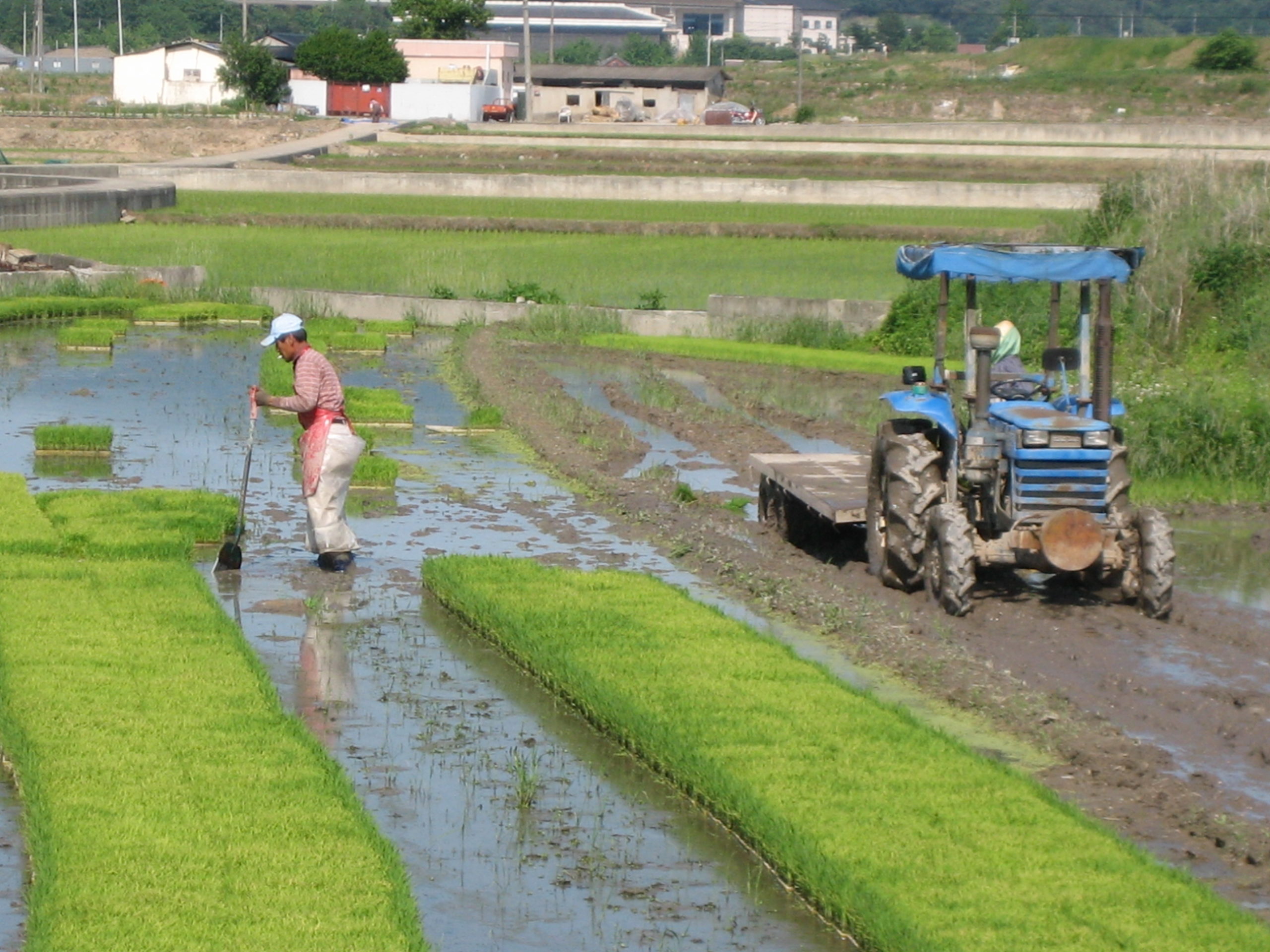
Travel restrictions that were imposed to contain the ongoing pandemic revealed how reliant South Korea’s agriculture industry is on foreign labor.
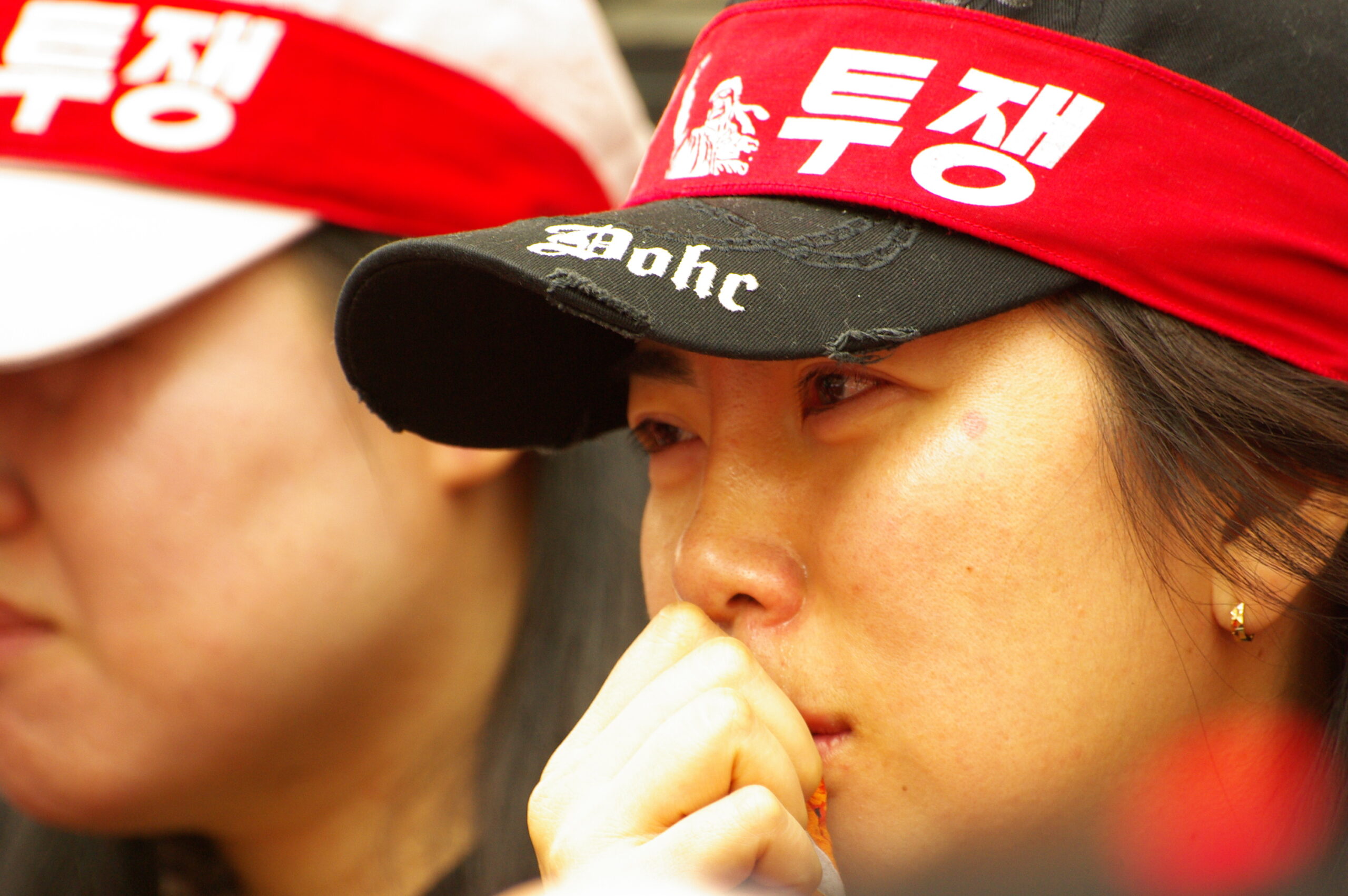
Coronavirus is changing the labor-management relationship in major Korean retail companies as public policy focus turns to minimizing the economic fallout of the epidemic.
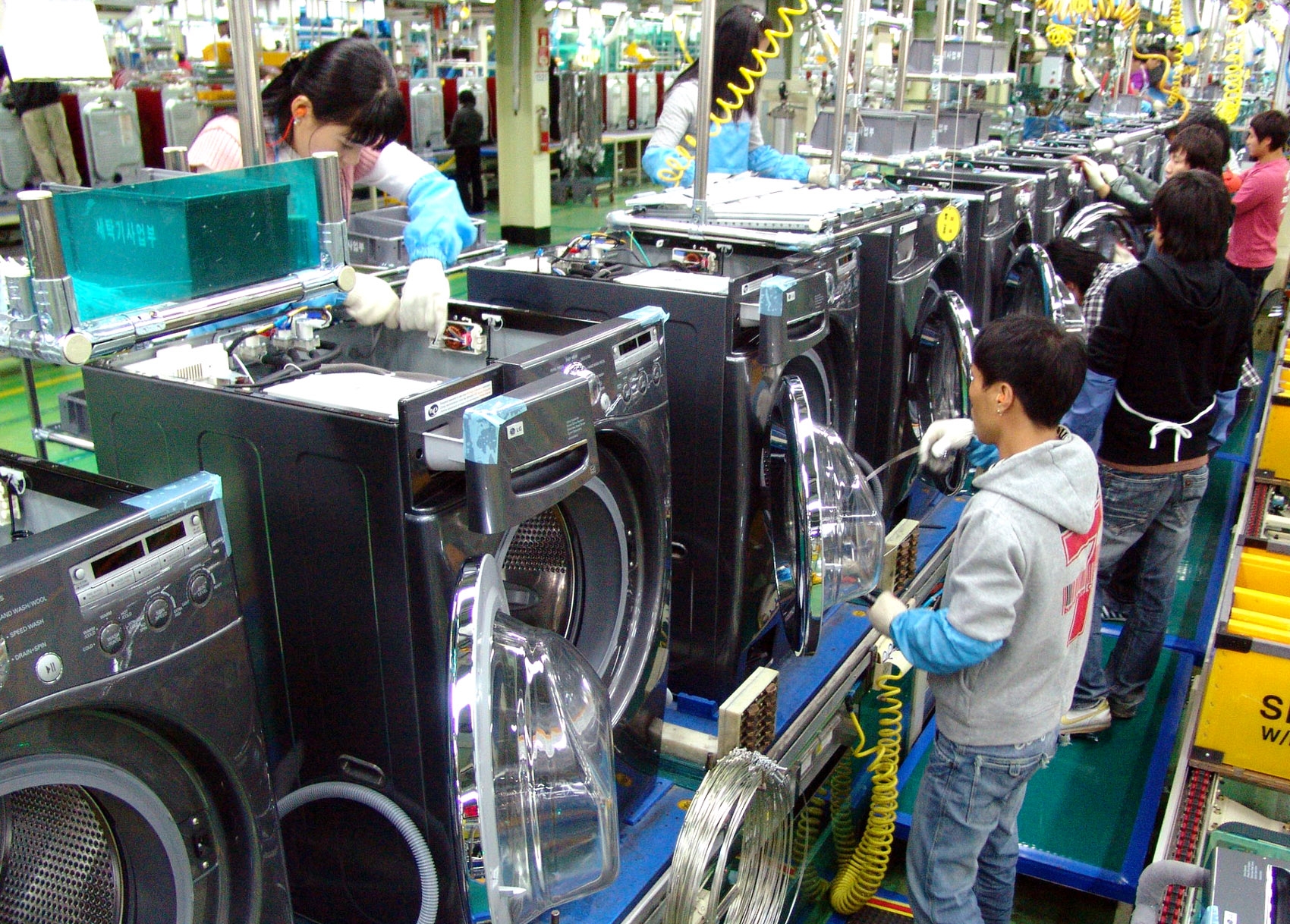
Economic uncertainties created by the coronavirus revealed that skilled workers in the manufacturing sector face more risks than other groups in the labor market.

Gender equality in South Korea is showing some improvements, nudged on by increasingly progressive laws on issues such as male parental leave and female labor participation.
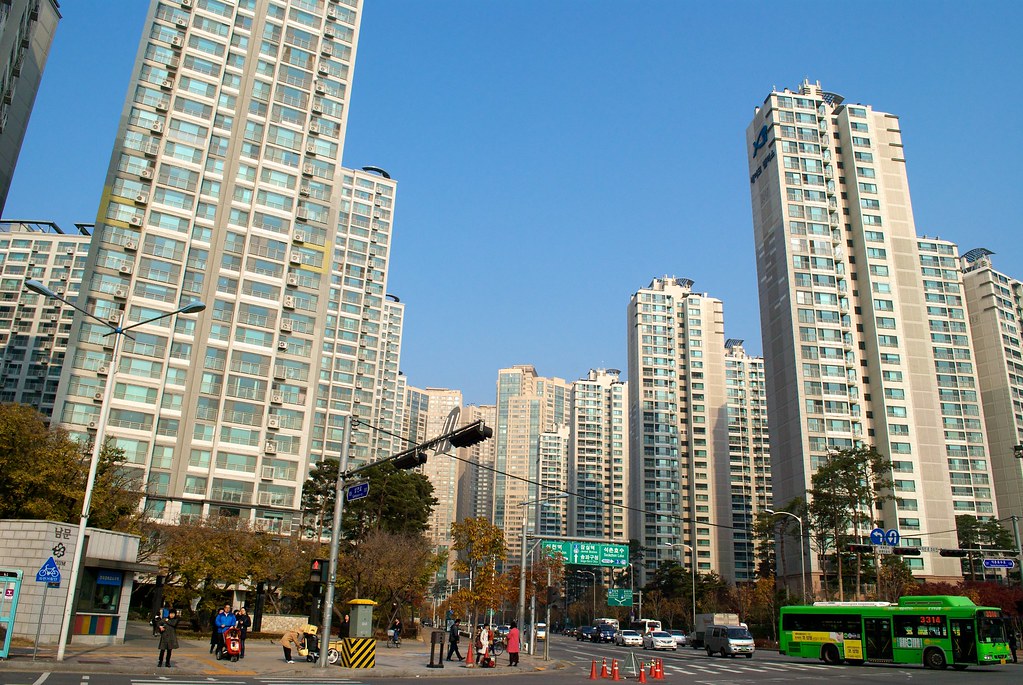
The government’s focus on attracting media cooperation reveals the administration’s belief that previous real estate policies had been scuttled by bad publicity.
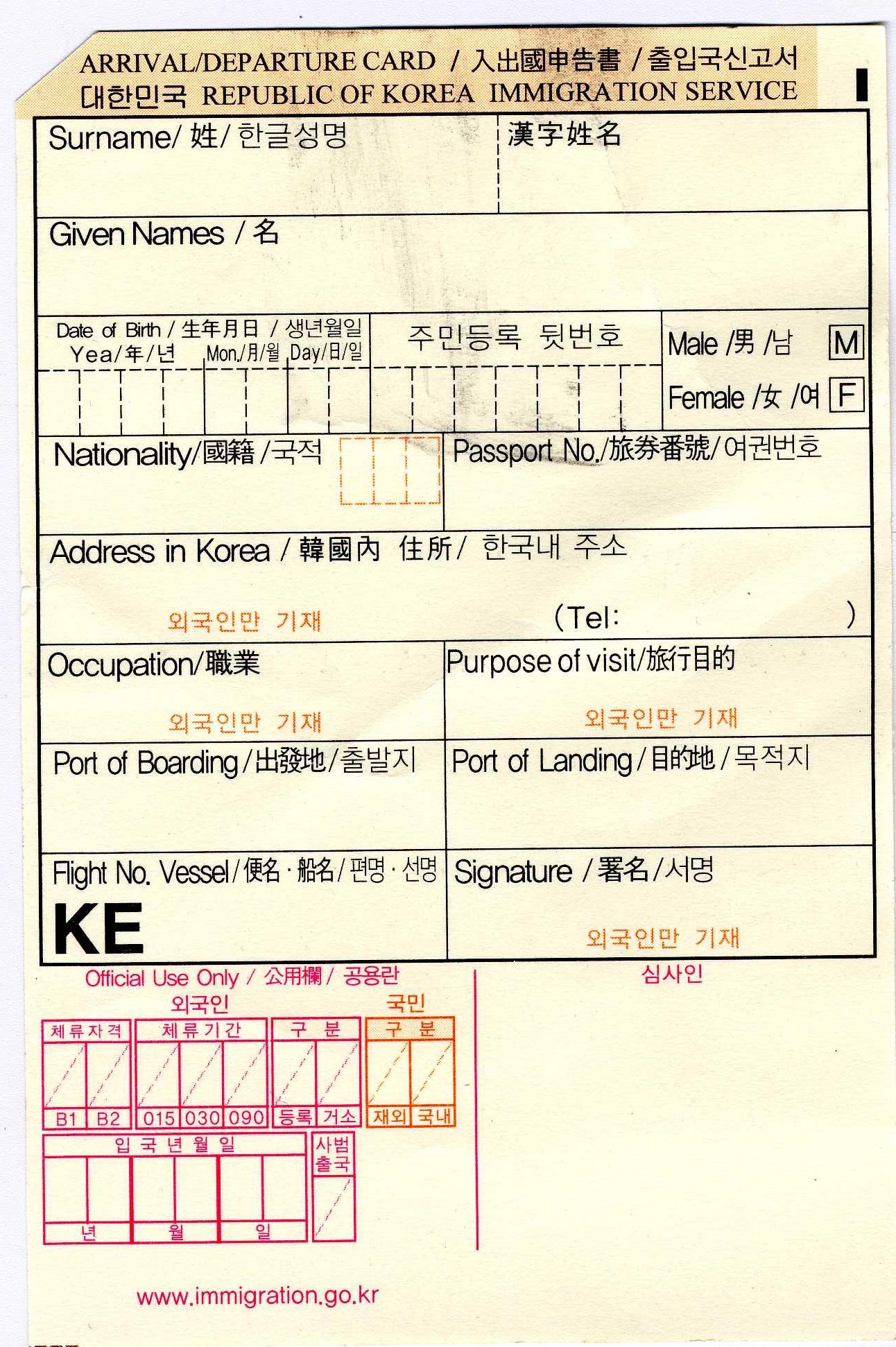
While recognizing the economic benefits of foreign workers, South Korea is still hesitant to take steps that would integrate immigrants into society.