Emerging 5G industry in South Korea amid the U.S.-China Trade Conflict
As the U.S. government monitors China’s advances in 5G, Huawei’s presence as a 5G vendor in South Korea has created a dilemma.

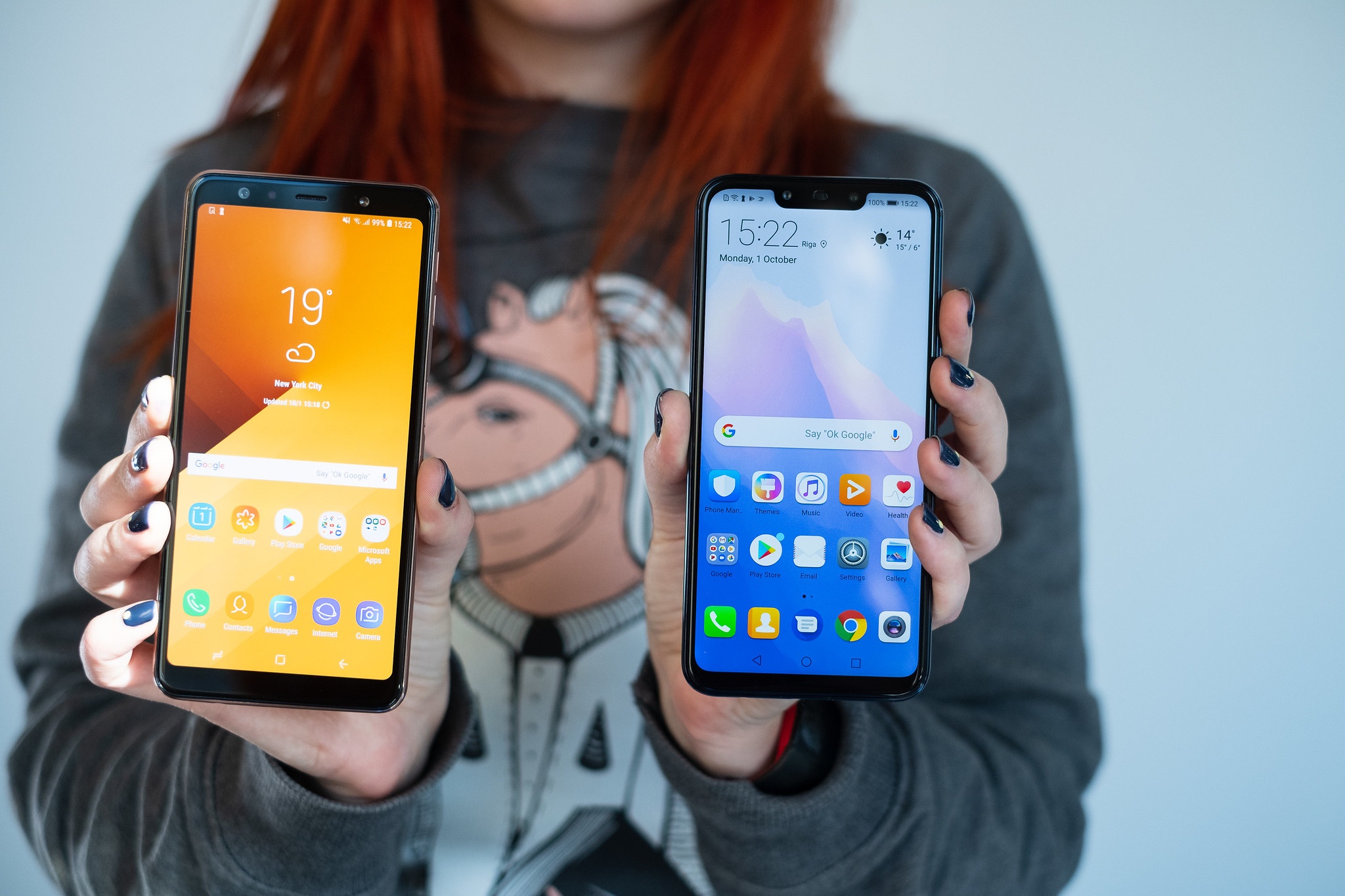
As the U.S. government monitors China’s advances in 5G, Huawei’s presence as a 5G vendor in South Korea has created a dilemma.
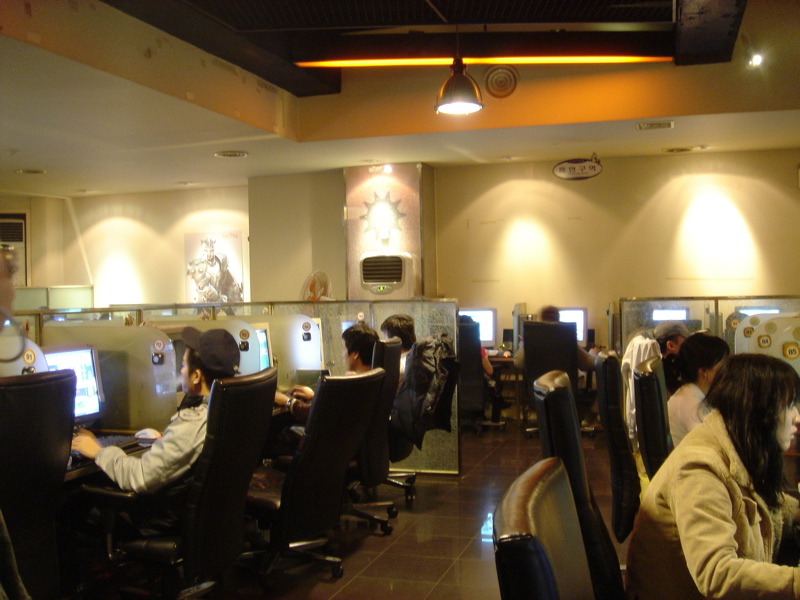
South Korea struggles to strike a balance between promoting an industry that has major growth potential and public health concerns outlined by the WHO.

Although the government promotes bio-health as a growth industry, the regulator’s warning to investors suggests t r y rket stability.
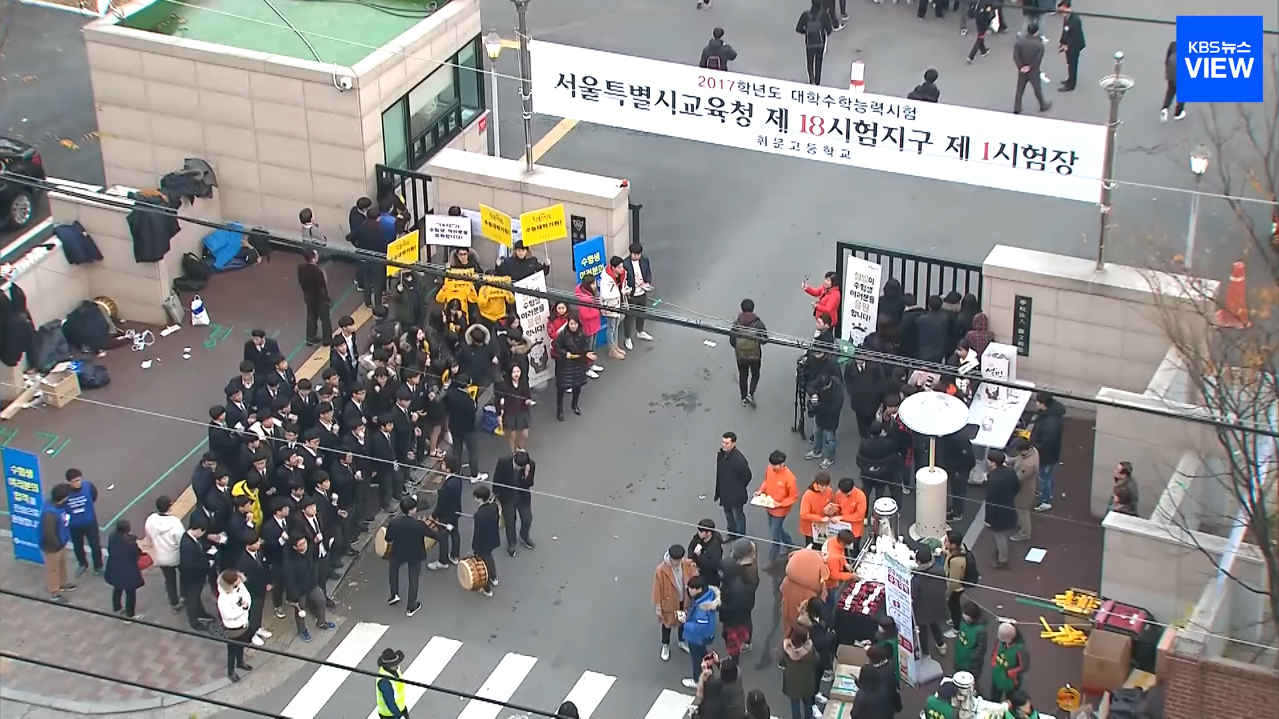
The modification of college admission standards may intensify the housing demands in wealthier neighborhoods and exacerbate wealth inequality.

South Korean government is under pressure to come up with a “win-win” solution that accommodates innovation and employment.
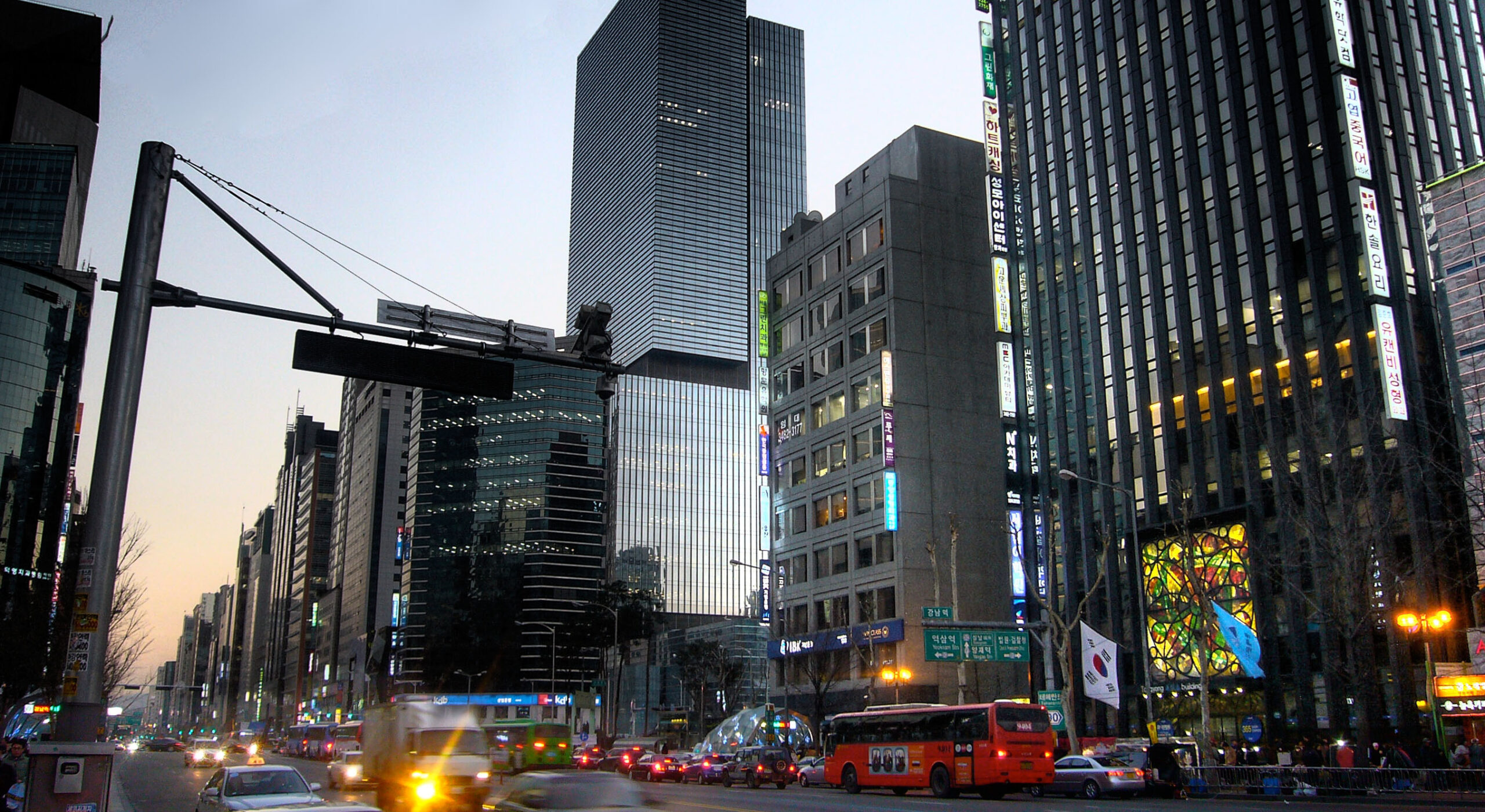
Despite its limits, the new anti-harassment law appears to be having a positive impact on South Korea’s workplace culture.
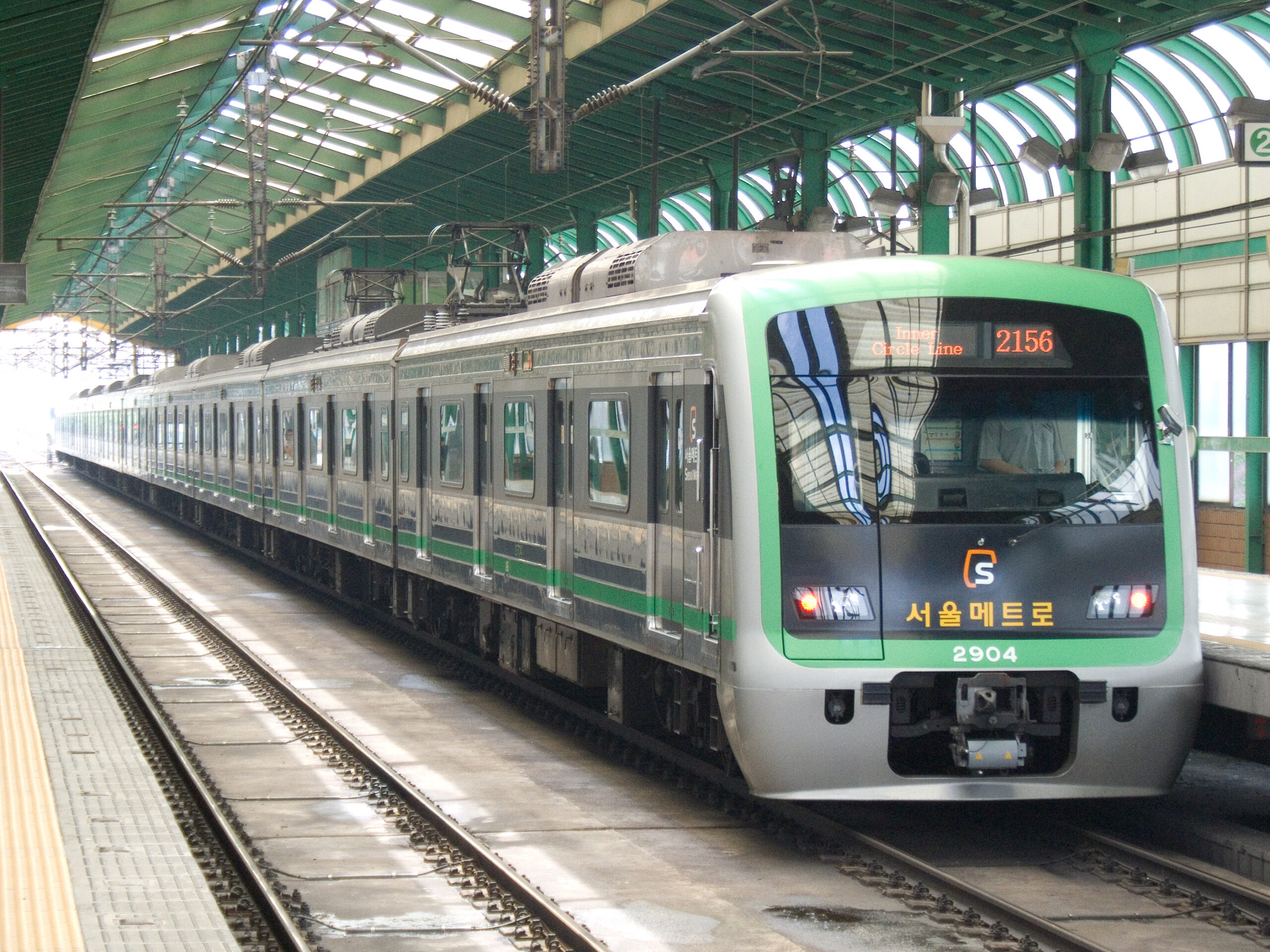
Laws requiring metro workers to minimize disruptions to public transportation during strikes are reflective of the adversarial environment facing unions.
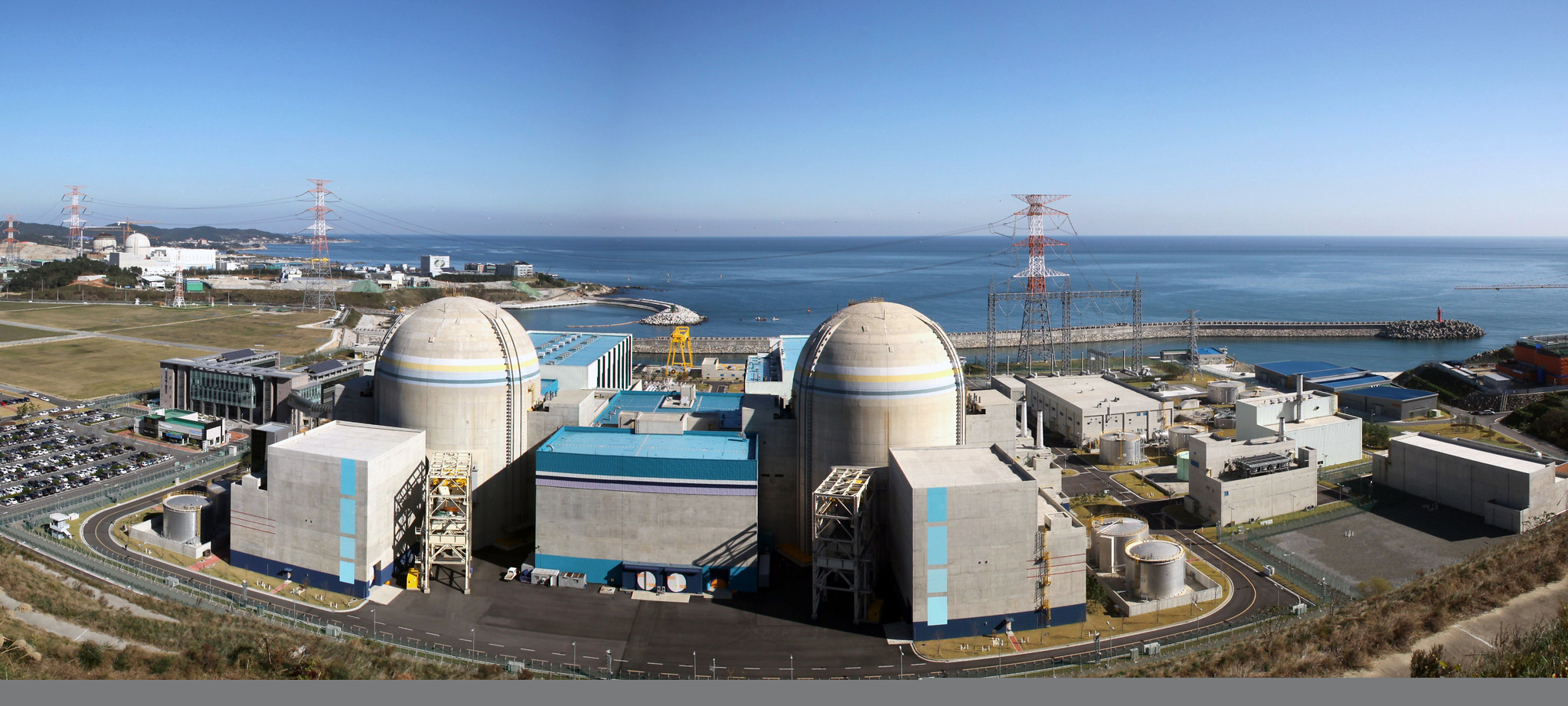
Lucrative fossil fuel projects and lingering domestic concerns around nuclear power pose challenges for Seoul’s ecological aspirations
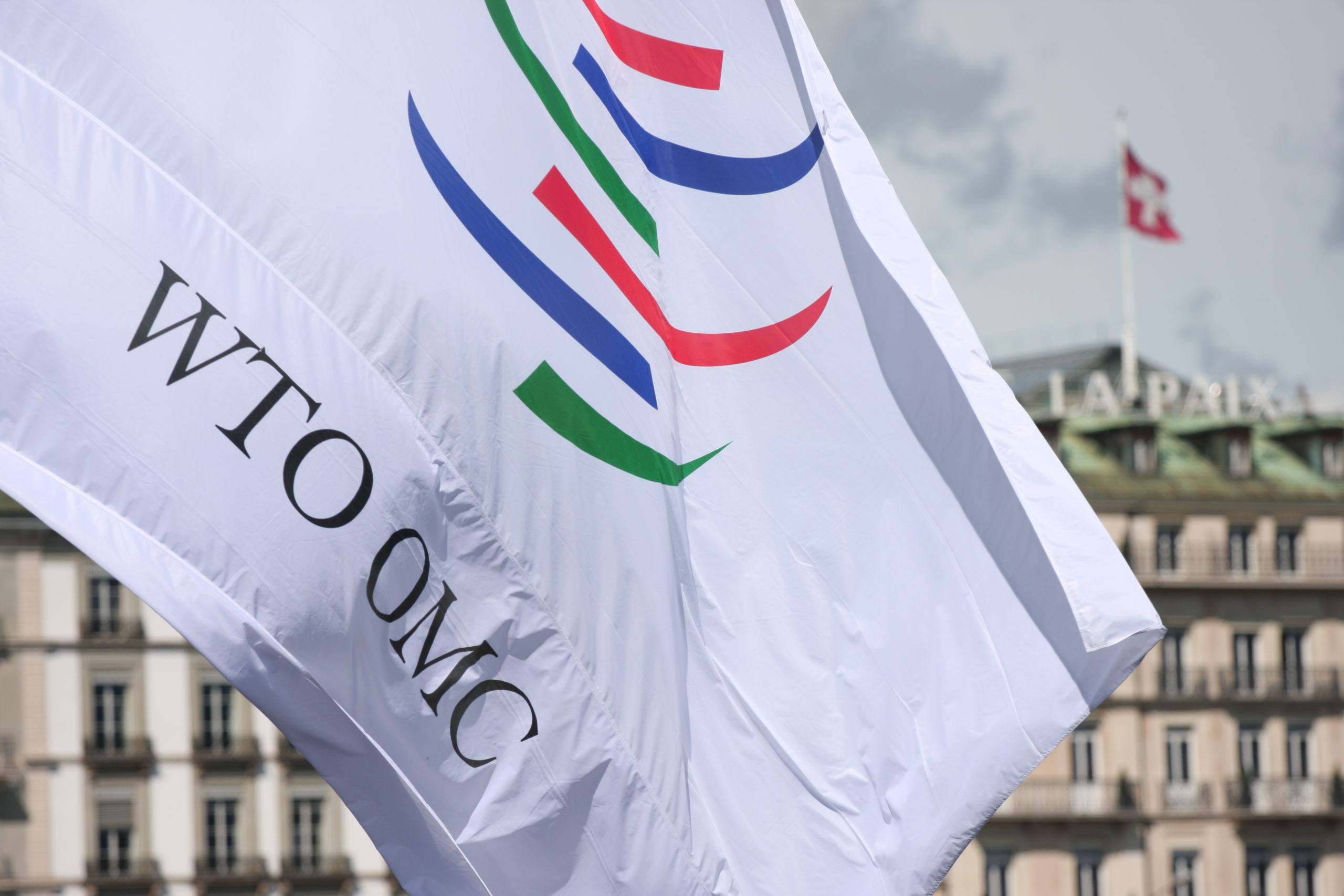
U.S. demand that Korea change its status in the World Trade Organization will test the Moon administration’s political capacity to appease the U.S. government.
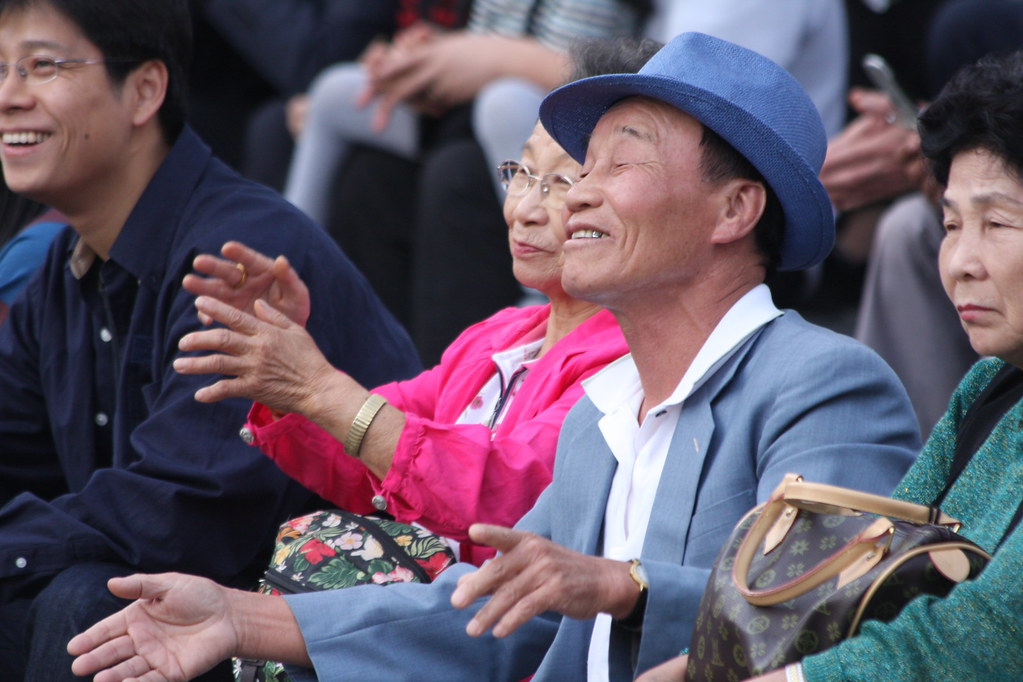
Consequences of an aging population lurk beneath the calm surface of low unemployment rates and the government’s healthy fiscal position.