South Korea’s Policy Progress from APEC 2025
APEC 2025 delivered the most consequential economic and diplomatic activity Korea has seen in years.

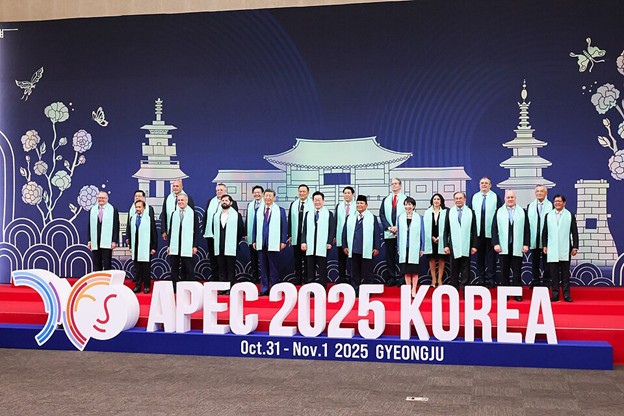
APEC 2025 delivered the most consequential economic and diplomatic activity Korea has seen in years.

The lesson for Korea is that the outcome of the IEEPA case will not have a significant impact on future trade deals.

The document lays out the initial rules of the road, revealing both where the two governments are aligned and where future negotiations will be essential.
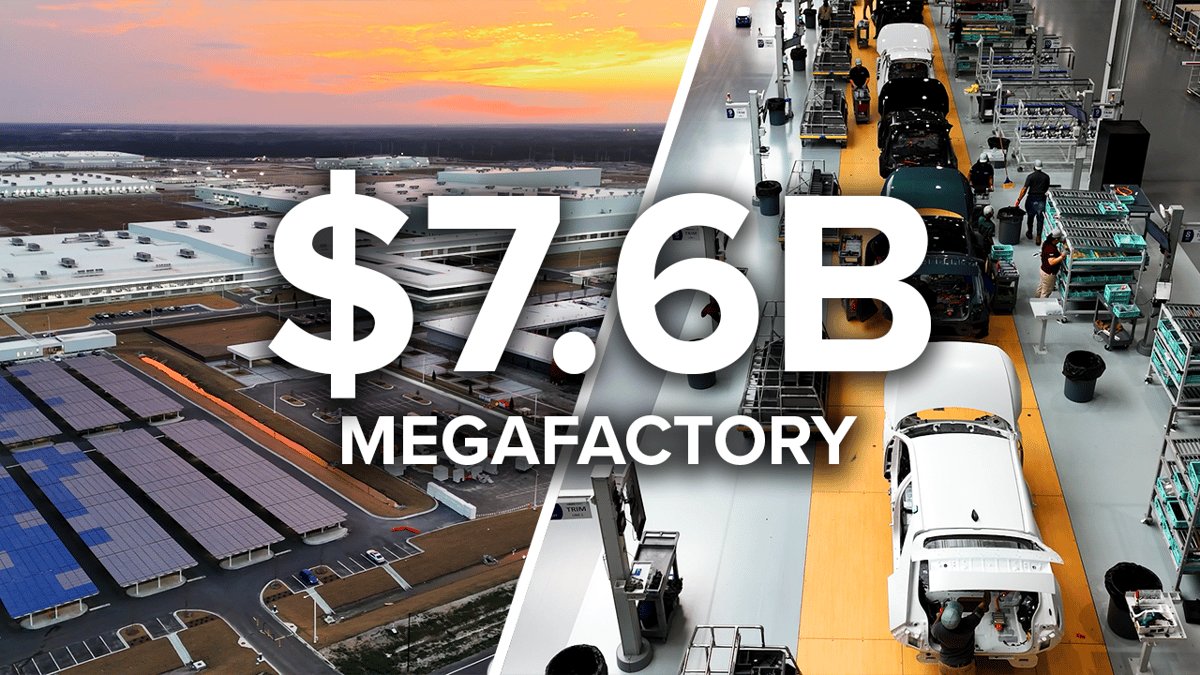
Explore how Hyundai’s $7.6B Metaplant is driving jobs, suppliers, and clean-energy growth across the state of Georgia.

If the court upholds the use of IEEPA to impose broad tariffs, it would fundamentally alter how U.S. trade policy is authorized and executed.
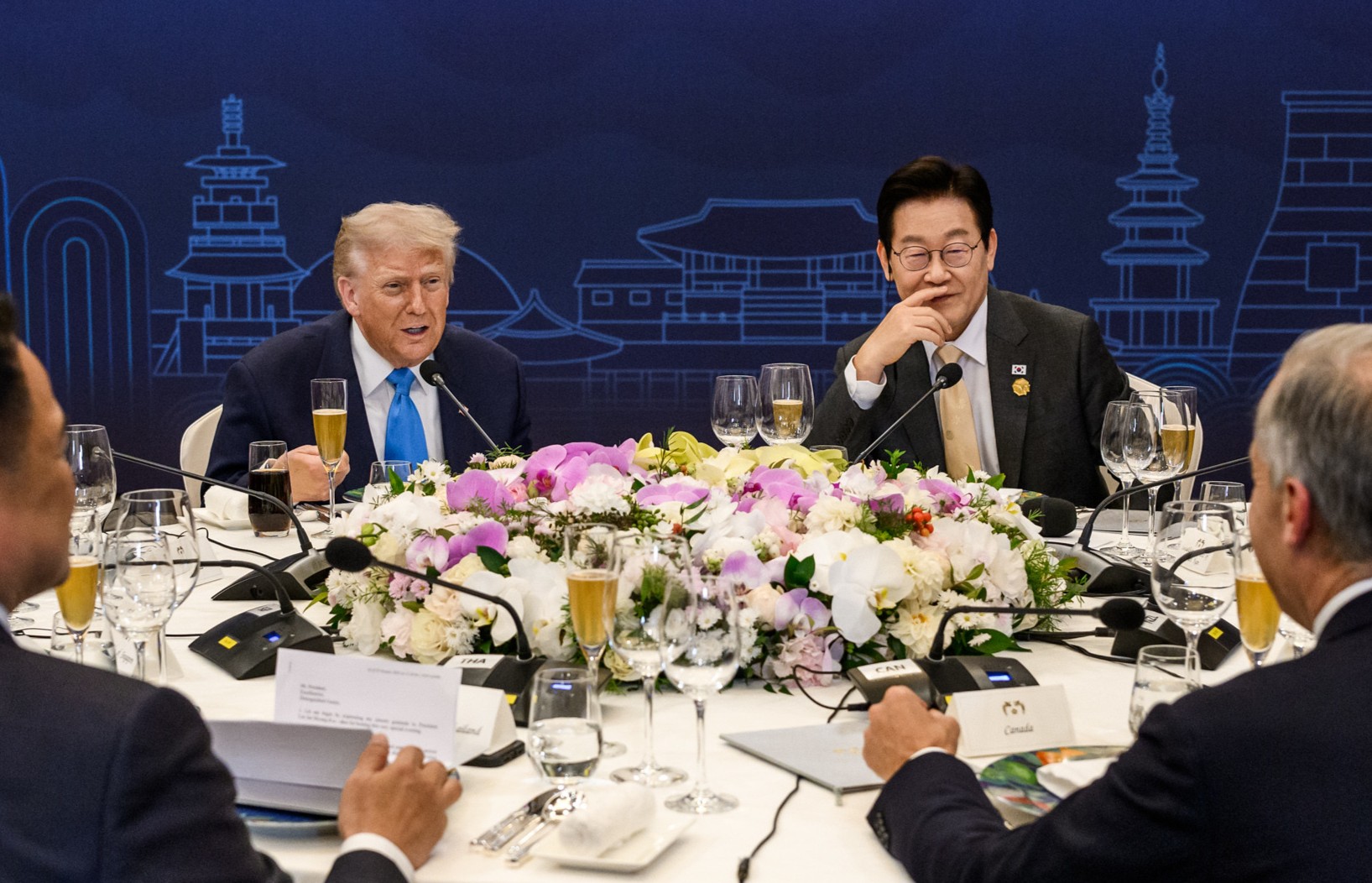
The full picture of the tariff and security negotiations may only become clear once the U.S. and Korea release mutual fact sheets or joint statements.
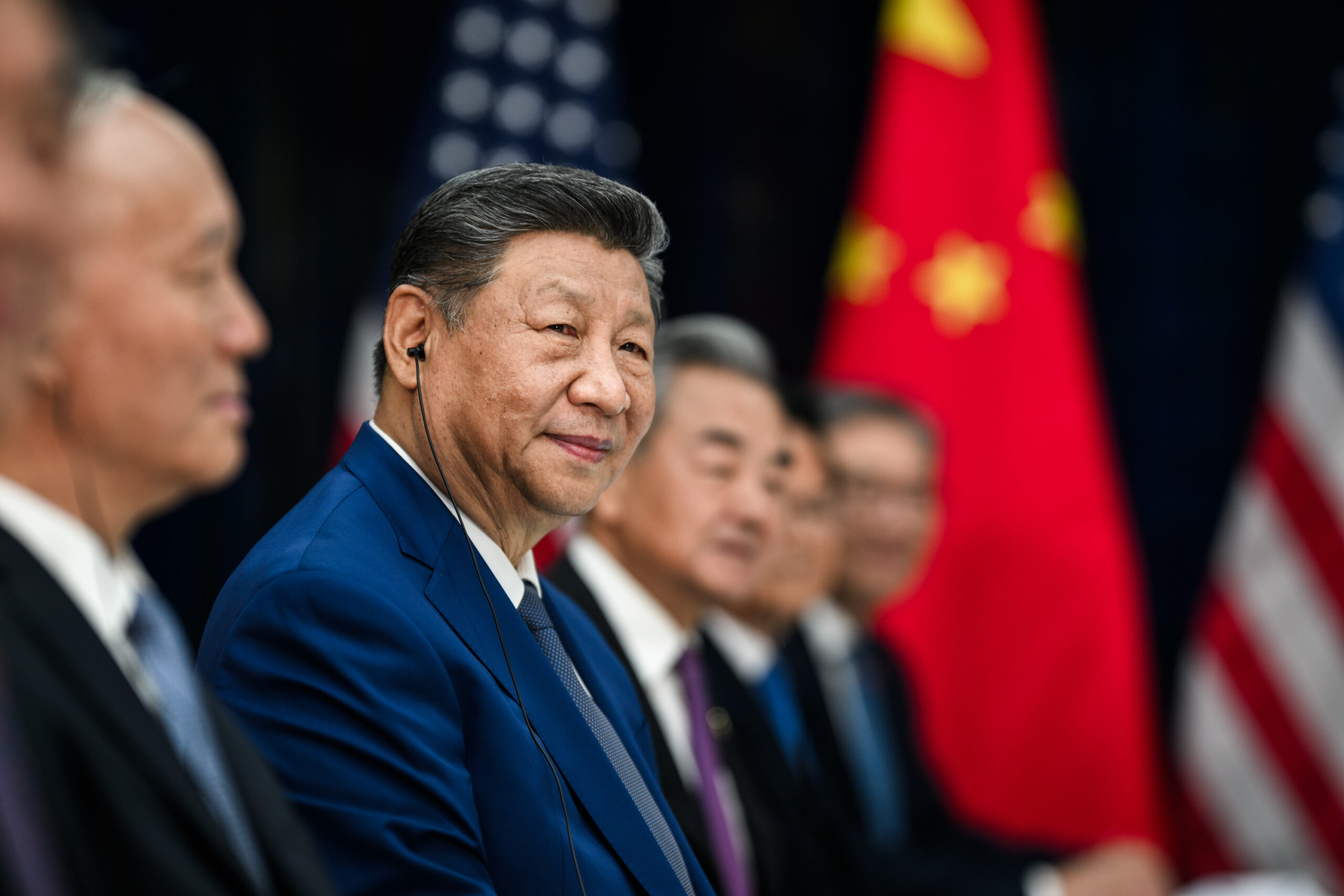
The regulatory risk and discrimination against foreign firms in China make the United States a relatively safer destination for Korean investment.
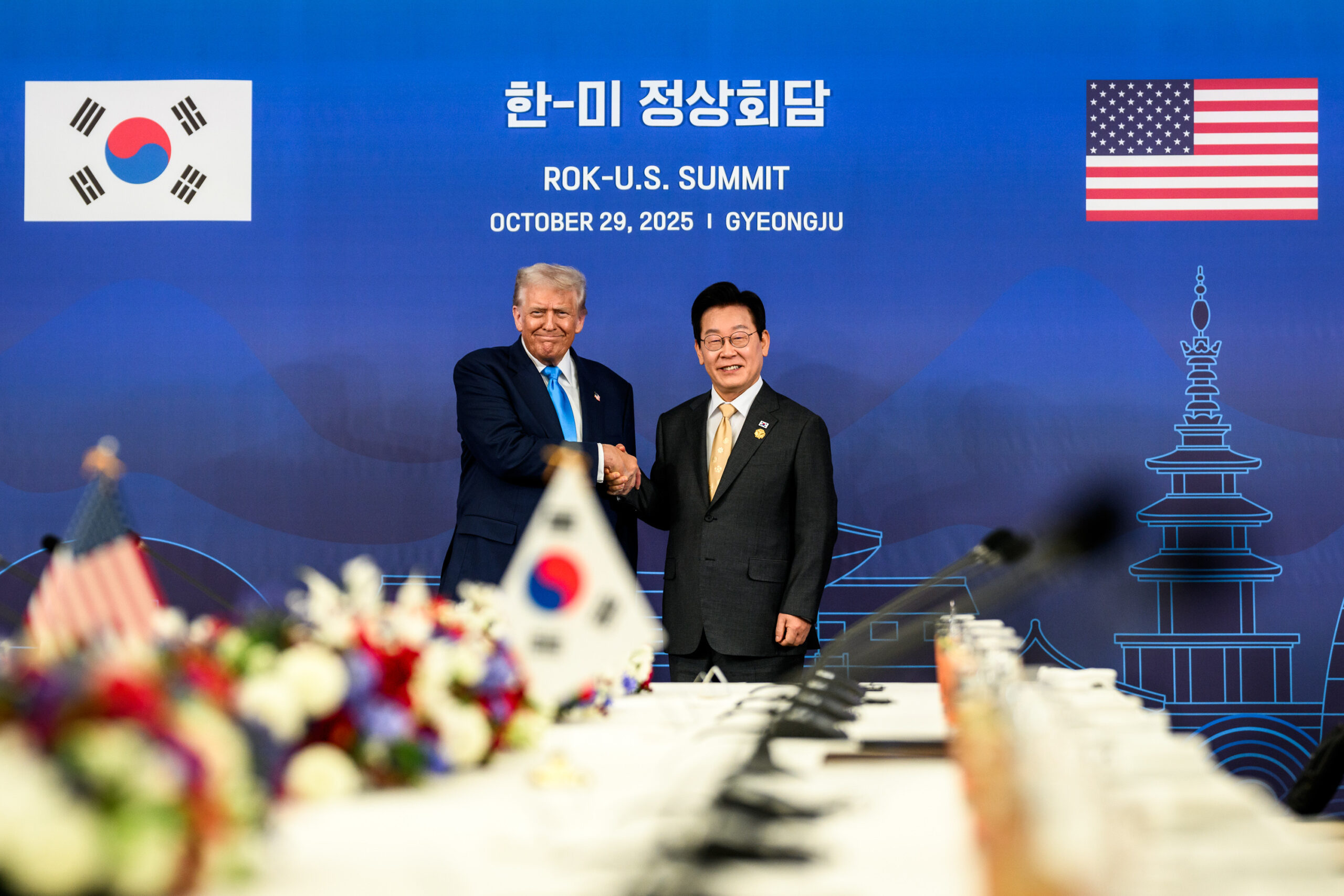
The deal is split between a $200 billion cash fund and another $150 billion in investment and loan guarantees meant to revitalize U.S. shipbuilding.

Korea can transform digital trade negotiations from a defensive exercise into a proactive strategy for advancing technological leadership.

Korea’s dominance in high bandwidth memory (HBM) chips presents an opportunity and strategic imperative for cooperation with the United States.