Much Ado About Tariffs? Implications of the Trump Tariffs for South Korea
A trade deal could have big upsides for the defense industry, nuclear tech, energy, semiconductors, EVs, robotics, and AI


A trade deal could have big upsides for the defense industry, nuclear tech, energy, semiconductors, EVs, robotics, and AI

Korean companies find themselves confronting a familiar yet pressing dilemma: how to convert mounting pressure into a strategic opportunity.

The U.S. needs ships, and the ROK is a major manufacturer of them, which makes it natural that the two allies would partner on this issue.

U.S. development cooperation with South Korea has reinforced shared values, strengthened civil society, and enhanced economic resilience.
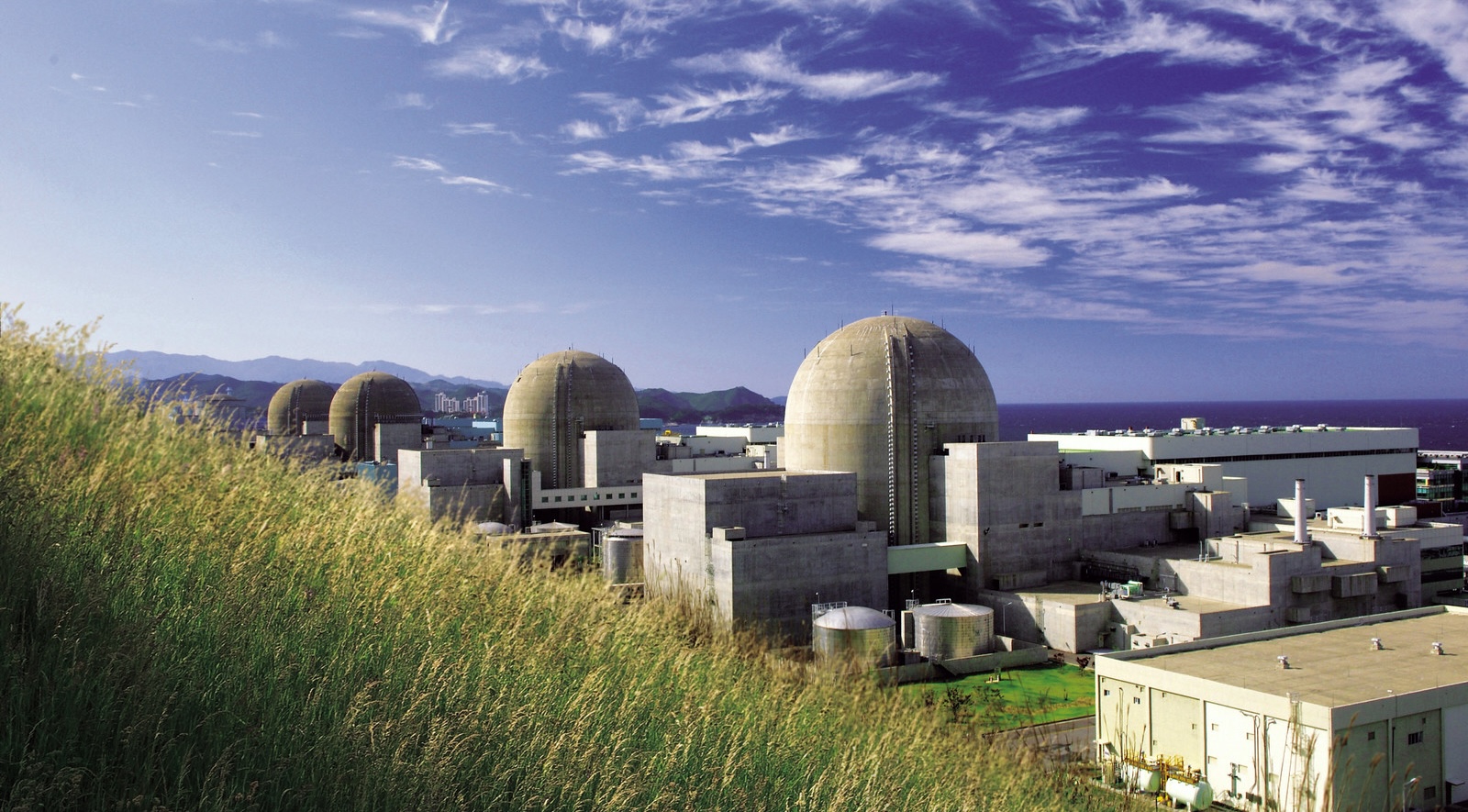
Anxiety about U.S. security commitments is opening conversations in Seoul about reprocessing spent fuel from power reactors to extract plutonium or enrich uranium

Trump’s tariff saber-rattling is an opportunity to redefine the U.S.-South Korea relationship in a way that advances the national interest.

A return to decoupling could be the trend for the global economy under President Donald Trump’s second term.
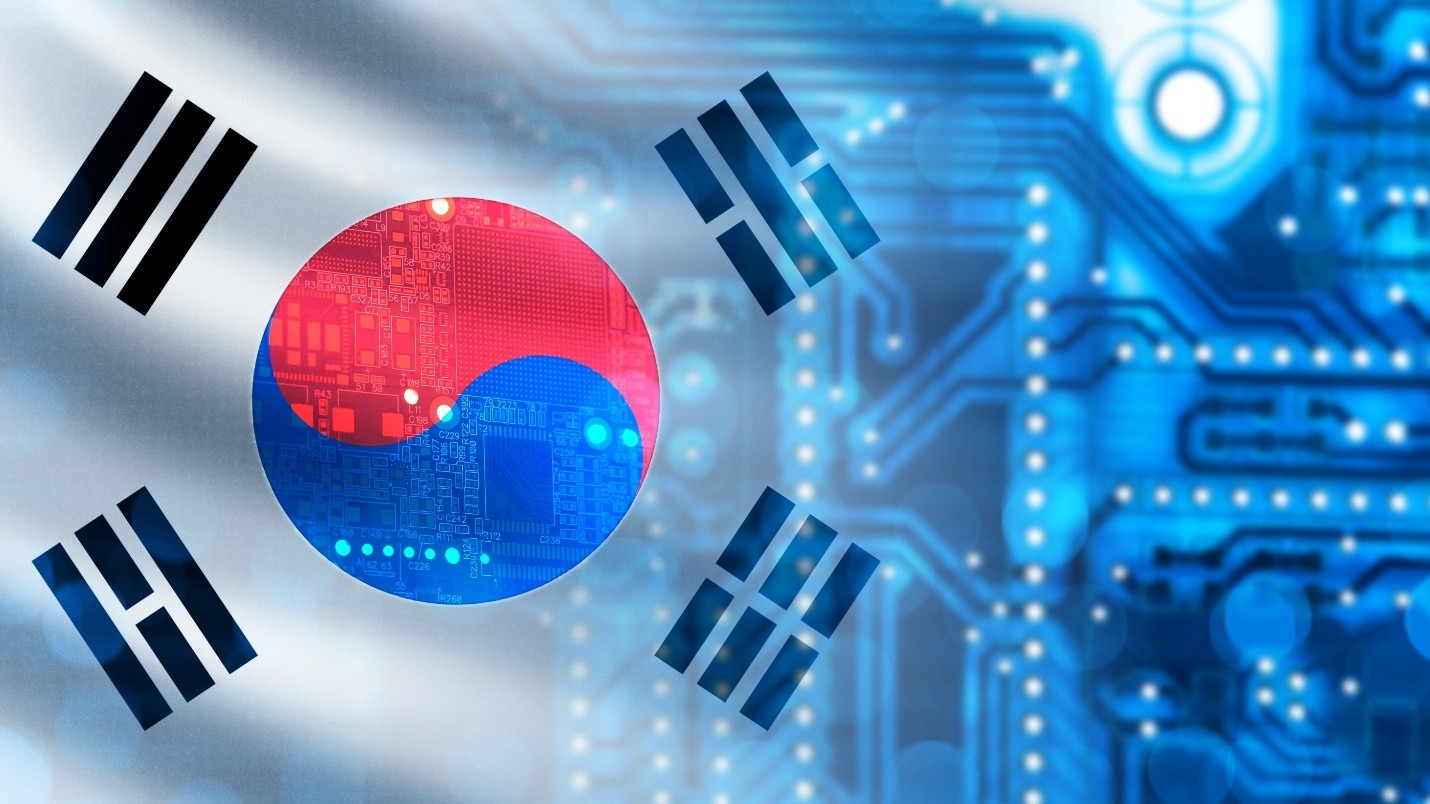
The United States and South Korea have established institutions to try and weather changes in administration. Measures like the US-Korea Supply Chain and Commercial Dialogue (SCCD), Senior Economic Dialogue, and the inauguration of the US-ROK Next Generation Critical and Emerging Technologies (CET) Dialogue all form part of a growing nexus of cooperation on shared issues between Washington and Seoul. Their continuation is necessary to promote bilateral partnership across all areas of the relationship. This will be key for the continued security of advanced technologies—made possible by the economic partnership between the United States and South Korea.

Donald Trump’s campaign position to implement tariffs of up to 10 percent echoes Richard Nixon’s enactment of a 10 percent tariff on all imported goods in 1971.
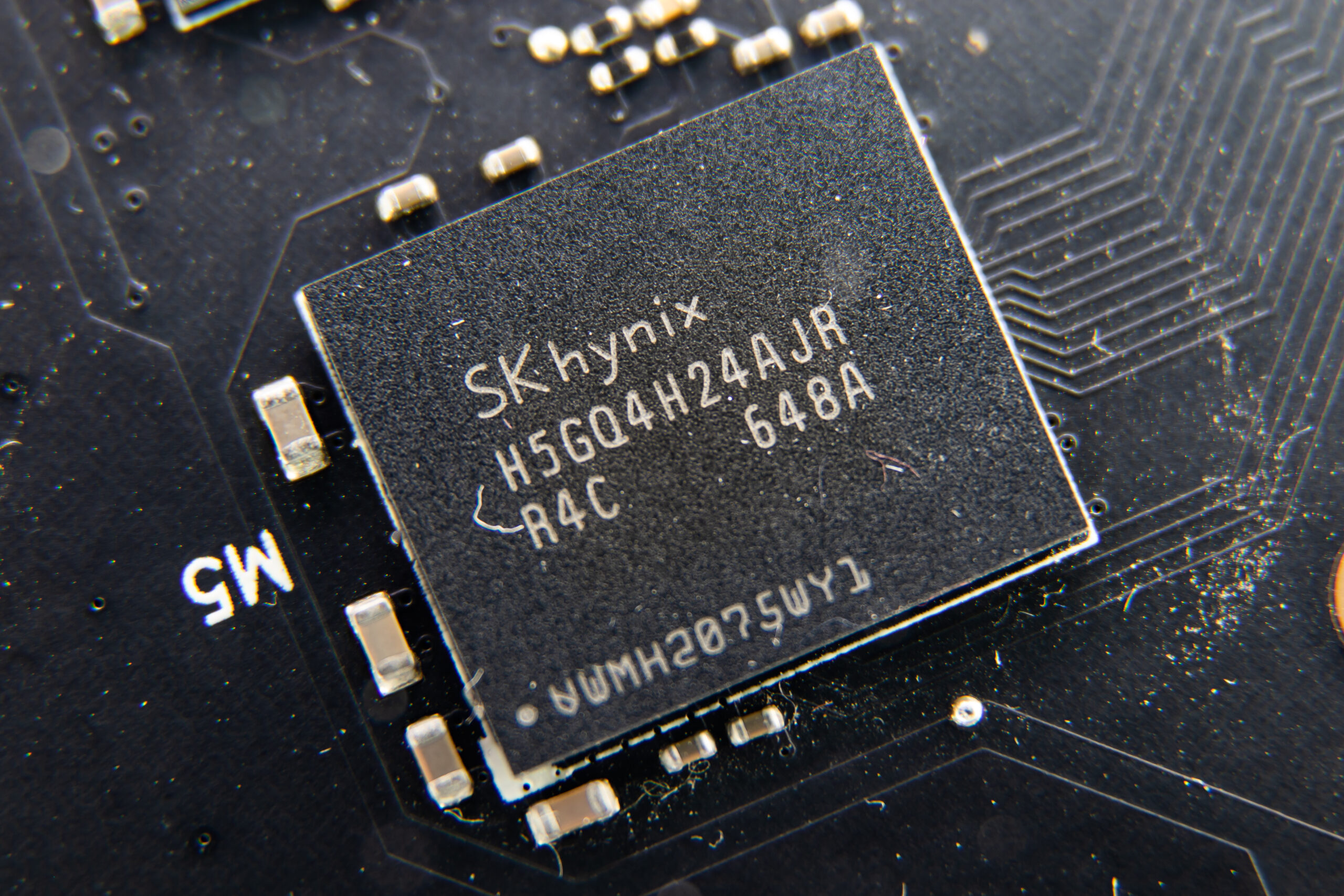
South Korean chipmaker SK Hynix succeeded in developing a 10-nanometer transistor process for 16 GB Double Data Rate 5 dynamic random-access memory (DRAM) chips, representing a significant development for the power of compute.