What to Make of North Korea’s Fastest Economic Growth Since 2016
The North Korean economy grew 3.7 percent in 2024, its fastest pace since 2016, according to estimates by South Korea’s central bank.

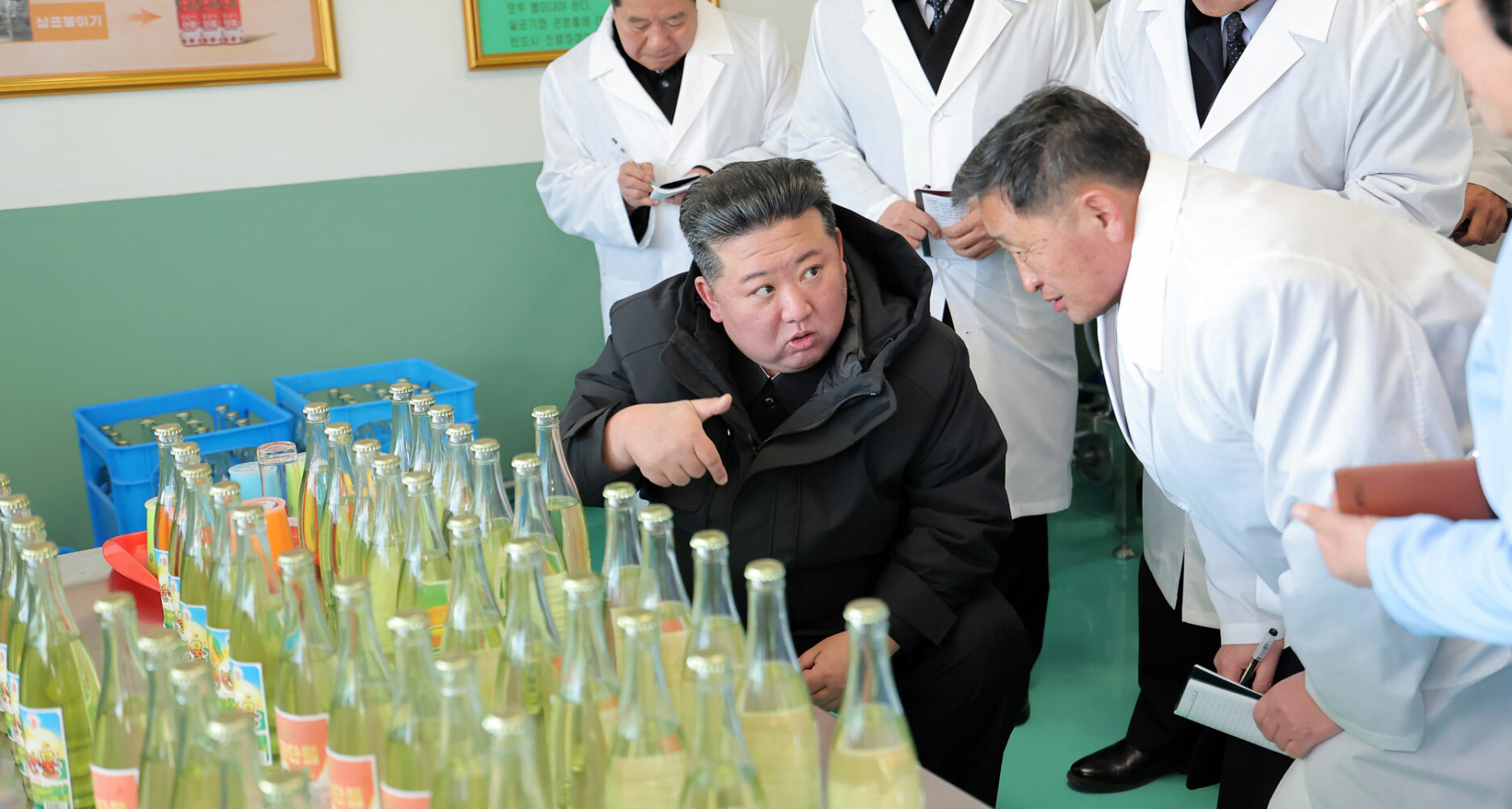
The North Korean economy grew 3.7 percent in 2024, its fastest pace since 2016, according to estimates by South Korea’s central bank.
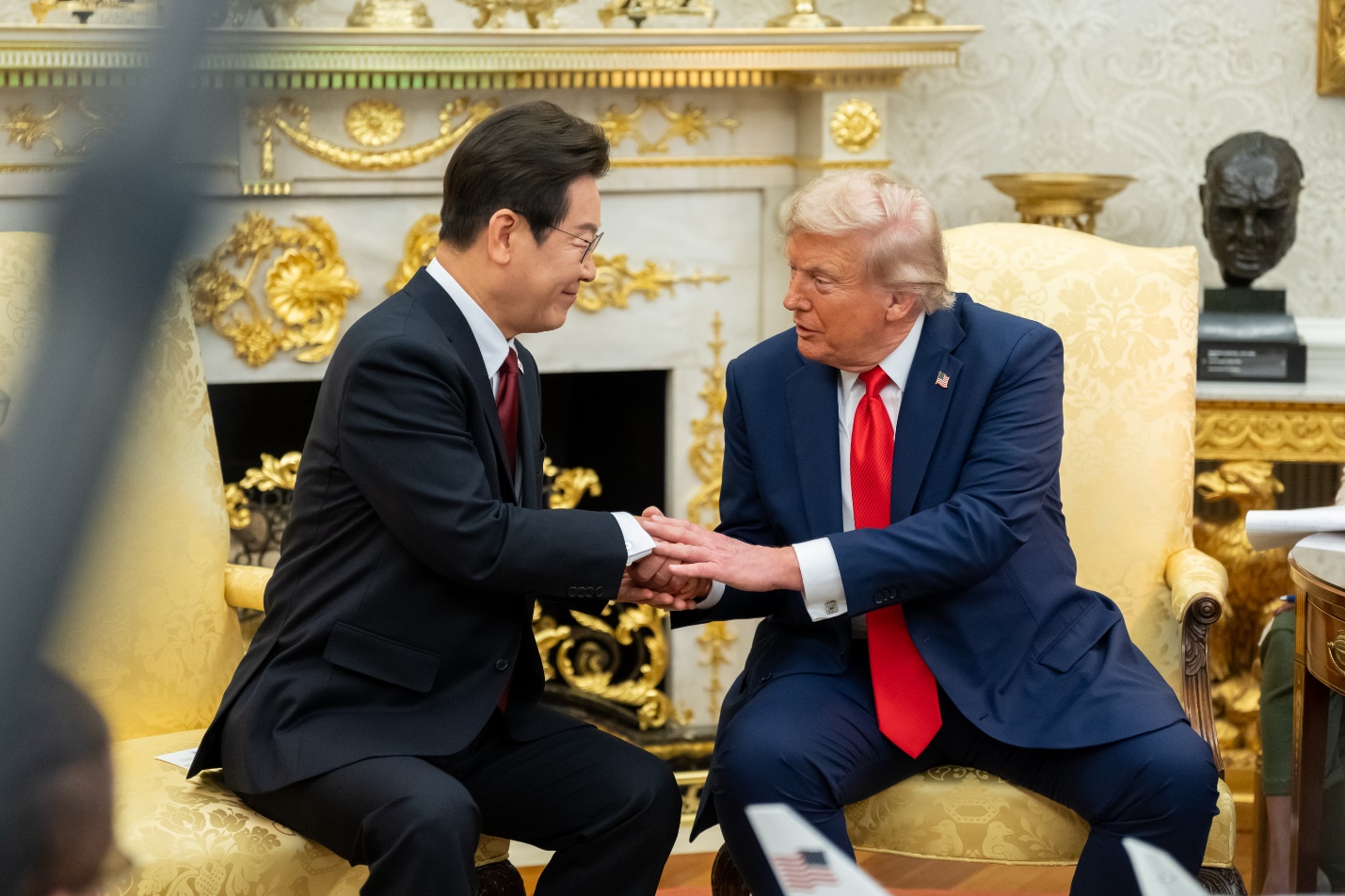
Despite the positive direction of their first in-person meeting, Presidents Trump and Lee still appear to have a lot to finalize on trade.
If Washington wants the strategic benefits that come with Korean FDI, it will need to align immigration policy with the industrial strategy it has chosen.
The Trump administration’s AI action plan appears to be a whole-of-government effort to accelerate the growth and proliferation of U.S. AI technology.
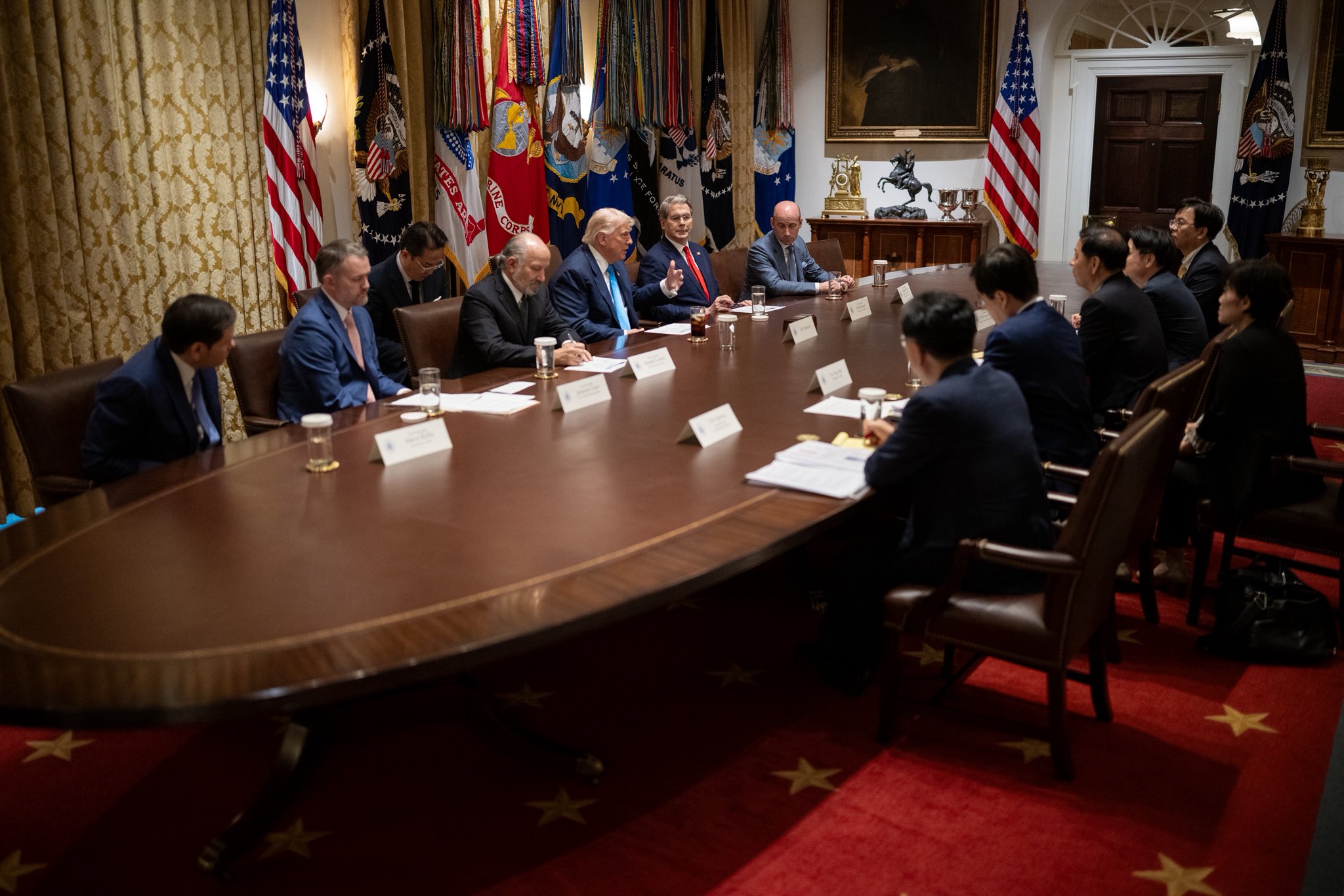
The U.S. and South Korean economies rebounded faster than expected in the second quarter this year, and the outlook for the remainder of 2025 is cautiously optimistic.
Reaching such a deal before August 1 allows Korea to compete with trading partners such as the European Union and Japan on a level playing field.

Agreements shed some light on what a realistic deal with South Korea may look like, but also what South Korea may have to contend with.
The U.S. and South Korean governments appear committed to following other countries like the United Kingdom, Indonesia, and Japan in making a deal.
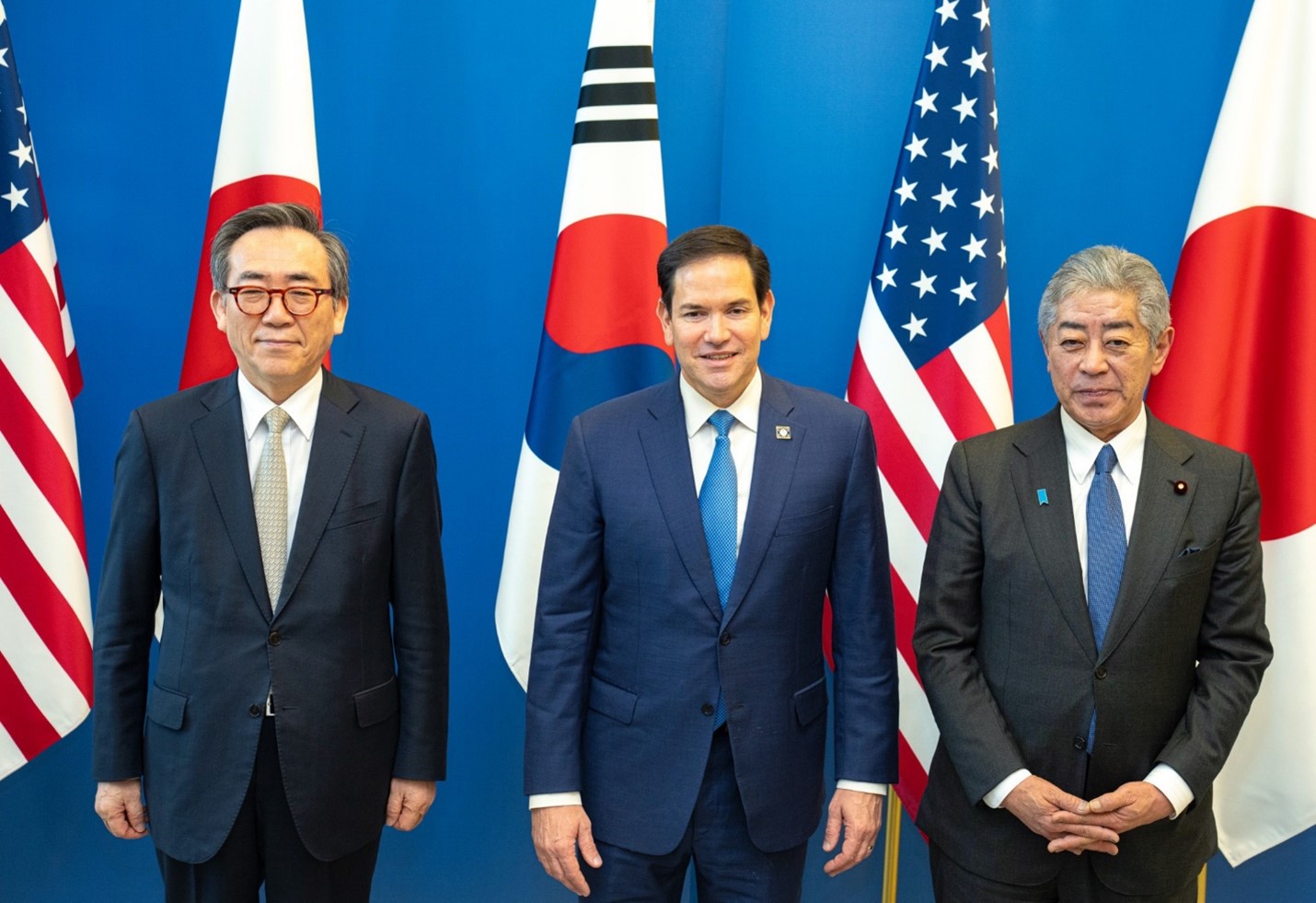
As the U.S. and South Korea implement policy and personnel changes that accompany new administrations, both countries continue down the path of engagement.
The trade disruption seen over the first six months of the Trump administration has delivered unprecedented shocks to the global trading system.