Netflix’s Bet on Korean Content
The dystopian drama epitomizes how partnerships between multinational streaming giants and the local creative industry can become mutually beneficial.


The dystopian drama epitomizes how partnerships between multinational streaming giants and the local creative industry can become mutually beneficial.

Pushed to advance modernization, Seoul plans to buy digital hardware for classrooms that many teachers do not think will help advance students learn.

After prolonged focus on managing the trade balance, South Korea is caught off guard by the U.S. government’s new approach to international trade.
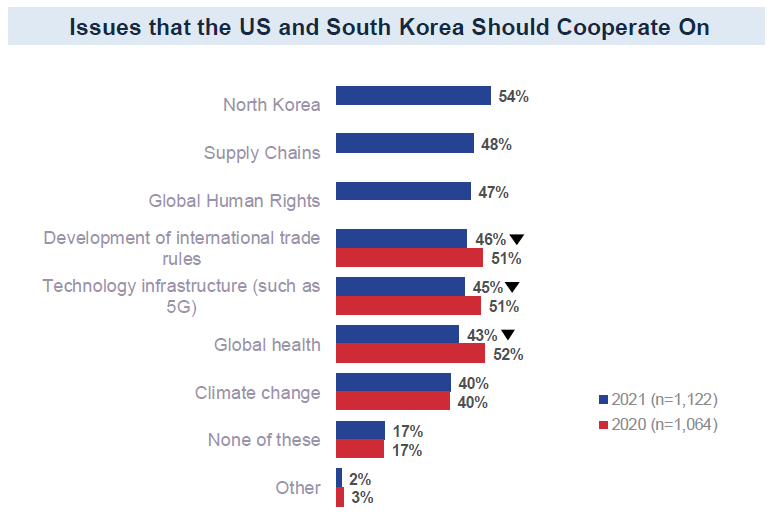
Despite Korea’s early successes in containing the COVID-19 pandemic, a recent survey suggests that fewer Americans see South Korea as an ideal partner in global health challenges than they did in 2020.

Despite growing public indifference towards reunification, the South Korean administration seems to maintain a similar stance on North Korea.

Despite high rates of transmission, South Korea plans to loosen COVID restrictions in line with public sentiments.

In response to the widening gap in educational achievement, Seoul municipal government is taking an approach that the central government has long disavowed.

The public once again weighs the transparency and inscrutability of candidates ahead of next year’s presidential election.

Korean firms strive to reduce their dependence on single-source suppliers of strategic resources as regional tensions become more common.
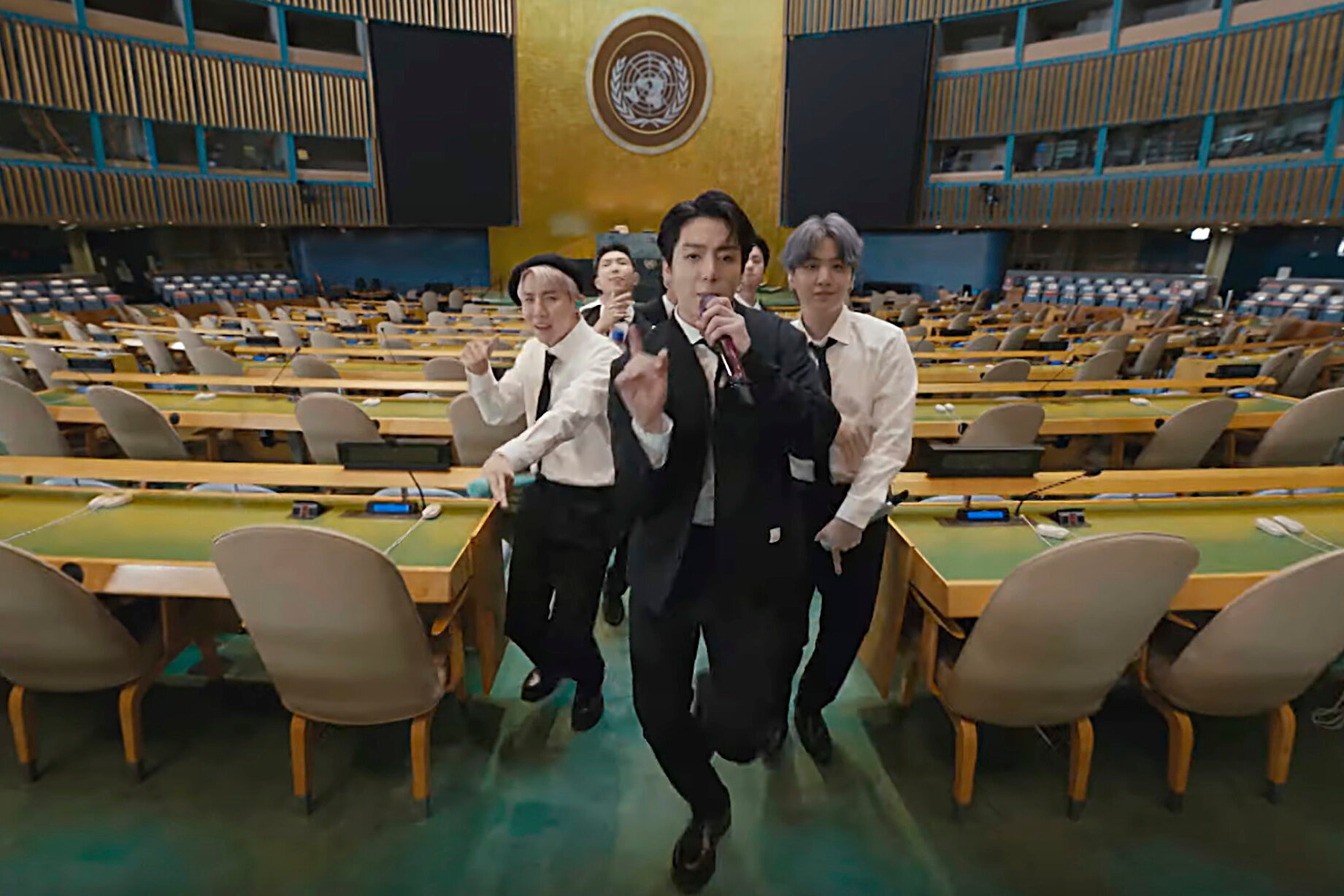
What might be prompting K-pop bands to engage in social activism on the global stage? One thought is that bands are shaped by their international fanbase.