A Future for Virtual Concerts?
Although audiences still prefer live performances, South Korea’s entertainment industry will likely continue building on virtual concerts that were piloted during the COVID-19 pandemic.

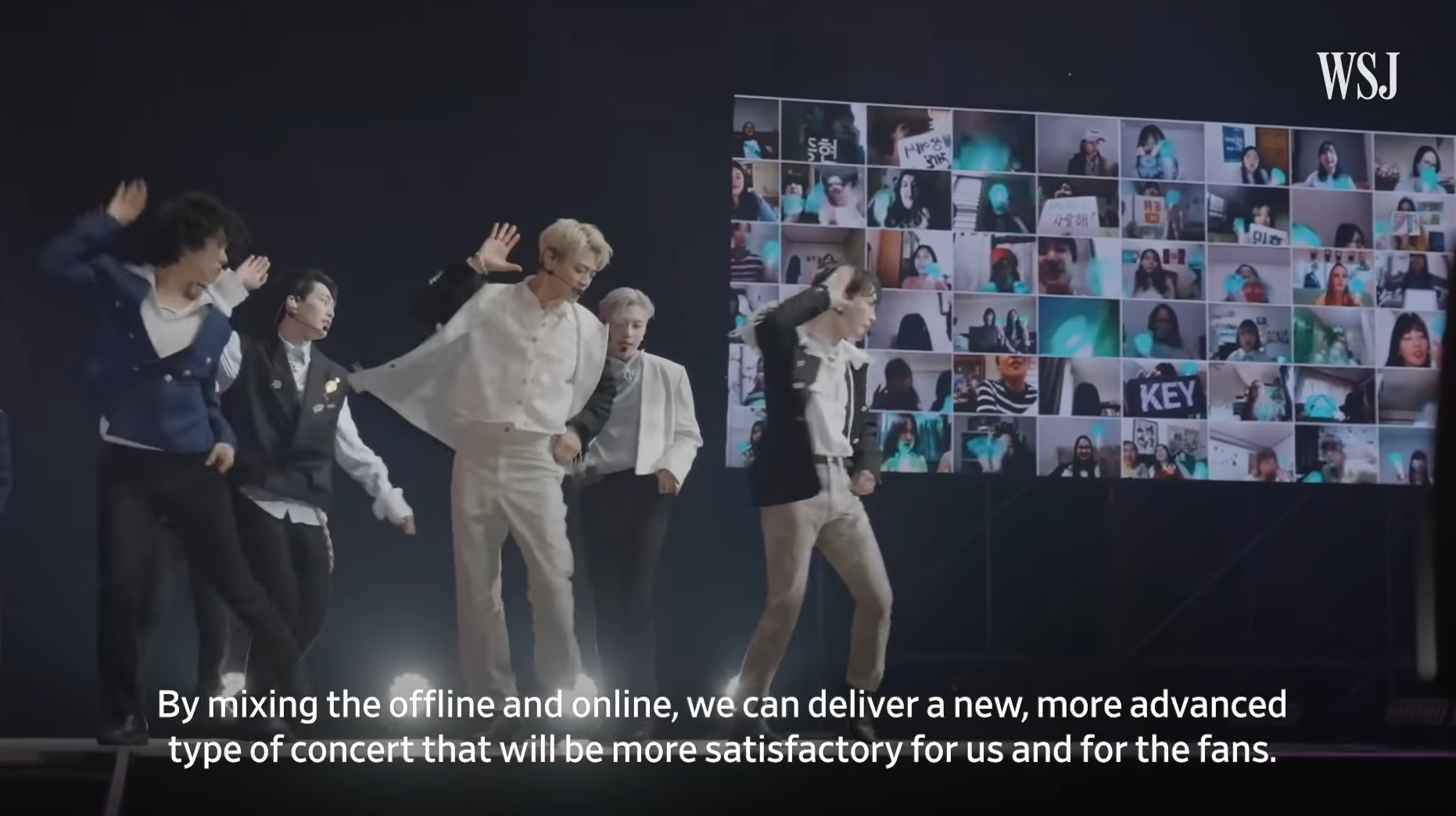
Although audiences still prefer live performances, South Korea’s entertainment industry will likely continue building on virtual concerts that were piloted during the COVID-19 pandemic.

Pundits everywhere like to describe Seoul-Tokyo relations as at their “worst ever.” The description is great clickbait yet often absent of context.

Value placed on education complicates enforcement of measures restricting people’s access to public places based on their vaccine status.

Seoul’s focus on managing relations with its principal partners can be seen in its response to demands from foreign nationals living in the country.

Despite the acknowledged food insecurity in North Korea, the UN’s humanitarian response plan does not include an appeal for assistance to the North.

Suffocation of the creative arts represents one potential fallout of the increasingly vocal anti-feminist ideology in South Korea.
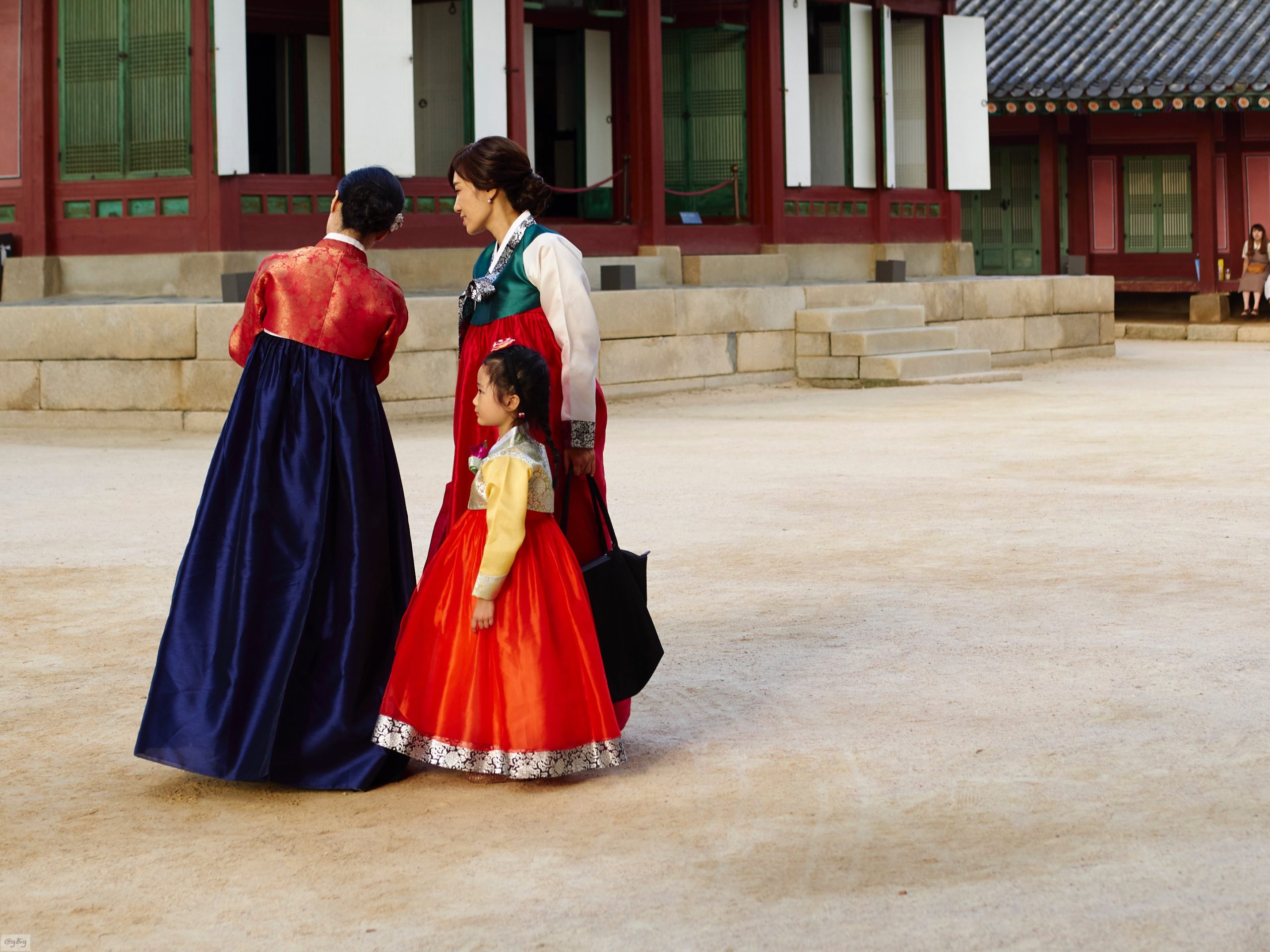
While the focus on child subsidies is not misplaced, the government may be missing the larger picture in its attempts to reverse the demographic decline.

The public response to the stabbing in Incheon highlights that the public increasingly sees social issues through the narrow lens of gender.

Anxiety around rising property prices affects people’s attitudes towards Chinese nationals and their economic activities in Korea.
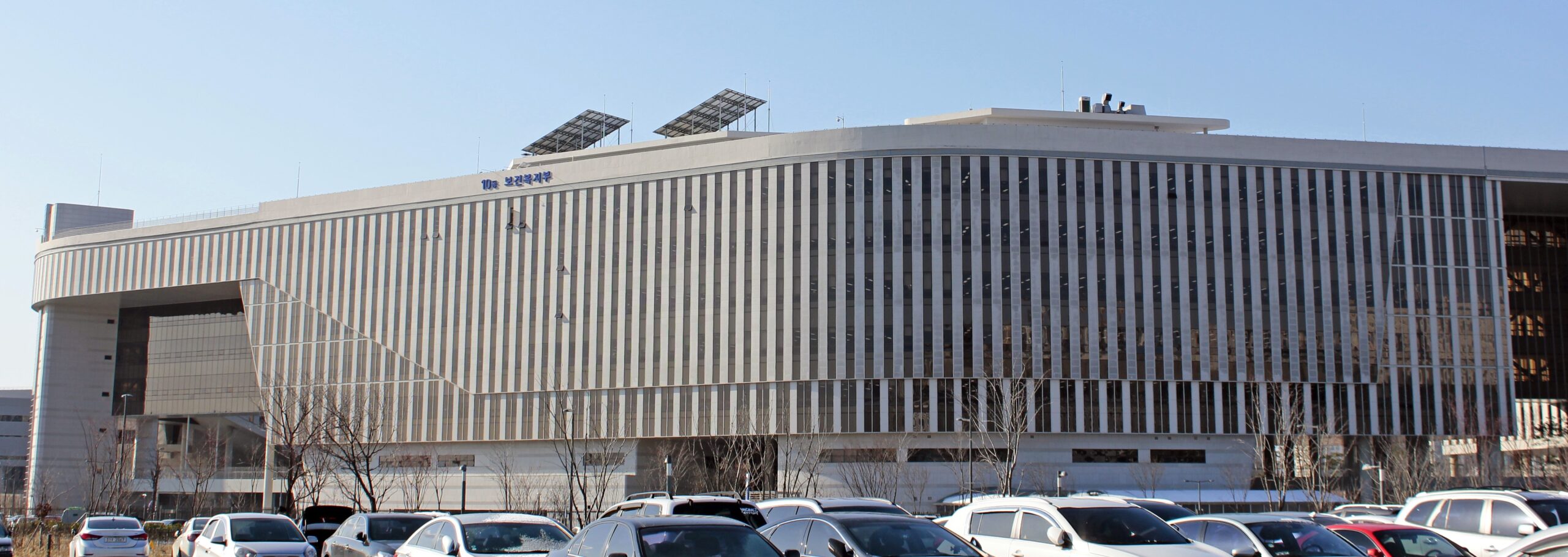
Workers of different South Korean industries are joining forces to protest shared concerns around increasingly difficult working conditions.