Jingoism in the Digital Age
YouTube provides a vehicle for South Korea’s hyper-nationalist movement and demonstrates society’s vulnerability to misinformation.


YouTube provides a vehicle for South Korea’s hyper-nationalist movement and demonstrates society’s vulnerability to misinformation.

Golden Globe nominations for two actors in the Korean Netflix show Squid Game are monumental, but they also reveal gender and racial bias of U.S. entertainment industry.
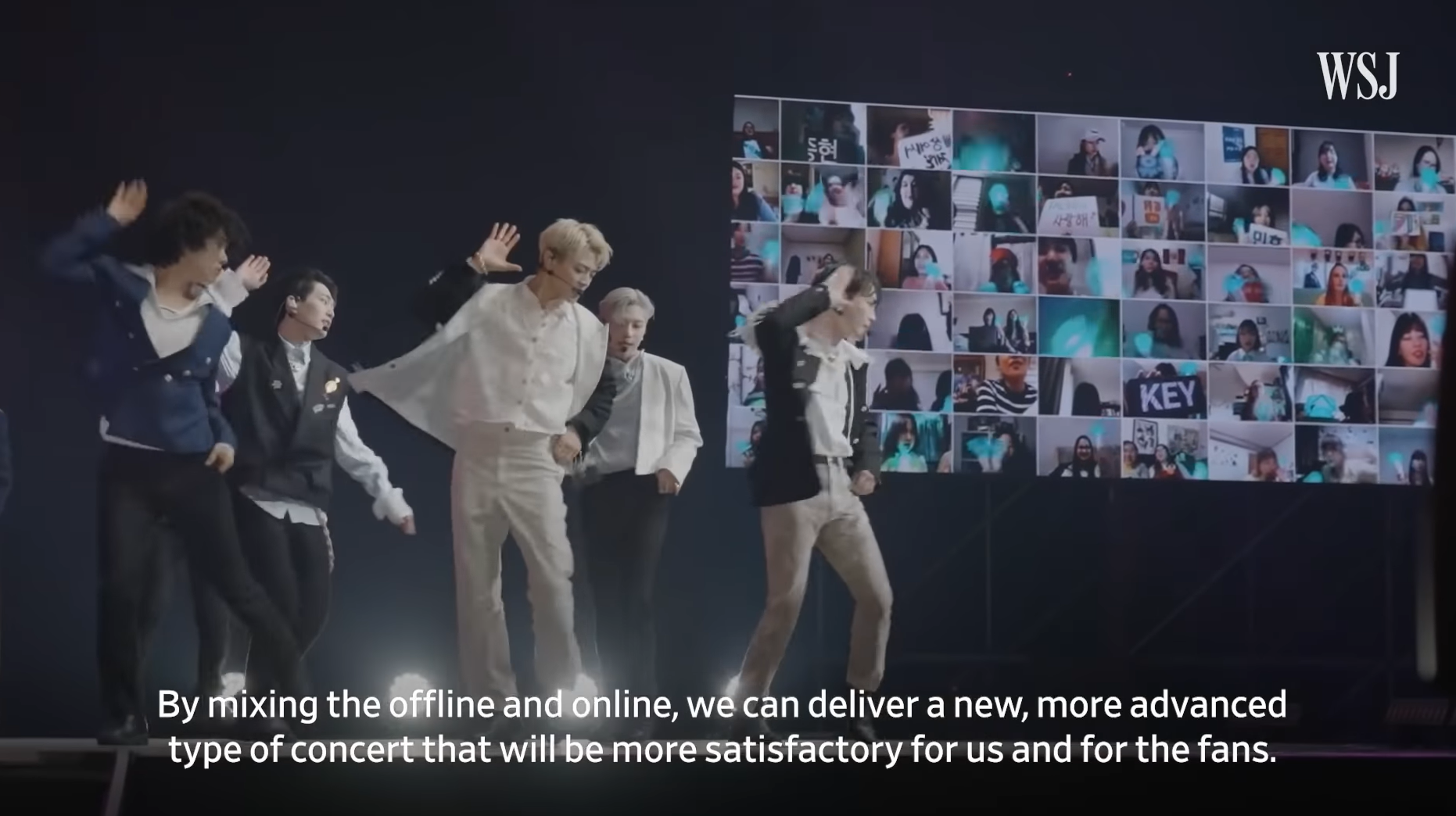
Although audiences still prefer live performances, South Korea’s entertainment industry will likely continue building on virtual concerts that were piloted during the COVID-19 pandemic.
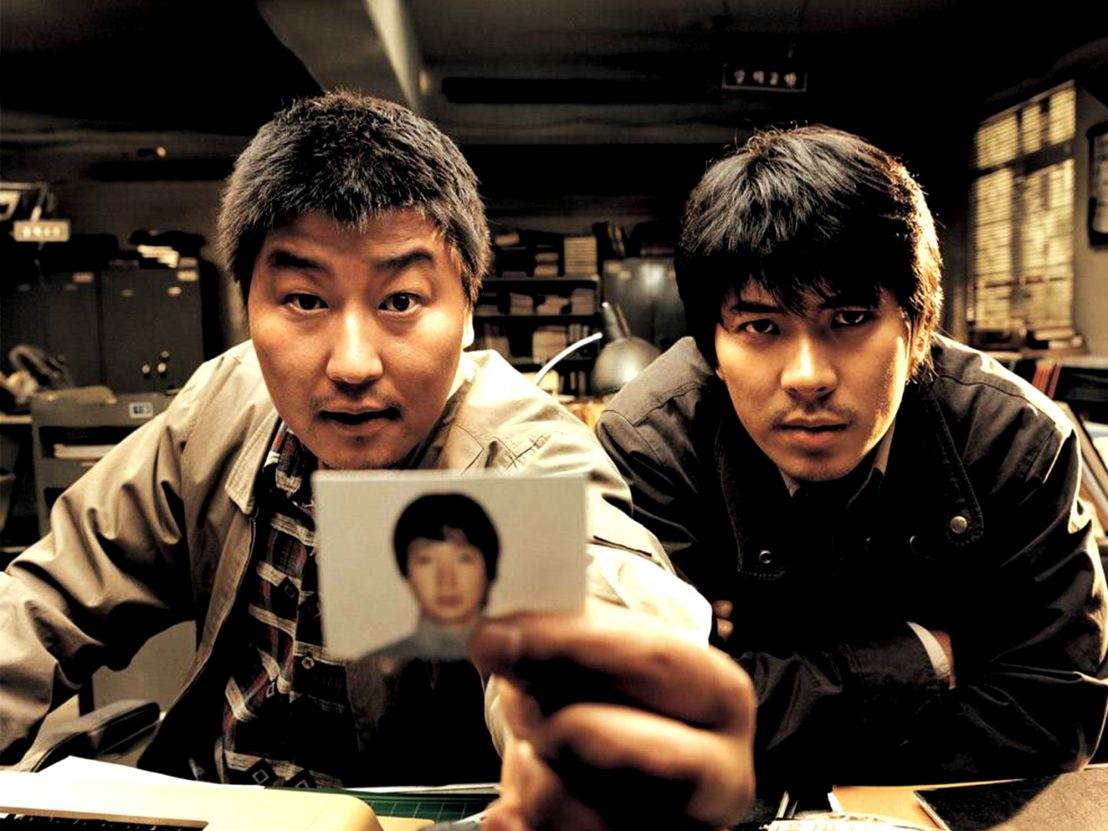
As debates around the role of police continue in the United States, these movies are worth a watch to reflect on whether any institutions can remain true defenders of society without public accountability.

Some observers point to the Korean government’s direct support as a key driver of the Korean Wave – but this may not be as critical as is often claimed.
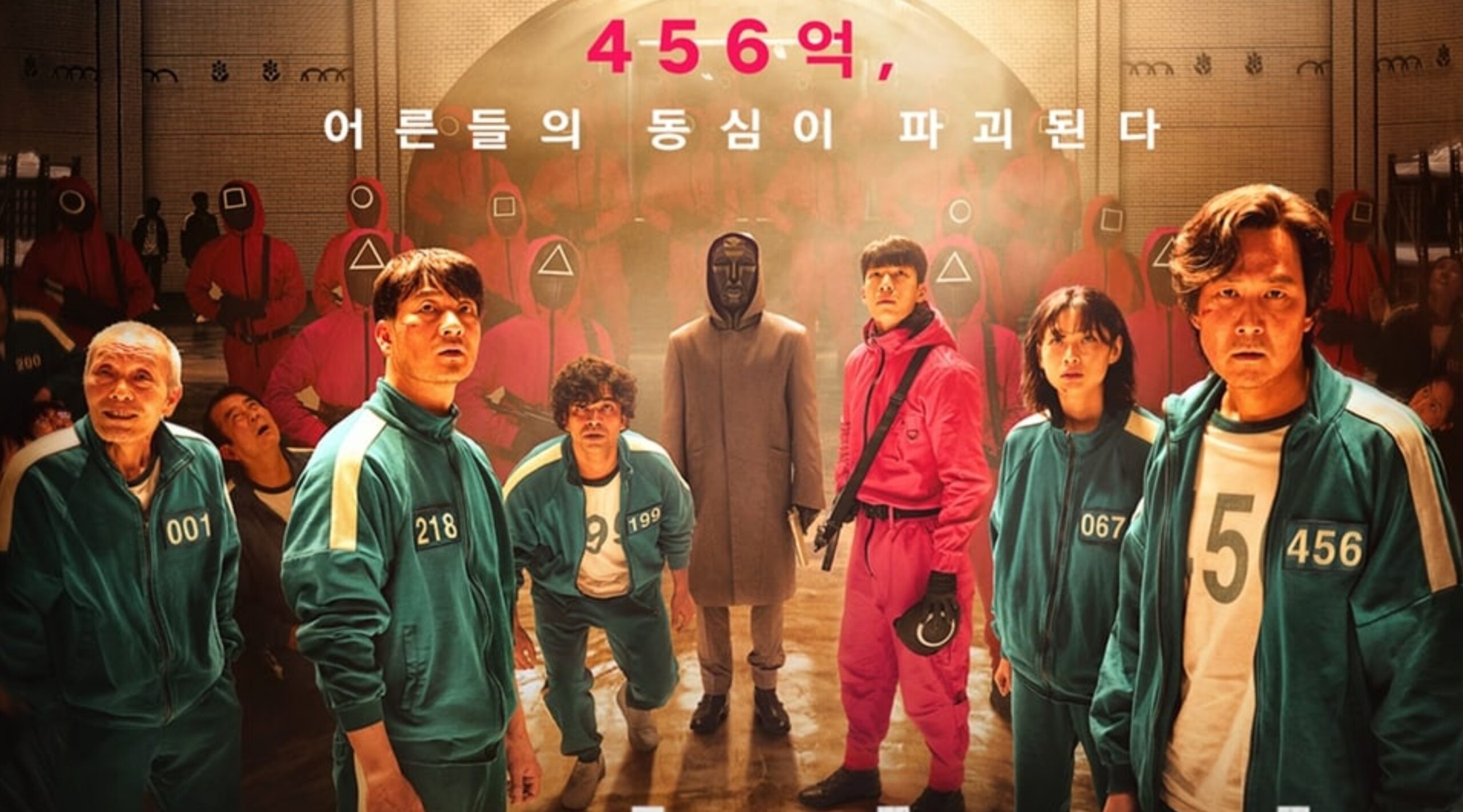
The dystopian drama epitomizes how partnerships between multinational streaming giants and the local creative industry can become mutually beneficial.
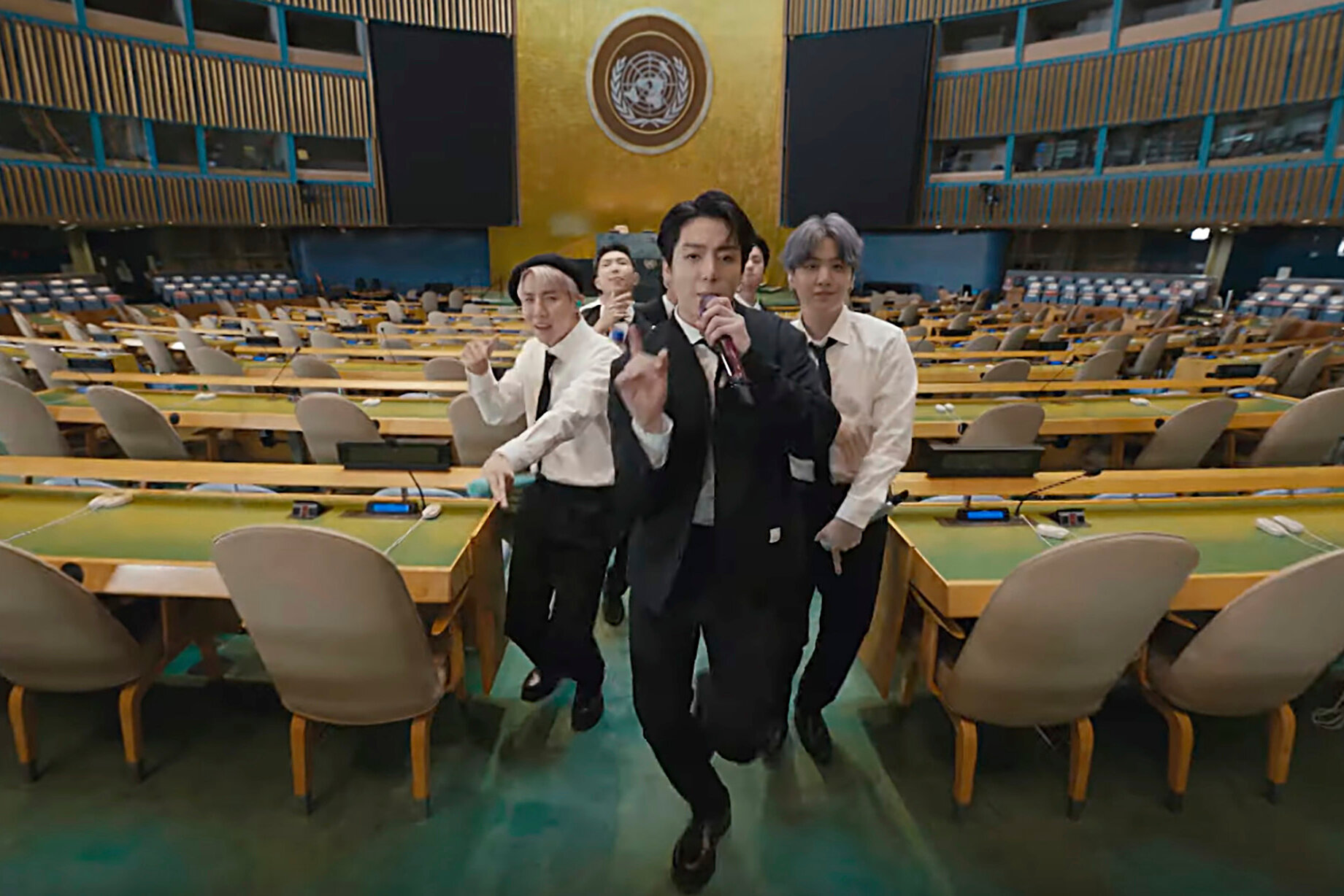
What might be prompting K-pop bands to engage in social activism on the global stage? One thought is that bands are shaped by their international fanbase.

History, politics, and geopolitics are ever-present in Northeast Asia – and they are increasingly part of the media landscape.

Korean fried chicken is an example of how an American dish became transformed in Korea and returned to the United States.

By jumping into the platform industry, music studios not only aim to become a global entertainment giant but also a competitive tech player.