Hollywood, Broadway, and Seoul: Musicals Take Off in South Korea
In a country known for its melodramatic soap operas and glitzy pop groups, Western heart-on-sleeve musicals have proven to be a natural fit for Korean entertainment preferences.

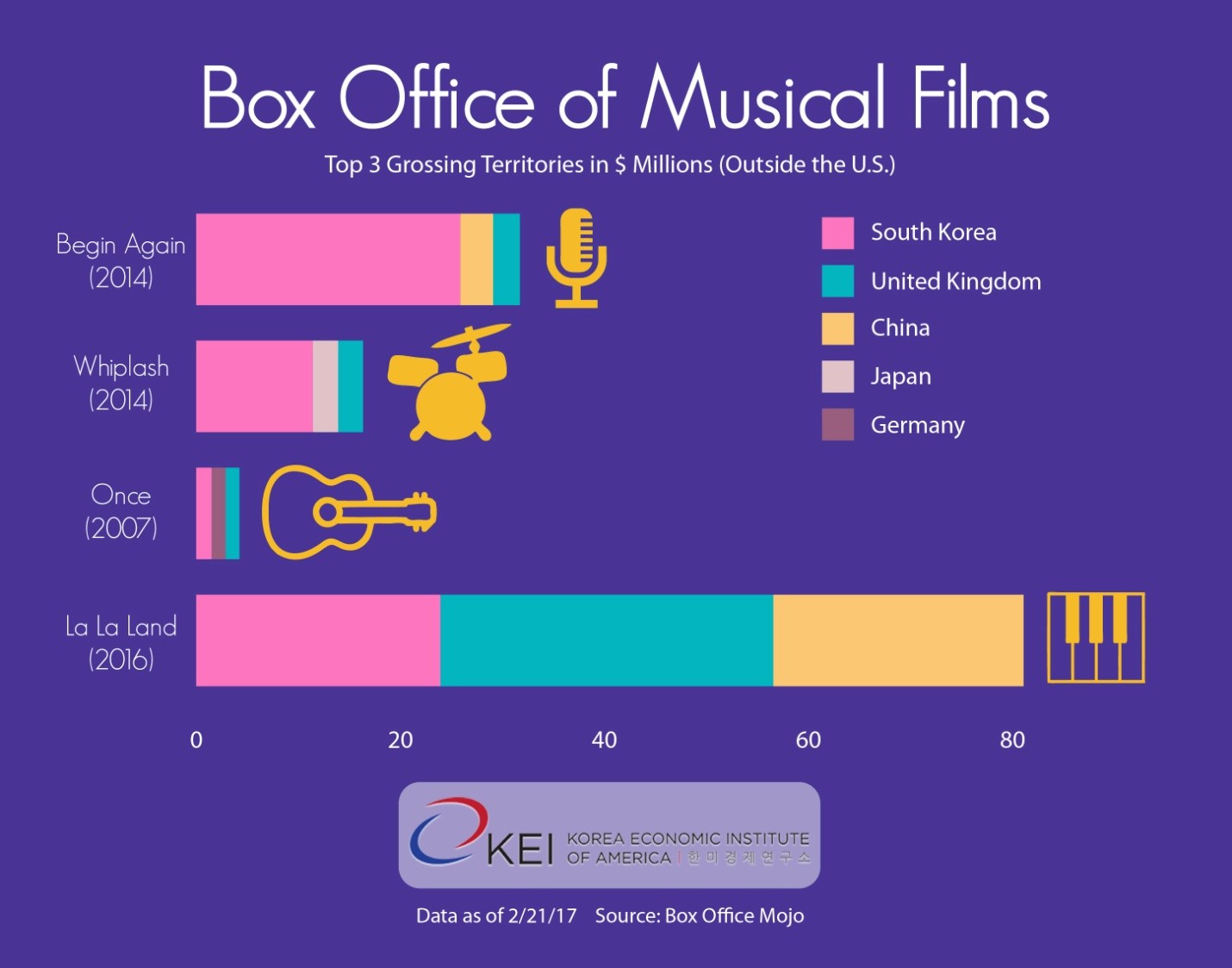
In a country known for its melodramatic soap operas and glitzy pop groups, Western heart-on-sleeve musicals have proven to be a natural fit for Korean entertainment preferences.
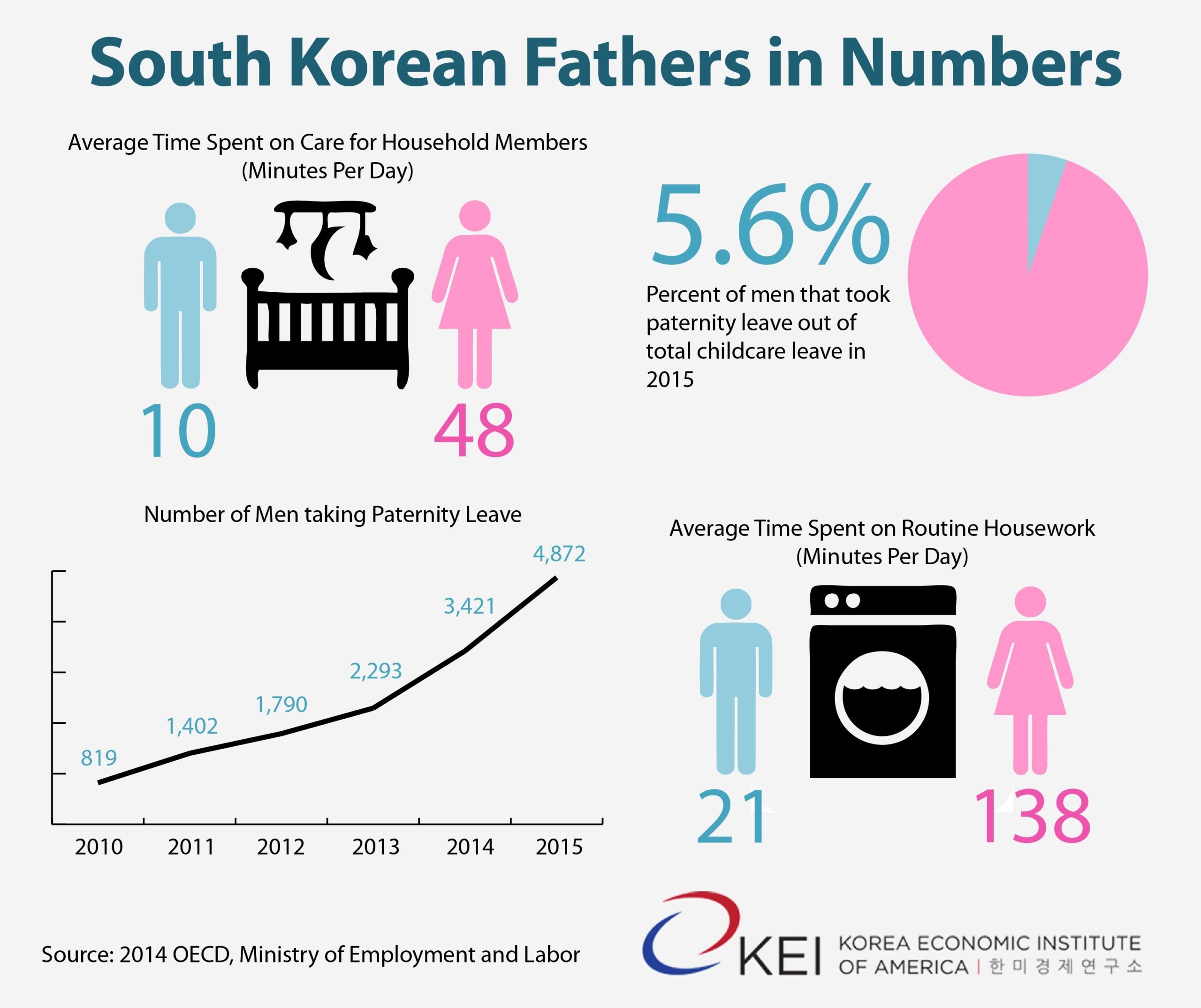
The South Korean government has been pretty creative in its search for a solution to their rock bottom birth rate – from subsidies for fertility treatment to encouraging employees to go home without saying goodbye to their boss. But one of the country’s giant conglomerates is taking a more drastic step by mandating that their male employees take a month off after having a child.

Historically, local documentaries have not been that popular in South Korea – the first widely successful documentary in the country was 2008’s “Old Partner,” which shattered domestic records just by attracting 100,000 viewers in the first few weeks after its release. Since then, more independent films have begun to crop up, telling real-life stories about different aspects of Korea. The five films below represent some of those stories.

Any student of Korea policy knows “The Two Koreas,” by Don Oberdorfer. Famous both for its physical heft and its incredible detail, this book is regularly referenced as the go-to history book in Korea policy circles.

In London in 2012, the South Korean team walked away with 28 medals, placing them fifth in the medal count. Here is our list of the Korean athletes to watch for in Rio.
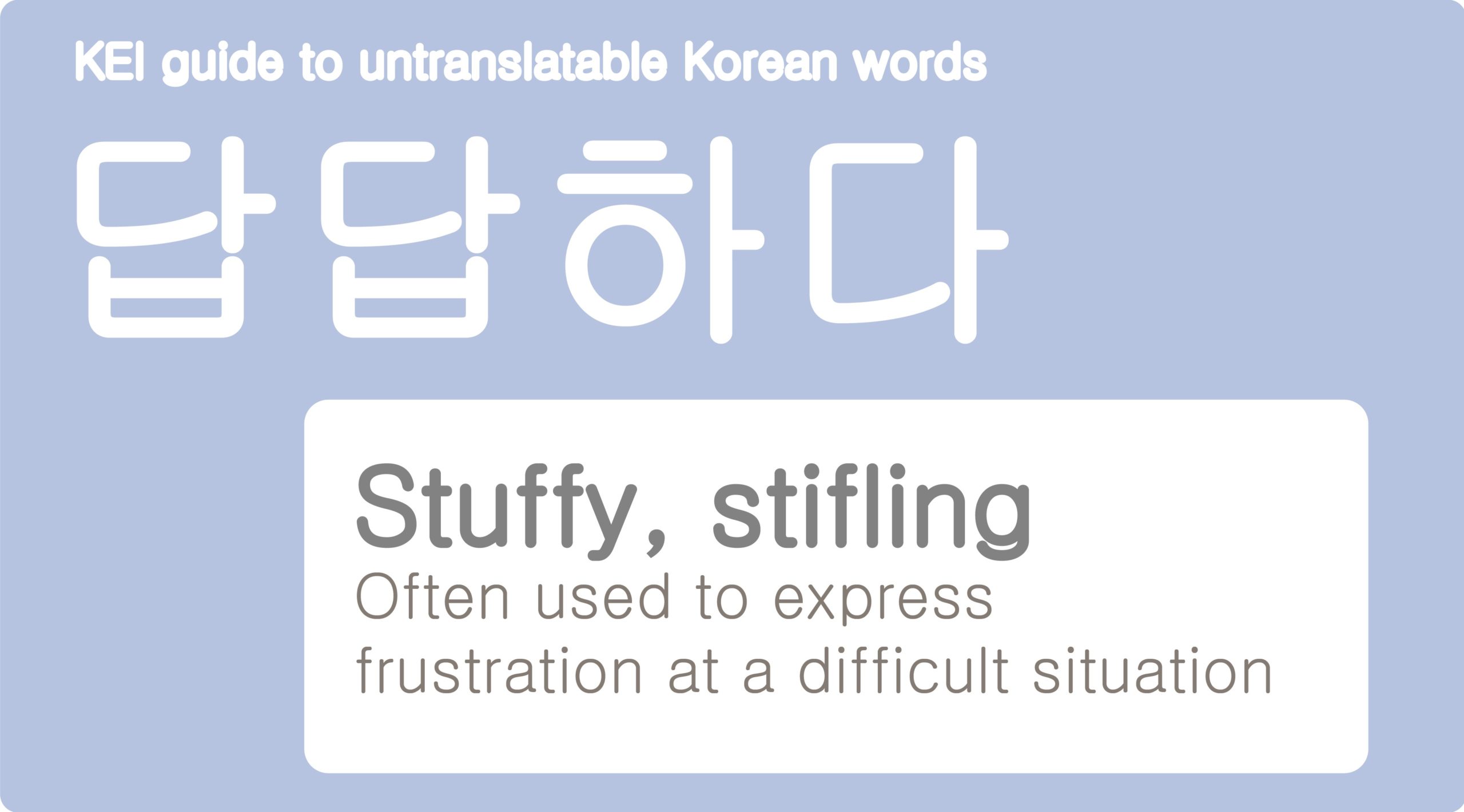
Every language has “untranslatable words” – a word that perfectly encapsulates a feeling or situation which lacks an exact equivalent in other languages. Here are ten useful Korean words that don’t have exact English equivalents.
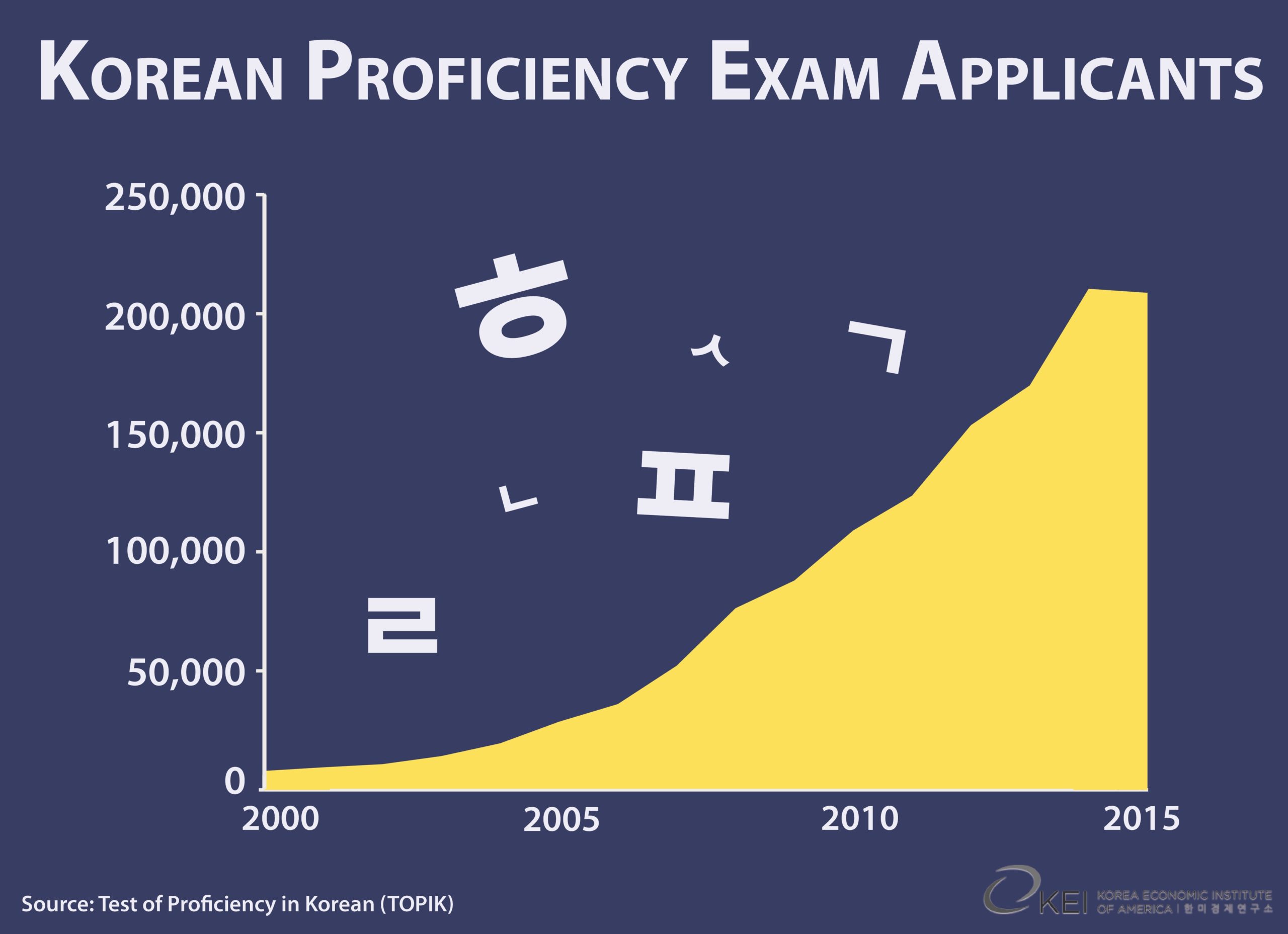
In Thailand, students applying to college will soon have the option of using Korean as their foreign language. This move comes amid growing demand for Korean language learning in Thailand, where Korean pop culture products are wild successes.
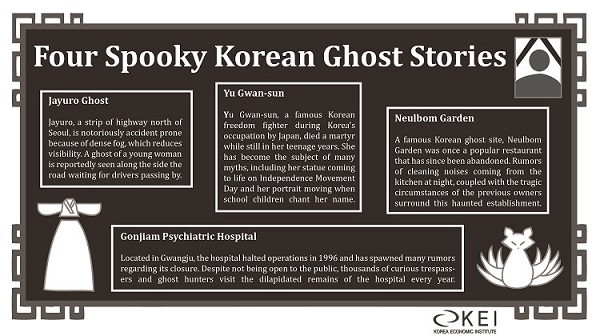
Halloween as we know it in the United States is still not widely celebrated in South Korea. Trick or treating is limited to kindergarten parties and English hagwons, and you’re unlikely to see many jack-o-lanterns or skeletons decorating peoples’ homes.