
The Way Forward to Build Up the Japan-South Korea Rapprochement
Executive Summary
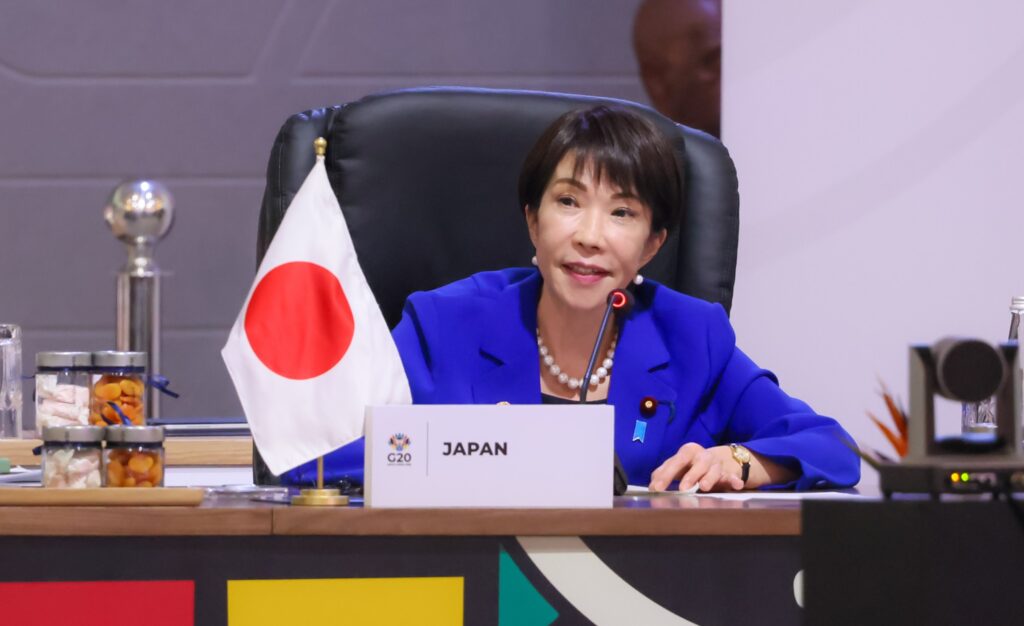
The commitment to improve relations between Japan and South Korea as outlined at the 2023 trilateral Camp David summit is no longer personality-driven. Japan, South Korea, and the United States all have new leaders since then, and all three countries still clearly recognize the value of stronger ties between Japan and South Korea as an integral part of continued regional stability. Under the leadership of Prime Minister Sanae Takaichi since October 2025, Japan sees improved relations with South Korea as critical for its own military and economic security. While Takaichi will need to focus on securing her position as Japan’s fifth prime minister in as many years, the political debate has already delved beyond simply focusing on domestic concerns. There is growing momentum to develop a roadmap for Tokyo to promote stability and prosperity across the Indo-Pacific with trusted allies, one that must include South Korea.
Policy Recommendation
The vision for Japan’s relations with South Korea should include:
- Developing economic alliances and networks for confronting new trade challenges: Trade relations with the United States and dealing with tariffs as well as foreign direct investment (FDI) requirements are immediate challenges facing both Japan and South Korea. The urgency of trade negotiations with Washington since April left little room for cooperation between the two countries despite their similar concerns; however, the two countries continue to share broader concerns regarding economic security and resilience to coercion. Persistent trade tensions provide an opportunity to explore forging economic alliances and systemic exchanges of information regarding the latest trade developments.
- Strengthening bilateral ties within existing multilateral frameworks: A number of partnerships already exist in the Indo-Pacific and beyond that could be the foundation for greater cooperation between Japan and South Korea. The Comprehensive and Progressive Agreement for Trans-Pacific Partnership (CPTPP) is one such example that would benefit from South Korea’s accession not just as a trade deal but as a framework to build trust between the two countries, united in their shared interest to establish a stable and predictable mechanism for economic engagement.
- Championing regional security and economic challenges beyond national borders: Japan remains committed to promoting a free and open Indo-Pacific (FOIP), yet the rapidly growing ties between China, Russia, and North Korea are chipping away at the allure of FOIP across the region. As two of the biggest winners of the post-World War II rules-based order, both Japan and South Korea are best positioned to promote regional growth and stability through a shared vision. At the same time, their ability to work closely together to pursue shared interests will exemplify the value of building trust.
Conclusion
From domestic political uncertainties to the politicization of history, the persistent risks to relations between Japan and South Korea cannot be ignored. Yet the external risks facing the two countries are far greater and demand that both sides maintain stable relations and close policy cooperation. At the same time, the need for the two countries to work closely together to further their shared economic interests independent of the United States is increasing in urgency.