North Korean Refugees: Uptick in Number Reaching South Korea but China Is Forcibly Returning Refugees
The number of North Korean refugees reaching South Korea has increased; at the same time, China is forcibly returning many to North Korea.

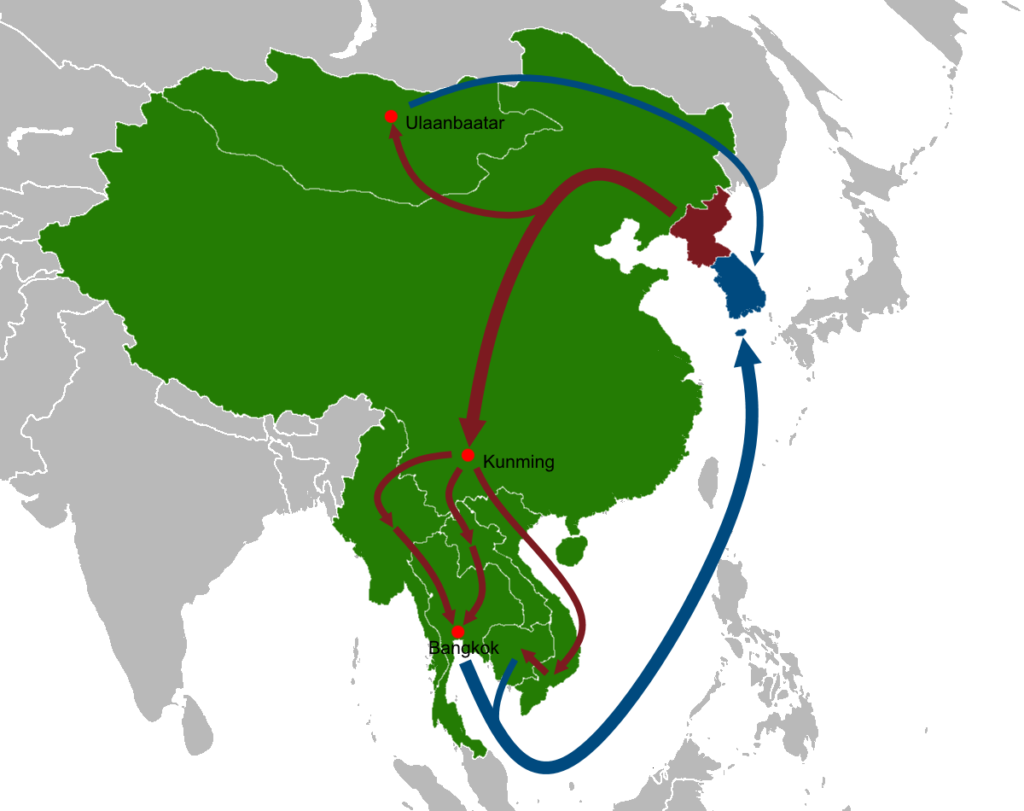
The number of North Korean refugees reaching South Korea has increased; at the same time, China is forcibly returning many to North Korea.
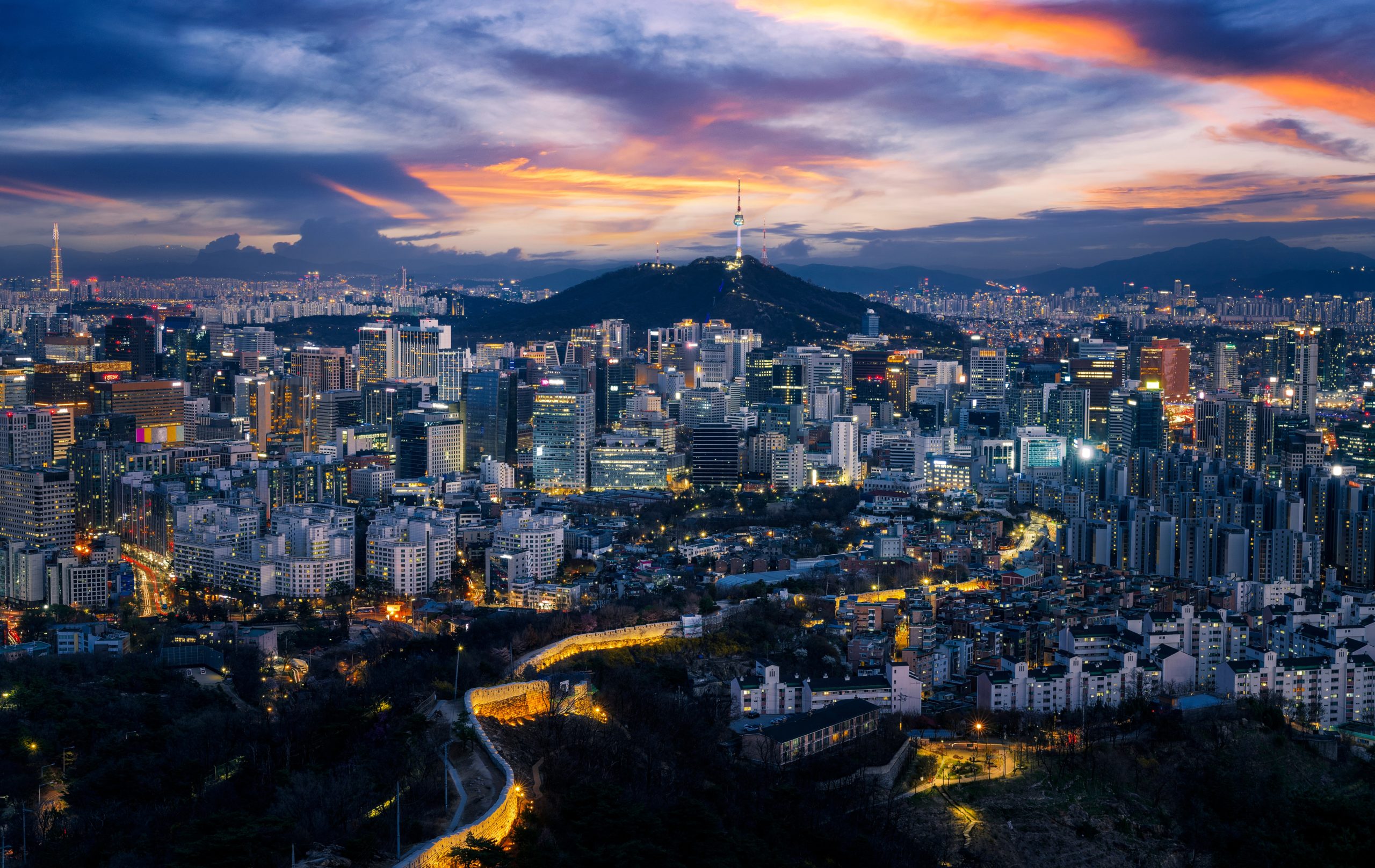
Middle powers were framed in a different era. Indeed, there is a strong argument to be made that they only existed in the period 1940-2000.

What happened in U.S.-Korea trade and investment in the third quarter of 2023?

It is doubtful that Trump’s extension of the protective tariff on Korean pickup trucks had that much of an effect on the American market.

Two decades ago, South Korea was rarely called a middle power. Today, it invites ridicule to suggest South Korea is anything but.
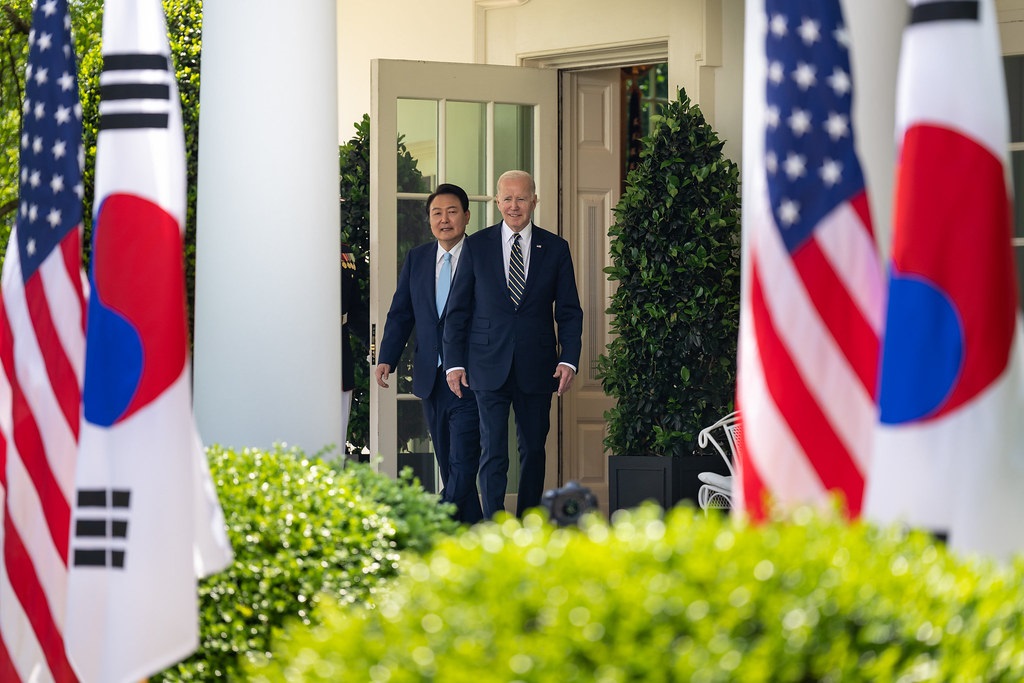
No reflection of 70 years of the U.S.-Korea alliance would be complete without examining exactly what it means to be an economic ally.
It’s fair to imagine that by this stage, an objective observer would caution against using the middle power term to describe South Korea.

Meeting Korea’s demographic challenge requires a comprehensive strategy, including by making greater use of foreign workers.
For an export-dependent economy like South Korea, the pursuit of trade efficiency can lead to the concentration of corporate power.
With the South Korean government focused on achieving balance between employment and innovation, gains for small and medium enterprises (SME) may narrow vis-à-vis their larger competitors.