Public Support for Corruption Investigation
Legacies of past corruption scandals have elevated South Korean public demand for government accountability, overriding long-standing political opposition.

Legacies of past corruption scandals have elevated South Korean public demand for government accountability, overriding long-standing political opposition.

The outcome of this year’s legislative election subverted assumptions that voters tend to support the opposition party to check the ruling party.
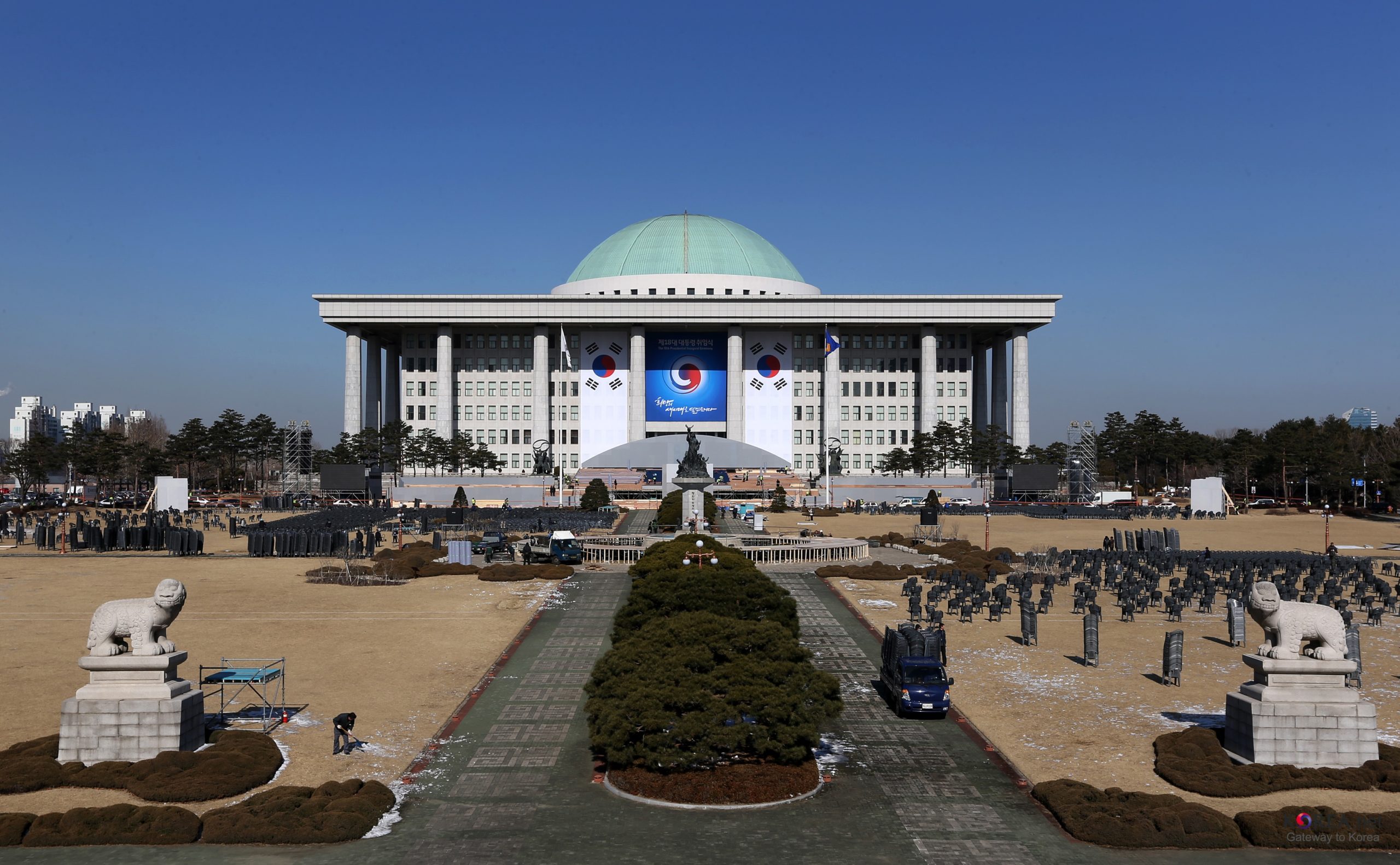
High voter turnout in the recent National Assembly election can be attributed to long-term effort to expand the pool of eligible voters.
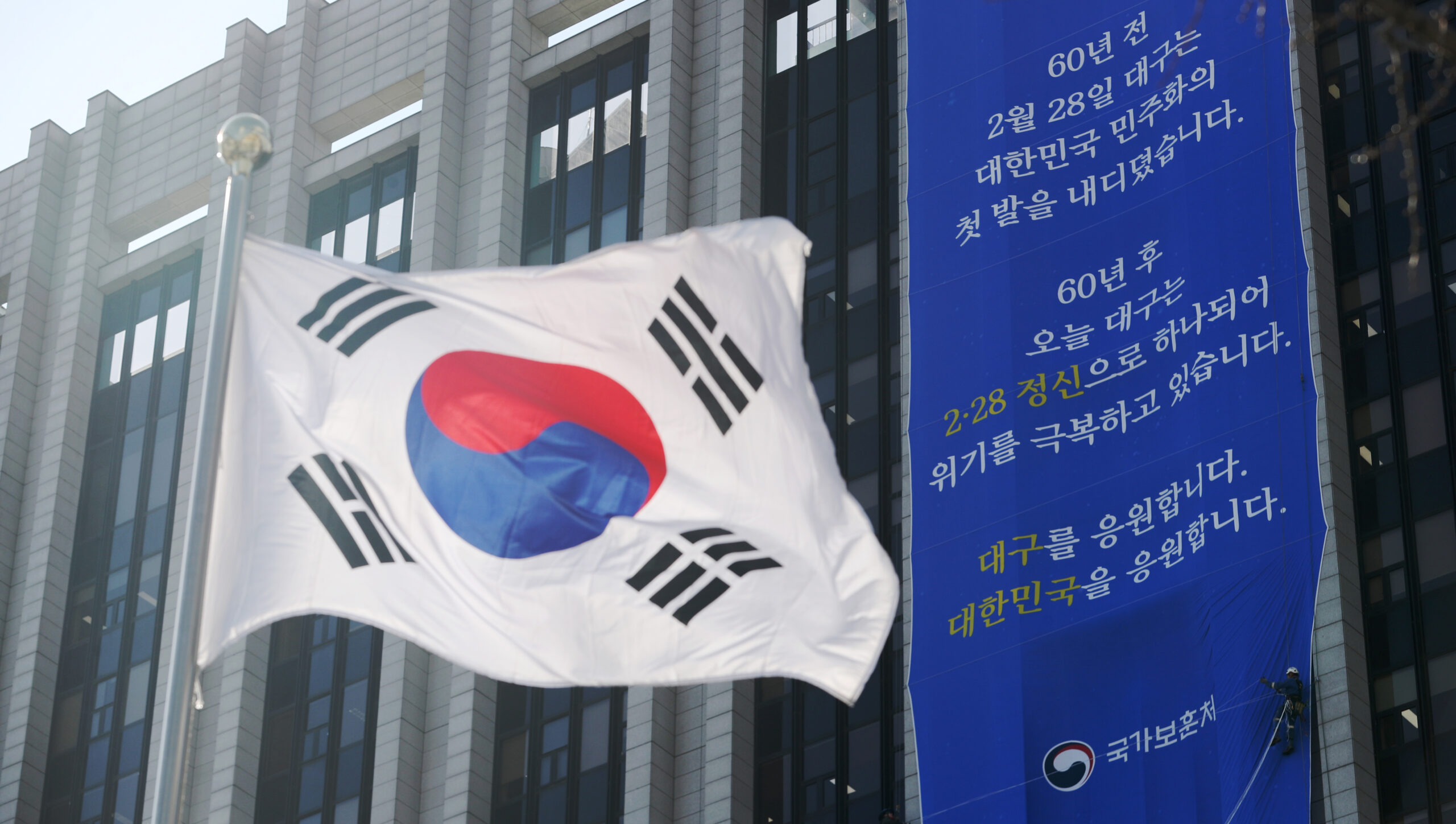
Today, South Korea attempts to thread the needle, ensuring suffrage to all eligible voters while keeping uninfected voters safe from exposure.
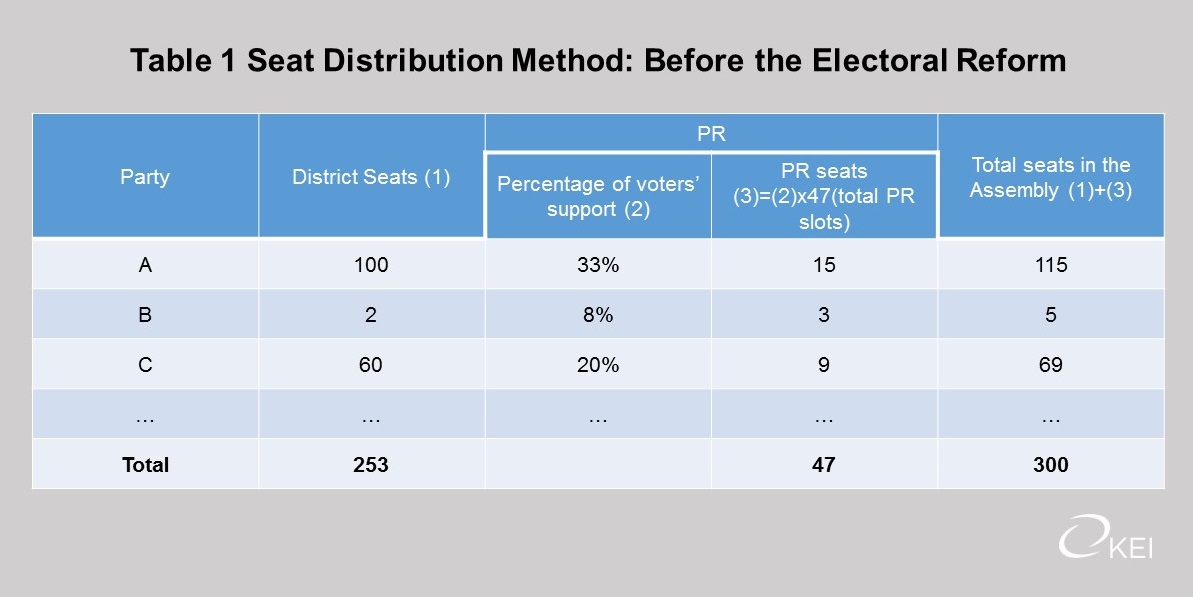
South Korea adopted a new election system for distributing legislative seats with the intention of making politics more inclusive. But will it work?
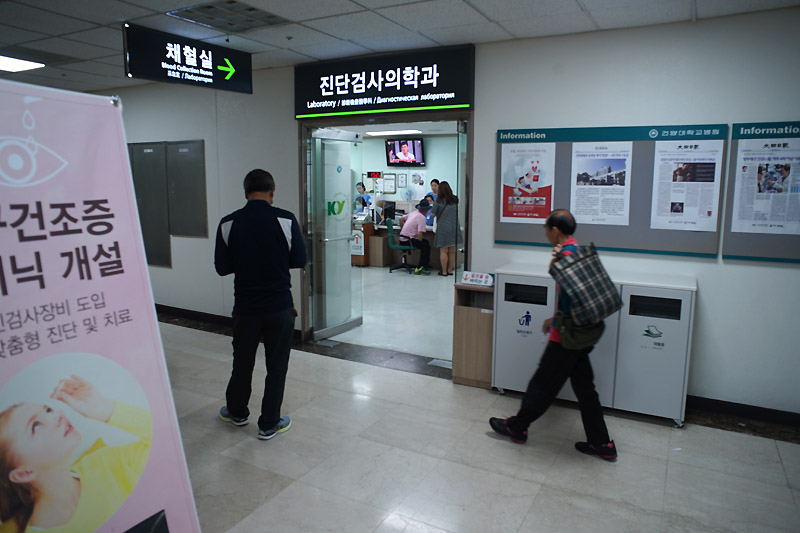
As the government uses patient information to contain the spread of COVID-19, a debate begins on whether individuals have a right to keep this data private.
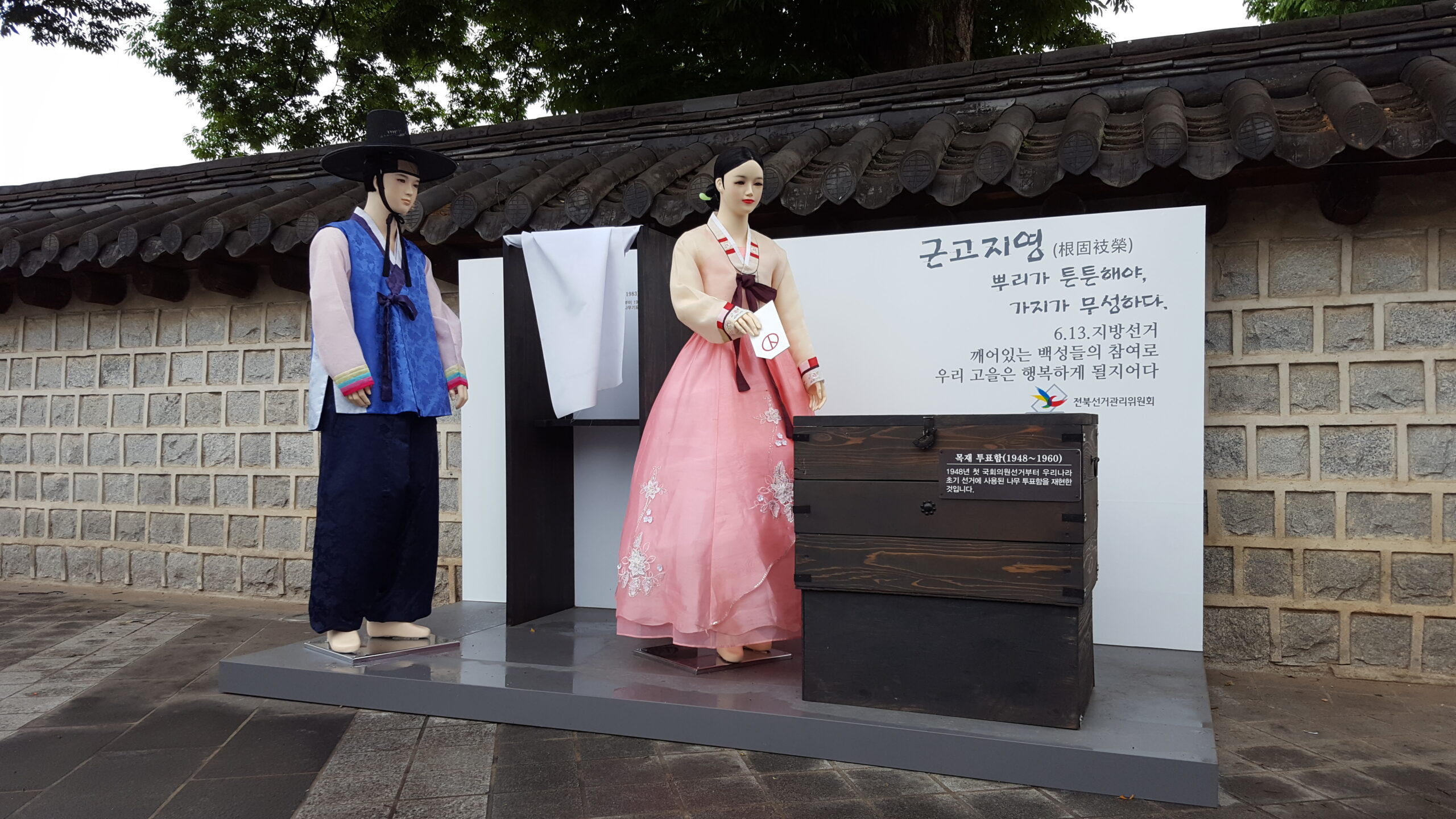
Korea’s efforts to expand the number of eligible voters did not progress sufficiently to mitigate the effects of the ongoing health crisis.
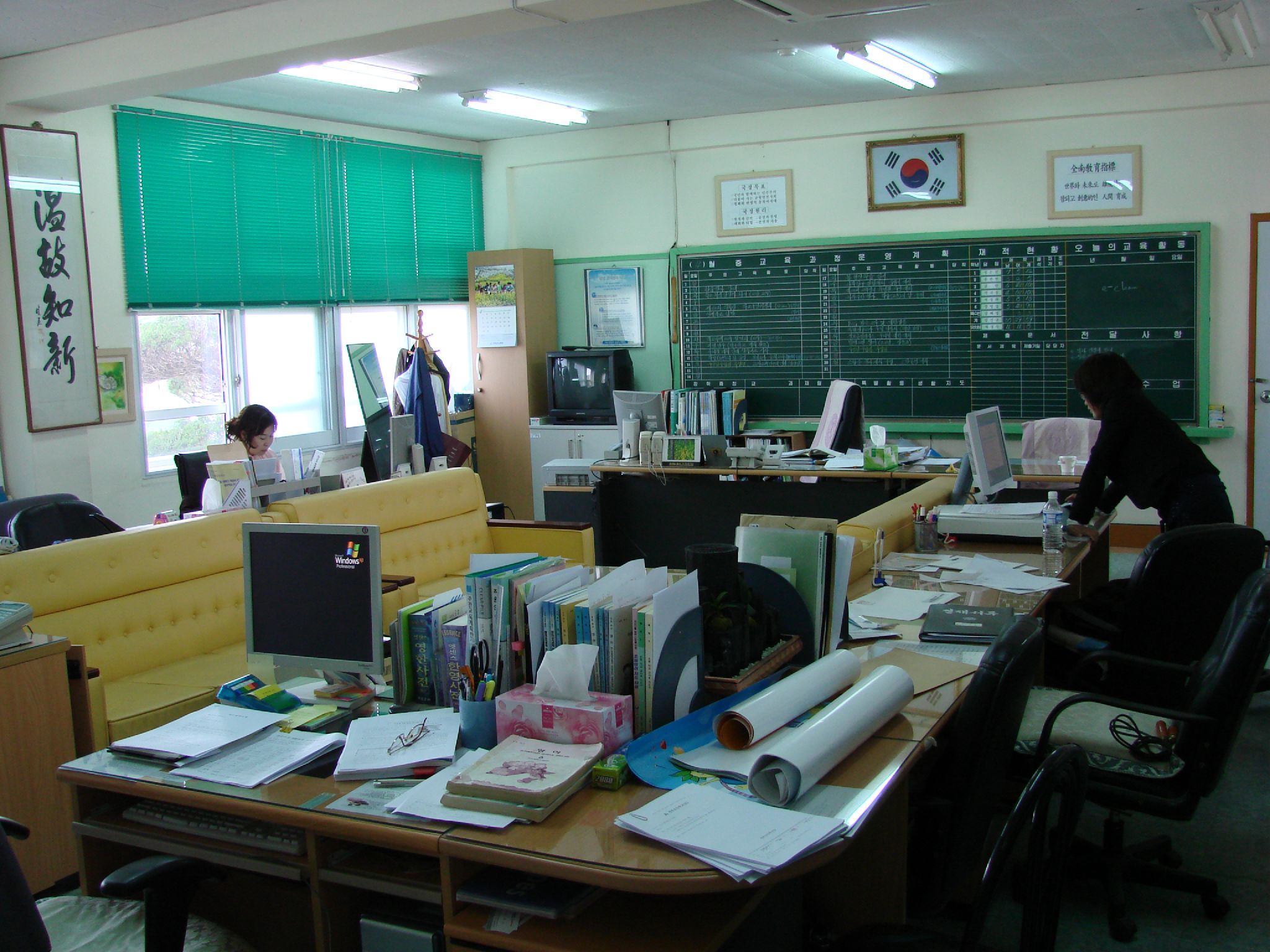
Preparation for nationwide remote schooling reveals that the centralized South Korean education system lacks adaptive capacity.
With the global pandemic impacting every aspect of our lives, we are seeing different campaign scenes ahead of the April 15 National Assembly election.
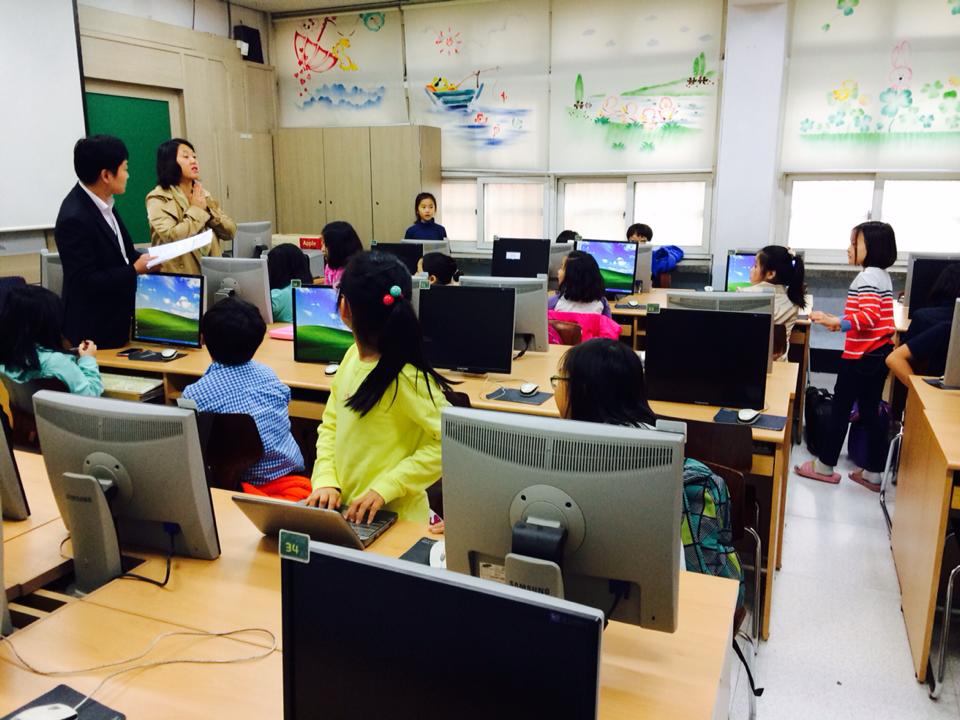
Despite significant postponements to the current semester due to COVID-19, the public remains resistant to major changes that affect the public school calendar.