An Interview with Ambassador Joseph Yun on the U.S.-North Korea Summit
An interview with Ambassador Joseph Yun, former U.S. Special Representative for North Korea Policy at the State Department, on the U.S.-North Korea Summit.


An interview with Ambassador Joseph Yun, former U.S. Special Representative for North Korea Policy at the State Department, on the U.S.-North Korea Summit.
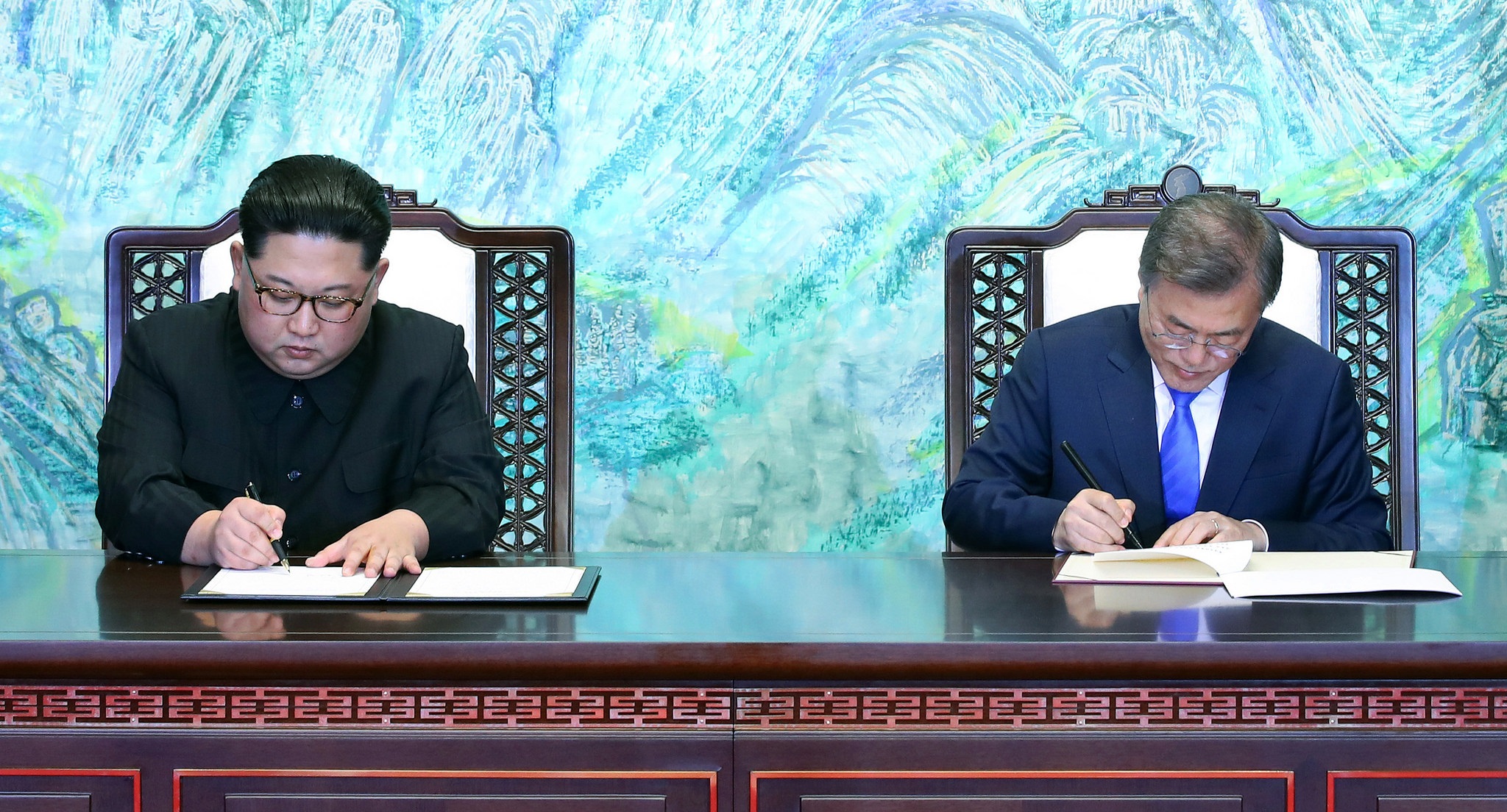
The two Koreas have embarked on a trust-building process after years of confrontation which drove the peninsula to the brink of war.
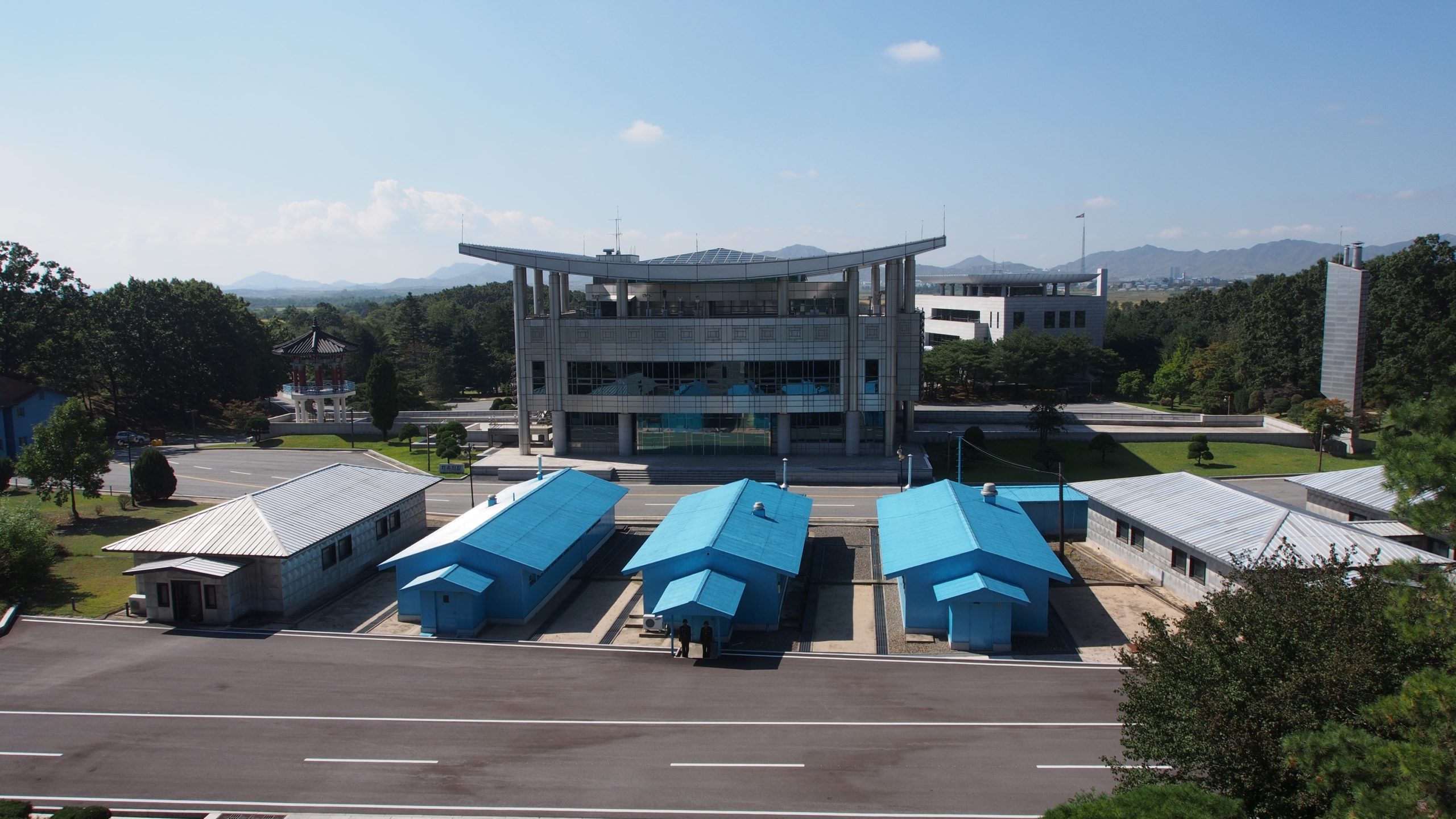
The April 27 summit was full of symbolism, imagery, and rhetoric. That should not be brushed aside to look for “real” progress. Symbolism is important in itself.

In what is being hailed as a significant step by the United States and South Korea, North Korea has announced that it has suspended missile tests and will shut down its nuclear test site. While seemingly an important step towards denuclearization, the move by North Korea only affirms prior statements by the regime.

North Korea’s strategy is likely to exploit nuclear weapons as a deterrence against American and South Korean retaliation to its own aggressions.

Ahead of negotiations, the North Korean government can boost their credibility by proactively addressing nuclear safety and security.
While many have expressed relief over reaching a tentative deal on the KORUS FTA, Korea still could get caught between China and the United States.

It may have just be bravado, but President Trump’s suggestion that the withdrawal of U.S. troops on the Korean Peninsula may be on the table is problematic.

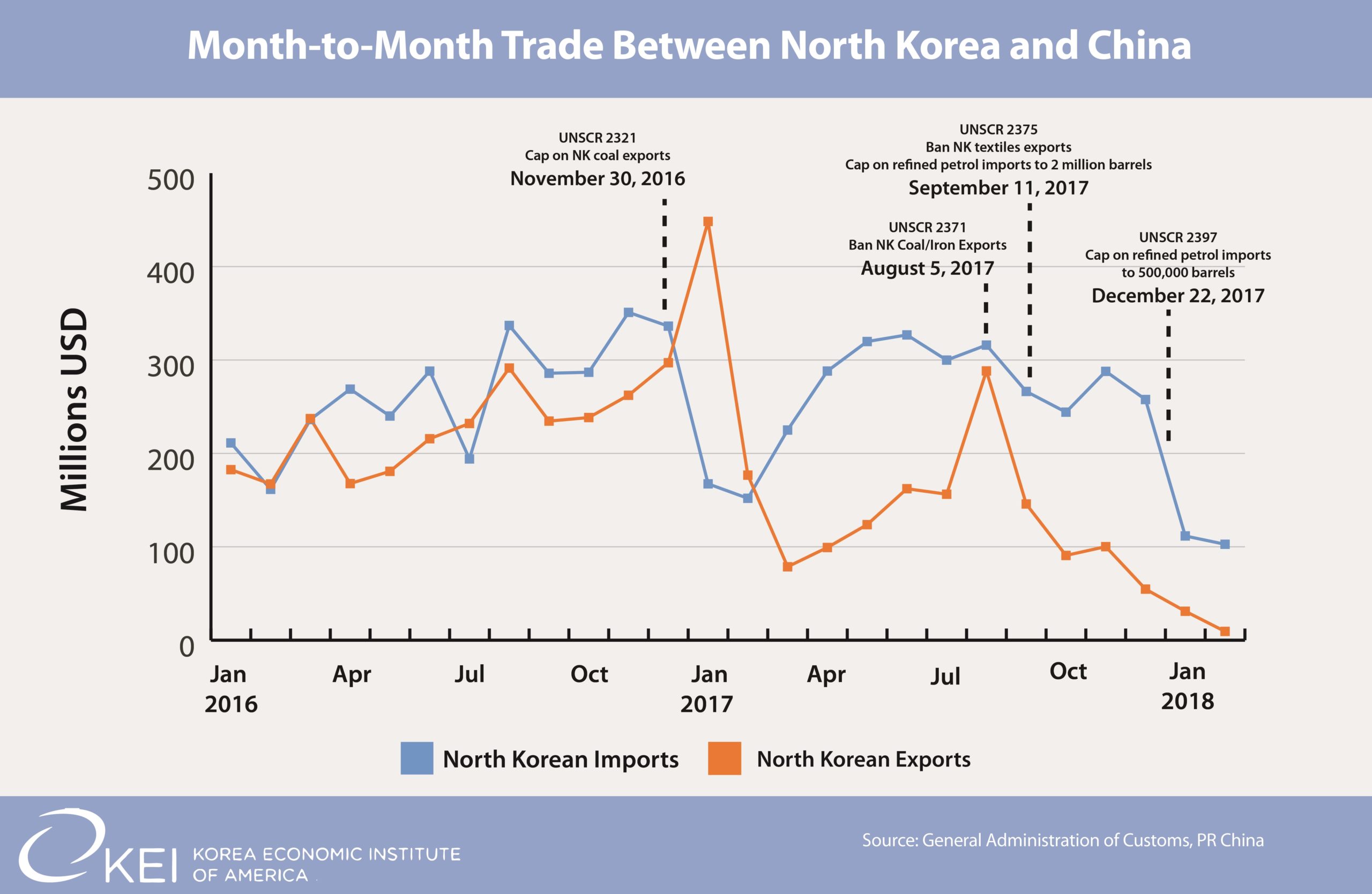
Even in the best-case scenario, a “bloody nose” attack on North Korea would likely undermine “maximum pressure” for economic reasons.

While few observers doubt the significance of the Olympics agreement, many disagree about what it will mean for the future of inter-Korean relations.