The Difference Between a Preventative Attack and Preemption Against North Korea
While at times used interchangeably, preemptive military action and preventative military action are actually quite different.


While at times used interchangeably, preemptive military action and preventative military action are actually quite different.
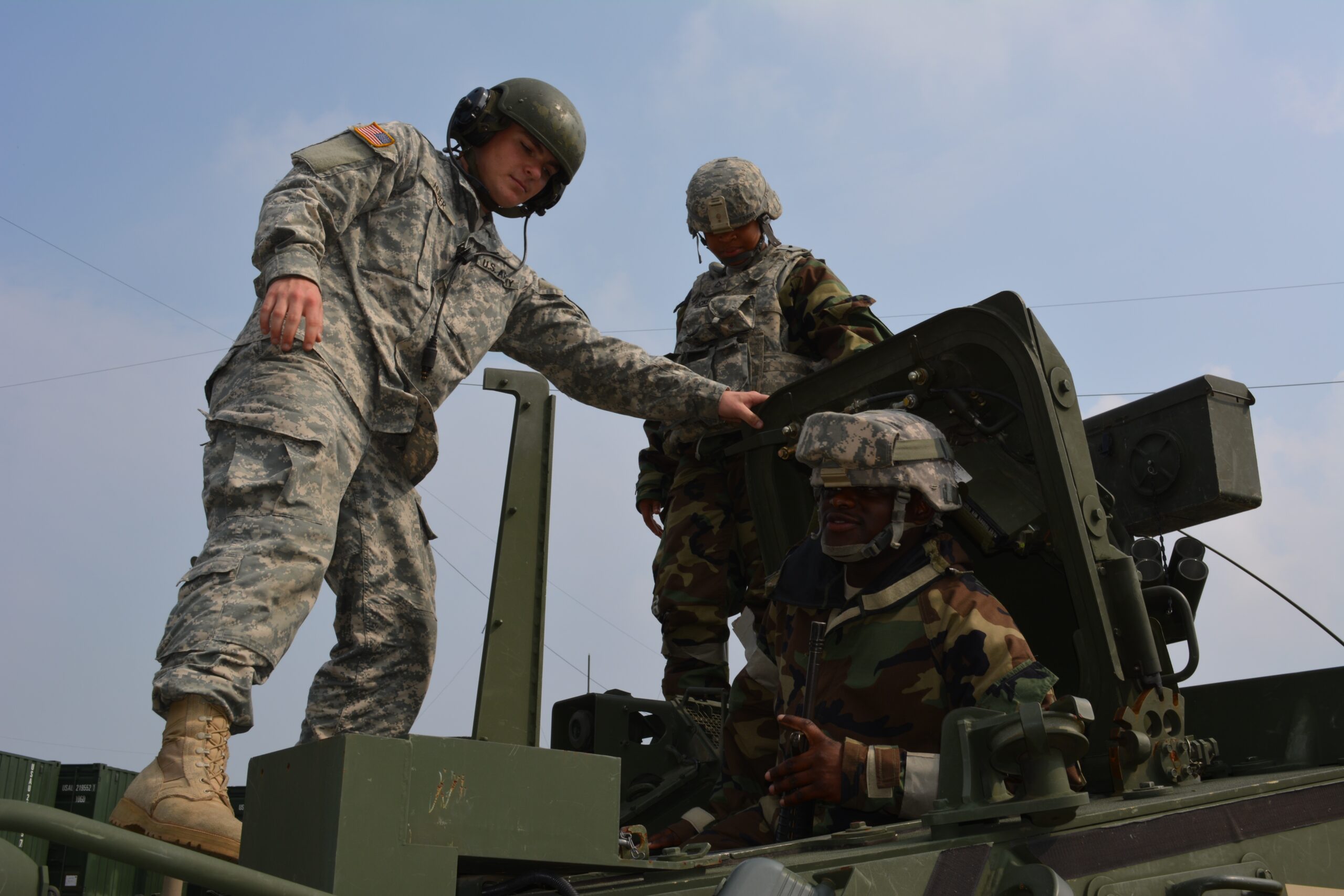
Although tensions with North Korea seem to have eased during the past few days, there is urgency to the question, “What will happen next?”
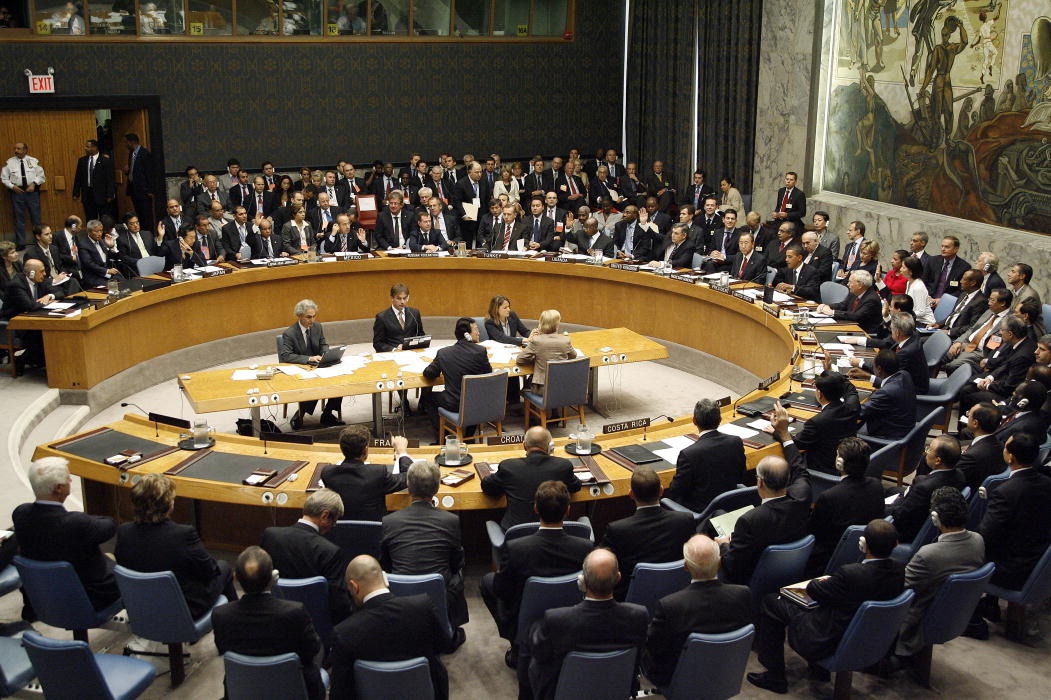
The United Nations Security Council has unanimously passed new sanctions on North Korea in response to Pyongyang’s intercontinental ballistic missile tests on July 4 and 28.

Last week, the House of Representatives and the Senate overwhelming passed and sent to President Trump’s desk a new sanctions bill for his expected signature.

It usually takes some time to figure out the details of what a North Korean missile test has accomplished – what type of missile it was, how it performed, its capabilities – but from the initial information regarding North Korea’s July 4th missile test, it appears that they have successfully tested an Intercontinental Ballistic Missile (ICBM).

In the case of hypothetical accident with depressurization and ejection of radiation from a North Korean nuclear reactor: what actions might Russia take?

The next administration will come into office at time when South Korea faces a wide array of economic, political, social, and security challenges.
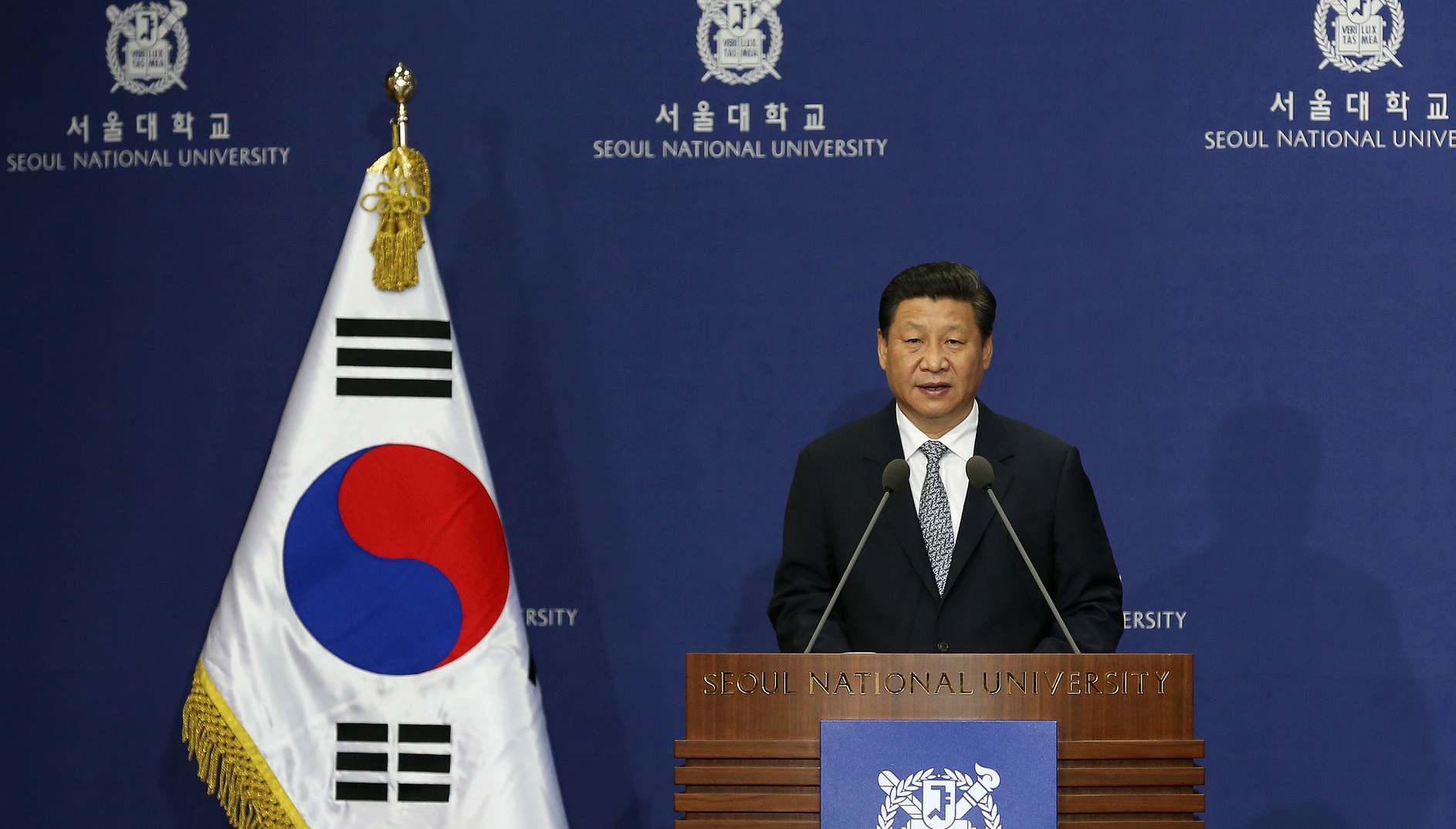
A question frequently asked is whether the next South Korean administration will tilt towards China and away from the United States, based on Seoul’s purportedly shifting perception of the relative importance of the two countries. In reality, it is not helpful to judge whether the United States or China are more important to the Republic of Korea. There is no simple reply to the general question and, honestly, there is no reason to answer it.
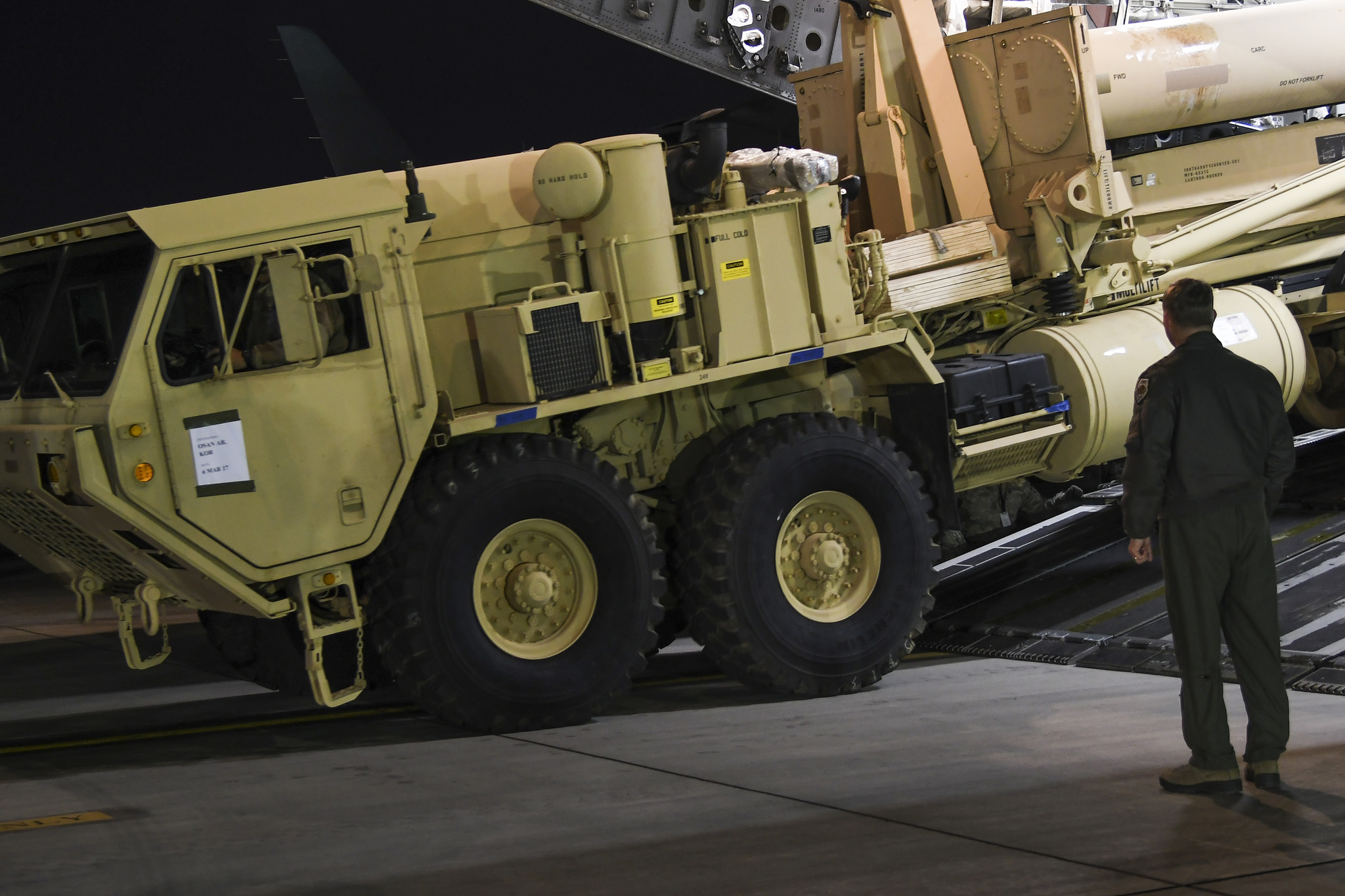
KEI Communications Director Jenna Gibson, host of the KEI podcast Korean Kontext, recently interviewed Yun Sun, Senior Associate with the East Asia Program at the Stimson Center, about the Chinese perspective on the THAAD missile defense system.

For the last eight years, we’ve seen a relationship that has grown beyond the Cold War confines of the threat from North Korea and that has begun to evolve into more of a partnership that works together both in the region and on the global stage.