Despite Summit Boosts, Moon’s Approval Rating Continues to Decline
Despite a boost in approval from the third inter-Korean summit, Moon Jae-in’s approval ratings have dropped to levels similar to before the summit.

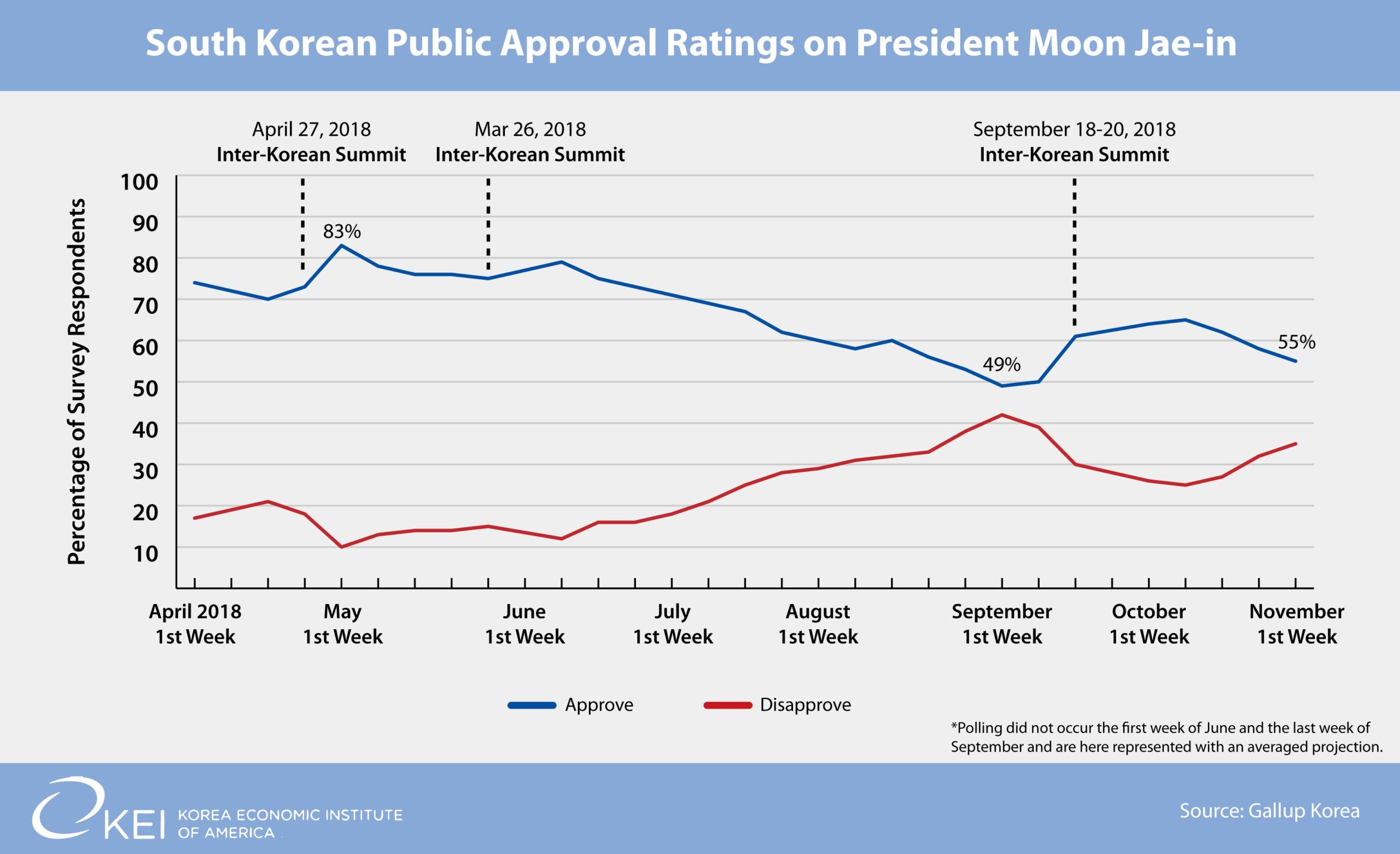
Despite a boost in approval from the third inter-Korean summit, Moon Jae-in’s approval ratings have dropped to levels similar to before the summit.
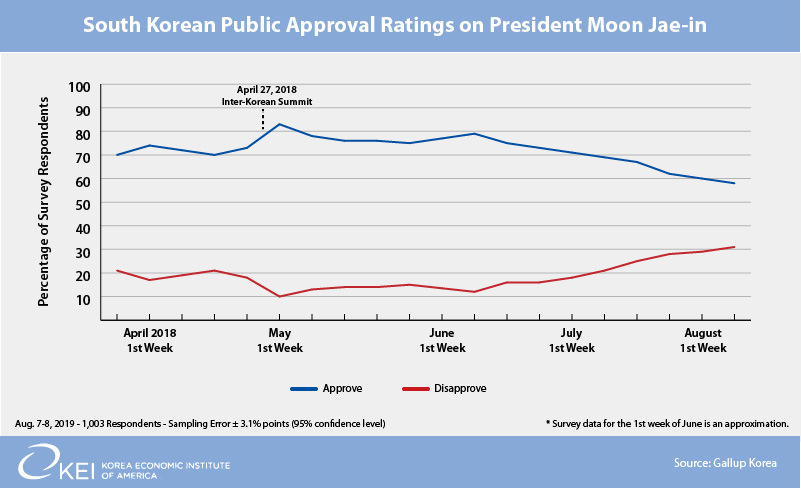
For the first time in his presidency, South Korean President Moon Jae-in has seen his approval ratings fall below 60 percent as economic issues rise to the forefront of public concern.
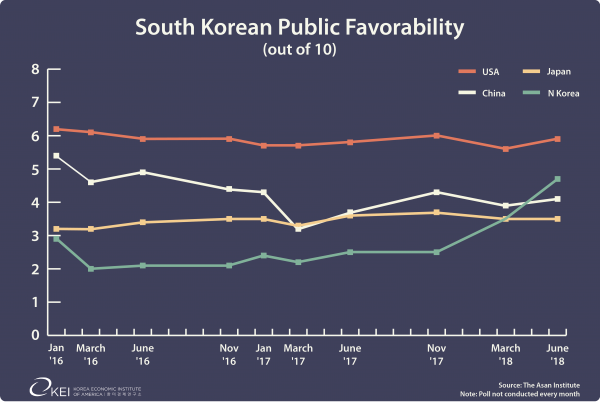
In a new poll from the Asan Institute, South Korean public opinion of North Korea has greatly increased since the beginning of 2018, hitting 4.71 out of 10 in their June poll.
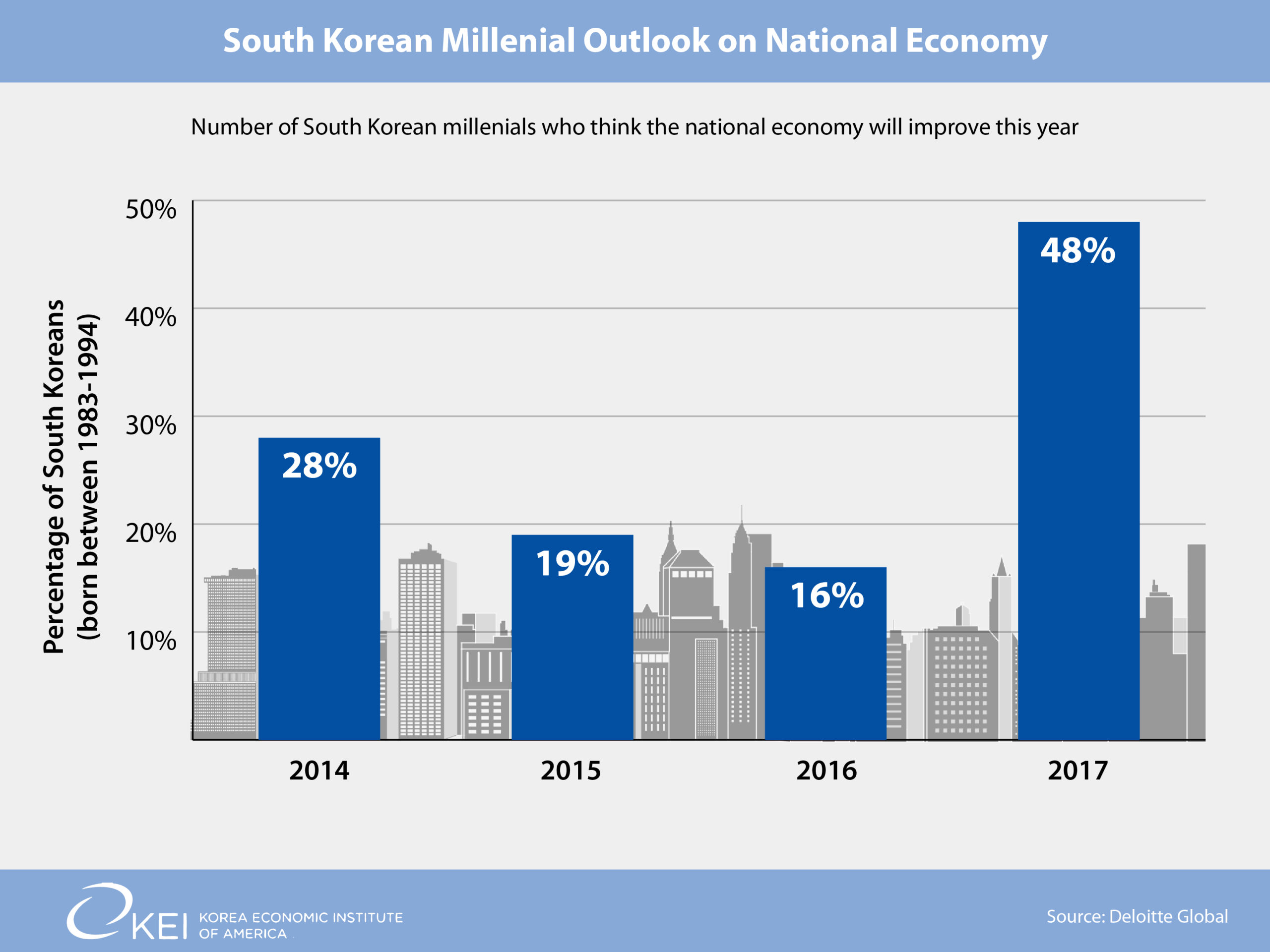
For the first time in years, young South Koreans are optimistic about their country’s economy – even though major economic issues have not gone away.
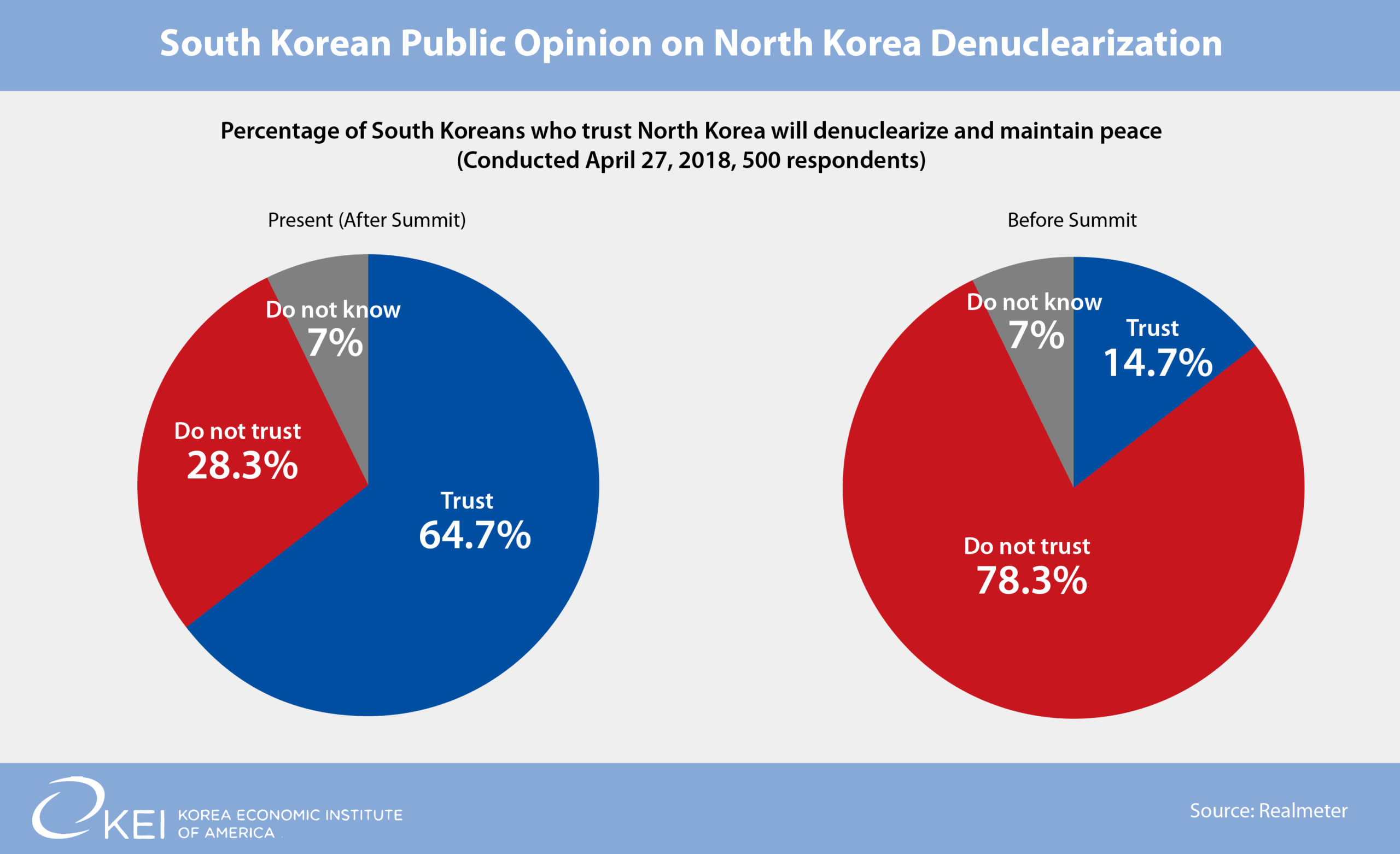
The significant shift in poll numbers highlight how impactful the summit was for South Koreans and their hopes for a peaceful resolution on the Korean peninsula.
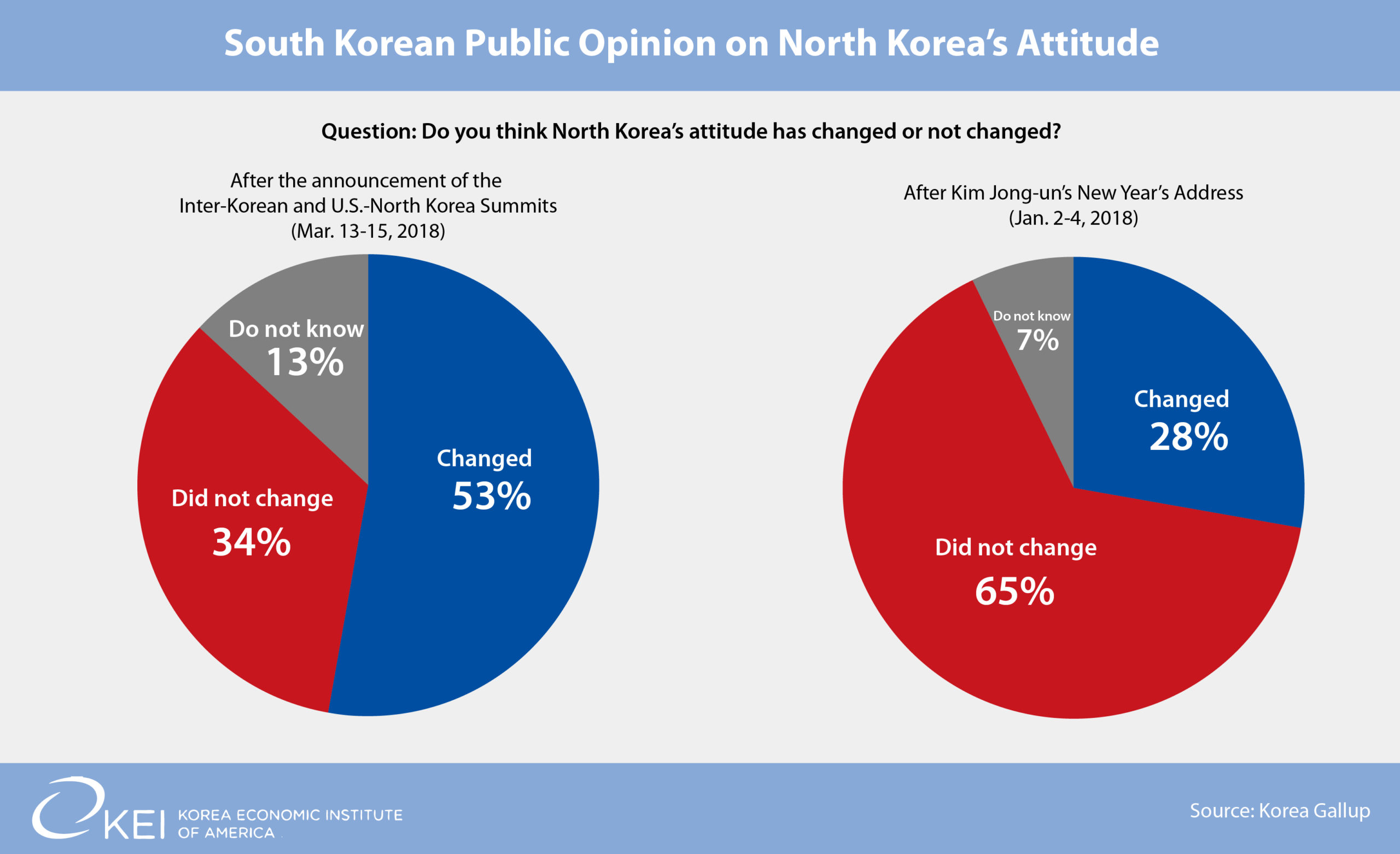
Having lived under the North Korean threat for decades, South Koreans are very familiar with the deadly provocations and broken promises of the past. The upcoming summits are undoubtedly meaningful, but like many throughout the global community, South Koreans are cautiously optimistic of what developments the talks will bring.
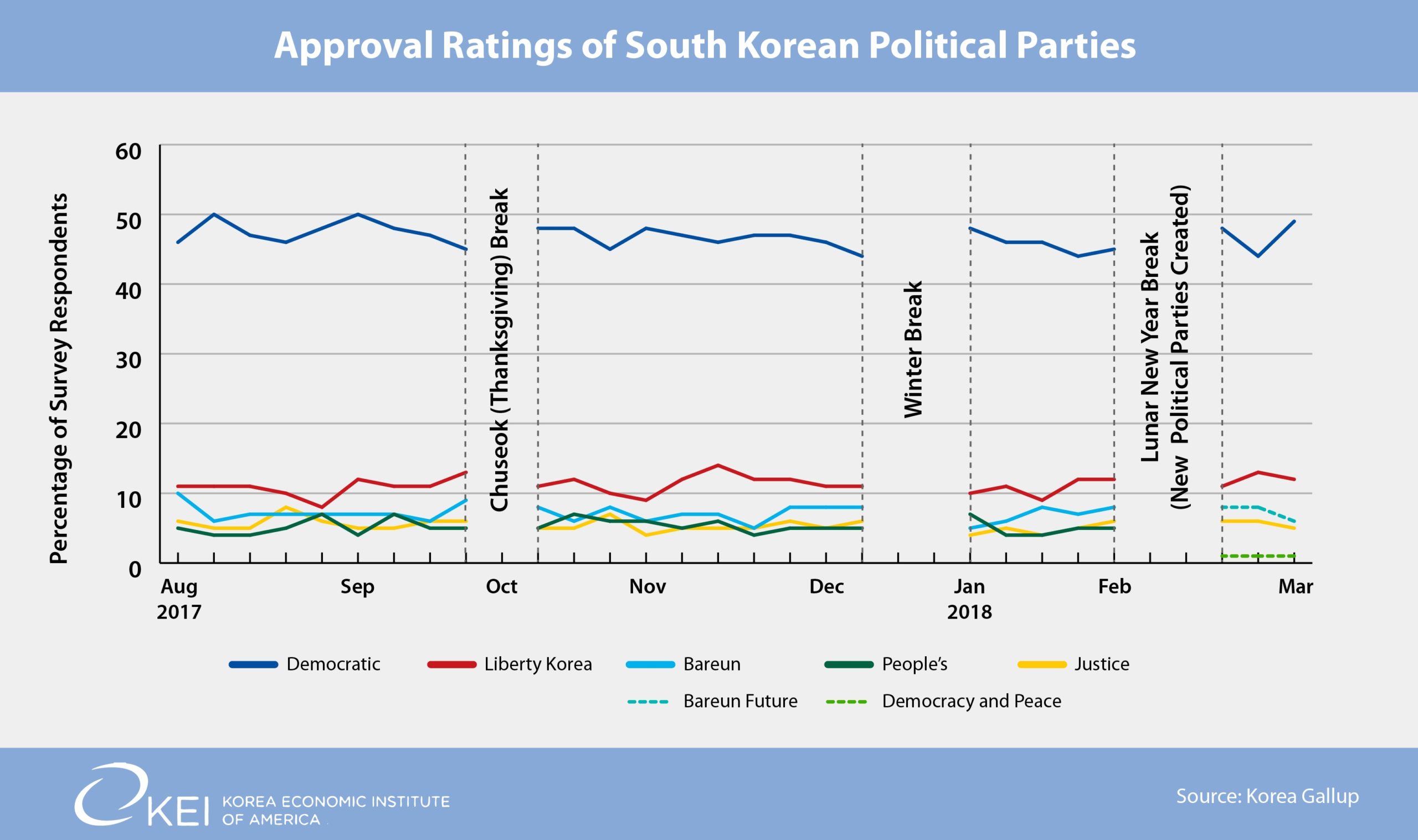
The Bareun Future leadership hopes that the new party will be a watershed in Korean politics, which is dominated by a two-party system and regionalism.
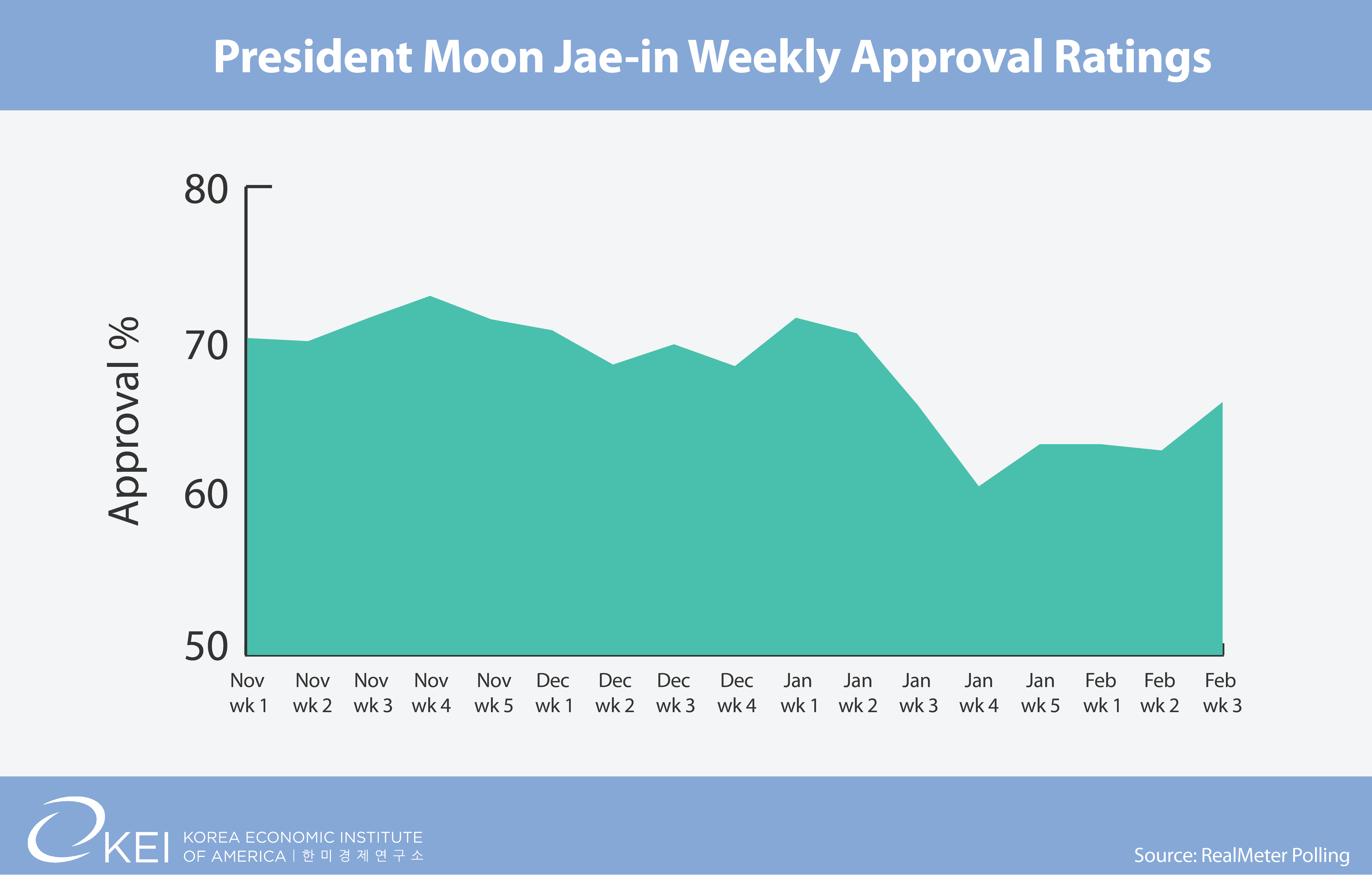
Moon’s recent engagement of North Korea as part of the PyeongChang Olympics brought mixed reviews, and lowered his previously sky-high approval ratings.
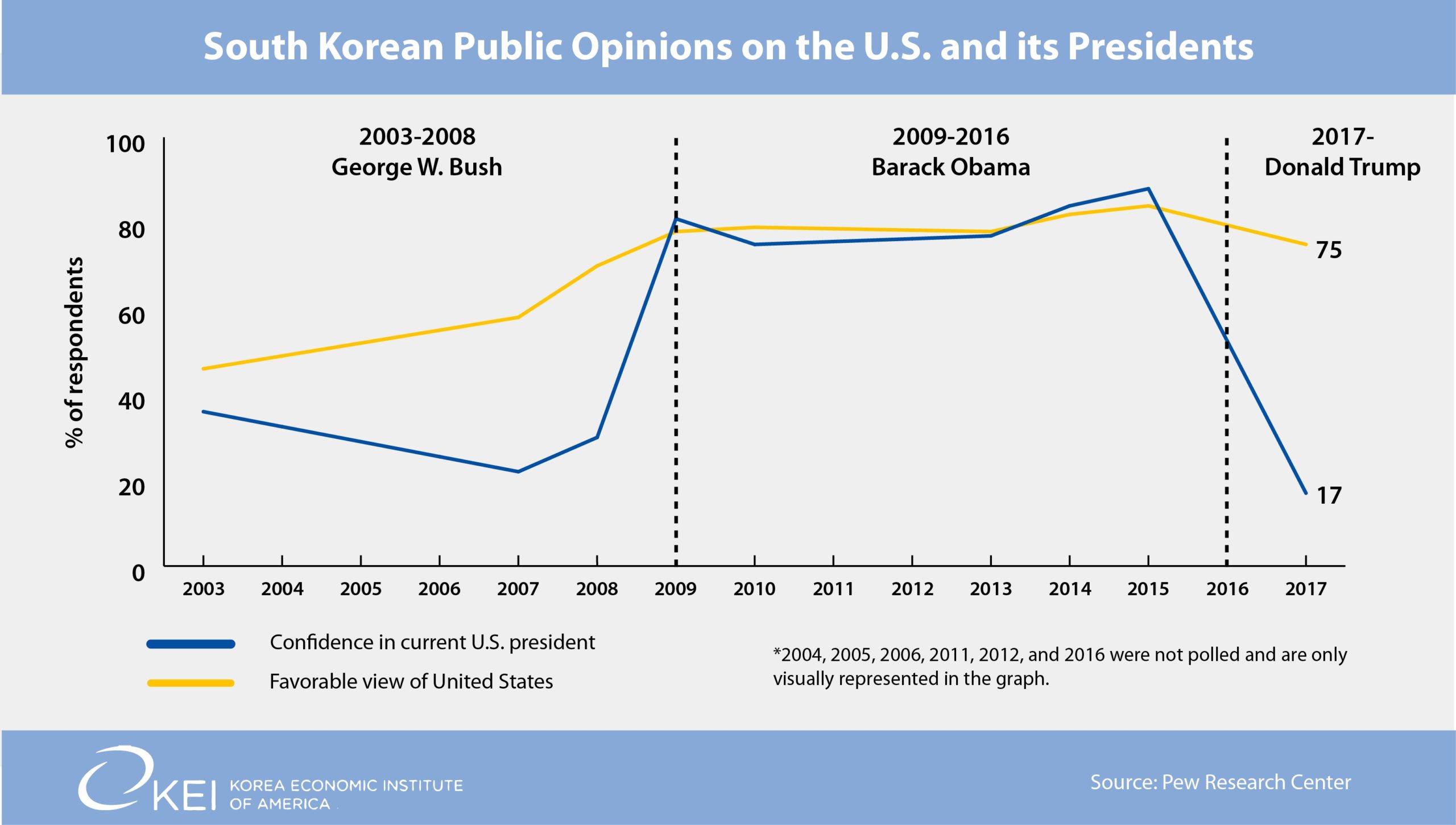
Only 17% of South Koreans have confidence in President Donald Trump, which dramatically differs from public confidence in his predecessor Barack Obama.
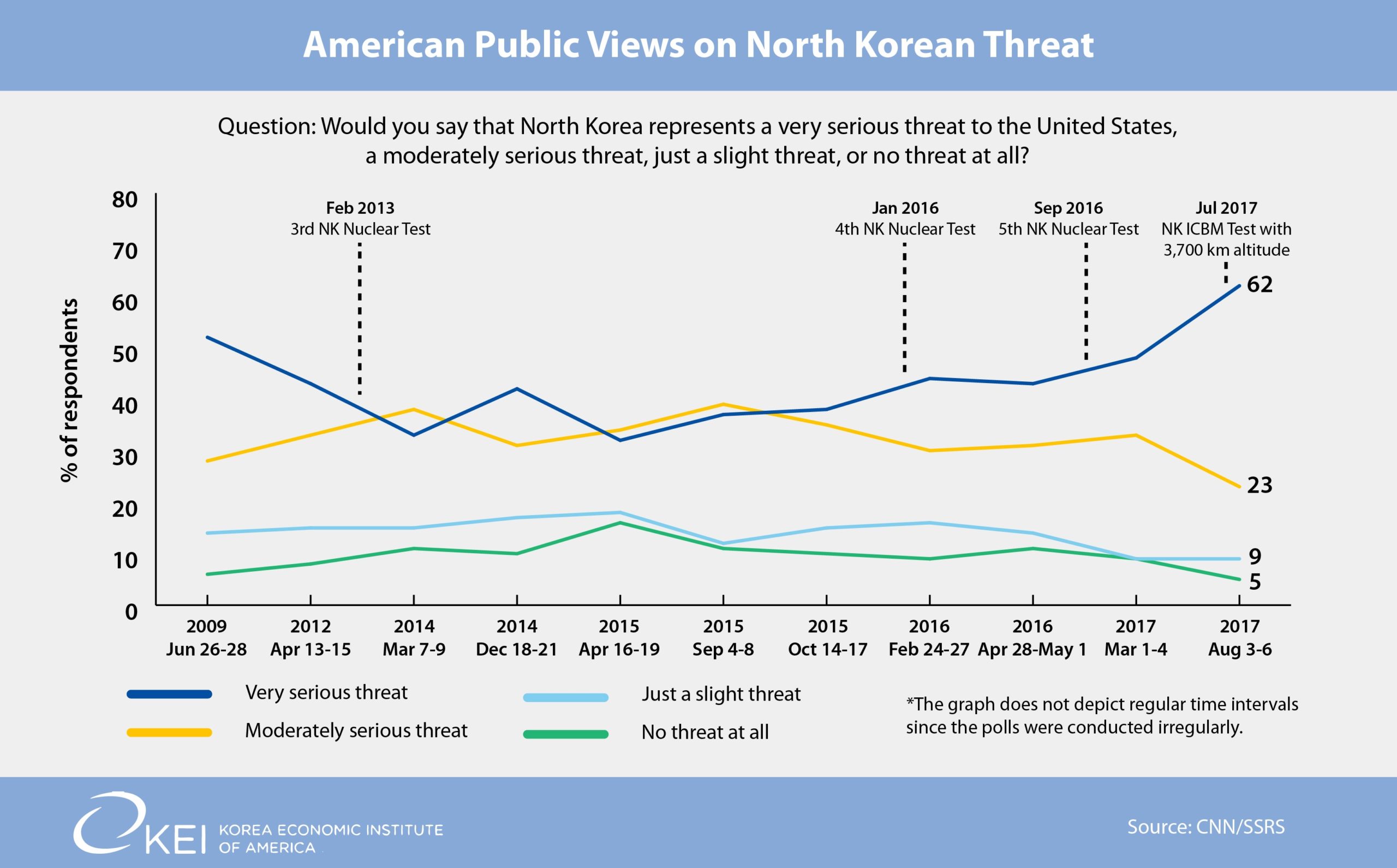
Despite growing American concerns over North Korea’s weapons capabilities, South Koreans increasingly view war with North Korea as less likely.