Young Voters Have Long Held the Keys to Electoral Victory
Outcomes from presidential elections over the past two decades suggest the youth vote is a nearly reliable predictor of victory, but that support is not guaranteed for either party.

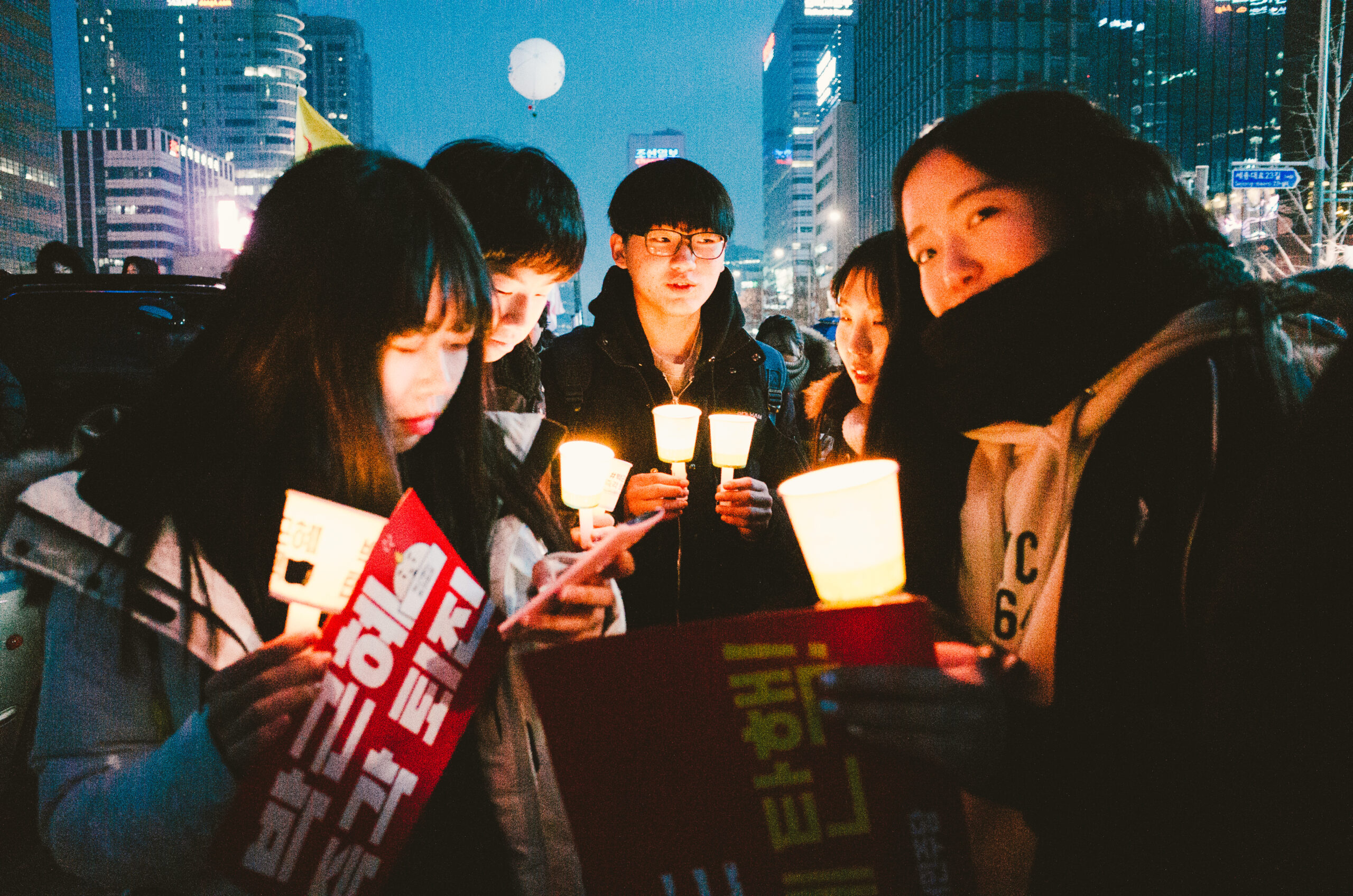
Outcomes from presidential elections over the past two decades suggest the youth vote is a nearly reliable predictor of victory, but that support is not guaranteed for either party.
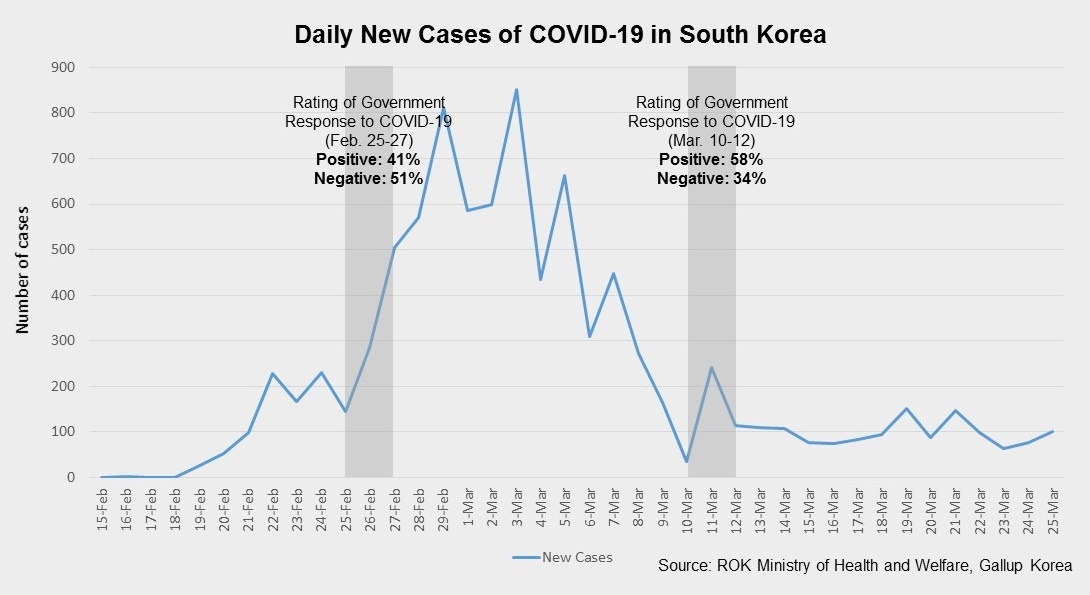
Korea received glowing international media coverage for its efforts to contain the virus and reduce the death toll, but the domestic reaction is more mixed.

Japanese perceptions of security threats suggests that Tokyo would find public support for an effort to improve relations with Seoul.
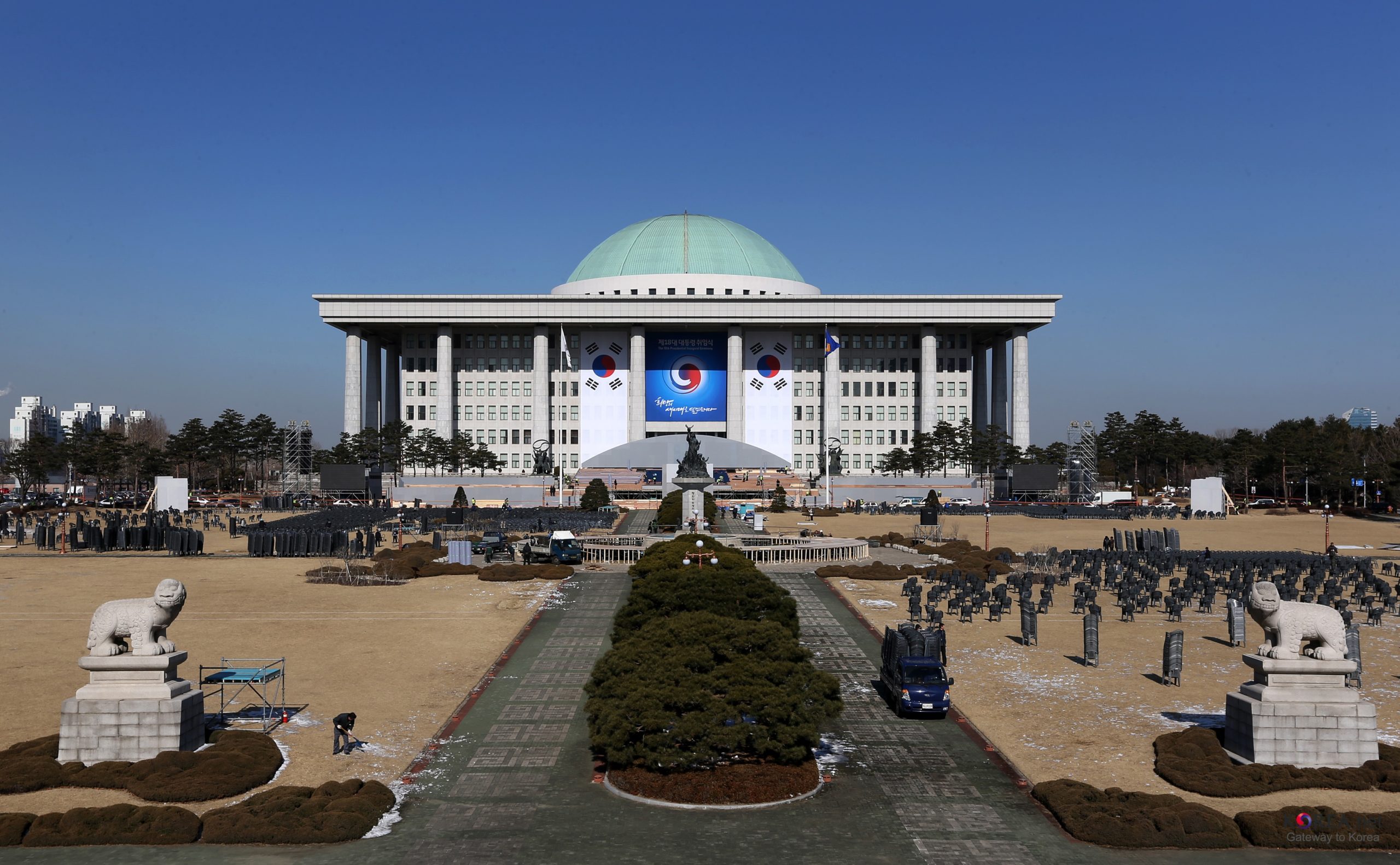
Politicians are trying to garner attention by advancing measures that would contain the coronavirus, but the impact of the virus on public opinion may be overstated.
Growing number of people from both sides of the political spectrum are demanding the leading political parties to put forward new faces.
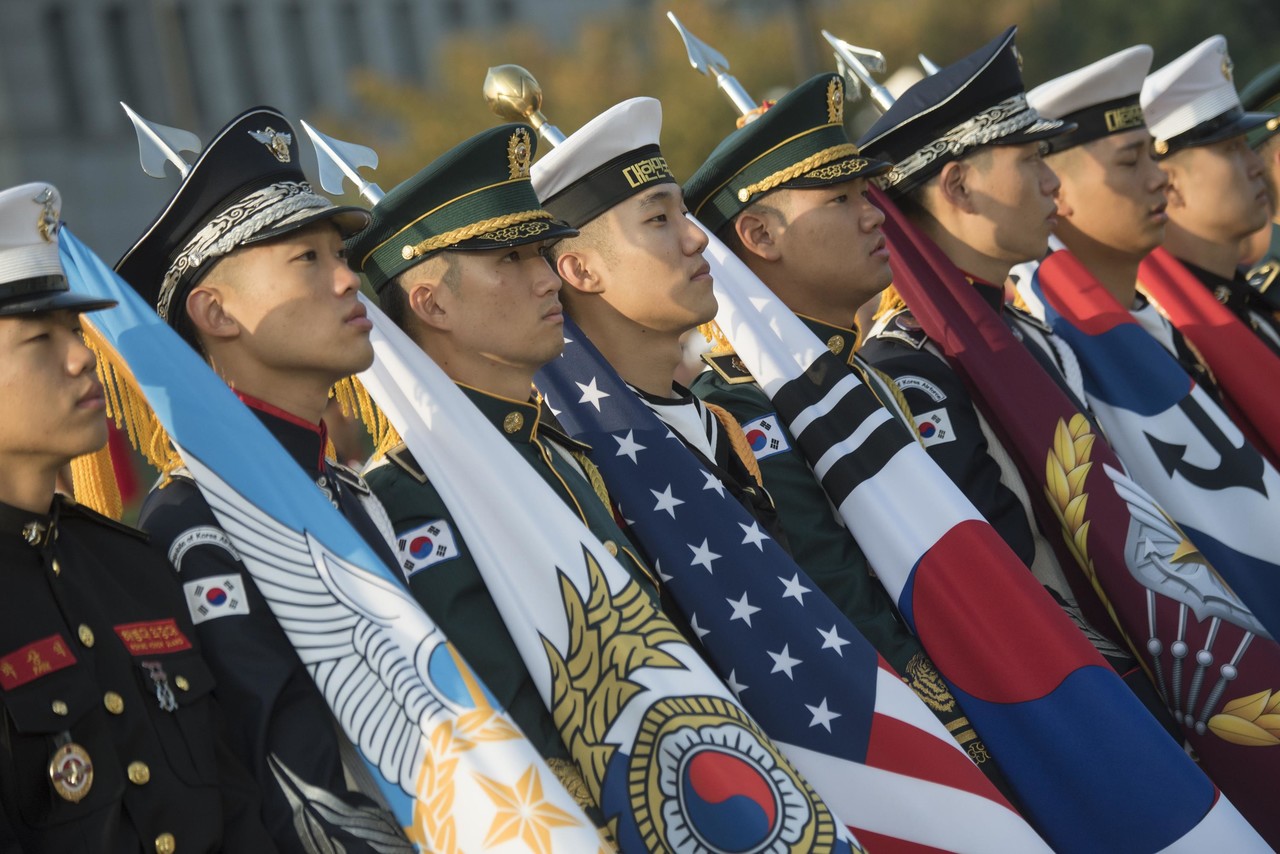
The government’s public relations campaign aims to address disaffection among young men who are chafing under military service obligations.
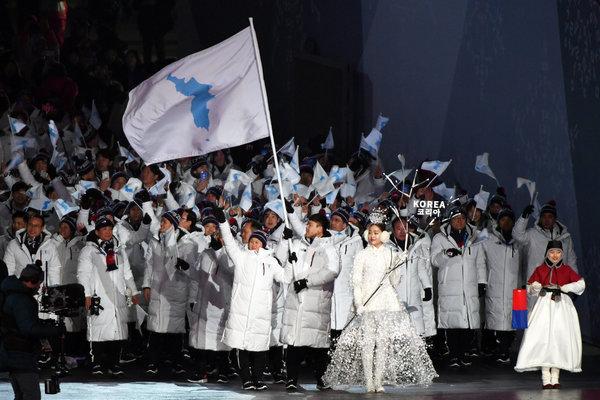
While it remains an avenue for engagement with North Korea, South Koreans are more wary of bearing the cost of sports diplomacy.

Many partisan internet users are engaging in an arms race to manipulate search tools rather than engaging in substantive policy discussions.
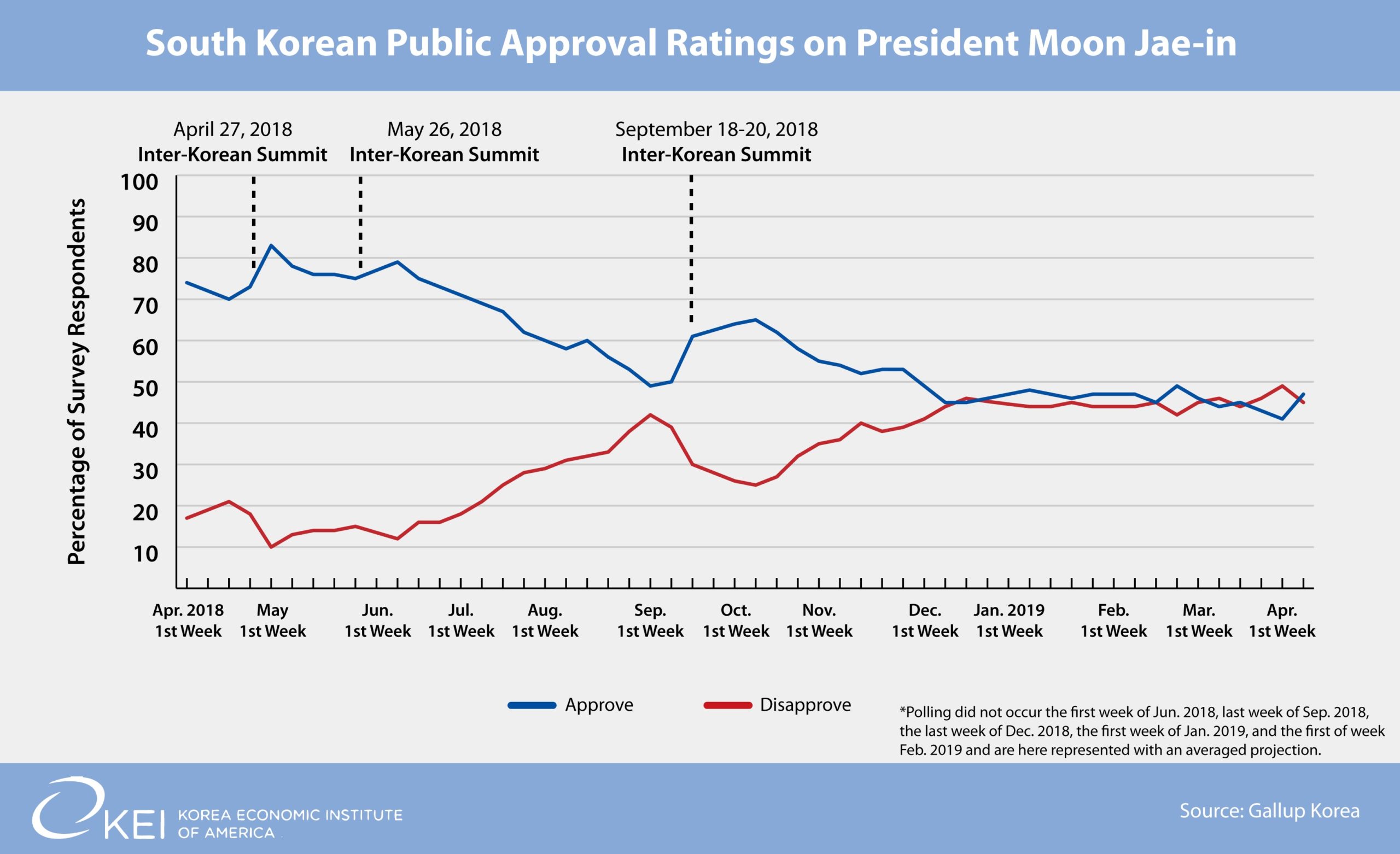
Moon is at a pivotal crossroads as the initial enthusiasm over the revival of the Korean peace process that buoyed his approval rating has steadily waned.
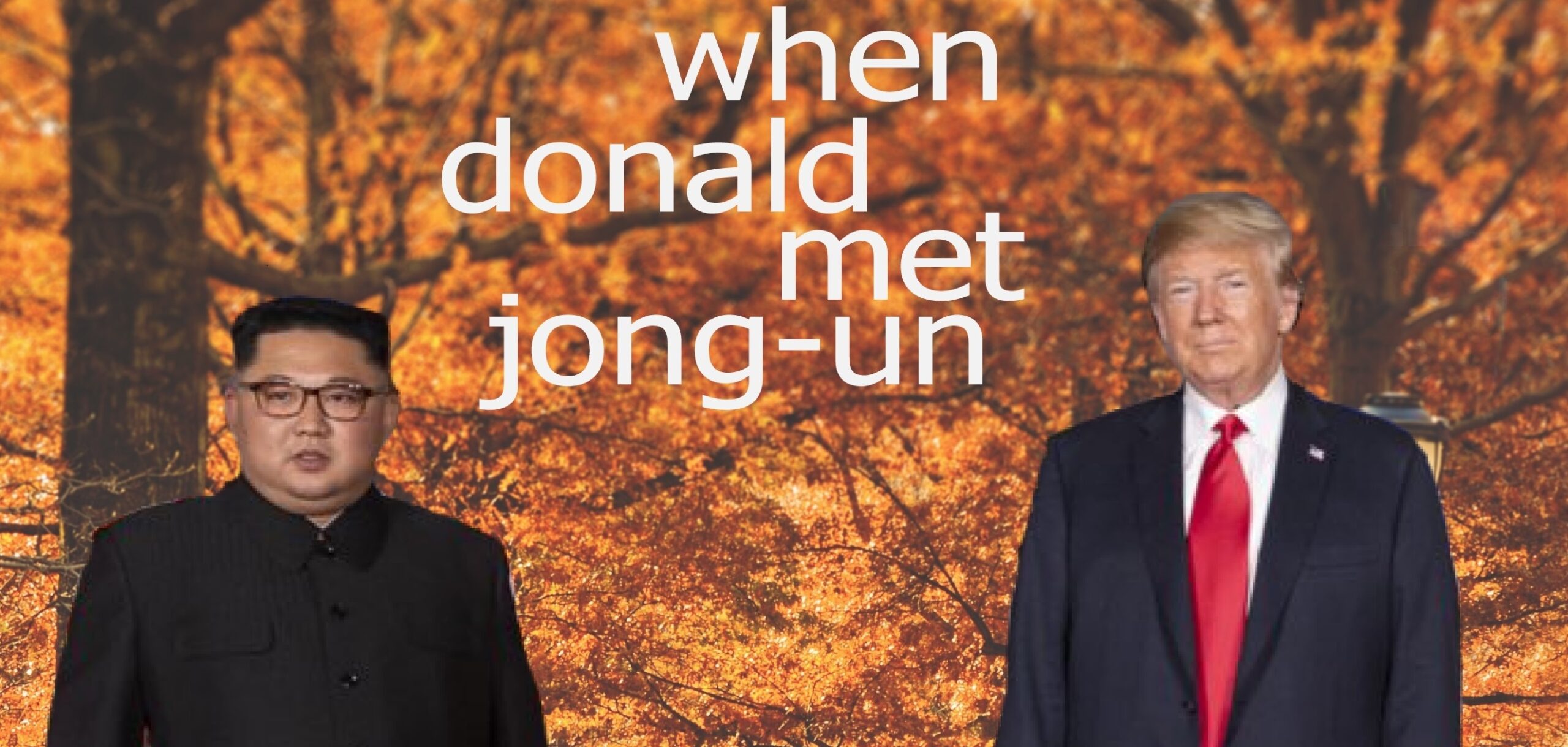
If 2017 was the year of “fire and fury,” 2018 saw the United States and North Korea turn from the rhetoric of war to diplomacy.