Blind Spot in South Korea’s E-Governance
South Korea’s e-governance may be leaving older adults who are most at risk of COVID-19 uninformed of critical announcements.

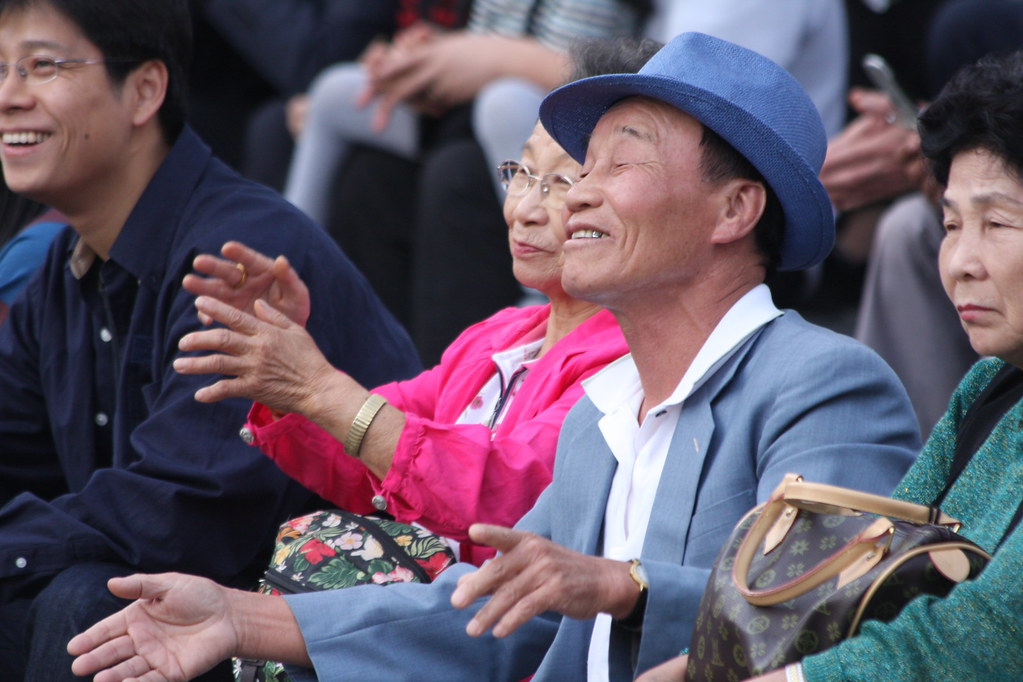
South Korea’s e-governance may be leaving older adults who are most at risk of COVID-19 uninformed of critical announcements.

Politicians are trying to garner attention by advancing measures that would contain the coronavirus, but the impact of the virus on public opinion may be overstated.
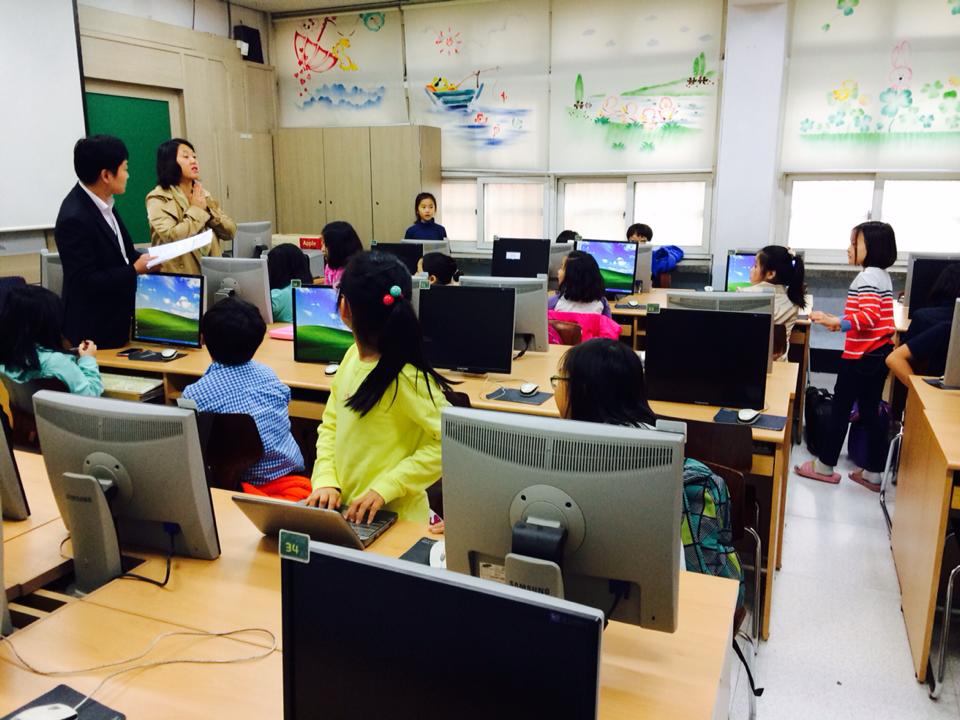
Civilian participation in disseminating information on the coronavirus reveals the unintended benefits of public investment in software education.

Coronavirus is changing the labor-management relationship in major Korean retail companies as public policy focus turns to minimizing the economic fallout of the epidemic.
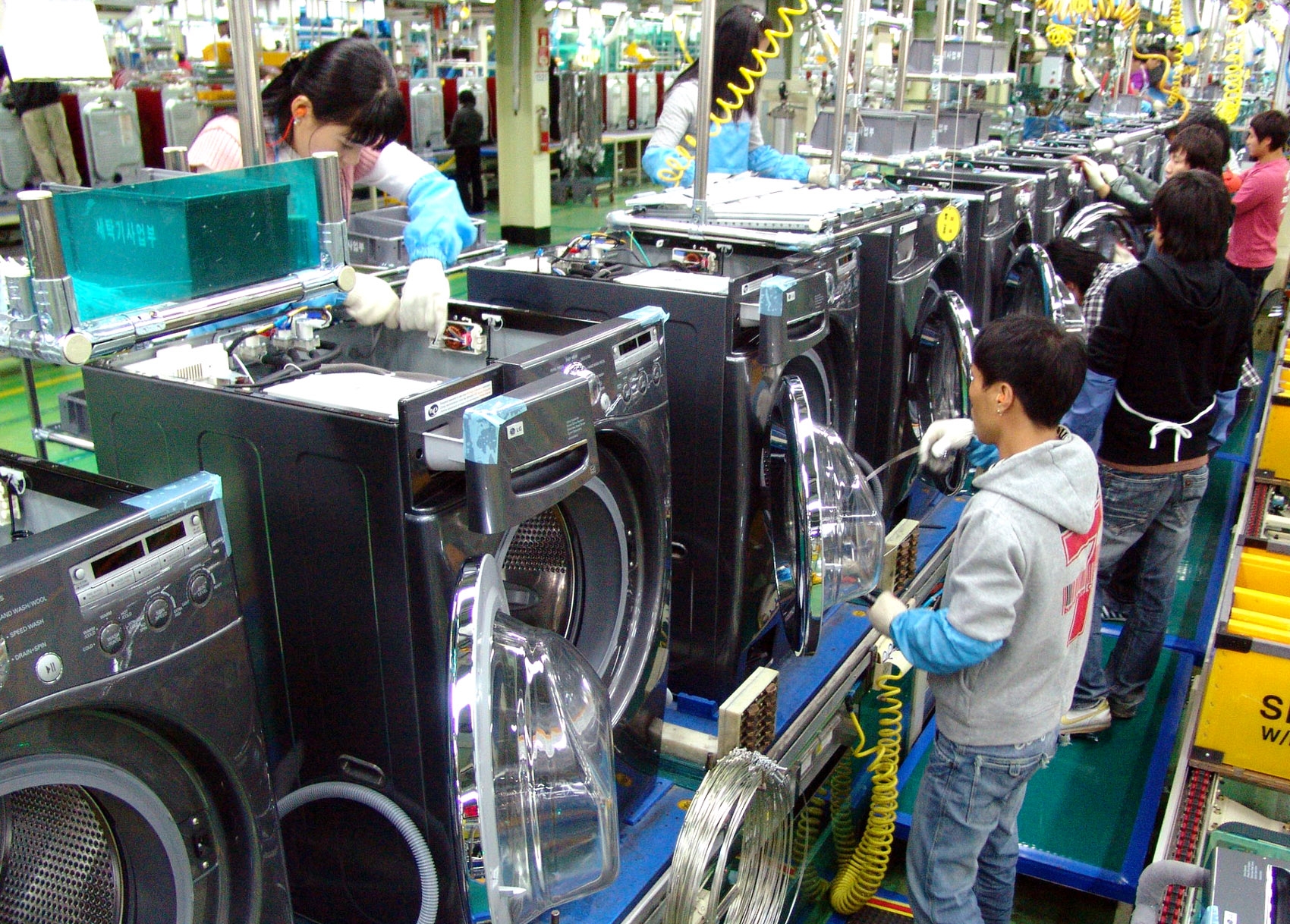
Economic uncertainties created by the coronavirus revealed that skilled workers in the manufacturing sector face more risks than other groups in the labor market.
Voters sideline political maneuvering ahead of the legislative election and focus more on the government’s efforts to stop the Coronavirus.
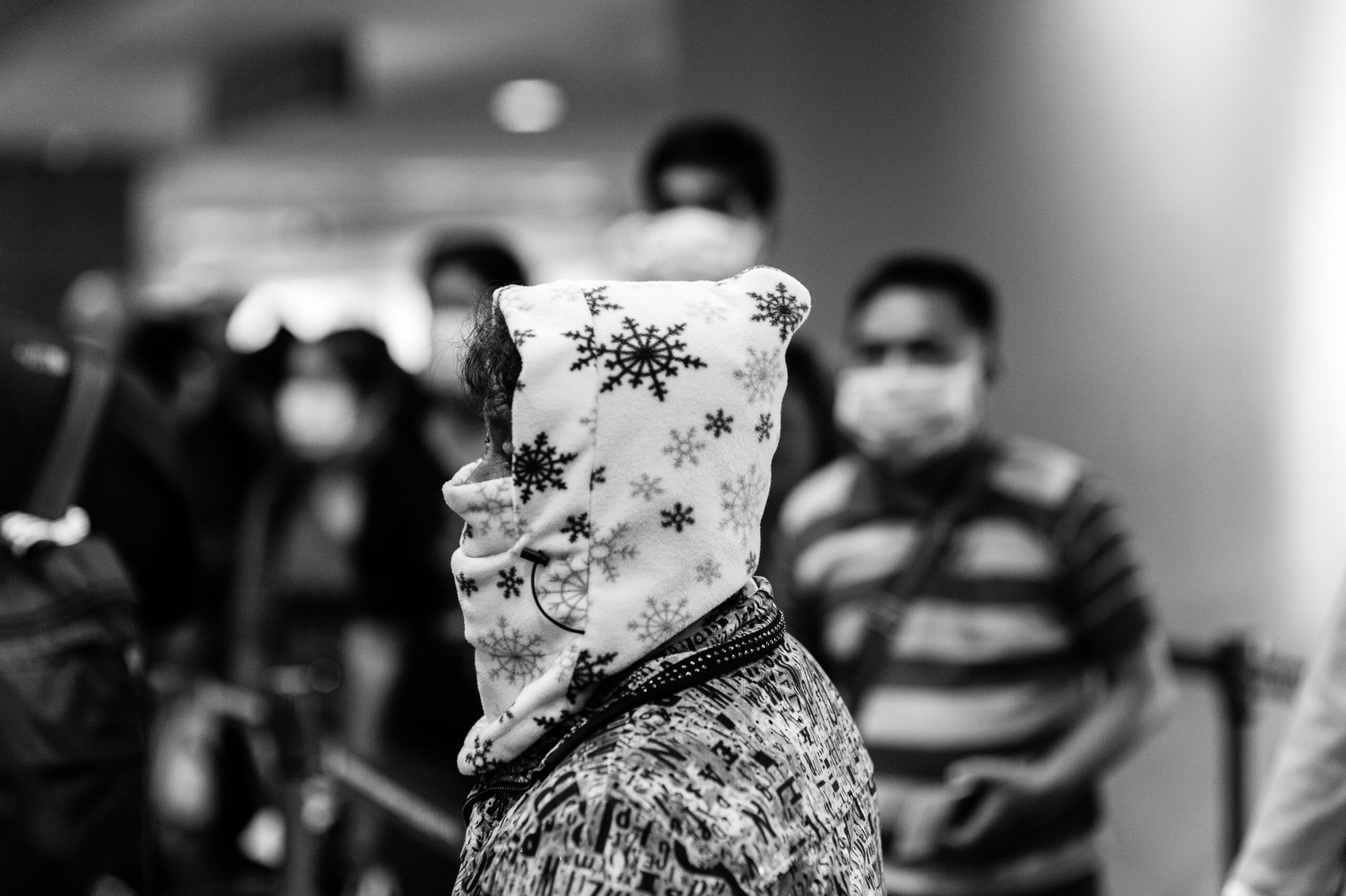
Seoul’s efforts to contain the coronavirus must also contend with public criticism that it is placing too much emphasis on upholding ties with Beijing.

The transnational contagion of African Swine Fever highlights the urgency of inter-Korean cooperation.