Local Governments Further Expand Their Policy Scope
In response to fee increases by private food delivery apps, local governments are becoming direct participants in the service industry.

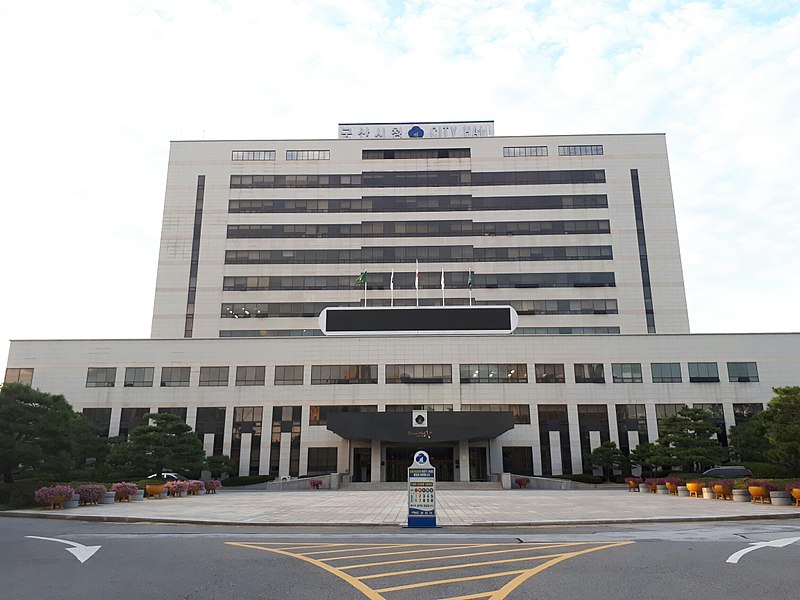
In response to fee increases by private food delivery apps, local governments are becoming direct participants in the service industry.
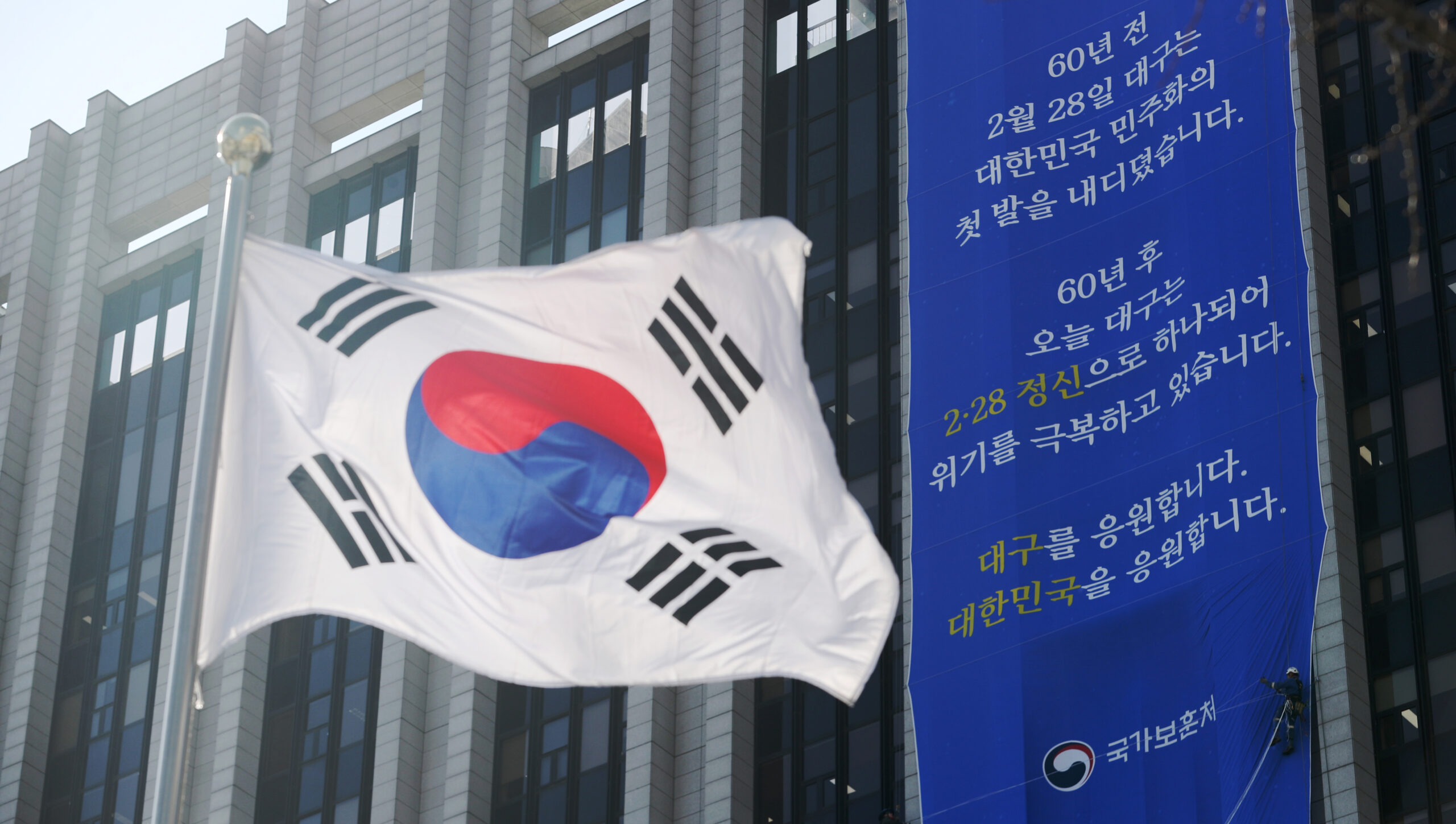
Today, South Korea attempts to thread the needle, ensuring suffrage to all eligible voters while keeping uninfected voters safe from exposure.
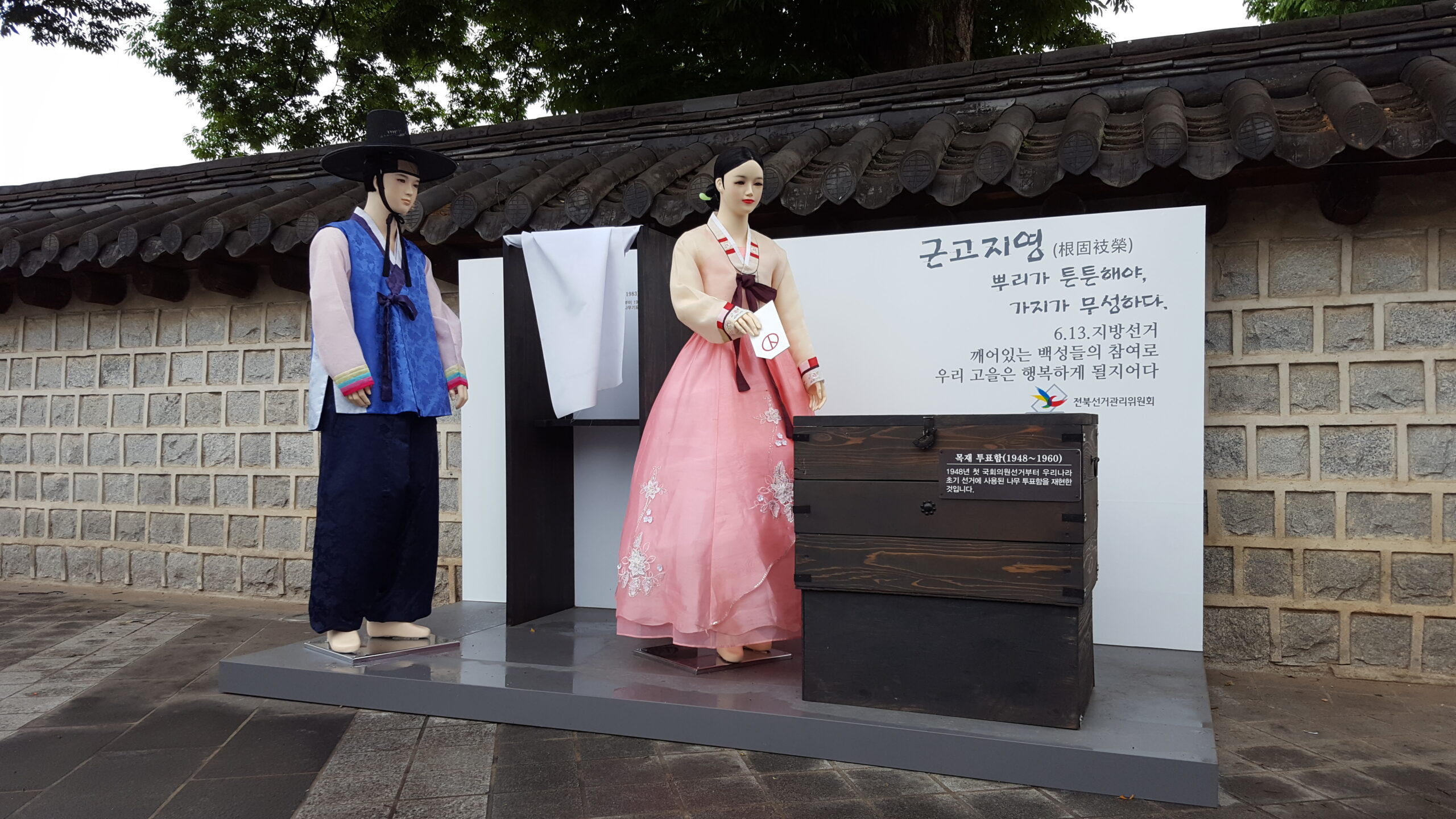
Korea’s efforts to expand the number of eligible voters did not progress sufficiently to mitigate the effects of the ongoing health crisis.
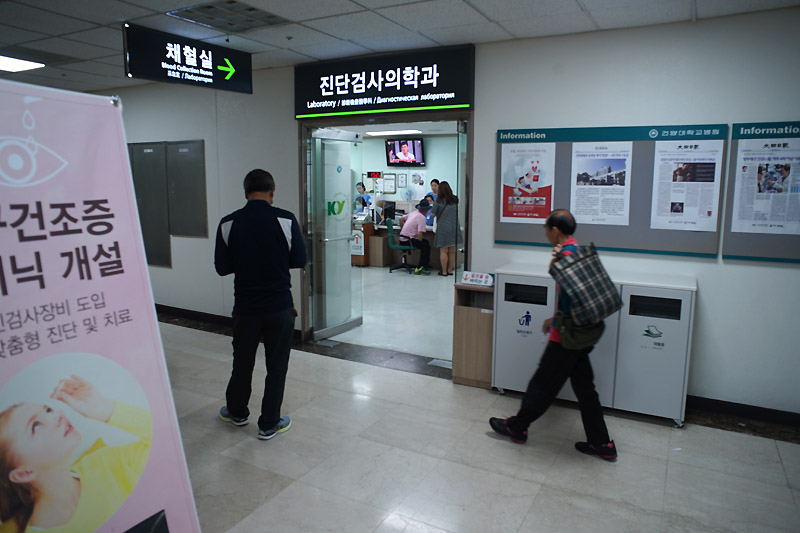
As the government uses patient information to contain the spread of COVID-19, a debate begins on whether individuals have a right to keep this data private.
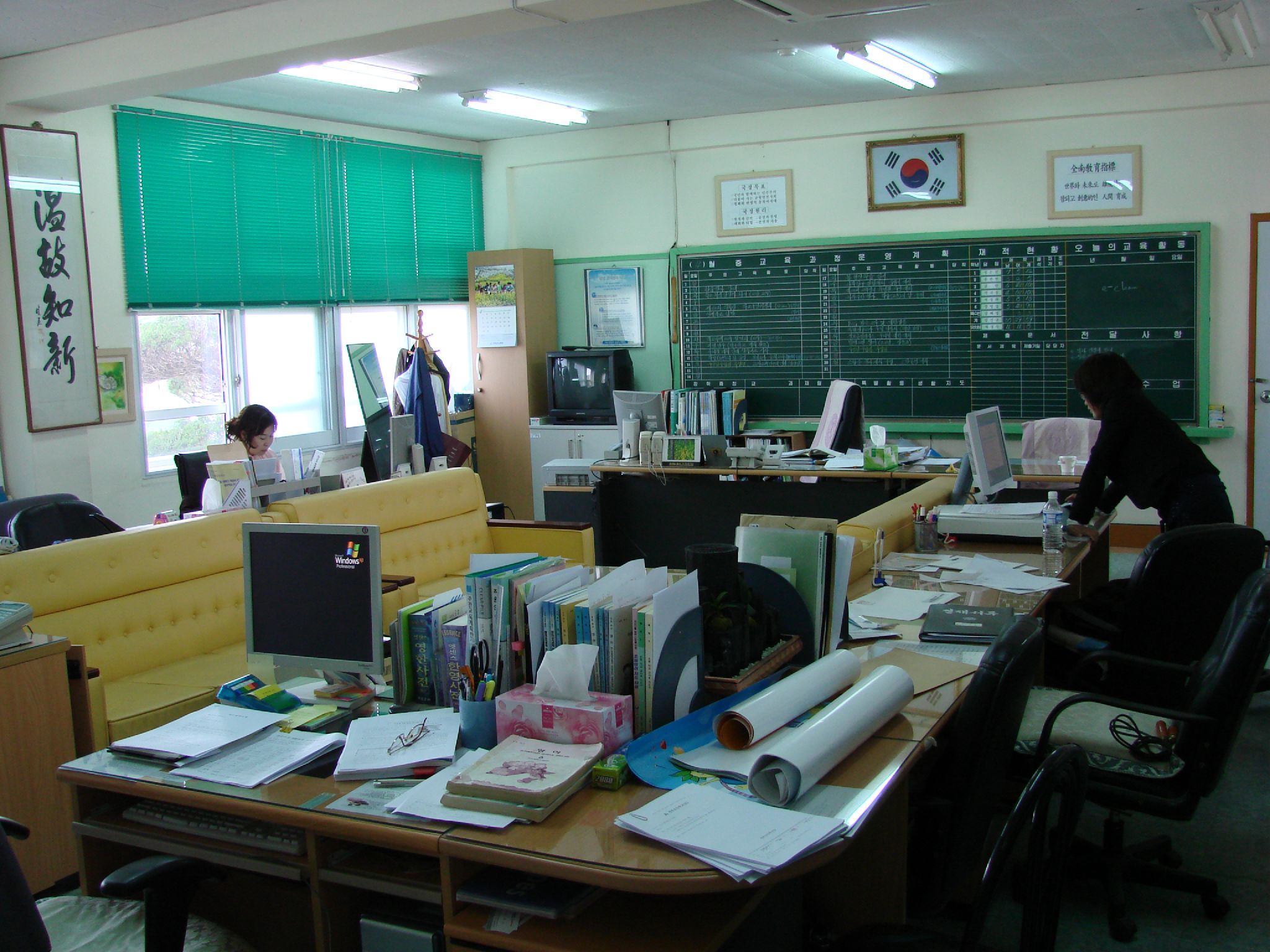
Preparation for nationwide remote schooling reveals that the centralized South Korean education system lacks adaptive capacity.
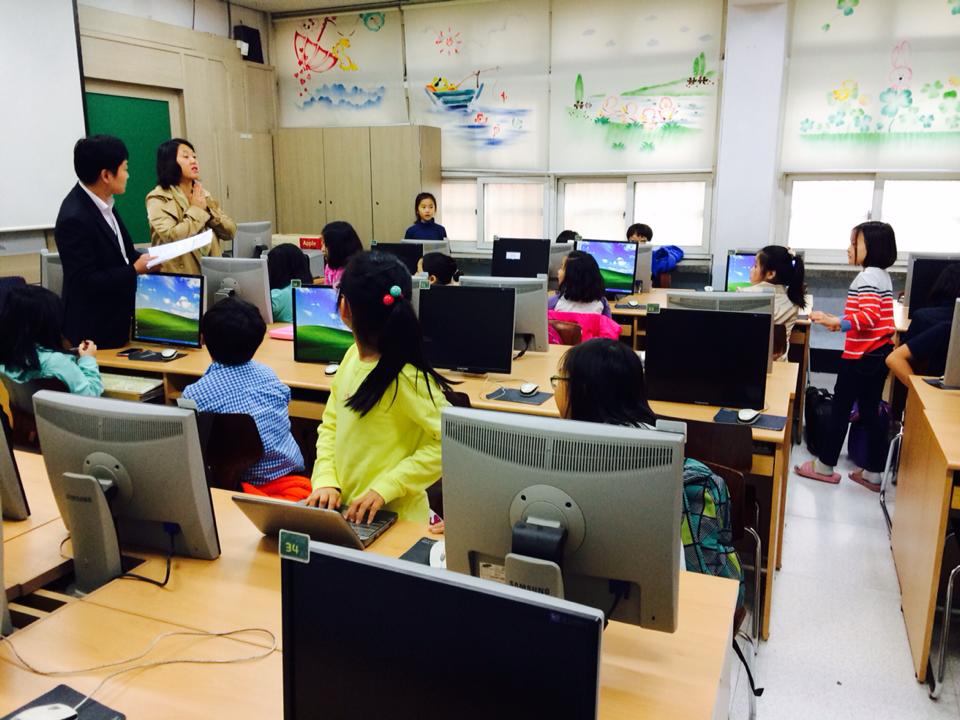
Despite significant postponements to the current semester due to COVID-19, the public remains resistant to major changes that affect the public school calendar.
The coronavirus outbreak has afforded provincial governments an opportunity to further expand their fiscal toolkits and shape the local economy.
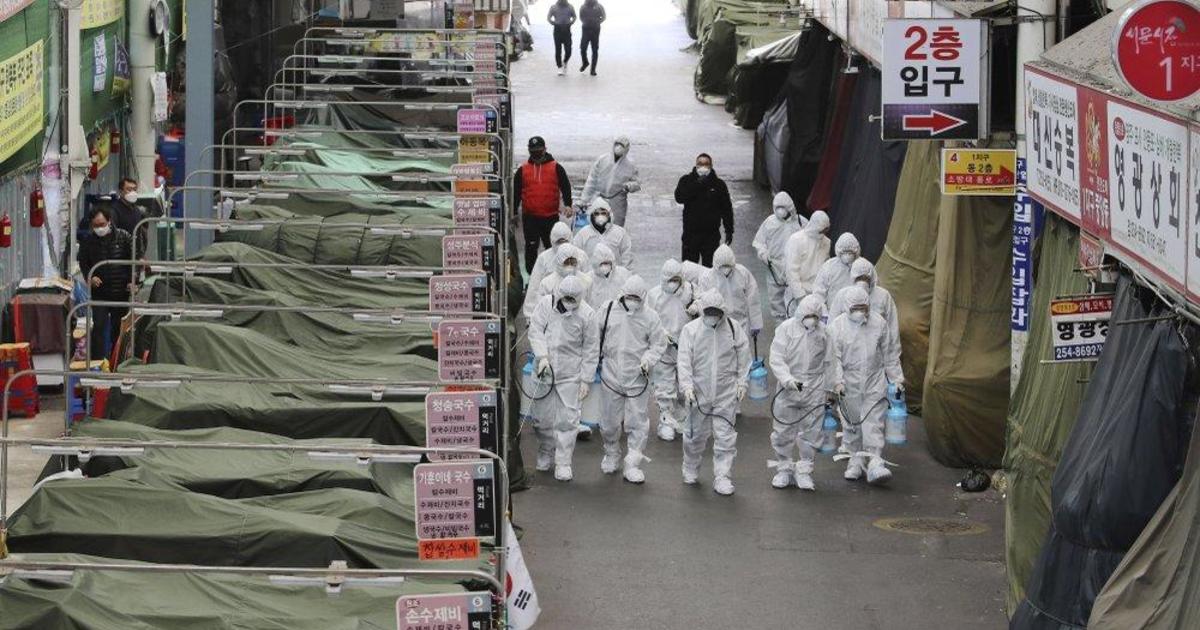
The response to the global pandemic has helped shift the narrative around small and medium enterprises, presenting them as more efficient exporters than their larger peers.
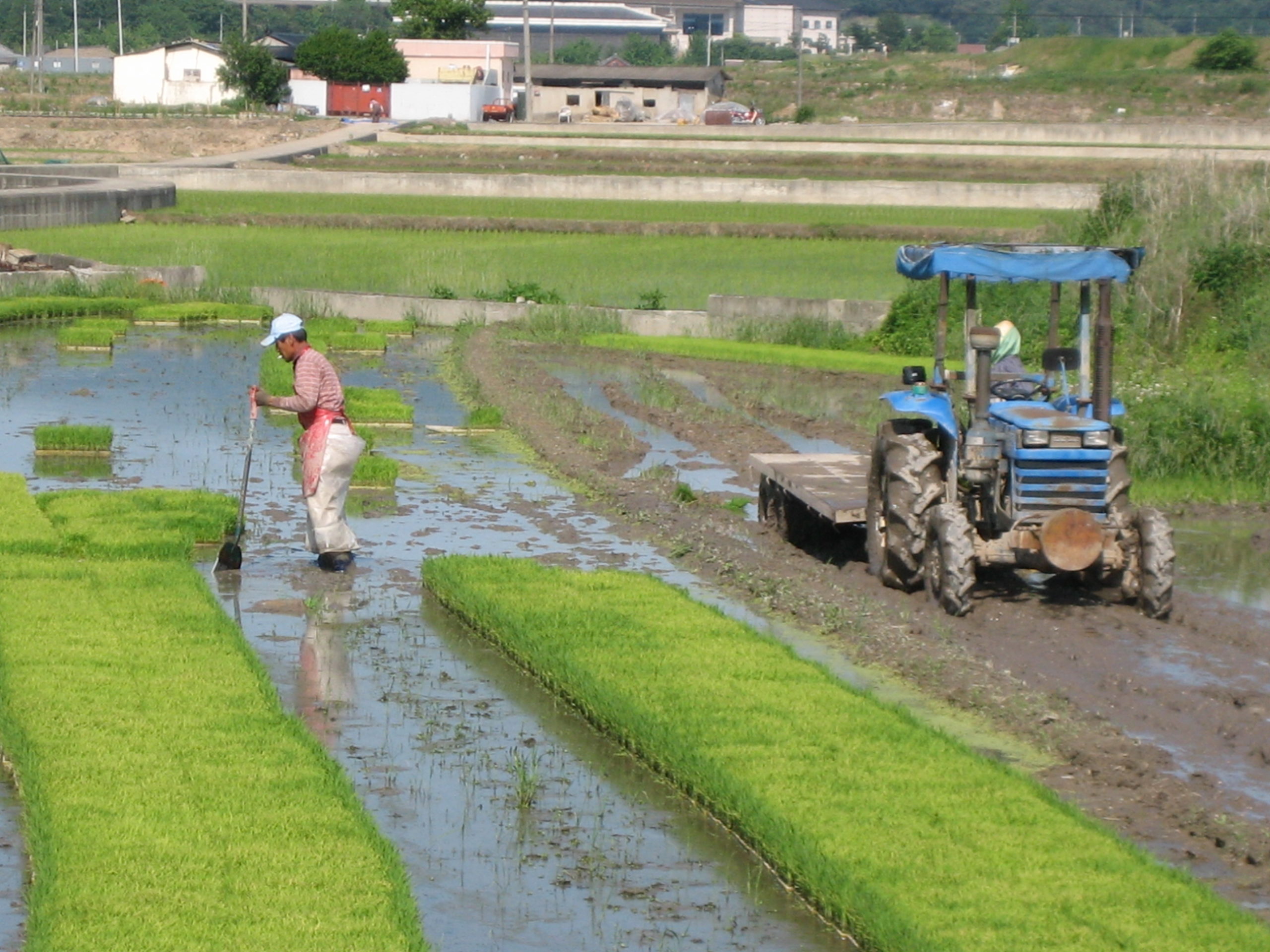
Travel restrictions that were imposed to contain the ongoing pandemic revealed how reliant South Korea’s agriculture industry is on foreign labor.

The South Korean government’s responses to Japan’s new travel restrictions suggest that bilateral relations have not recovered from tensions last year.