North Korea’s “H-bomb” Test – How to React
With the fourth test now behind us, the next question becomes: How should the international community react to the event?

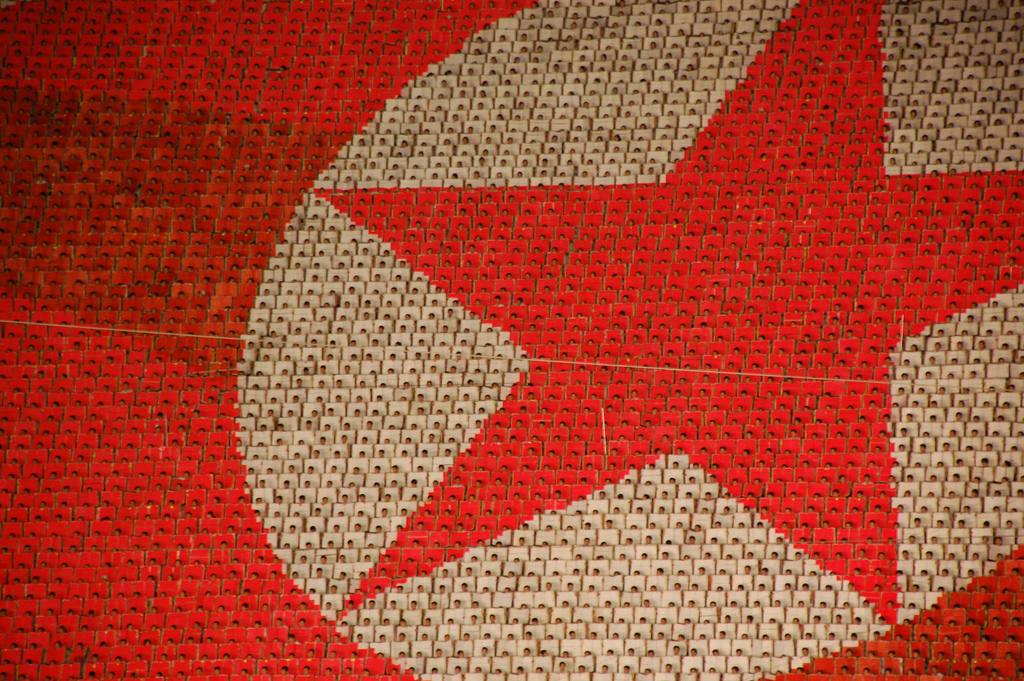
With the fourth test now behind us, the next question becomes: How should the international community react to the event?
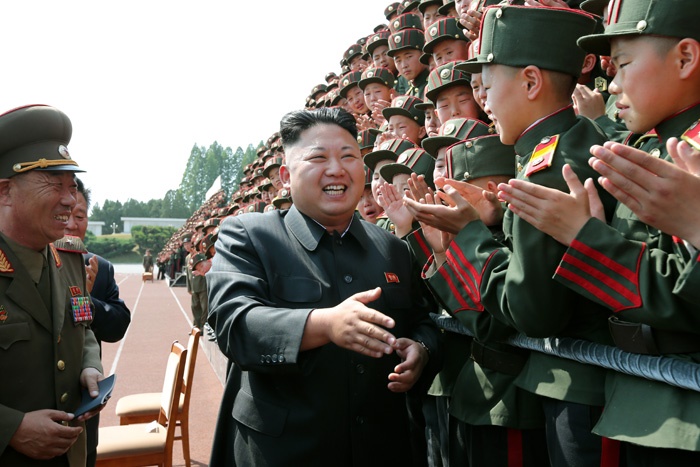
In the aftermath of what appears to be a fourth nuclear test by North Korea the question becomes, what comes next?

Earlier this month, three U.S. senators took on North Korea (DPRK) by introducing a broad sanctions bill aimed at addressing concerns about cyberwarfare and the North’s continued nuclear ambitions.
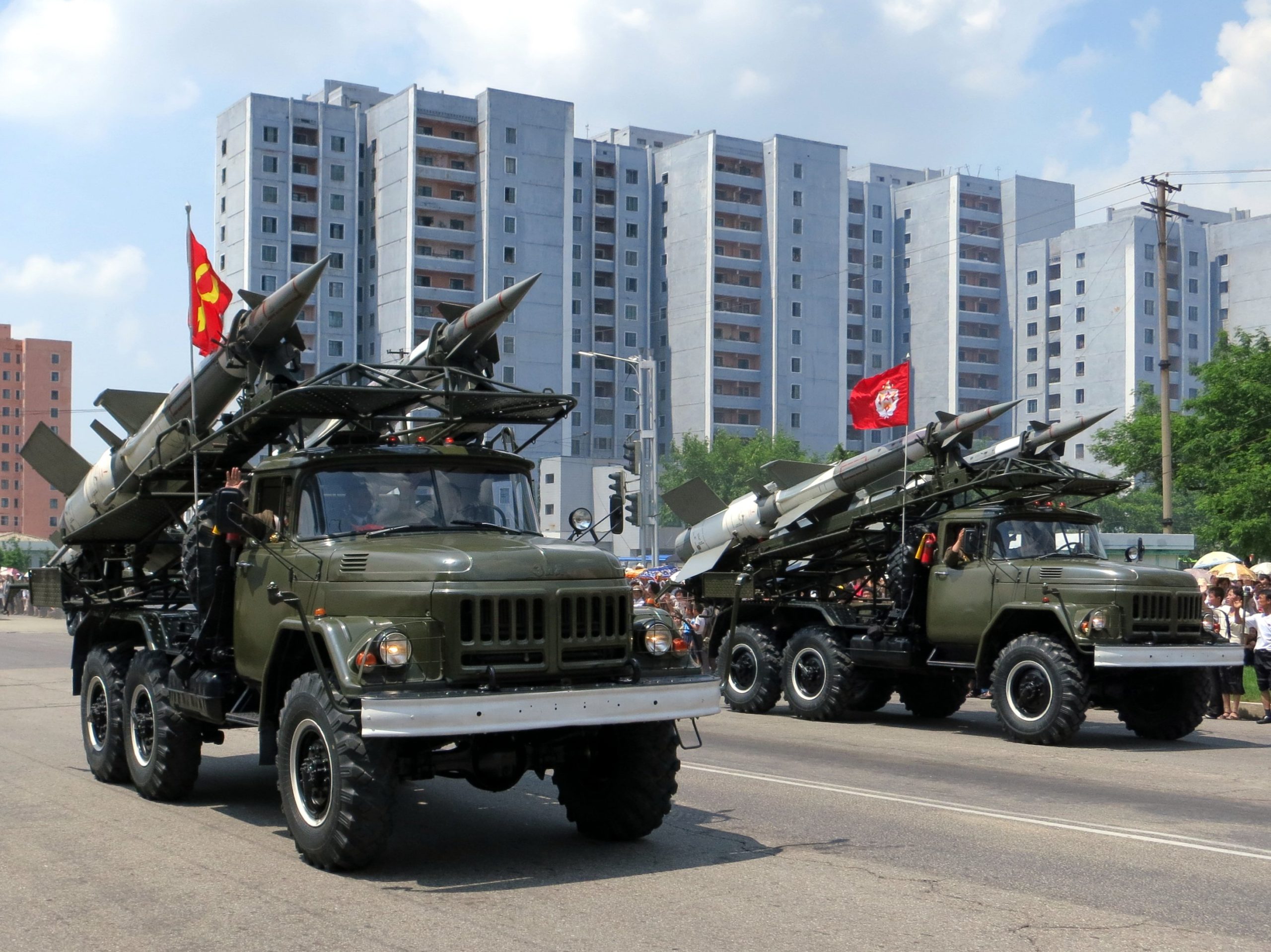
After the month of August featured shooting, shouting, and a negotiated joint statement, September mainly focused on laying the groundwork necessary to implement the August 25 agreement or to scuttle it.
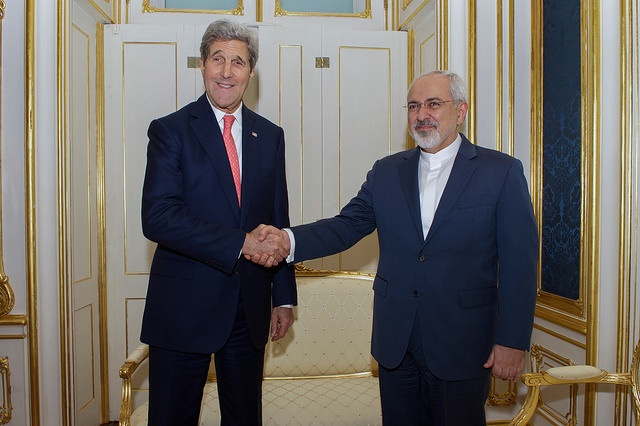
Commentators on both sides of the political spectrum have used North Korea and Iran interchangeably to buttress their position on the negotiations to corral Iran’s nuclear weapons ambition.
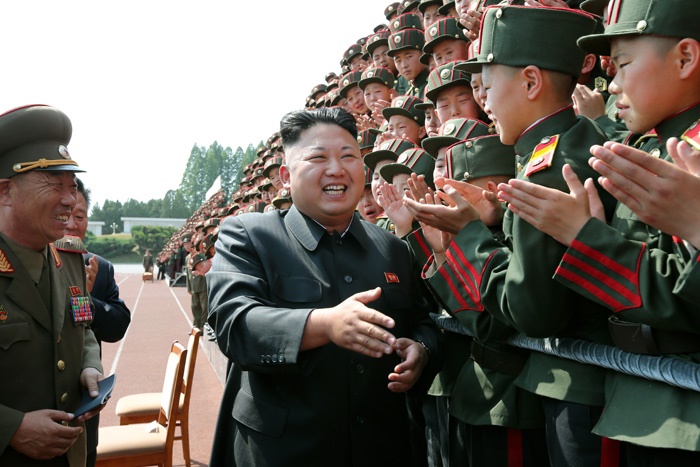
When discussing what to do about North Korea, it is often suggested that China should do more to pressure North Korea to suspend its nuclear weapons program, stop military provocations, create a more constructive relationship with South Korea, and improve the lives of North Koreans.
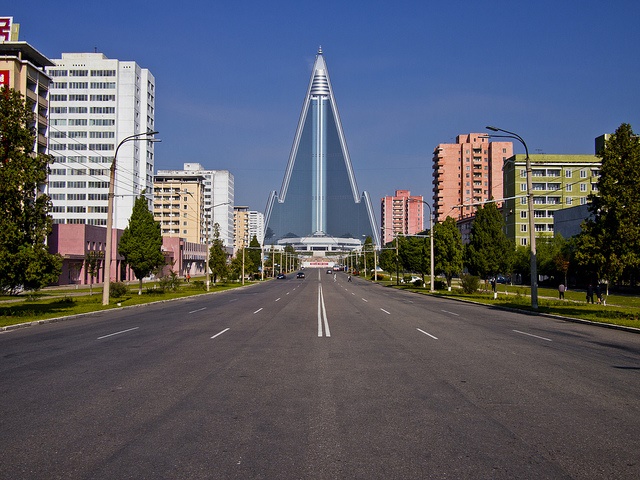
Although Washington has not signaled any intended shift in foreign policy, the rapidly changing East Asian security environment and the failure of current strategies necessitate a recalibration of the current U.S. position on North Korea
Proponents of sanctions typically come at the task with a variety of aims, and the North Korea Sanctions Enforcement Act of 2014 is no exception.
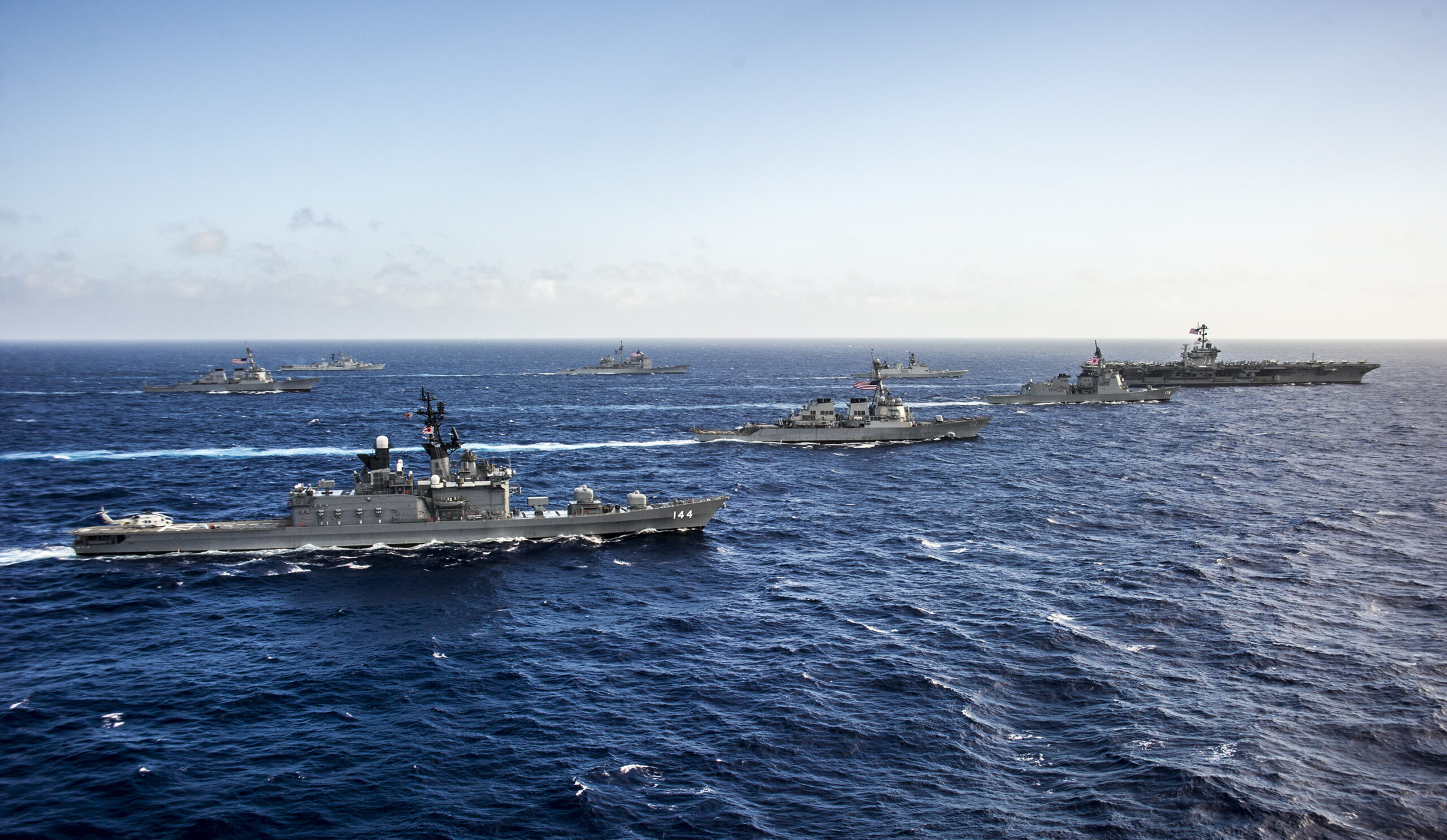
Amid Congressional gridlock, the border crisis and a lawsuit against the President, a rather important and potentially consequential bill passed the House without much attention….
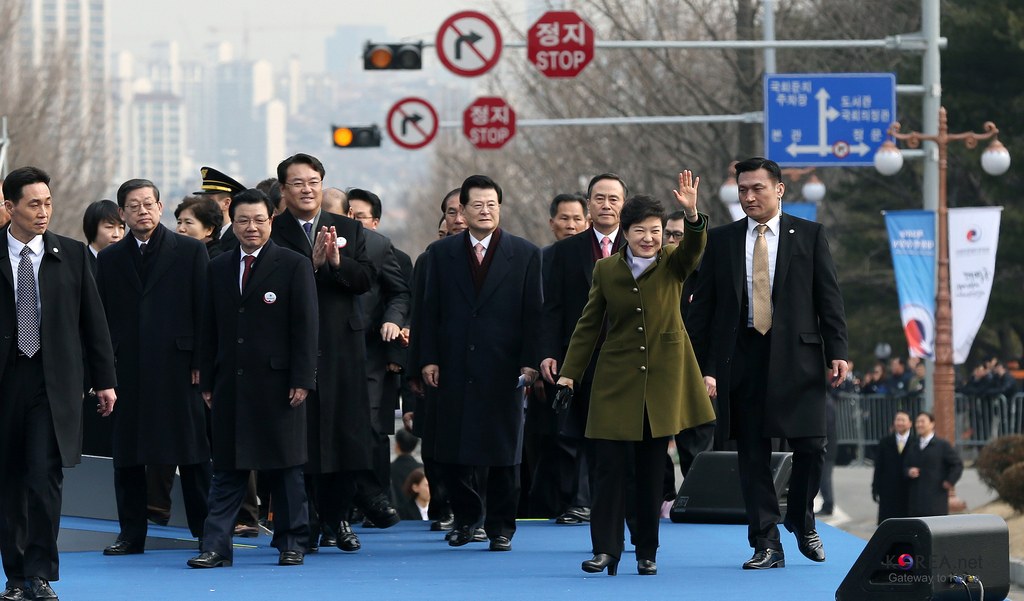
As we look back at the events that helped to shape 2013, we are also looking back the predictions The Peninsula made in our annual “10 Things to Watch for on the Korean Peninsula in 2013” blog.