How the War in Iran Reshapes South Korea and Japan’s Nuclear Strategy
Iran’s failure to achieve nuclear latency has significant implications for South Korea and Japan’s thinking on their own nuclear strategy.

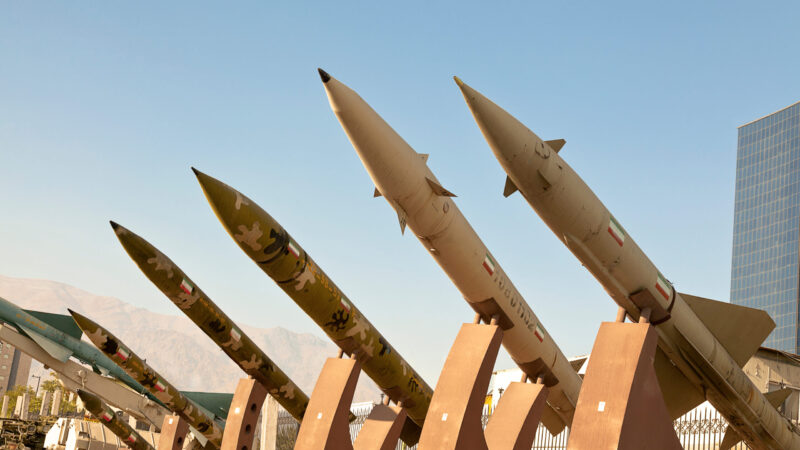
Iran’s failure to achieve nuclear latency has significant implications for South Korea and Japan’s thinking on their own nuclear strategy.
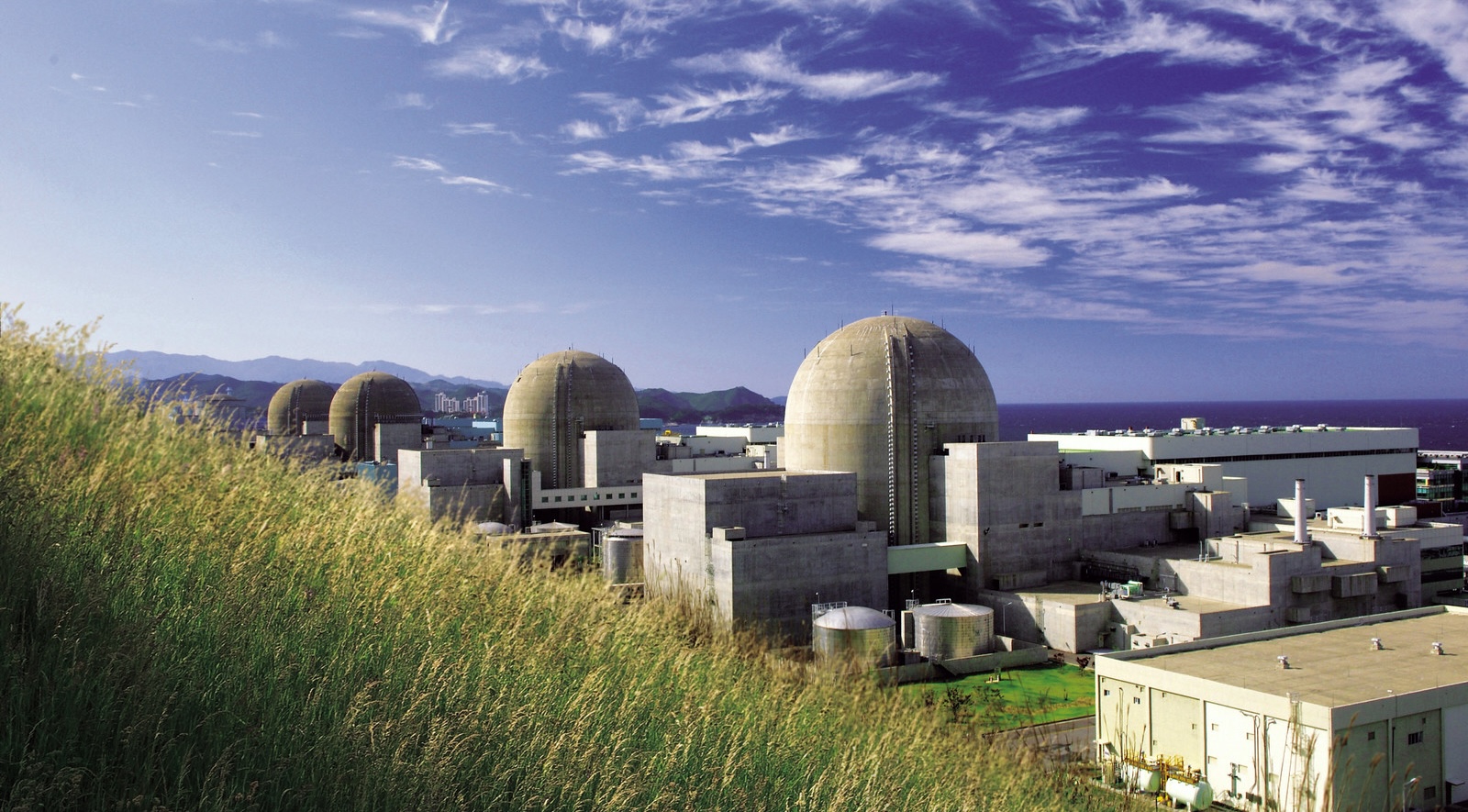
Anxiety about U.S. security commitments is opening conversations in Seoul about reprocessing spent fuel from power reactors to extract plutonium or enrich uranium
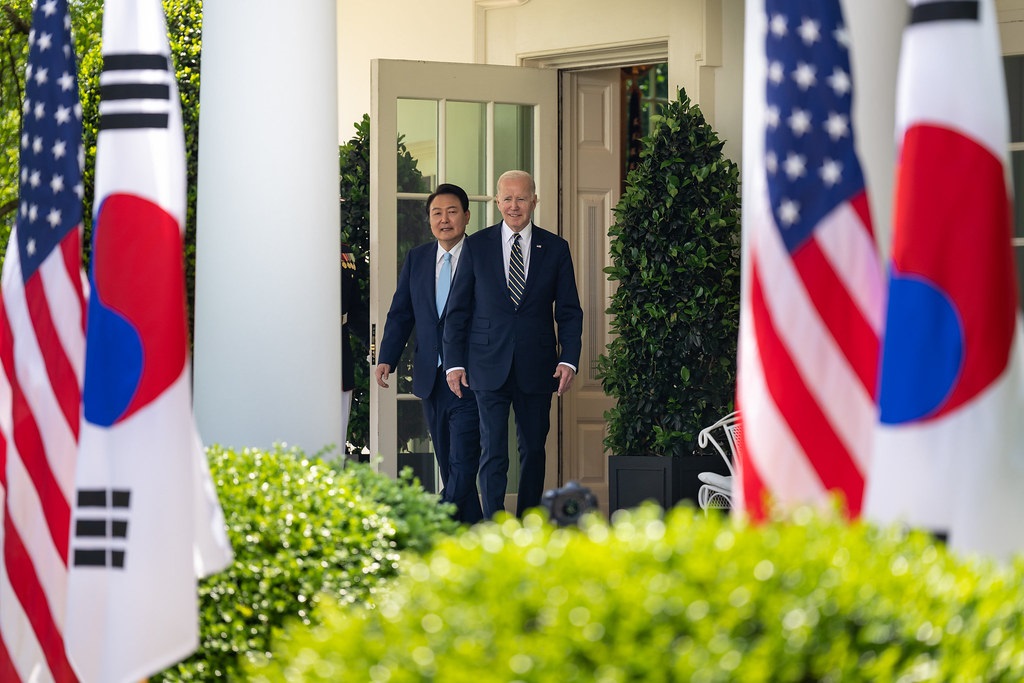
The Washington Declaration and NCG, amid North Korean nuclear threats, embodies the expectation, promise, and blueprint of the two countries.
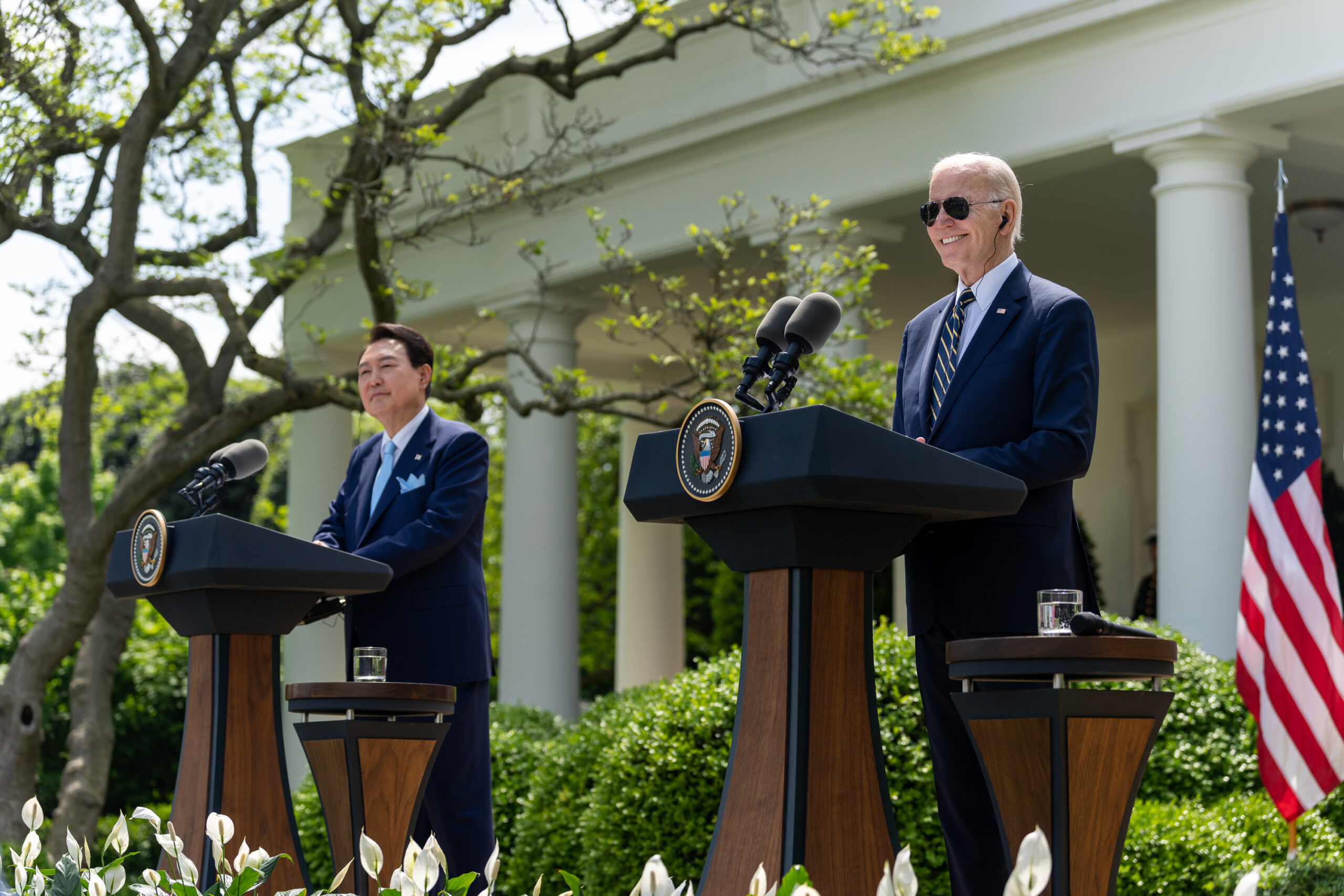
The Washington Declaration was designed to ease South Korean concerns about U.S. extended deterrence. Will it achieve its goal?
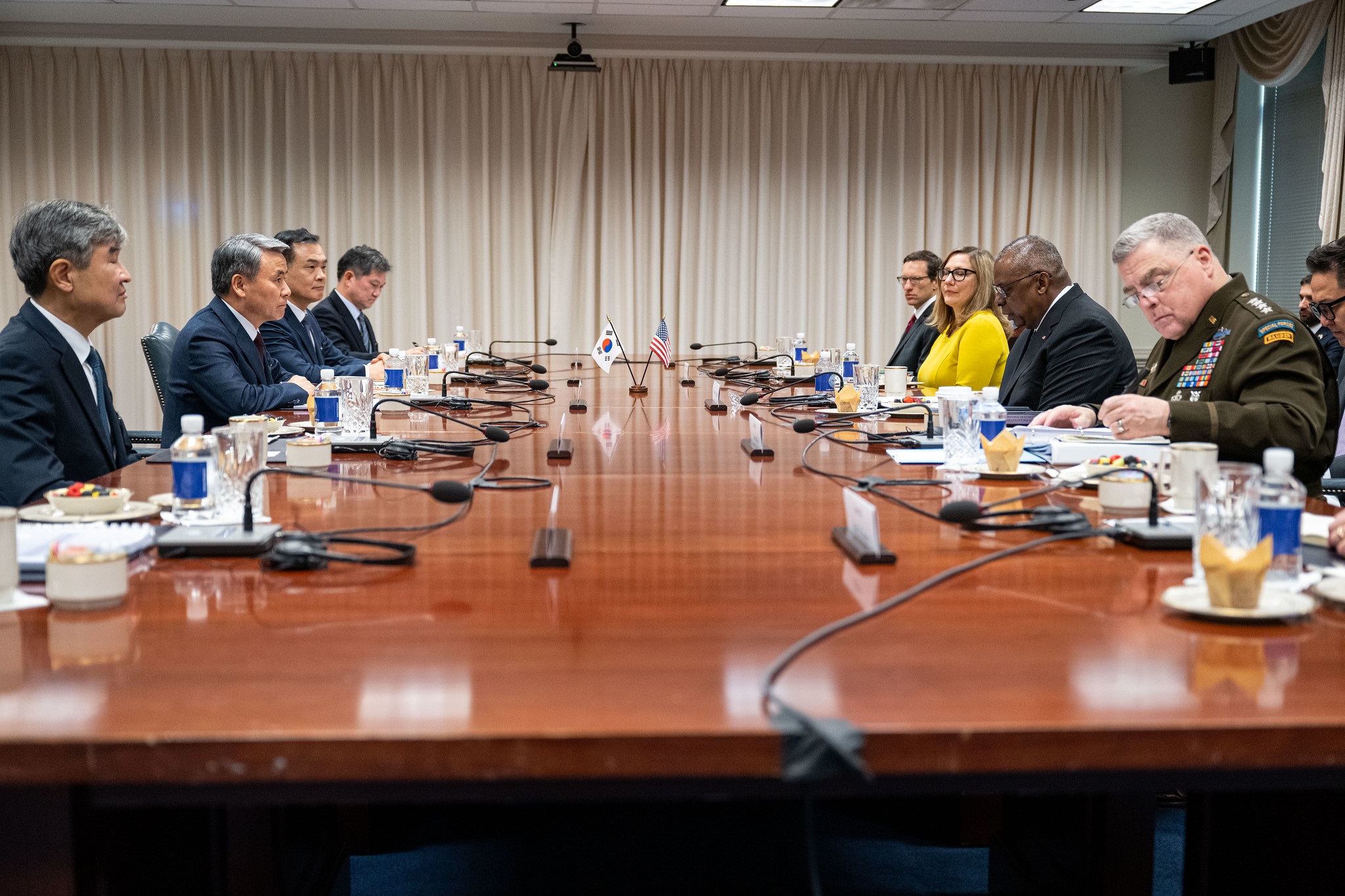
Consultative mechanisms collectively reflect the breadth and depth of ROK-U.S. security cooperation, as well as the increasingly complex strategic environment in which the alliance operates.
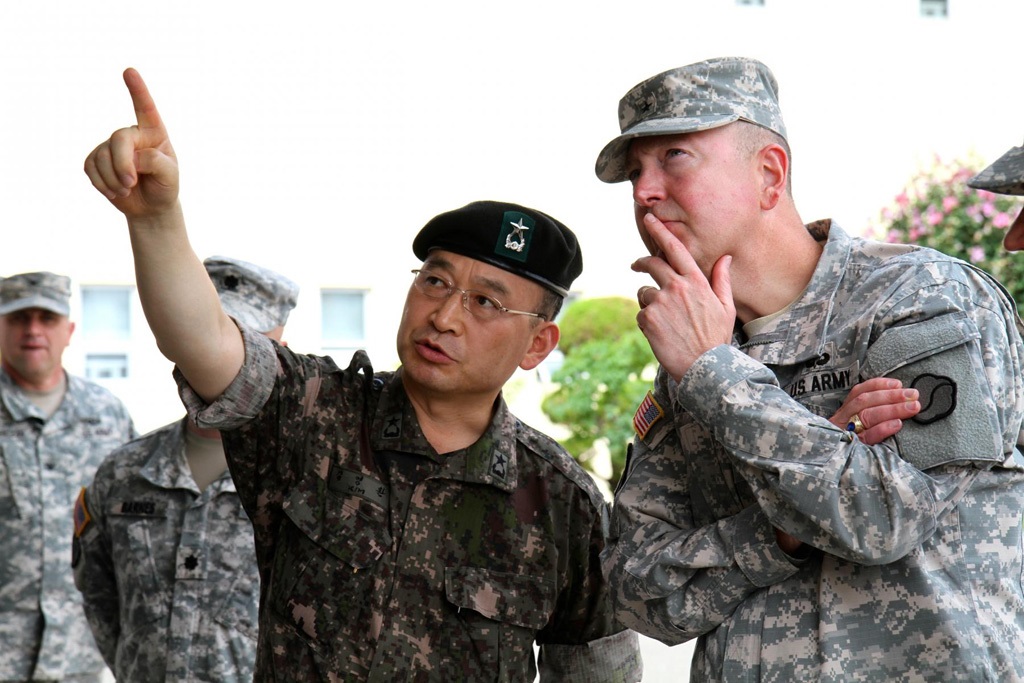
The history surrounding the U.S. commitment to South Korea, including the nuclear umbrella, is critical to understanding the alliance today.
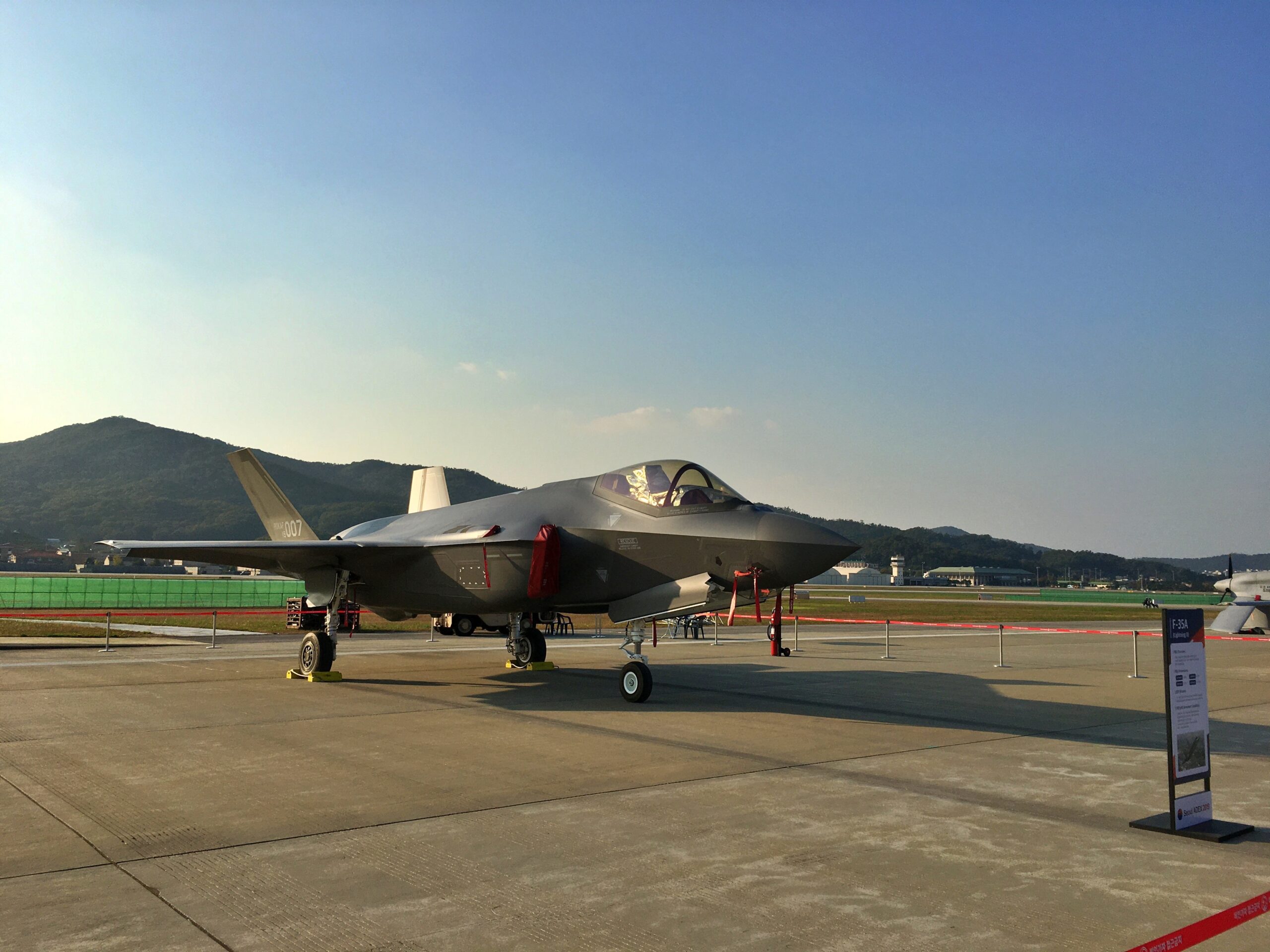
South Korea’s conventional weapons advancements are a critical variable in Seoul’s potential development of an indigenous nuclear deterrent.
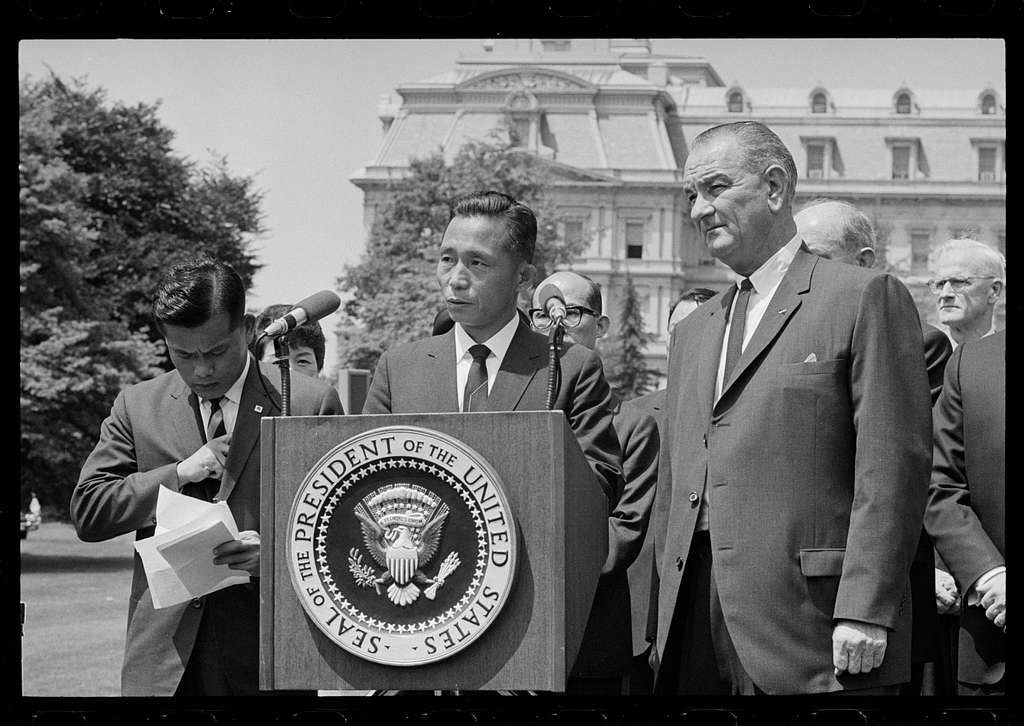
The 1970s was a turbulent period for the U.S.-ROK alliance, including South Korea’s first attempt to develop its own nuclear weapon.

If Korea chose to pursue a nuclear weapon, it is likely that Japan would initially signal disapproval with diplomatic and economic sanctions.

A decision by South Korea to acquire its own nulcear weapons would be a shock to the U.S.-Korea alliance. How would it respond?