One Small (and Medium) Step for Korea’s Economy
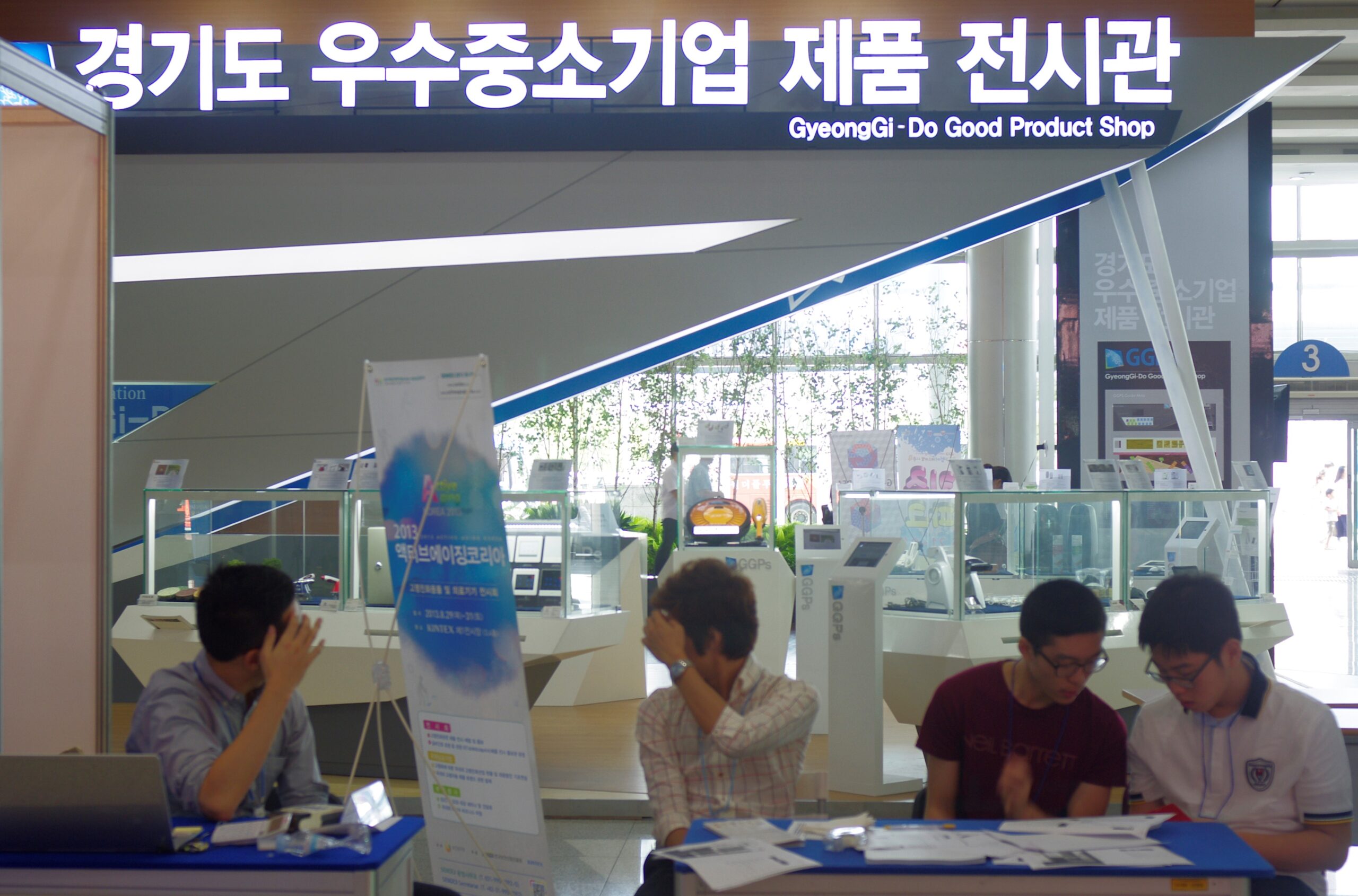
The future of Korea’s economy may depend on SMEs (Small and Medium sized Enterprises) just as much as is does on the large traditional companies, the chaebol.
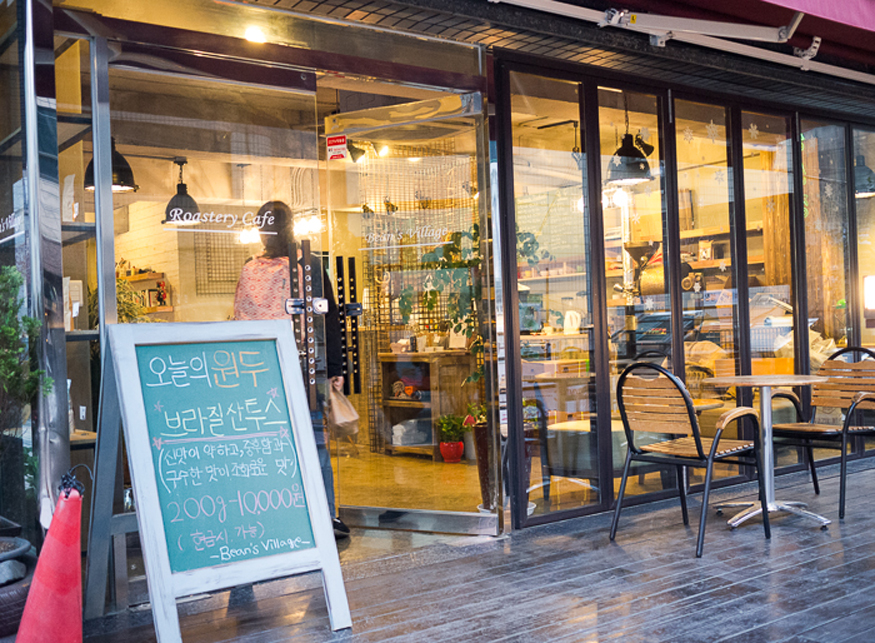
One thing that shocks most first time visitors to Korea is the ubiquity of coffee shops. You can’t find anywhere in Seoul that isn’t a short walk to the nearest café. The sheer magnitude of Korea’s passion for coffee is best expressed through numbers: Korea boasts the highest per capita number of cafes in the world.
At the end of May, Korea’s largest media company announced it would be opening a Turkish unit to help create and promote local content for the Turkish market. They already have plans to film Turkish versions of popular Korean movies, and hope to move forward with more Korean-Turkish co-productions in the future.
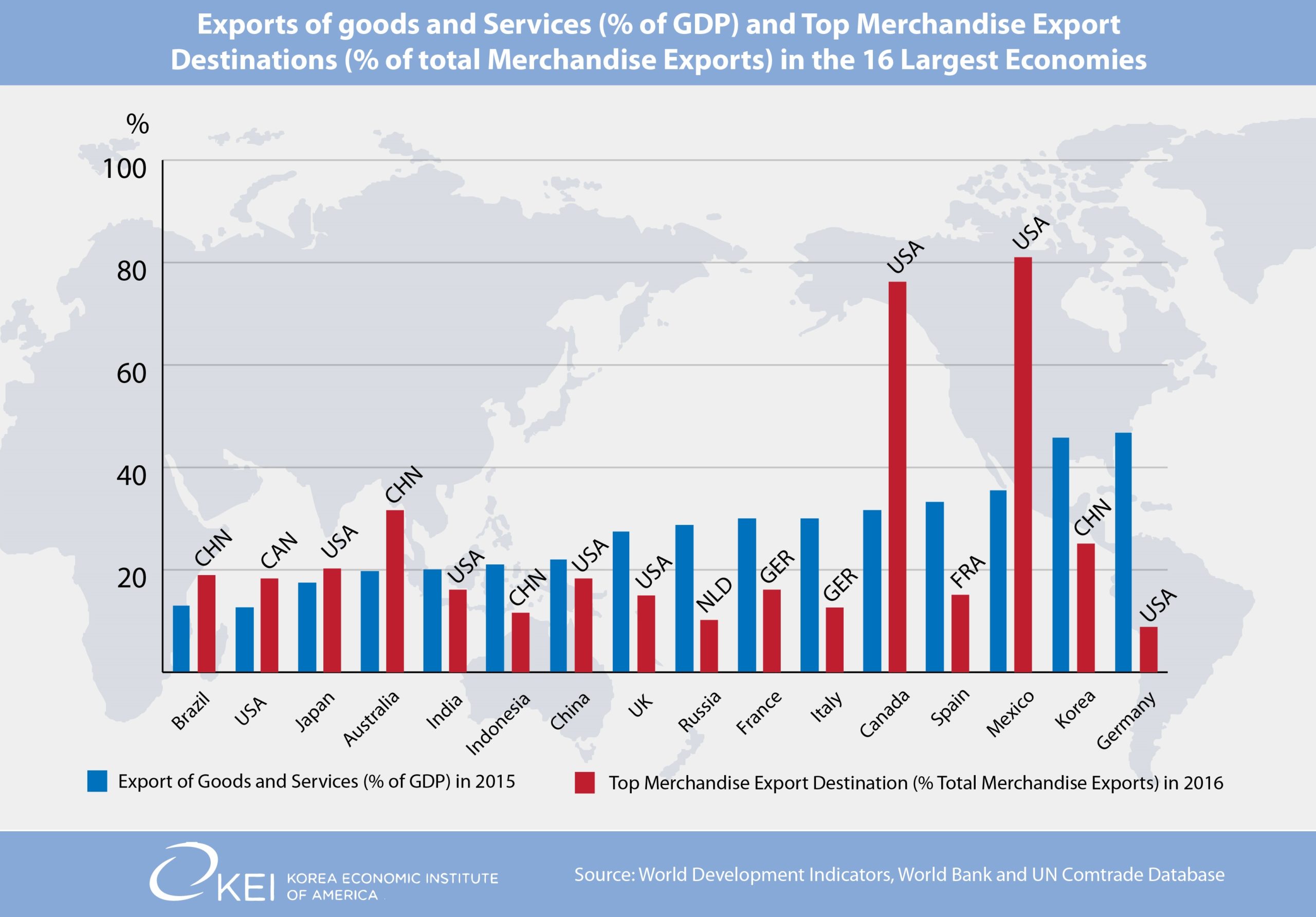
China’s punitive economic measures against South Korea over THAAD may have shrouded Beijing-Seoul relations in uncertainty, yet they highlight Korea’s economic dependence on China.
Beijing has approved the broadcast of a new Korean drama that had been co-produced by a Korean and a Chinese company, according to a source in the Chinese entertainment industry, making it the first Korean show to get the green light since before the THAAD spat.
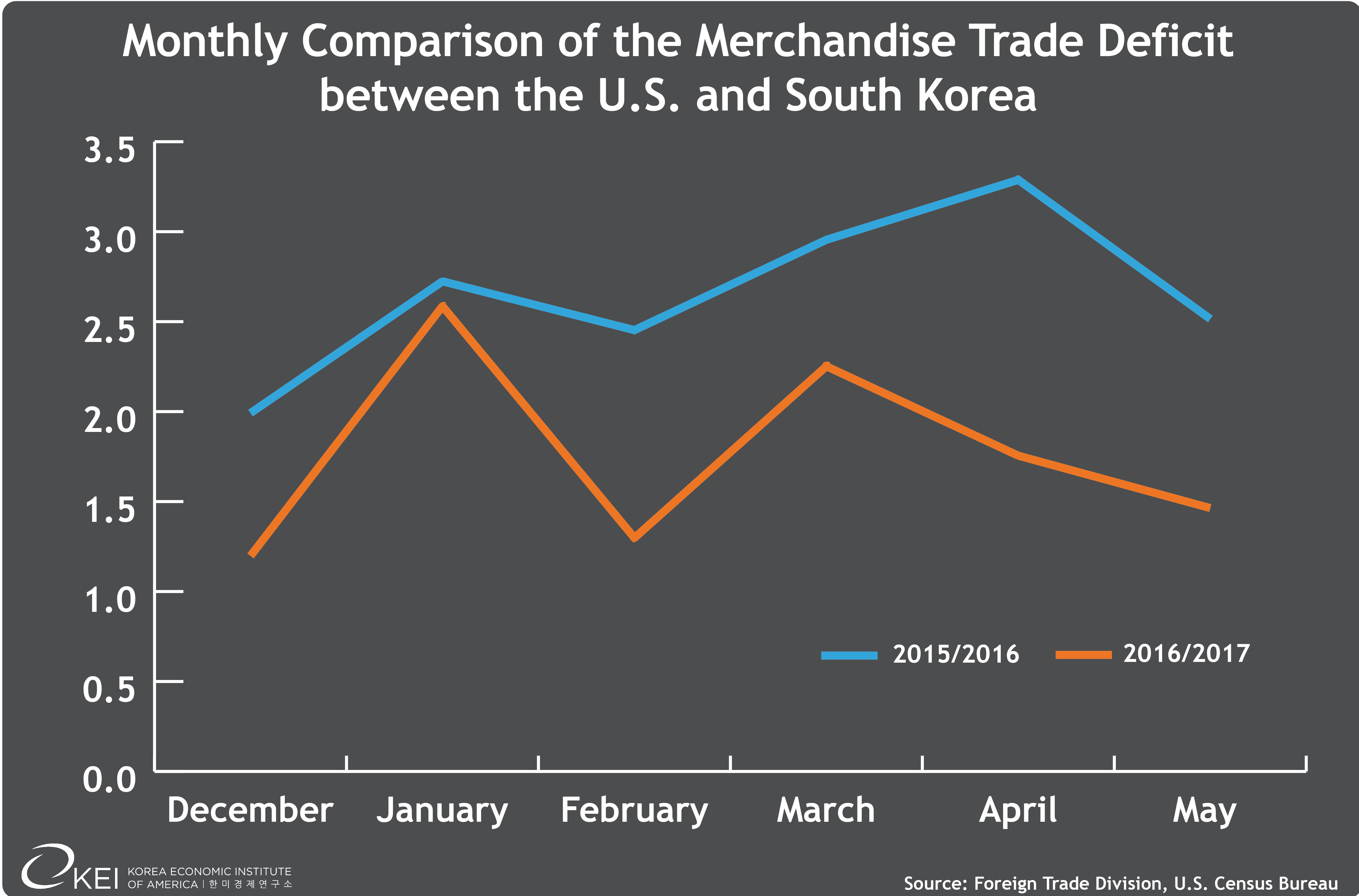
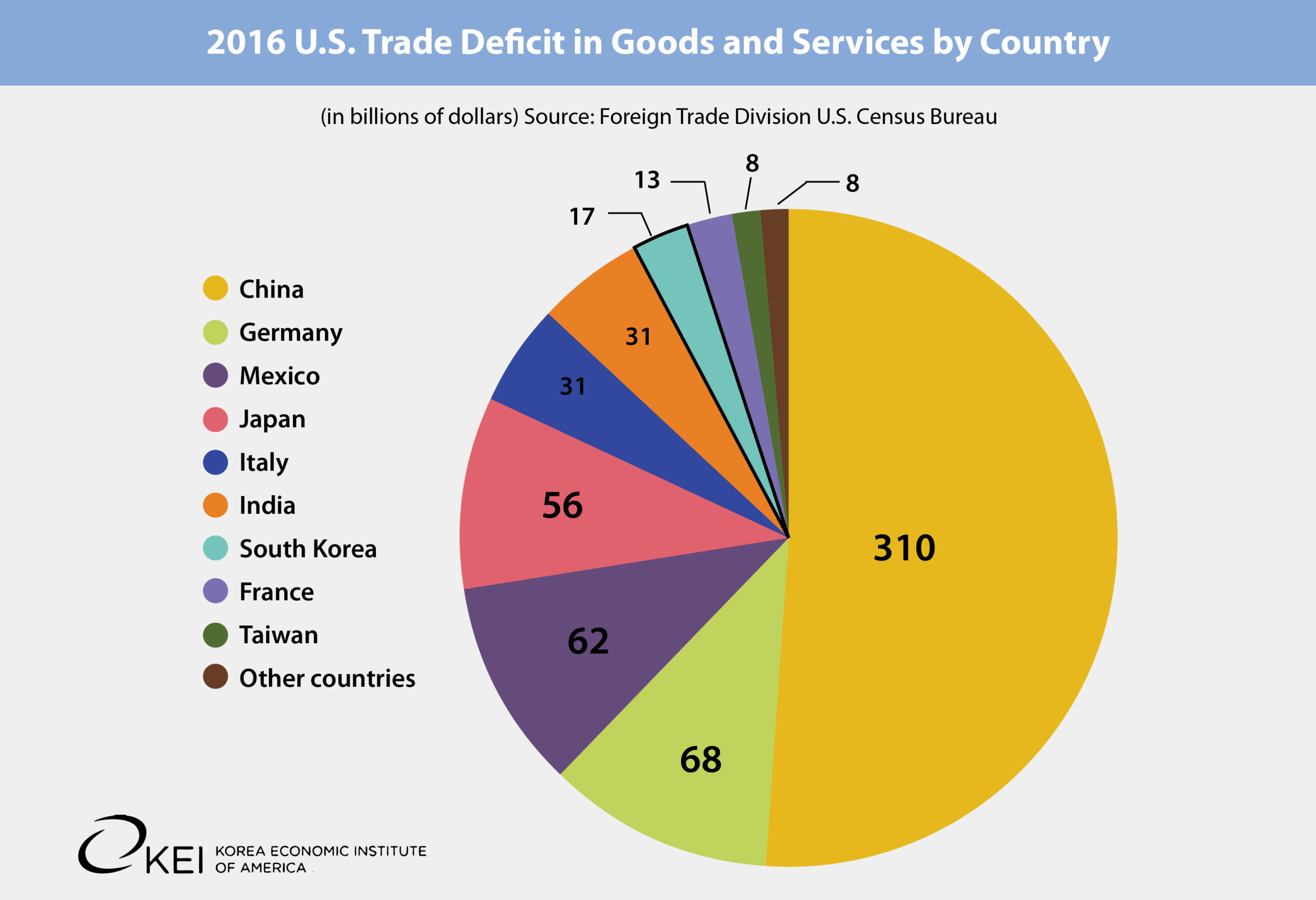
Perhaps no industry reflects the U.S.-Korea trade imbalance that a recent USTR report alludes to more than automotive.
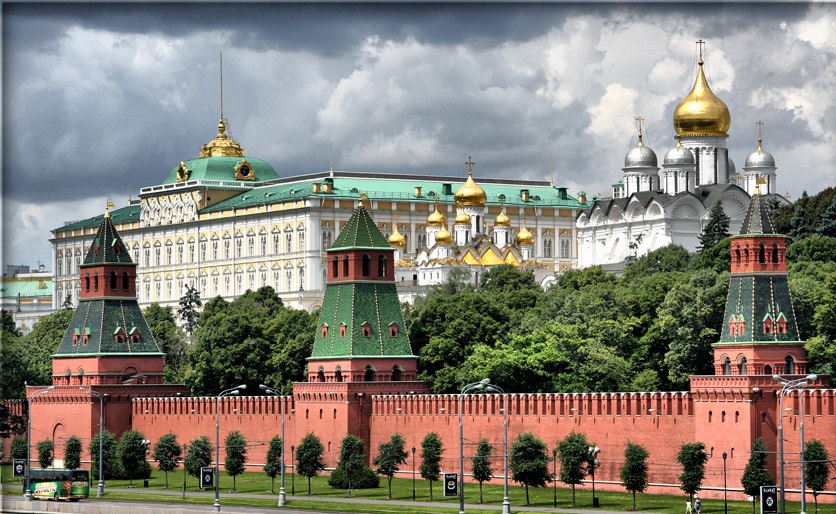
In order to move forward, President Moon must be careful to include Russia in his strategy and public statements about denuclearization, especially if he maintains his stated goal of resuming the Six Party Talks.
More than any other sanction imposed on the country, a cutoff of Chinese crude oil, translated into price hikes, angry customers, and slashed revenues, would cause big problems for Kim Jong-un.
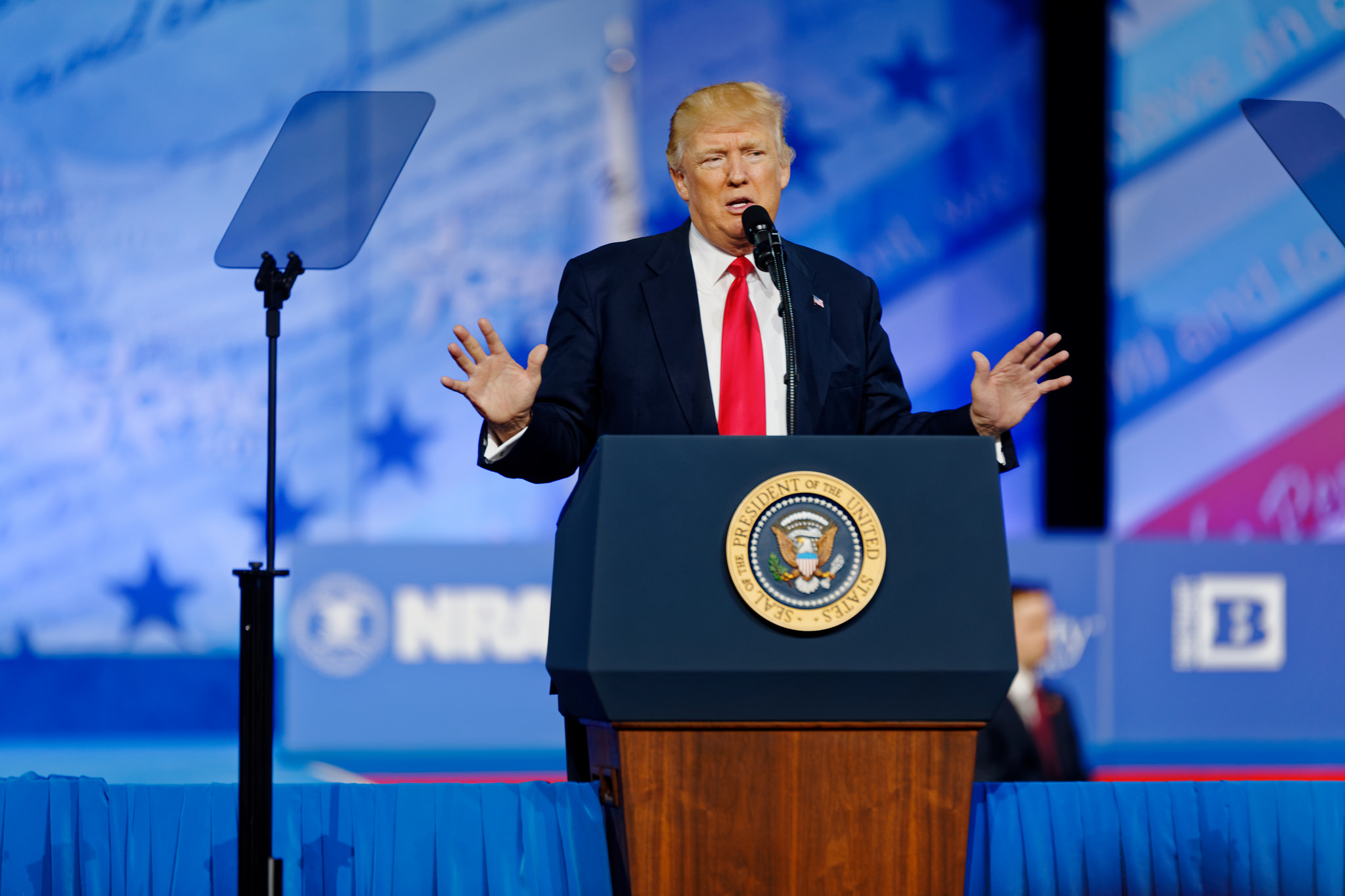
For the newly elected South Korean President Moon Jae-in, just as central to resolving the issues raised by Trump will be understanding his approach to foreign affairs.
As the new ROK and U.S. administrations interact and deal with each other, both sides must avoid “unforced errors” and cooperate with each other as much as possible to confront domestic and international trends that place impediments on both economies.