President Moon’s Commitment to Young People in South Korea
Part of President Moon’s plans for re-invigorating the economy is to address the problem of unemployment, especially among Korea’s young people.

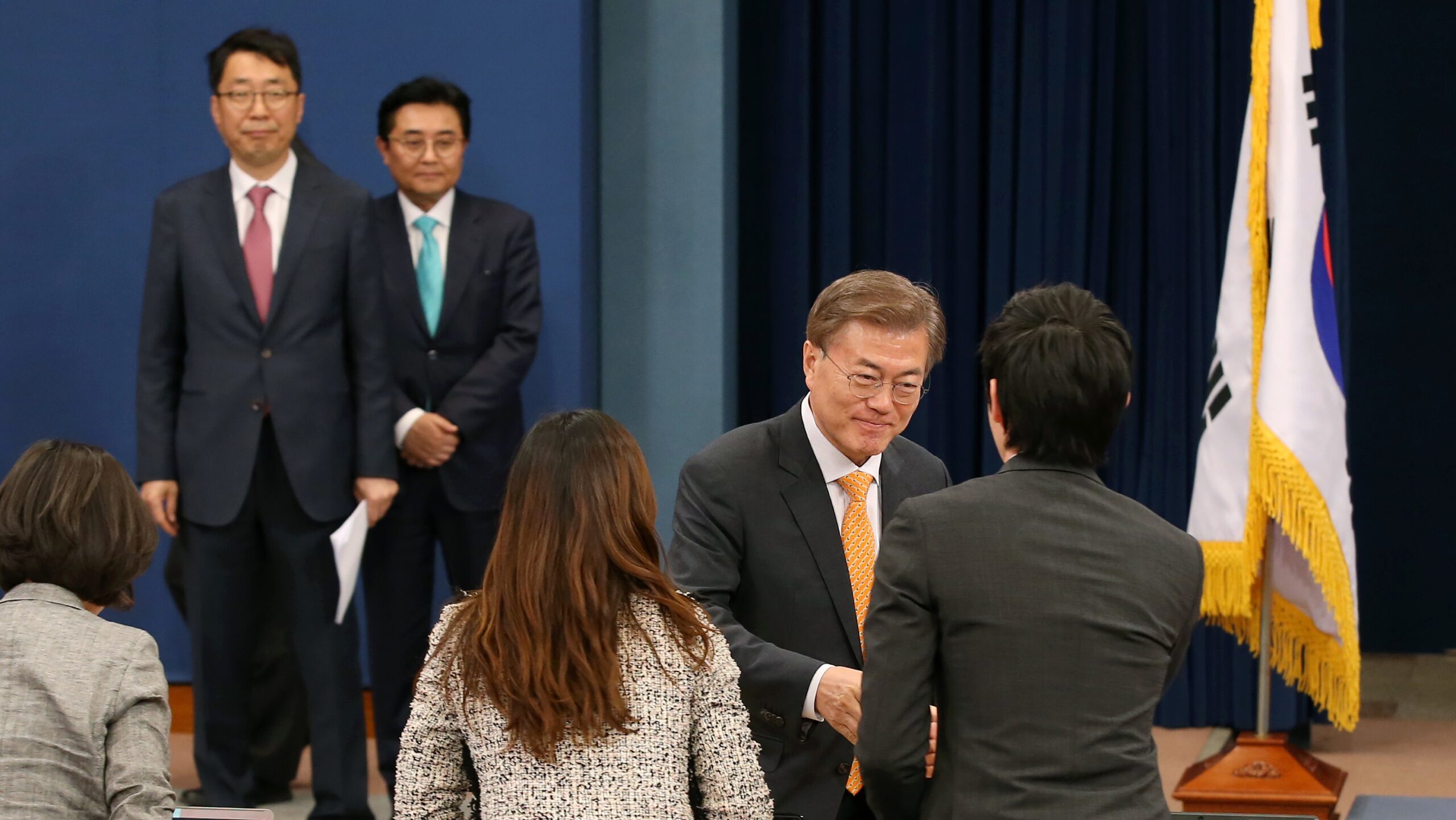
Part of President Moon’s plans for re-invigorating the economy is to address the problem of unemployment, especially among Korea’s young people.

While Hallyu may have worked in markets that are geographically near South Korea, for many years it had not received as much enthusiasm in the U.S. market.

The decision by the Moon Administration to shift from coal and nuclear power to LNG has long-term implications for South Korea’s trade surplus with the United States.

As the industry shifts toward electric vehicles, South Korea will need to consider the current state of the market for electric vehicles in South Korea.

Uber’s successful launch of UberSHARE and UberEATS in South Korea raises an important question: why is UberX still not offered?
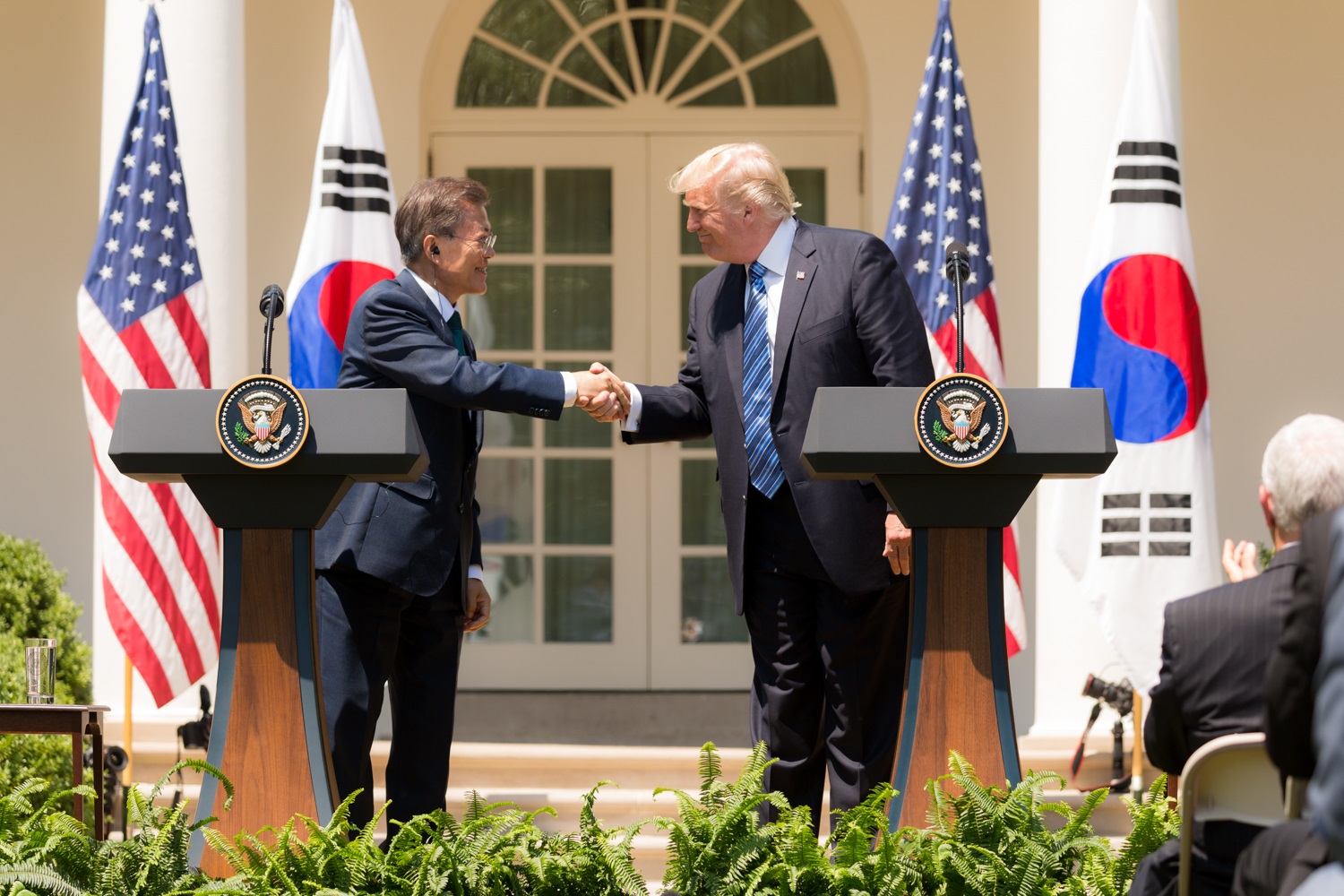
This will be the second time that the United States has pushed to renegotiate the KORUS FTA, which was originally signed in 2007 but not implemented until 2012.
Moon Jae-in is showing he is different not by tearing apart Park Geun-hye’s legacy entirely, but rather by utilizing part of it to his advantage.
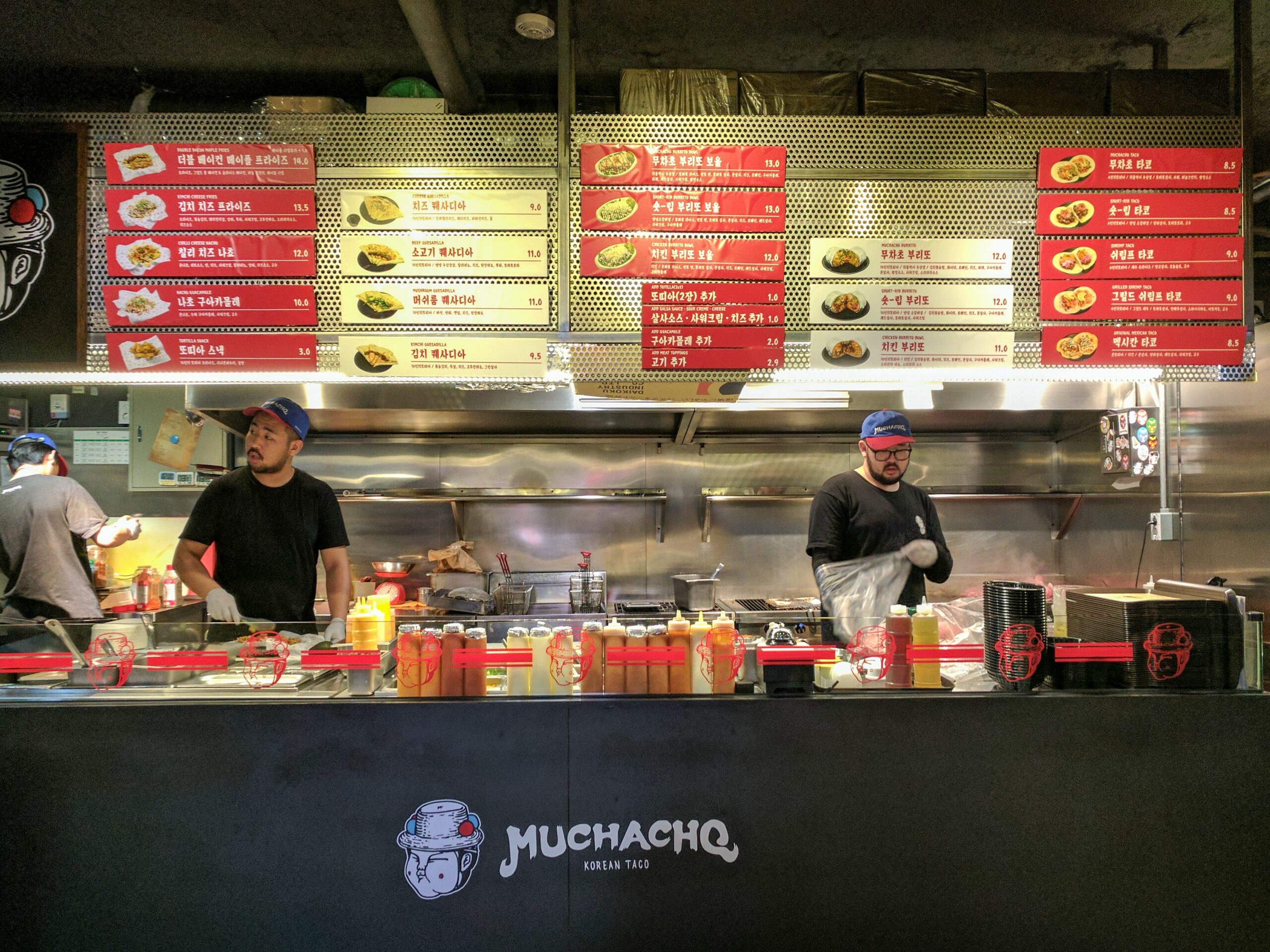
In July 2017, South Korea’s Minimum Wage Commission finalized the decision to increase the country’s minimum wage by 16 percent to 7,530 won ($6.60) per hour in 2018.
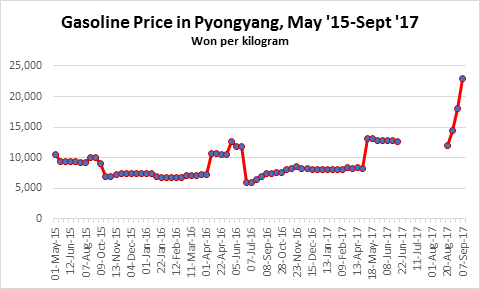
By accepting tough rules on textiles, joint ventures, and overseas employment, new UN sanctions on North Korea are aimed squarely at the general economy.

South Korea continues to demonstrate its confidence in America by once again in 2016 increasing its holdings of $38.8 billion in investments at U.S.-based companies, nearly double the level the year prior to the implementation of the Korea-U.S. Free Trade Agreement (KORUS FTA) in 2011.