Beijing’s Economic War on Pyongyang
Beijing conducting economic “war” on Pyongyang might be a little strong, but I think everyone would agree it’s at least a fierce and growing skirmish.

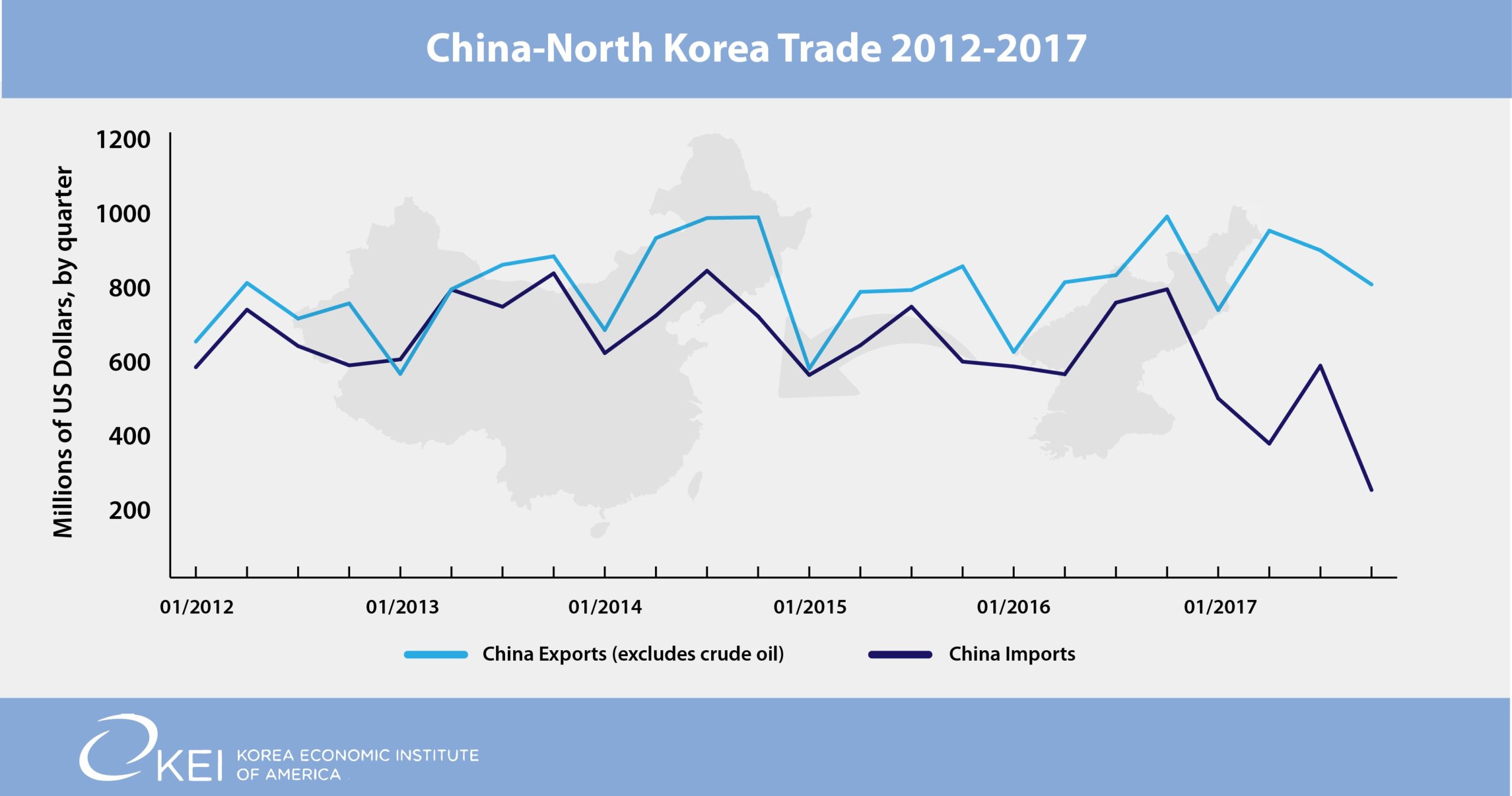
Beijing conducting economic “war” on Pyongyang might be a little strong, but I think everyone would agree it’s at least a fierce and growing skirmish.
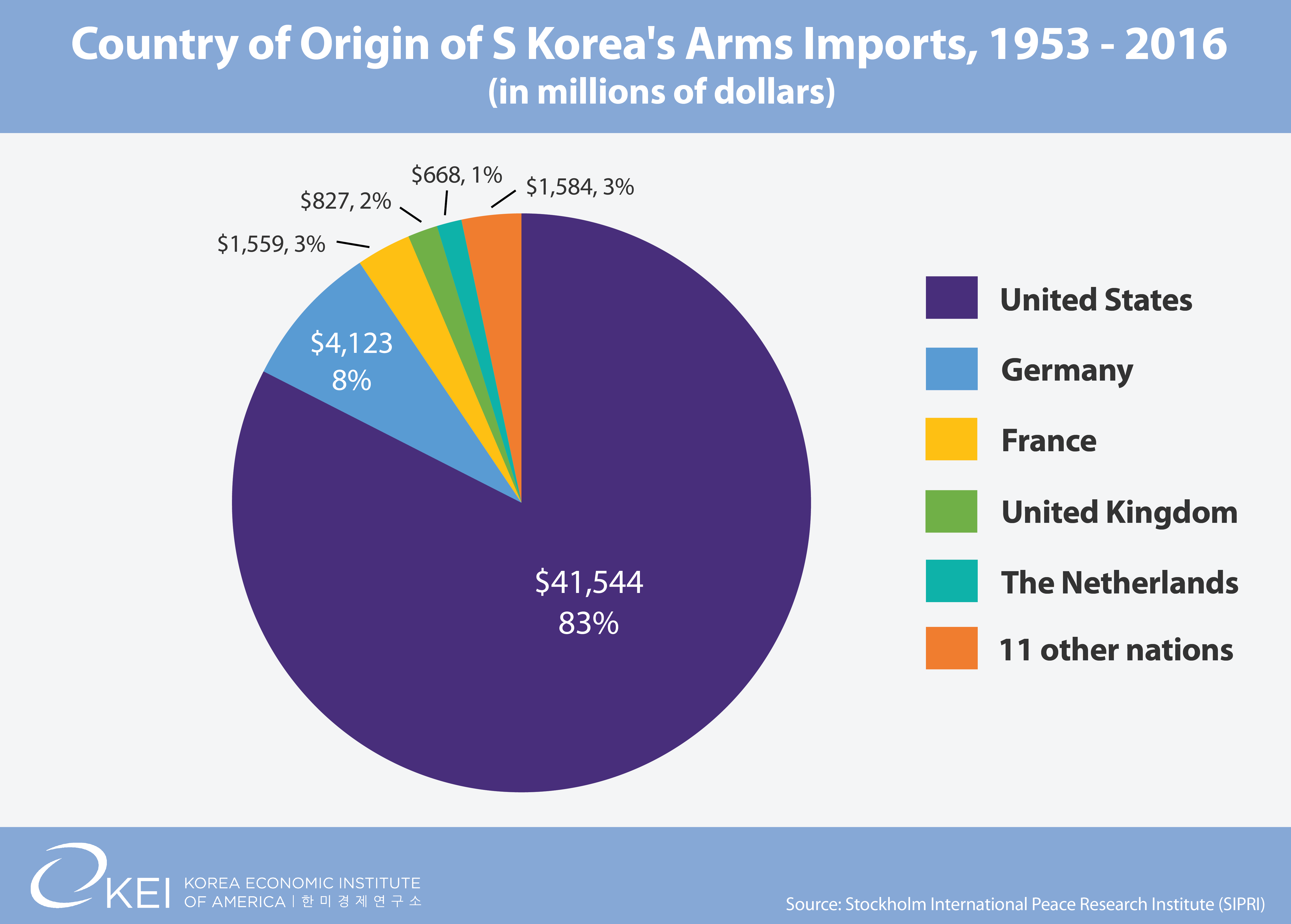
While the trade actions being taken by the Trump Administration ostensibly target China, they disproportionately hit South Korea.

Korea certainly has interests in subject-areas at the WEF, particularly regarding its efforts to incorporate the Fourth Industrial Revolution into policy.
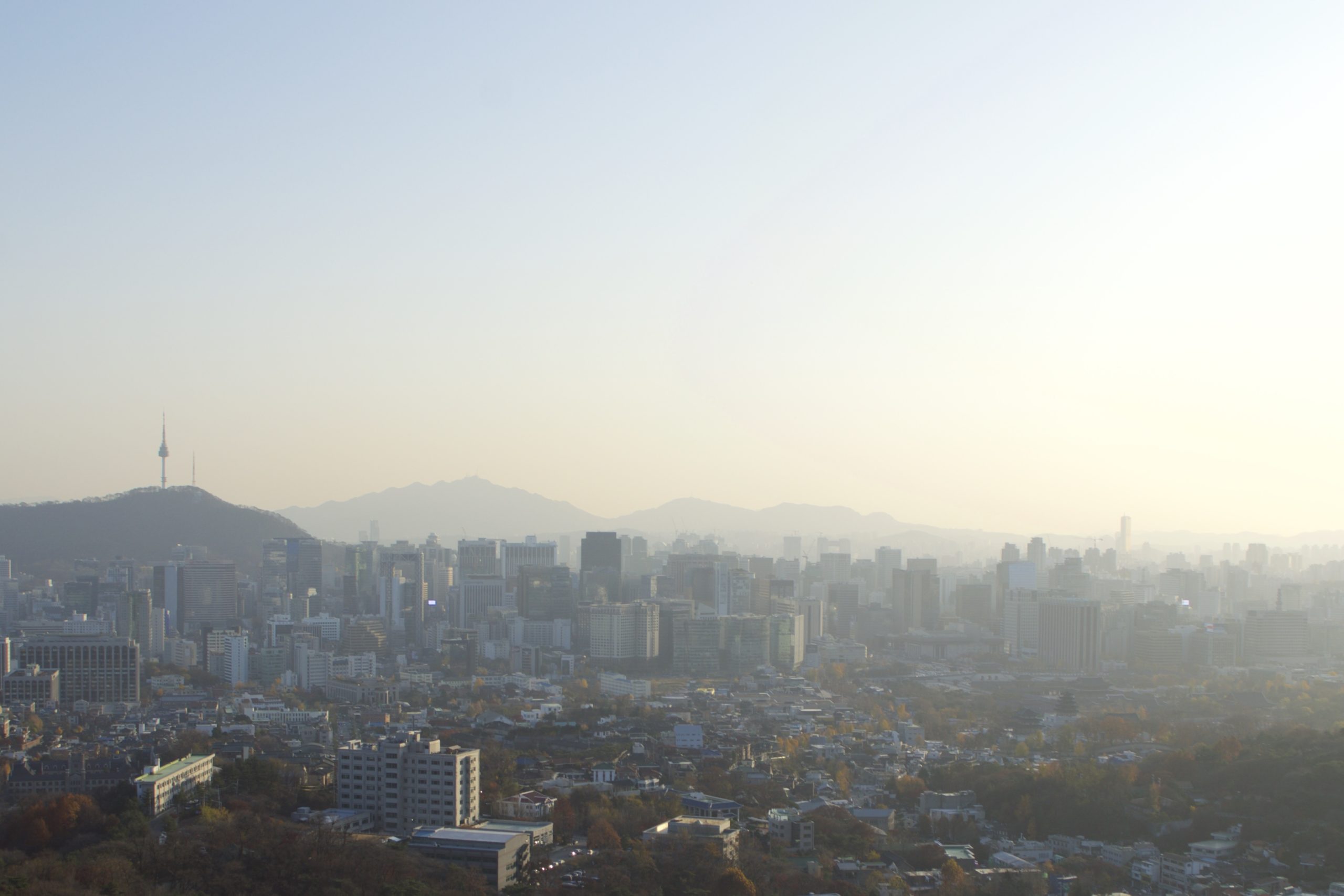
Dangerously high levels of particulate matter in the air prompted emergency measures from the Seoul city government this week.
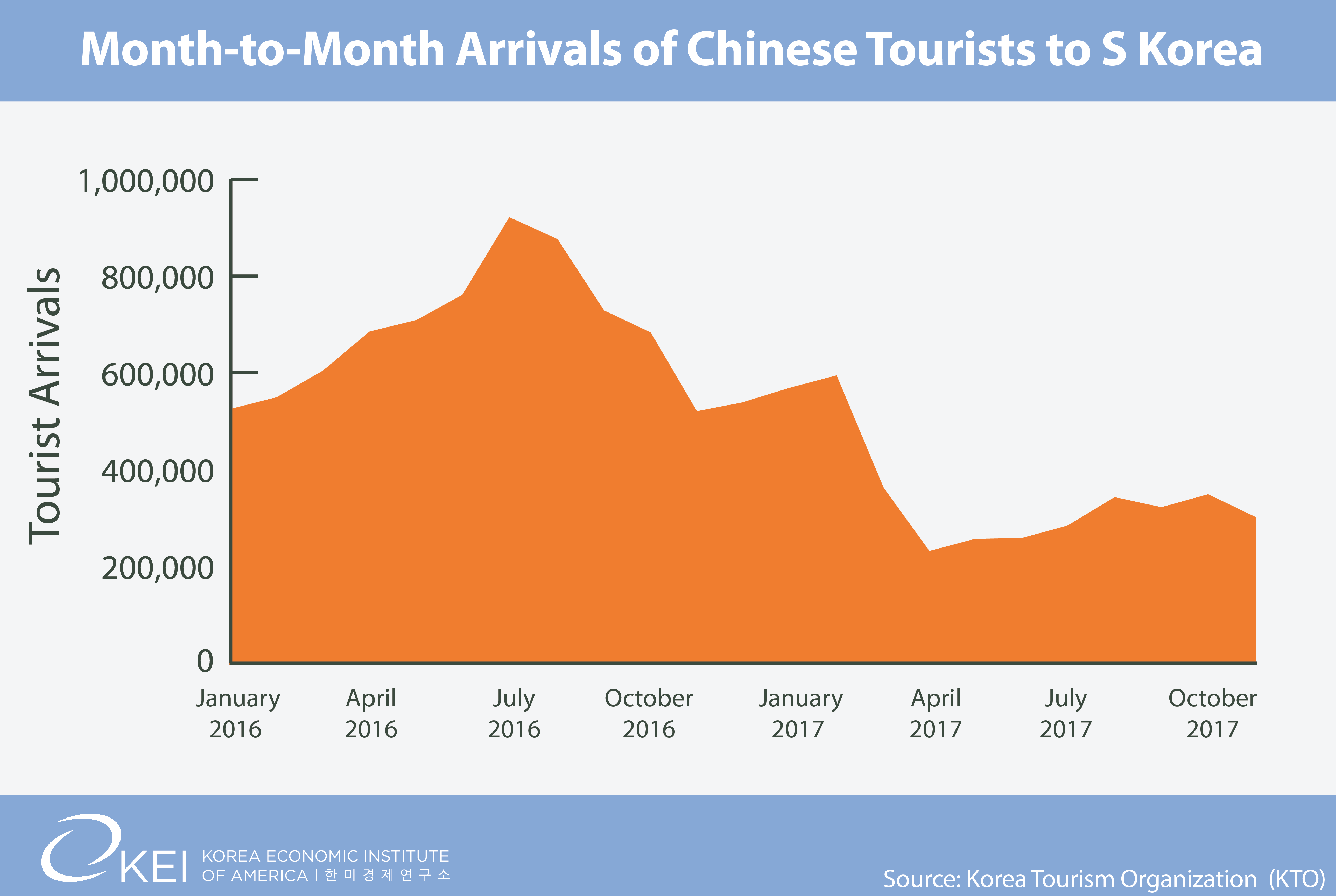
China and South Korea reached an agreement in November to restore normal economic relations. That no longer appears to be the case.
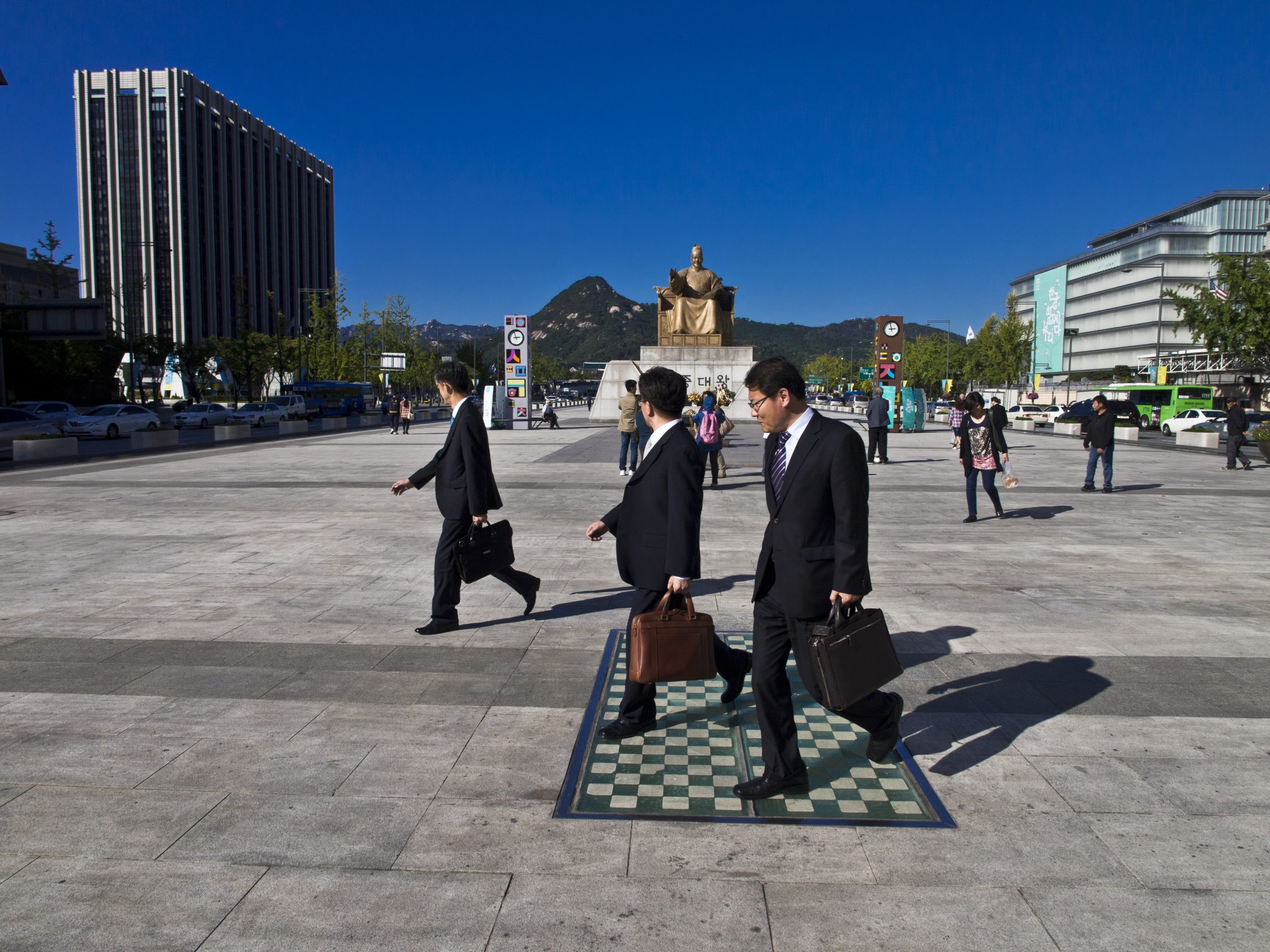
South Korean President Moon Jae-in’s agenda of public sector-led economic and social reform hinges on creating 810,000 government jobs.
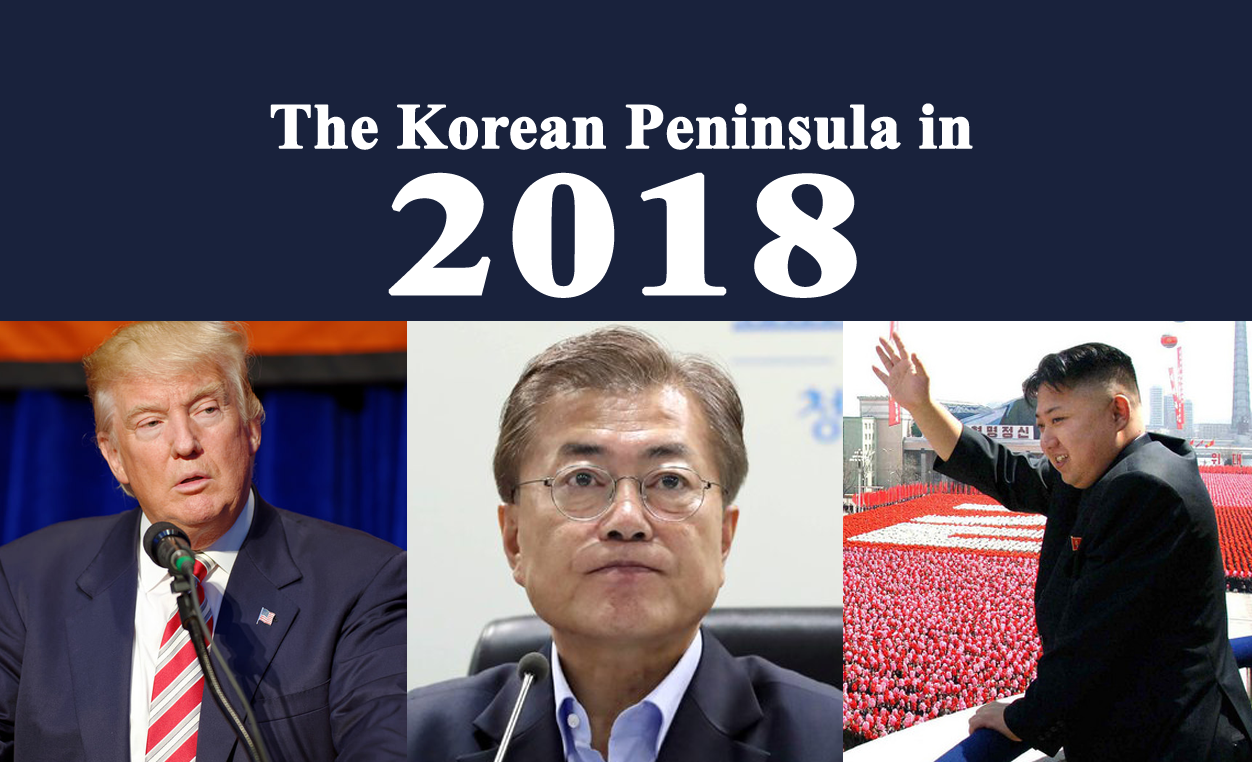
As we look ahead to what might occur in 2018 we should also consider how key events from 2017 will continue to shape the year ahead.

In 2017, attention turned to the Korean Peninsula as South Korea removed Park Geun-hye from office and North Korea advanced its weapons programs.
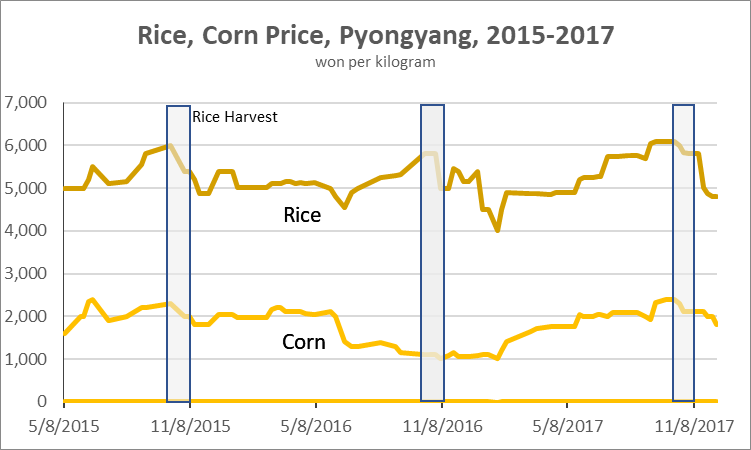
The continuing stability of the North Korean won against the U.S. dollar in informal trading markets speaks to the success in handling overall inflation

In the last few years, Korea has seen a proliferation of so-called “no kids zones” – restaurants and cafes that ban children under a certain age.