Seventh Anniversary of the Korea-U.S. Free Trade Agreement
As we reflect on the success of the KORUS FTA, it is important to also remember that other factors may influence future economic behavior.


As we reflect on the success of the KORUS FTA, it is important to also remember that other factors may influence future economic behavior.
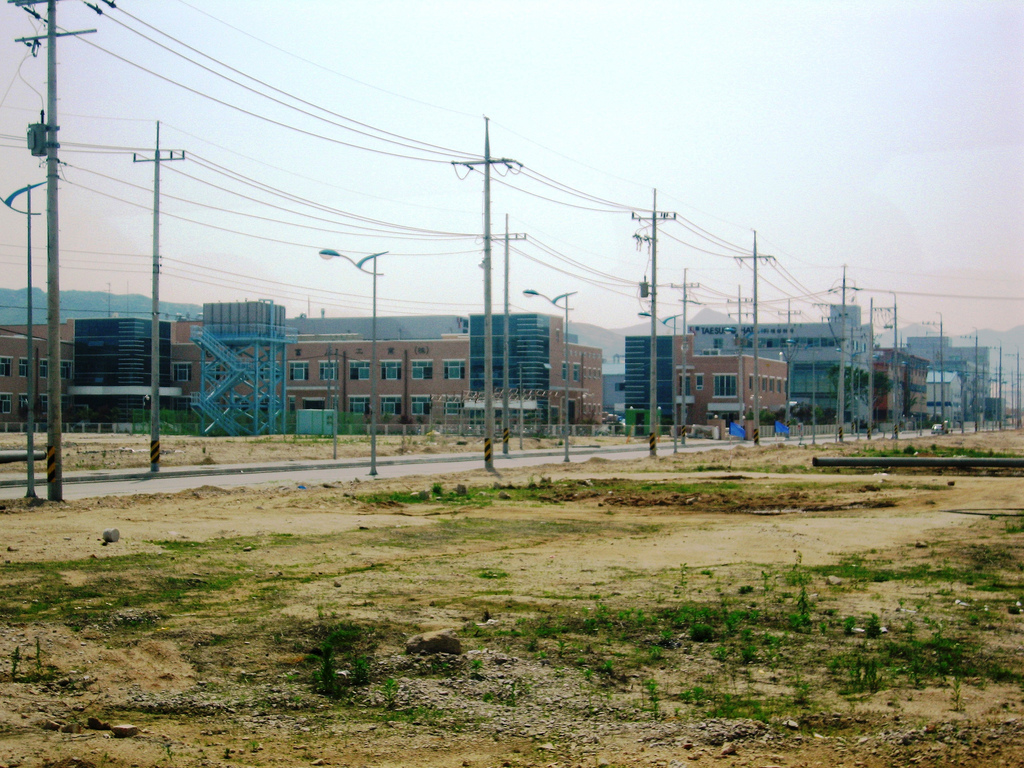
The sudden start to the inter-Korean peace process last year renewed interest in the resumption of joint economic activities like Kaesong, though there has been little indication if the complex will be open again in the coming months or years.
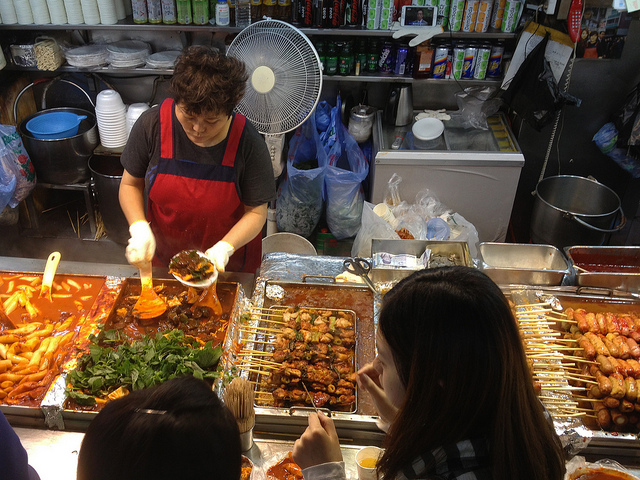
The minimum wage increase has been much maligned, but a bigger threat to business dynamism in Korea may be the cost of renting retail space

A look at 10 issues that will have an impact on the Korean peninsula in the year ahead.
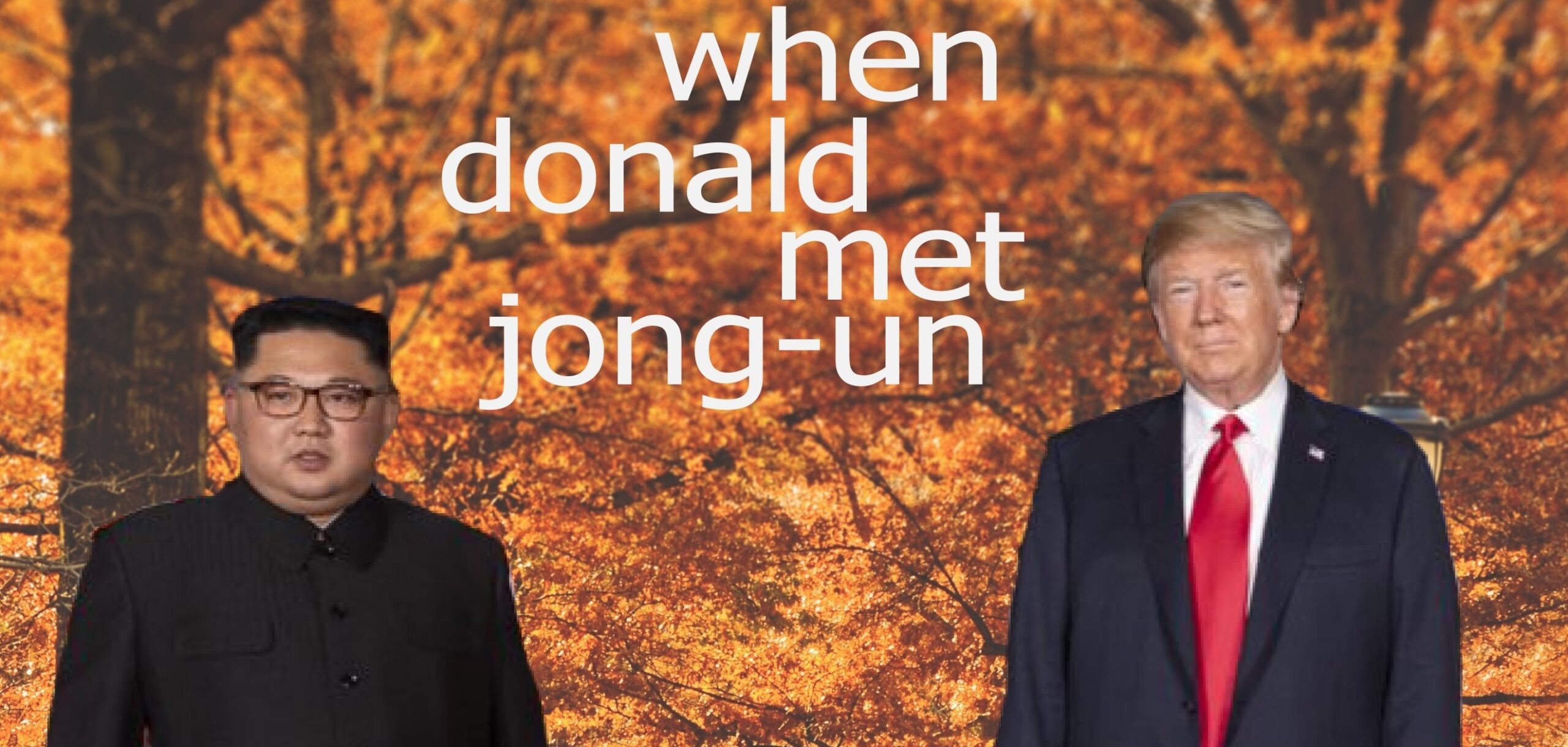
If 2017 was the year of “fire and fury,” 2018 saw the United States and North Korea turn from the rhetoric of war to diplomacy.
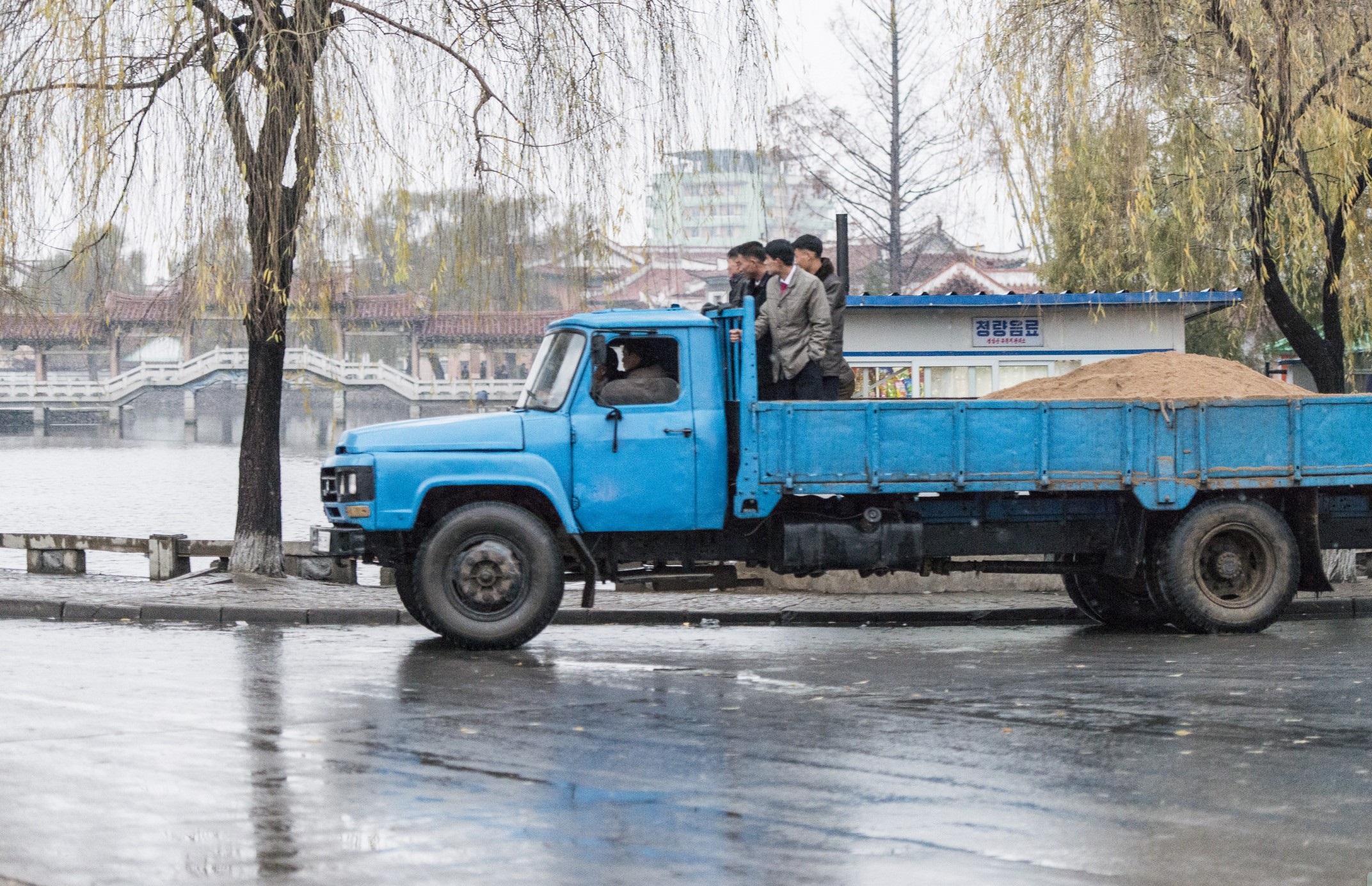
North Koreans who were struggling to overcome the economic crisis began marketization and developed and business vehicles called ‘servi-cha.’

New strategies from Seoul and Washington for engaging with Southeast and South Asia are also creating new opportunities to further expand the relationship.

Rates of female employment in professional, technical, and managerial positions are the lowest of the world’s advanced economies.

The U.S. trade deficit through October with the world expanded by 11 percent, but Korea bucked this trend by declining 22 percent to just $15.1 billion.
While Korea remains the third largest source of foreign students enrolled at U.S. colleges, the number of Korean students in the U.S. declined by 7 percent.