South Korea Chooses Market Stability Over Innovative Industries
Although the government promotes bio-health as a growth industry, the regulator’s warning to investors suggests t r y rket stability.


Although the government promotes bio-health as a growth industry, the regulator’s warning to investors suggests t r y rket stability.

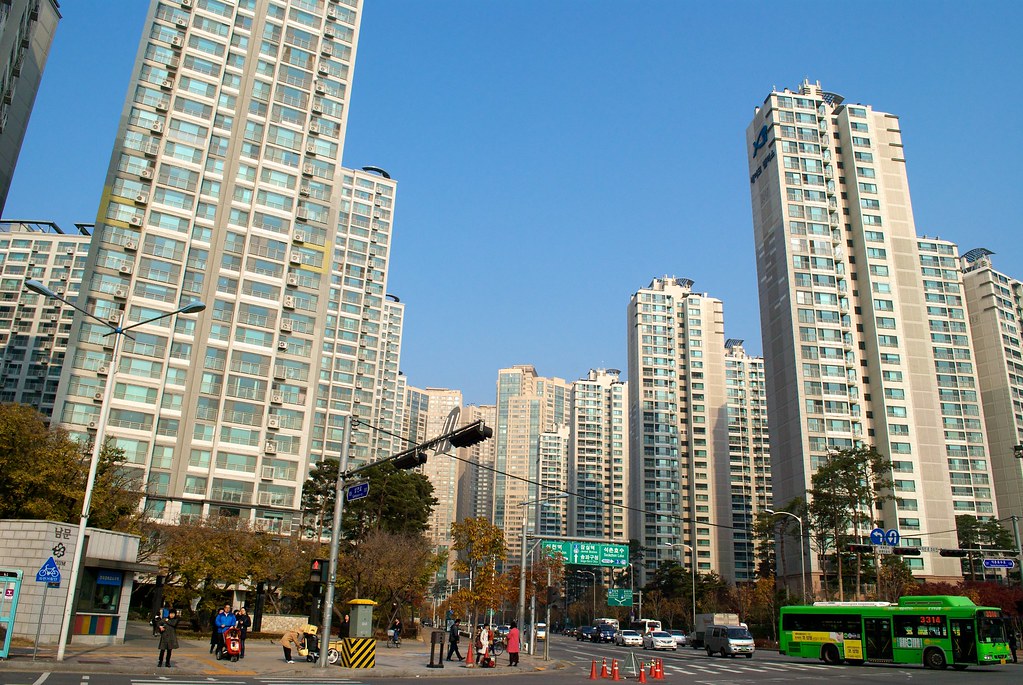
The modification of college admission standards may intensify the housing demands in wealthier neighborhoods and exacerbate wealth inequality.

South Korean government is under pressure to come up with a “win-win” solution that accommodates innovation and employment.

As Korea braces for another season of heavy fine dust, questions remain on whether the government’s new policies are addressing the root of the problem.

Despite its limits, the new anti-harassment law appears to be having a positive impact on South Korea’s workplace culture.

Laws requiring metro workers to minimize disruptions to public transportation during strikes are reflective of the adversarial environment facing unions.

Lucrative fossil fuel projects and lingering domestic concerns around nuclear power pose challenges for Seoul’s ecological aspirations

U.S. demand that Korea change its status in the World Trade Organization will test the Moon administration’s political capacity to appease the U.S. government.
The Moon administration looks to tackle a social issue that has eluded previous governments.
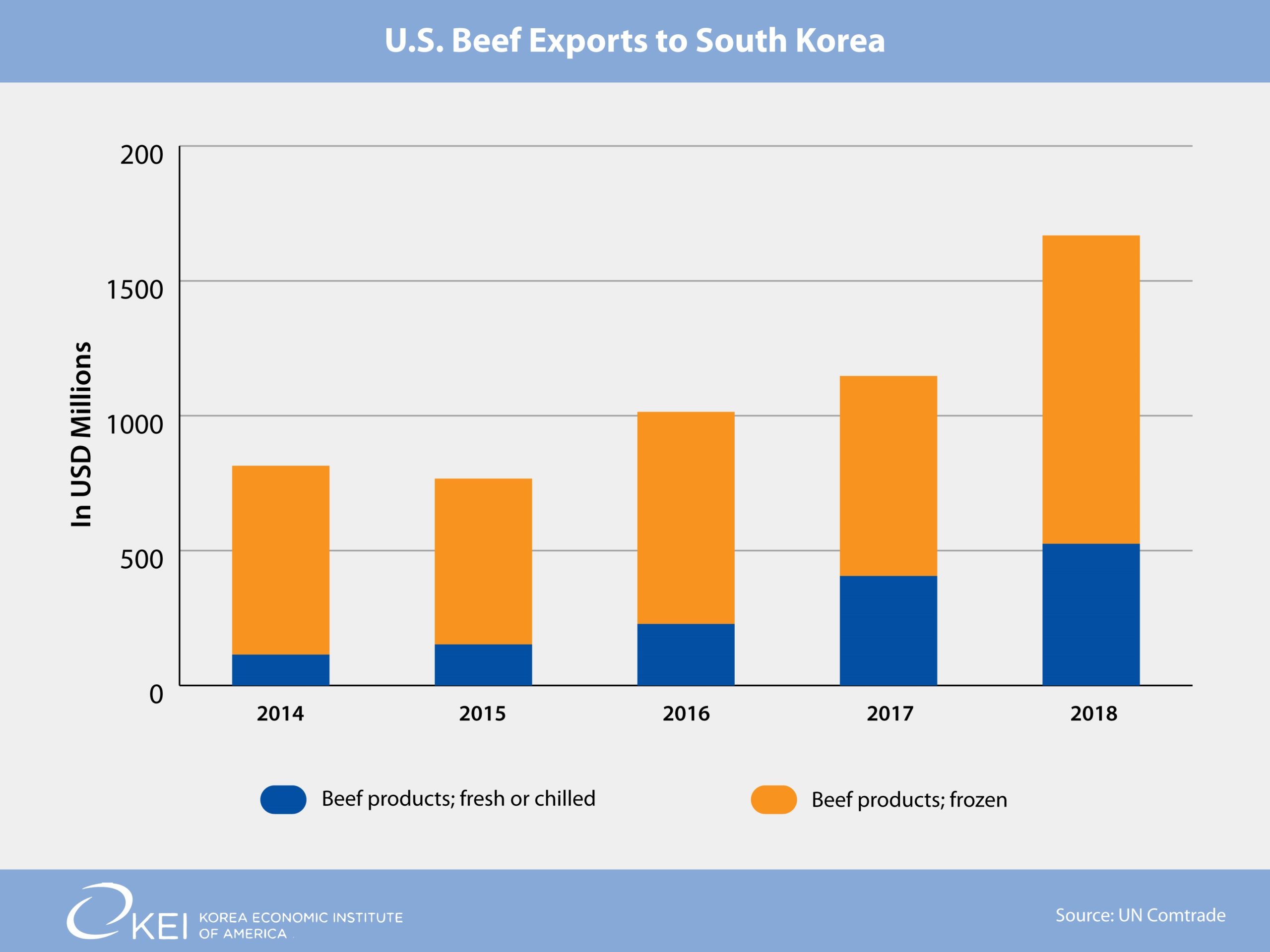
While the additional access to the EU is important, it demonstrates the importance of South Korea as an export partner for U.S. farmers and ranchers.