The Young Marshall’s Long Hot Summer
Let’s examine the North Korean economic scene in the hot Korean summer of 2018 to see if we can get hints at Kim Jong-un’s thinking.

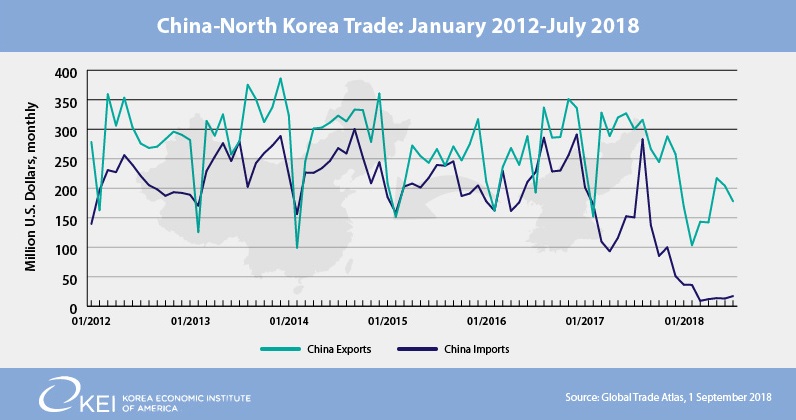
Let’s examine the North Korean economic scene in the hot Korean summer of 2018 to see if we can get hints at Kim Jong-un’s thinking.
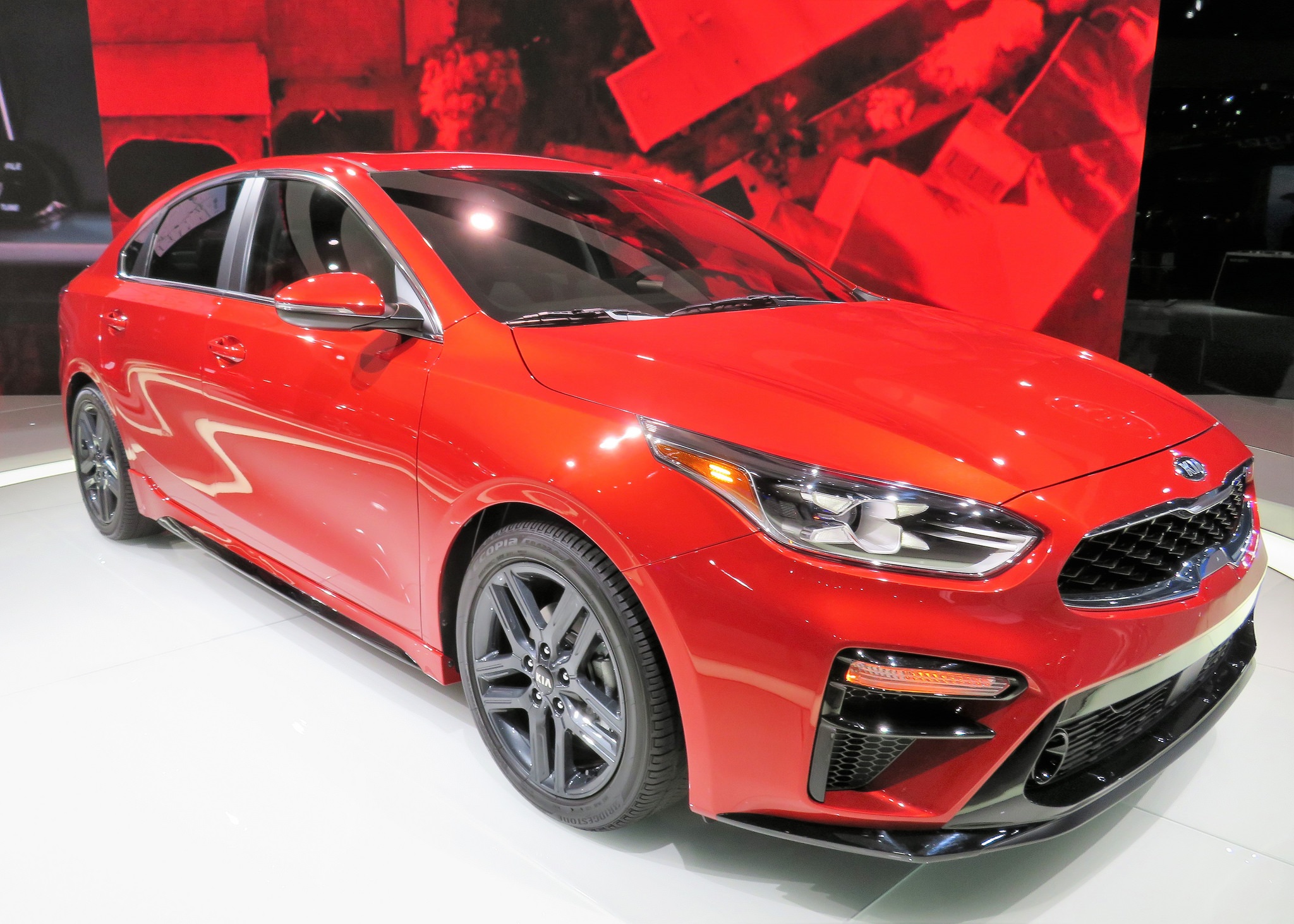
The initial agreement announced to revise NAFTA includes proposed changes to automobile trade in North America that have implications for Hyundai and Kia.
The Korean government announced on July 14 that it will raise the minimum wage next year by 10.9% to 8350 won ($7.40), following a 16.9% increase this year.
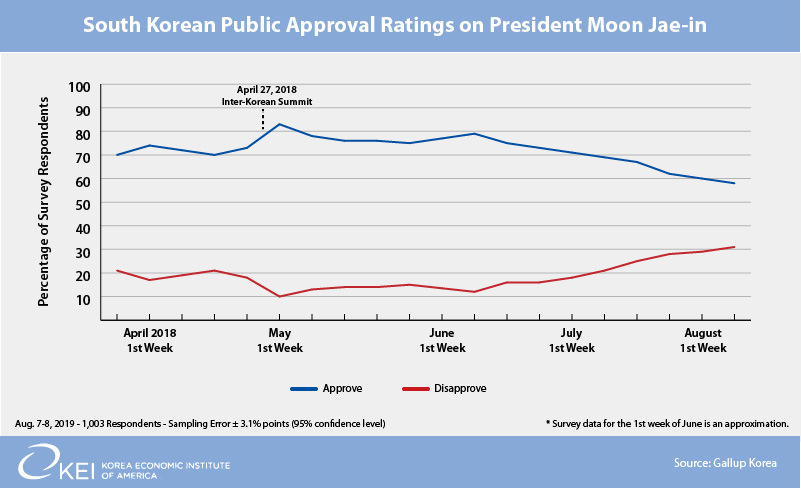
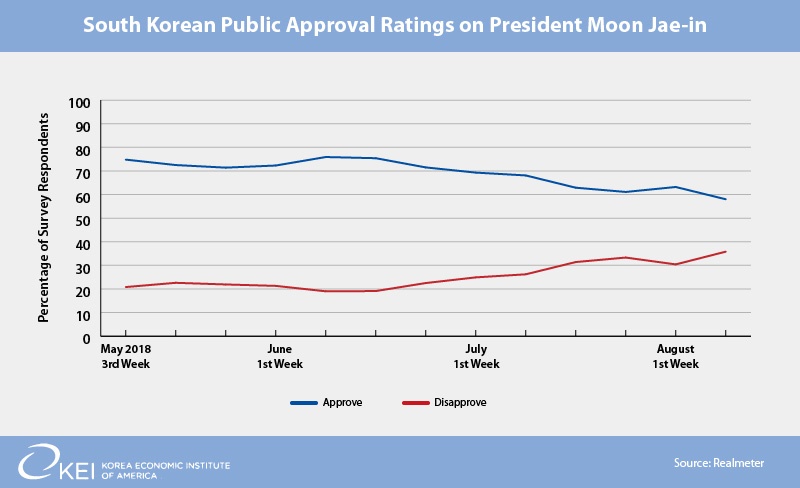
For the first time in his presidency, South Korean President Moon Jae-in has seen his approval ratings fall below 60 percent as economic issues rise to the forefront of public concern.
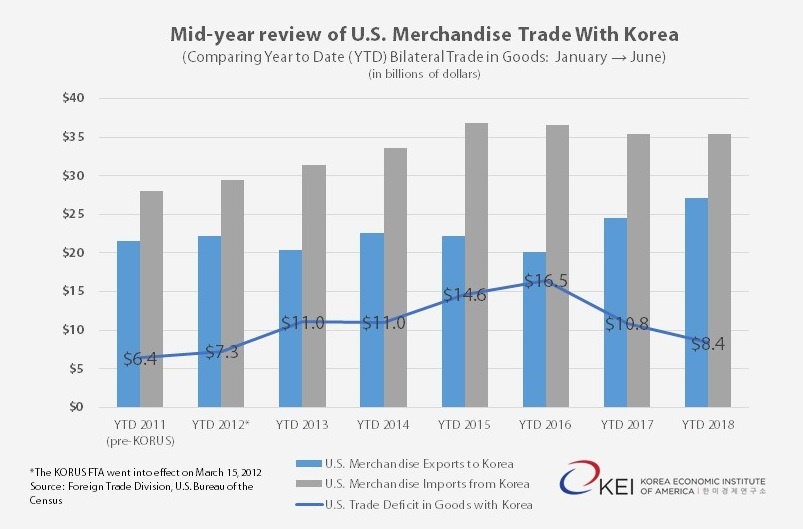
While America’s overall merchandise trade deficit went up by 6.7 percent for the first six months of this year, it declined 23 percent with South Korea.
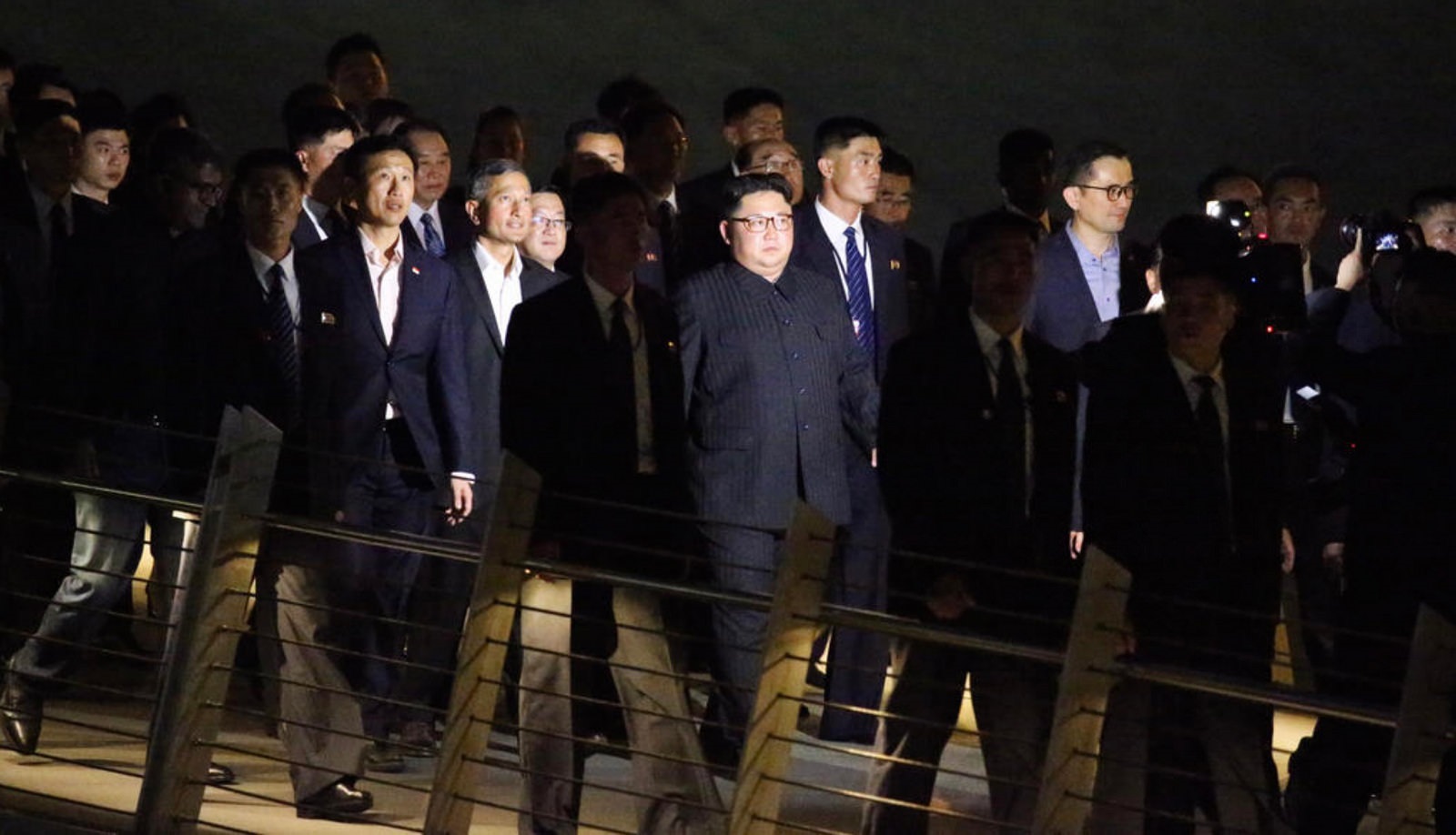
Kim Jong-un is launching his “economy first” messaging with his new emphasis on economic growth and improved living standards.
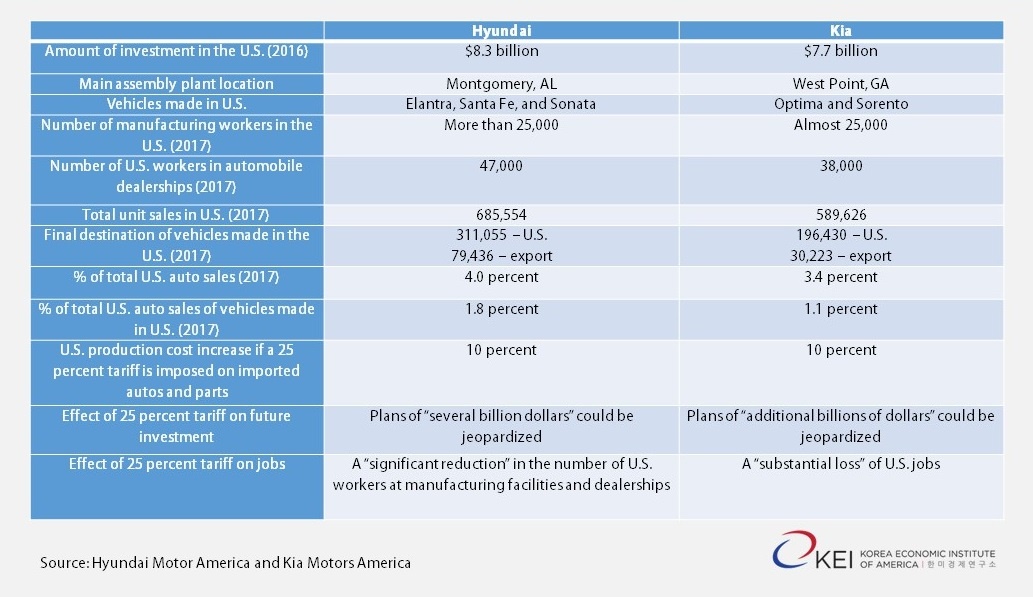
Not only are there sound economic reasons not to impose higher tariffs on Korea motor vehicle and parts imports, it will also damage U.S. national security.
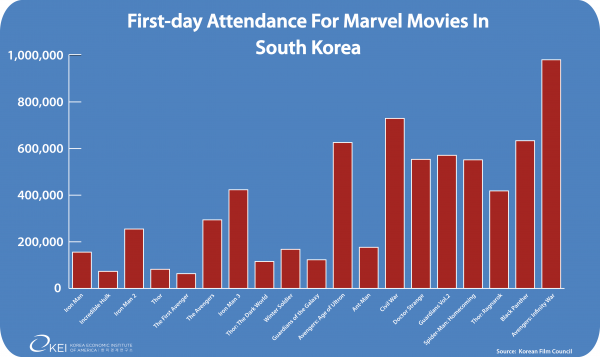
When Avengers: Infinity War was released in South Korea on April 25, 980,676 people watched it just on the first day, a record high among Marvel movies.

Known for its “inhumanely long” workweek, South Korea just shortened its maximum working hours from 68 to 52 hours per week.
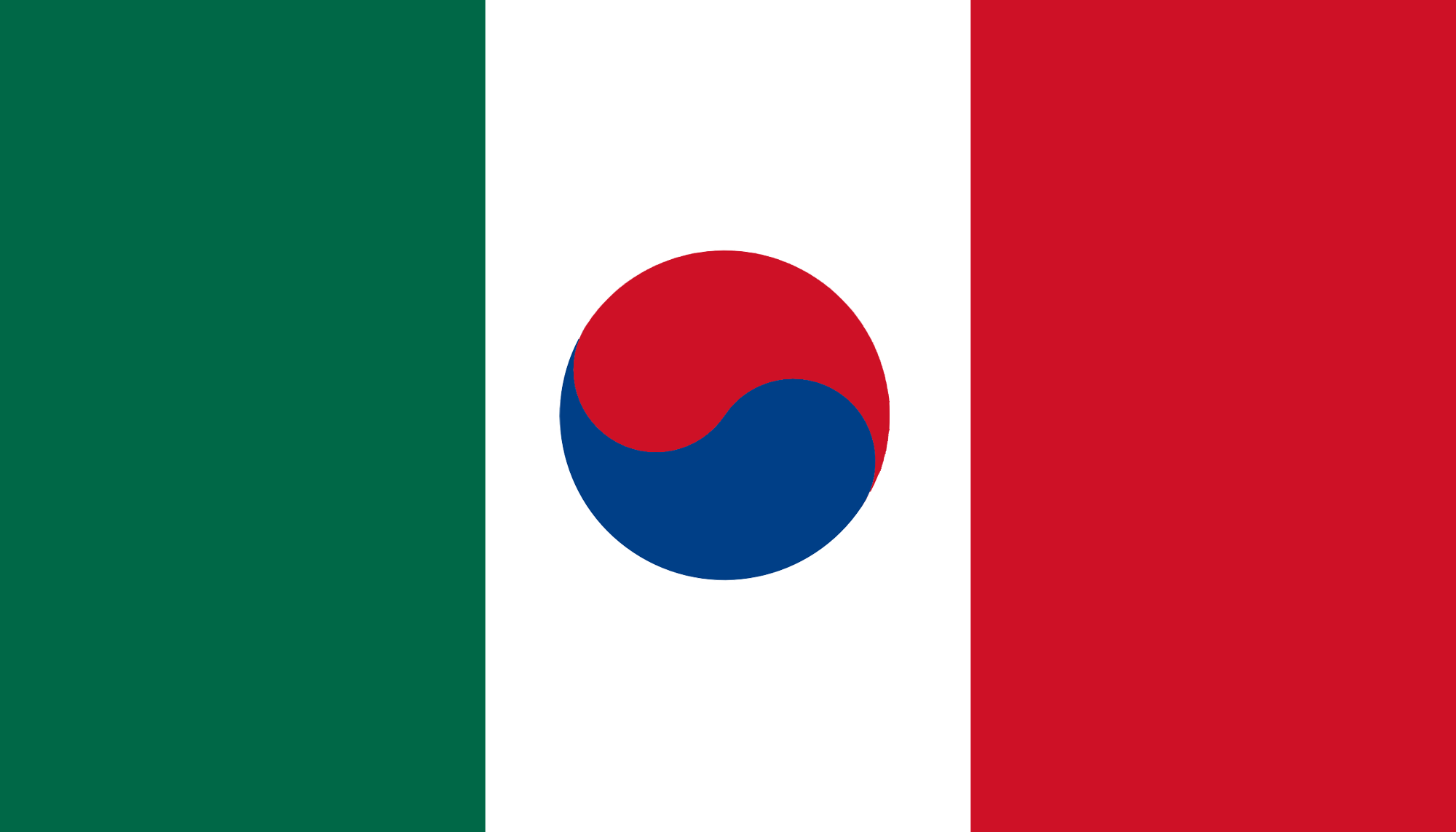
While South Koreans celebrated their team’s upset victory over Germany in the World Cup earlier this week, no country was happier about the win than Mexico.