10 Issues to Watch for on the Korean Peninsula in 2021
We were reminded last year that it can be difficult to anticipate the events that will dominate any given year. As 2020 began, few people…

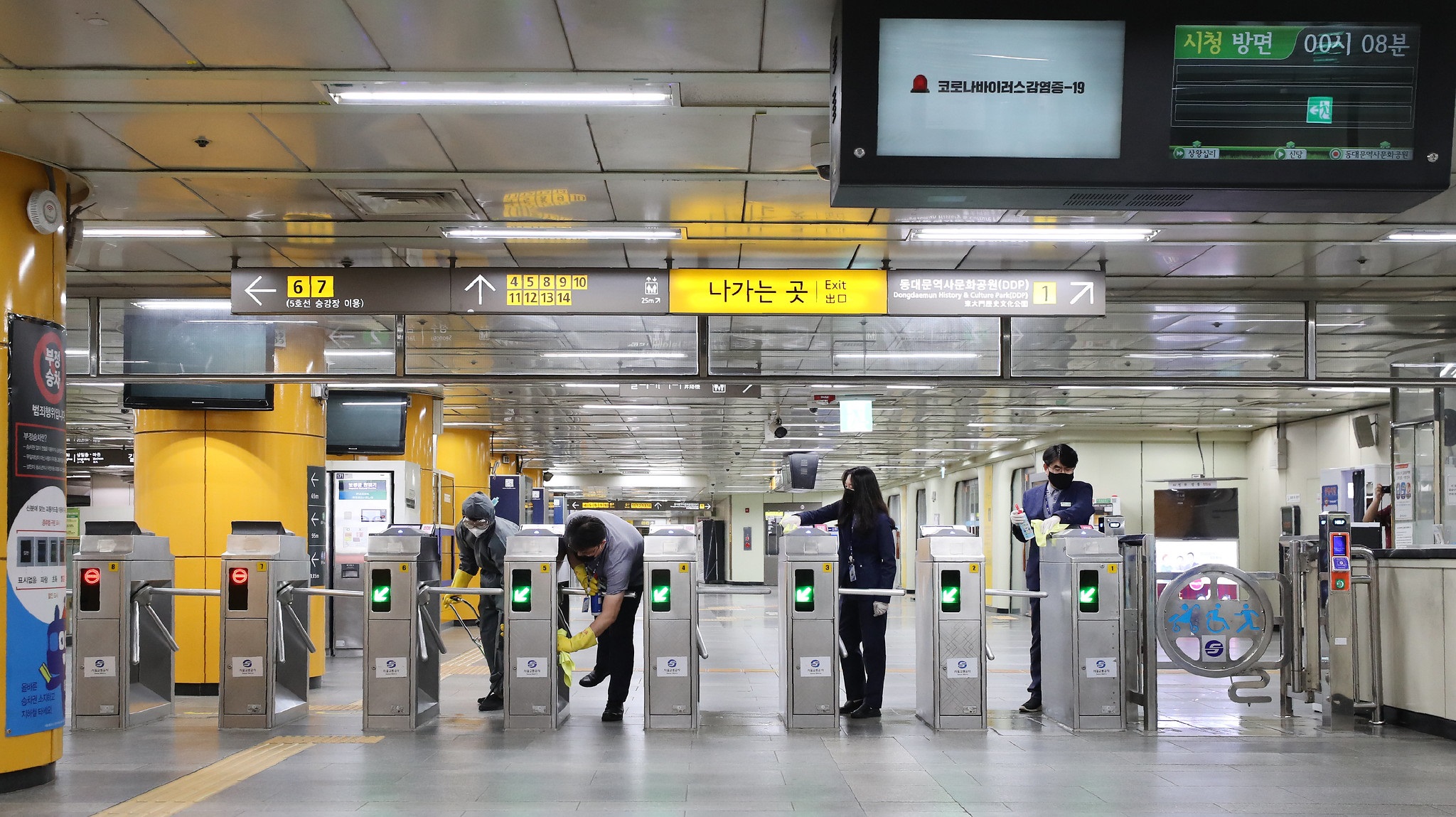
We were reminded last year that it can be difficult to anticipate the events that will dominate any given year. As 2020 began, few people…
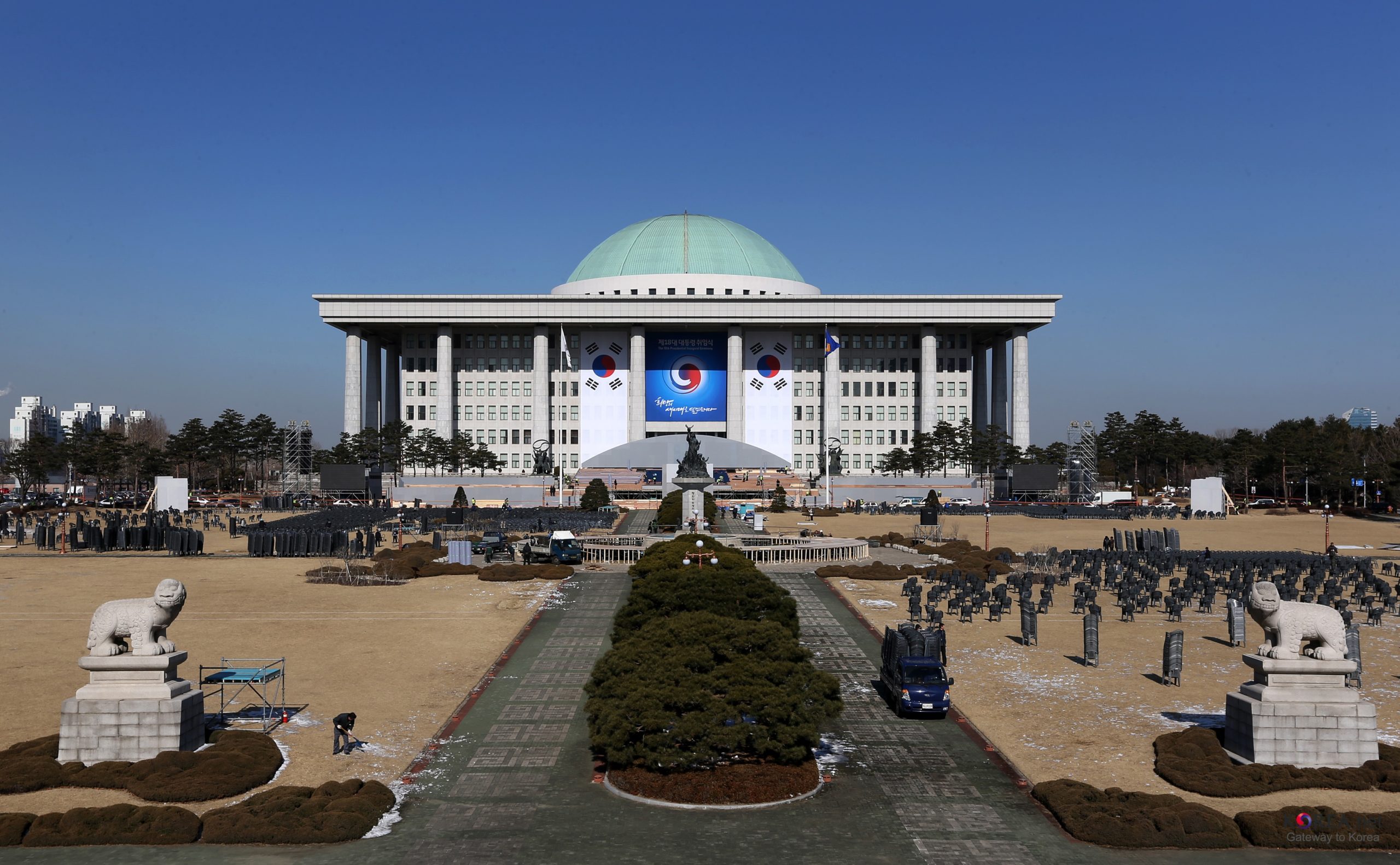
The ruling party doubles down on the claim that relocating the capital from Seoul to Sejong City would benefit the national economy.
With the small firms under economic pressure, the lawmakers look for space to roll back some of the promises made to employees on maximum working hours.

On November 15th, fifteen countries signed the Regional Comprehensive Economic Partnership (RCEP), the world’s largest free trade agreement. It includes the ten ASEAN countries and some…

On Sunday November 15 the countries party to the Regional Comprehensive Economic Partnership (RCEP) announced that trade negotiations had successfully concluded after several years of…
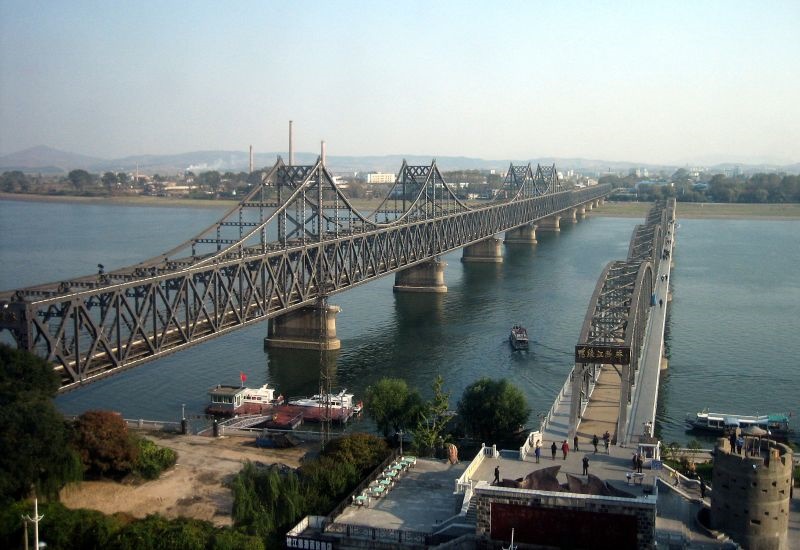
North Korea’s decision to enact strict border controls at the onset of the COVID-19 outbreak in China continues to have a significant effect on trade.
In response to fee increases by private food delivery apps, local governments are becoming direct participants in the service industry.
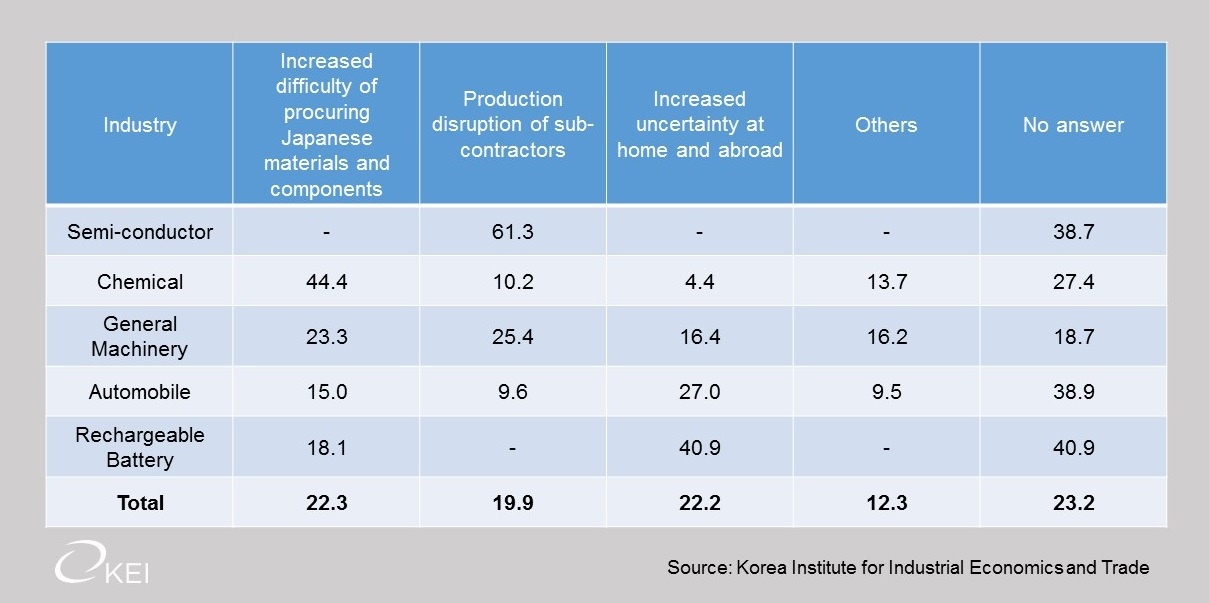
The economic success of the Asia-Pacific has rested in no small measure on its finely-tuned supply chains.

The coronavirus outbreak has afforded provincial governments an opportunity to further expand their fiscal toolkits and shape the local economy.
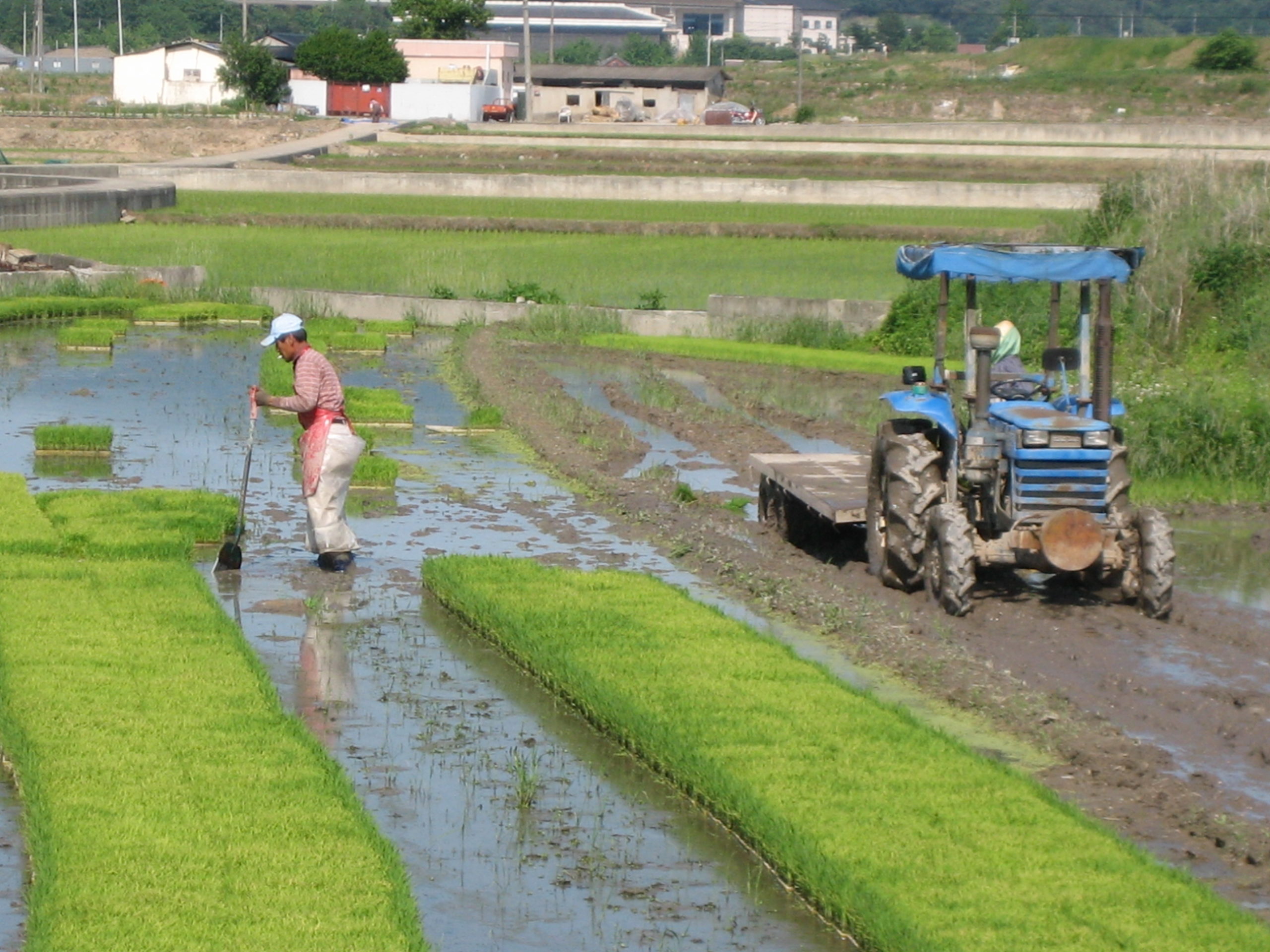
Travel restrictions that were imposed to contain the ongoing pandemic revealed how reliant South Korea’s agriculture industry is on foreign labor.