Why South Korea Is Giving 51 Million People Unlimited AI
Before the end of this year, every resident of South Korea will have free and unmetered access to a general-purpose AI chatbot and a public…


Before the end of this year, every resident of South Korea will have free and unmetered access to a general-purpose AI chatbot and a public…
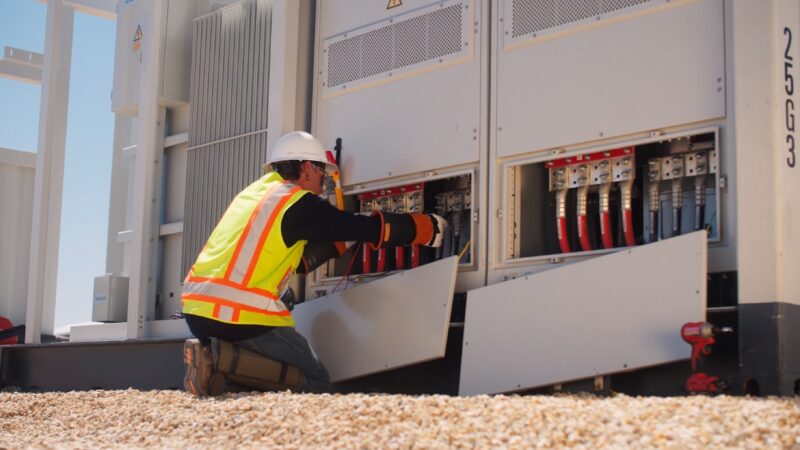
The rapid expansion of AI data centers and advanced manufacturing is driving up electricity consumption in the United States. Early this year, the U.S. Energy…
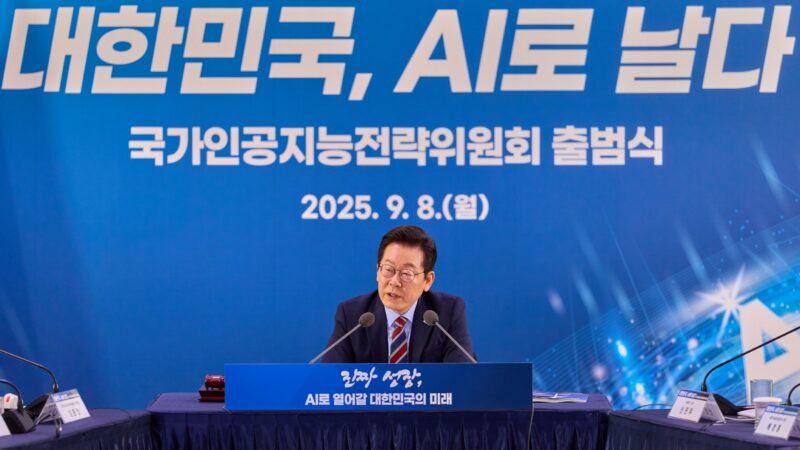
The AI summit that South Korean President Lee Jae Myung convenes in San Francisco tomorrow is organized around two major growth drivers of the global…
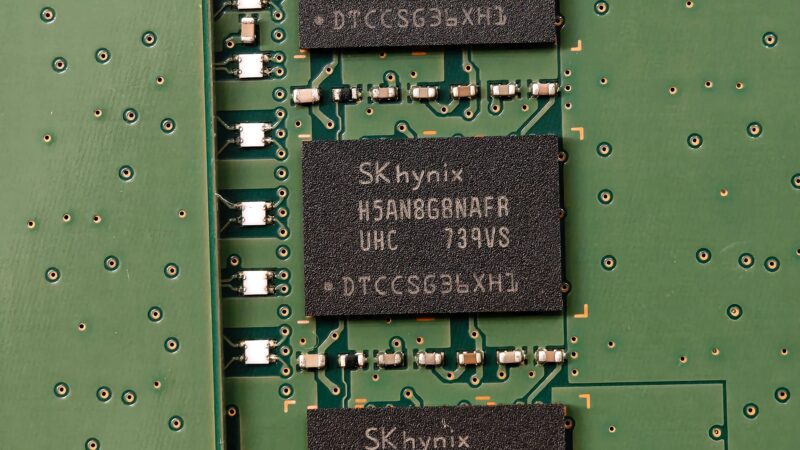
There is a tendency to view the world through the status quo. If the economy is growing, the set expectation becomes that it will continue…
As a growing number of countries develop their own sovereign AI systems, new challenges may emerge with Donald Trump’s return to the White House and his approach to generative AI.

The port strikes should renew attention on economic security and efforts to promote stability in global commerce.
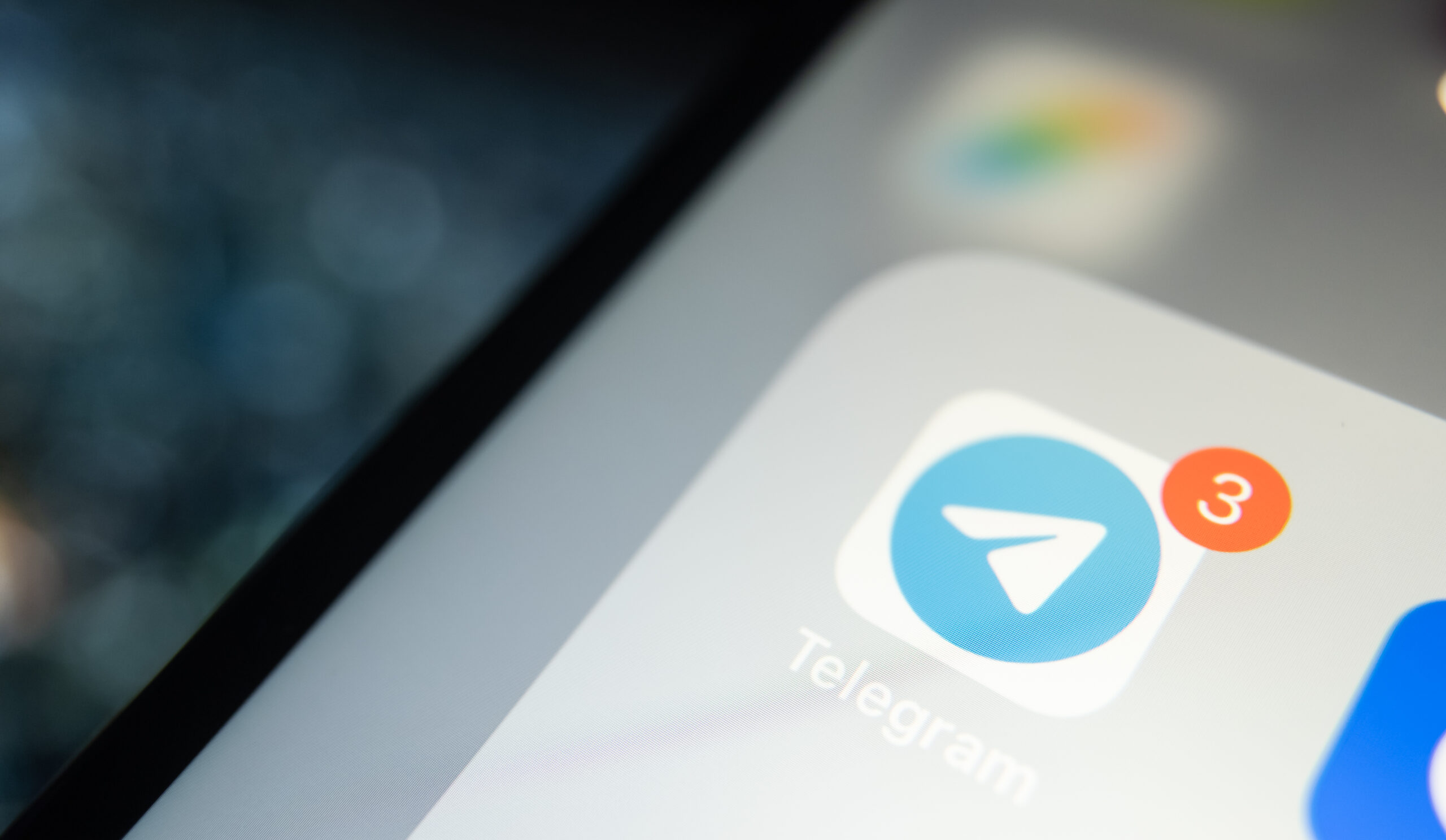
South Korea should address and regulate growing challenges associated with deepfake technology and AI-generated malicious content.
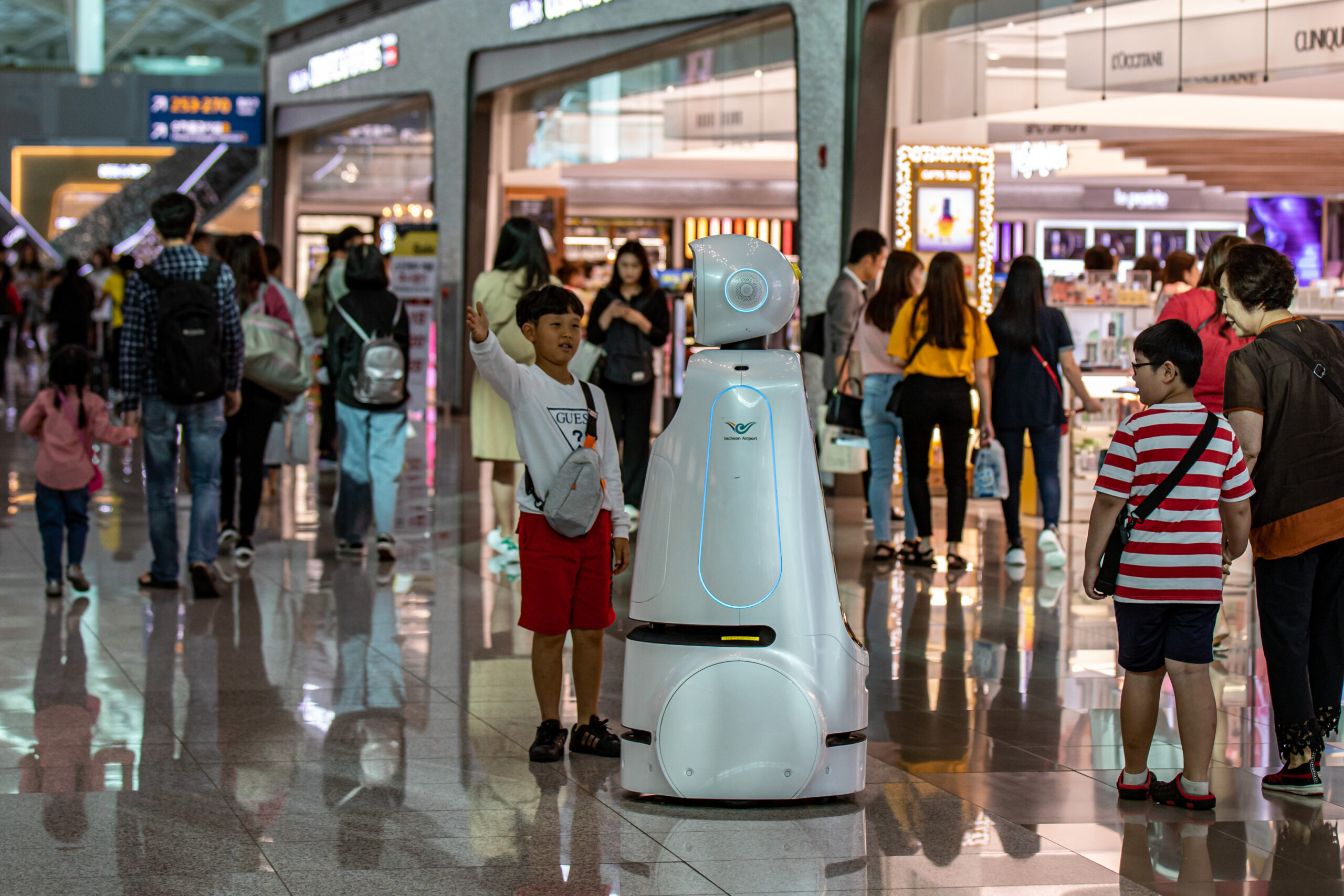
South Korea has found itself at the center of forward momentum on the international governance and deployment of artificial intelligence (AI).
Korea’s role as the global center of memory chip technologies means it is playing a central role in the AI transition.
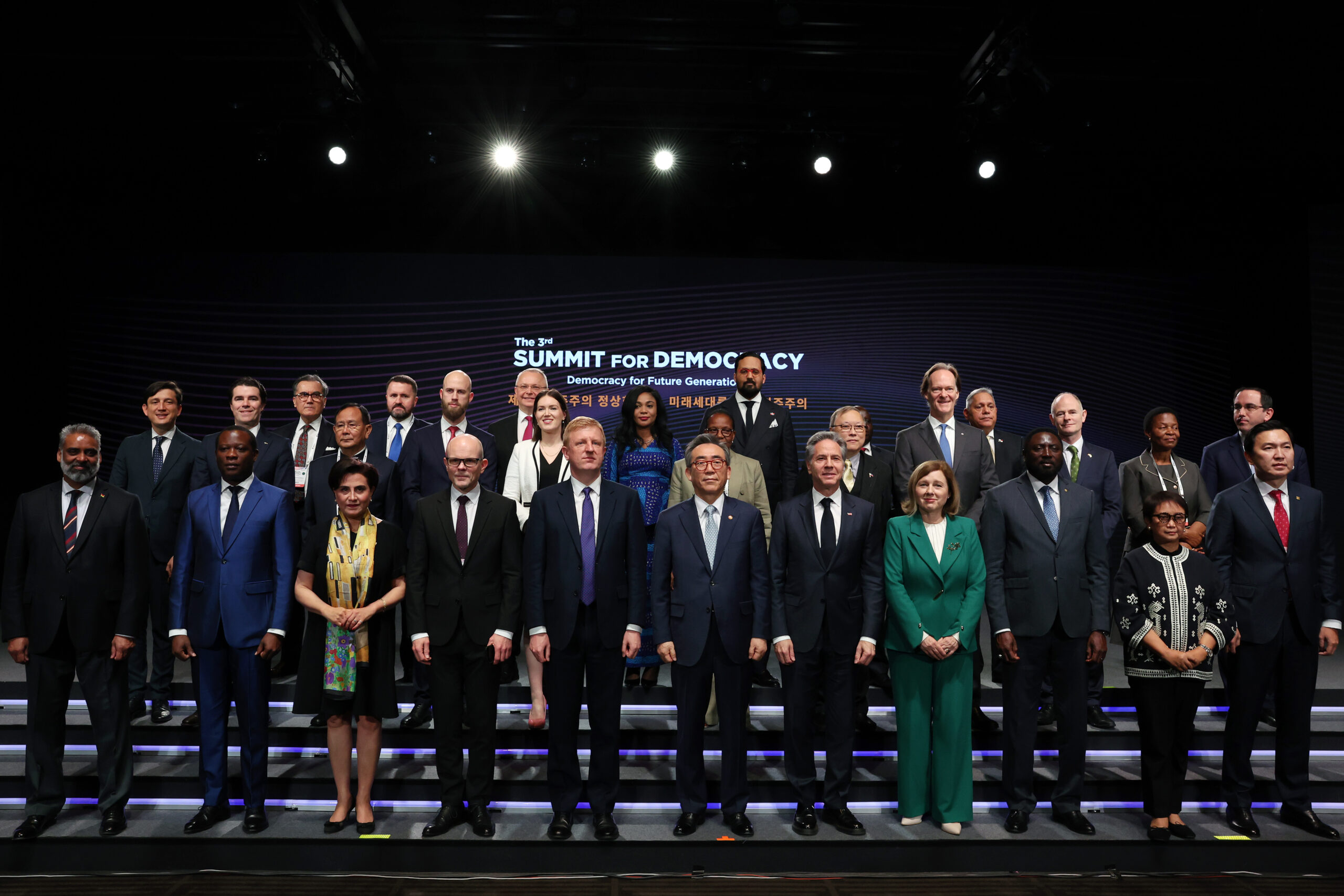
The predominant undertone appears to have been the role that artificial intelligence (AI) will have in shaping democracies.