Is Trouble Bubbling Under the Surface of South Korea’s Tourism Boom?
By Jenna Gibson Walking down one of Seoul’s many shopping streets, sandwiched between food carts and two-story portraits of the latest k-pop phenom, store clerks…


By Jenna Gibson Walking down one of Seoul’s many shopping streets, sandwiched between food carts and two-story portraits of the latest k-pop phenom, store clerks…
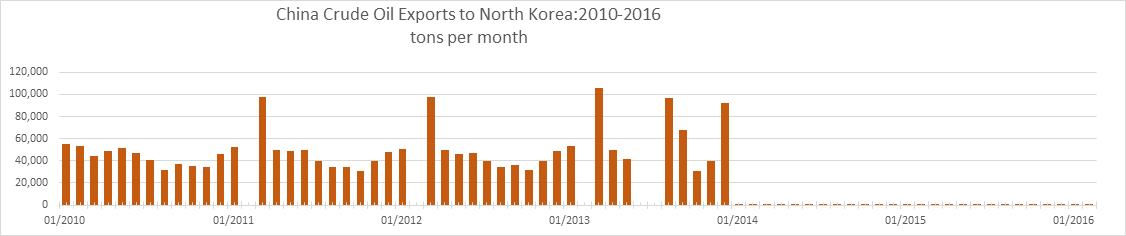
China surprised many Washington pundits by signing on in February to what looks like fairly tough trade sanctions on North Korea.
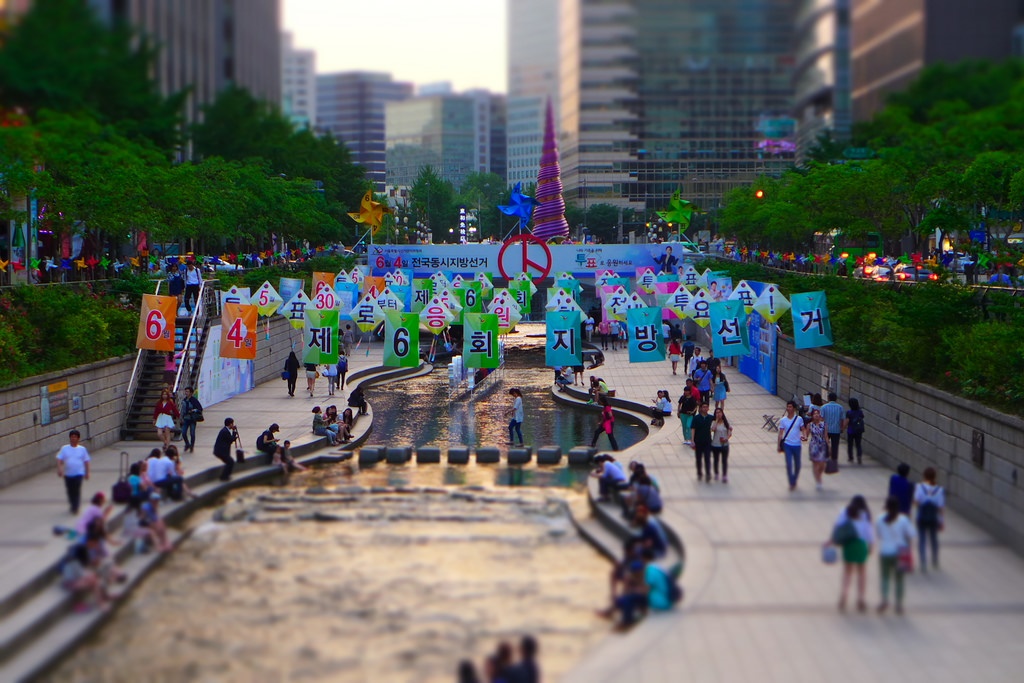
In many ways the Korean election could not be more different than the one currently underway across the United States.
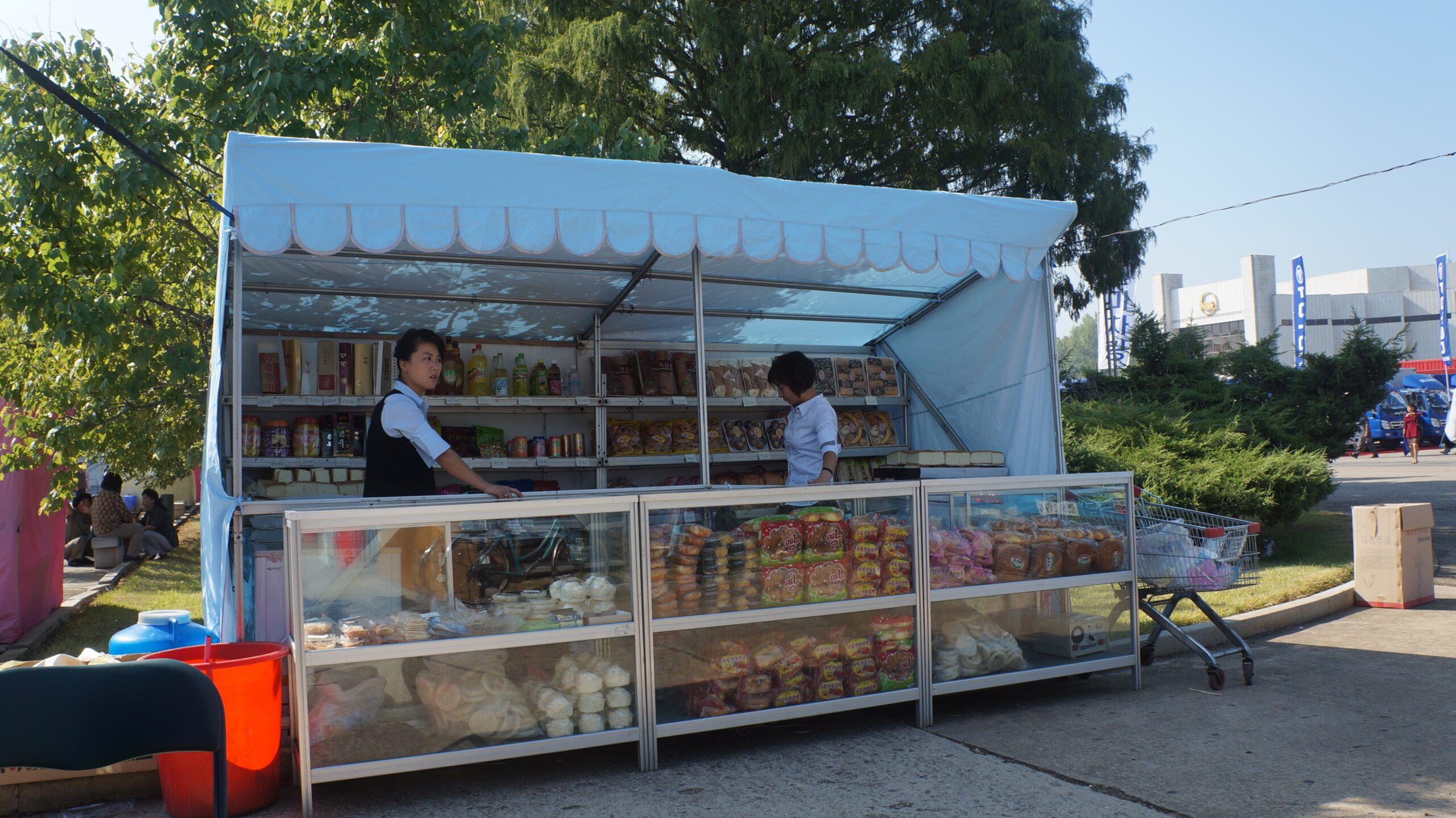
KEI Communications Director Jenna Gibson, host of Korean Kontext, recently interviewed Dr. Stephen Haggard of the University of California-San Diego on the North Korean economy, the role of black markets, and the potential impacts of new UN sanctions.
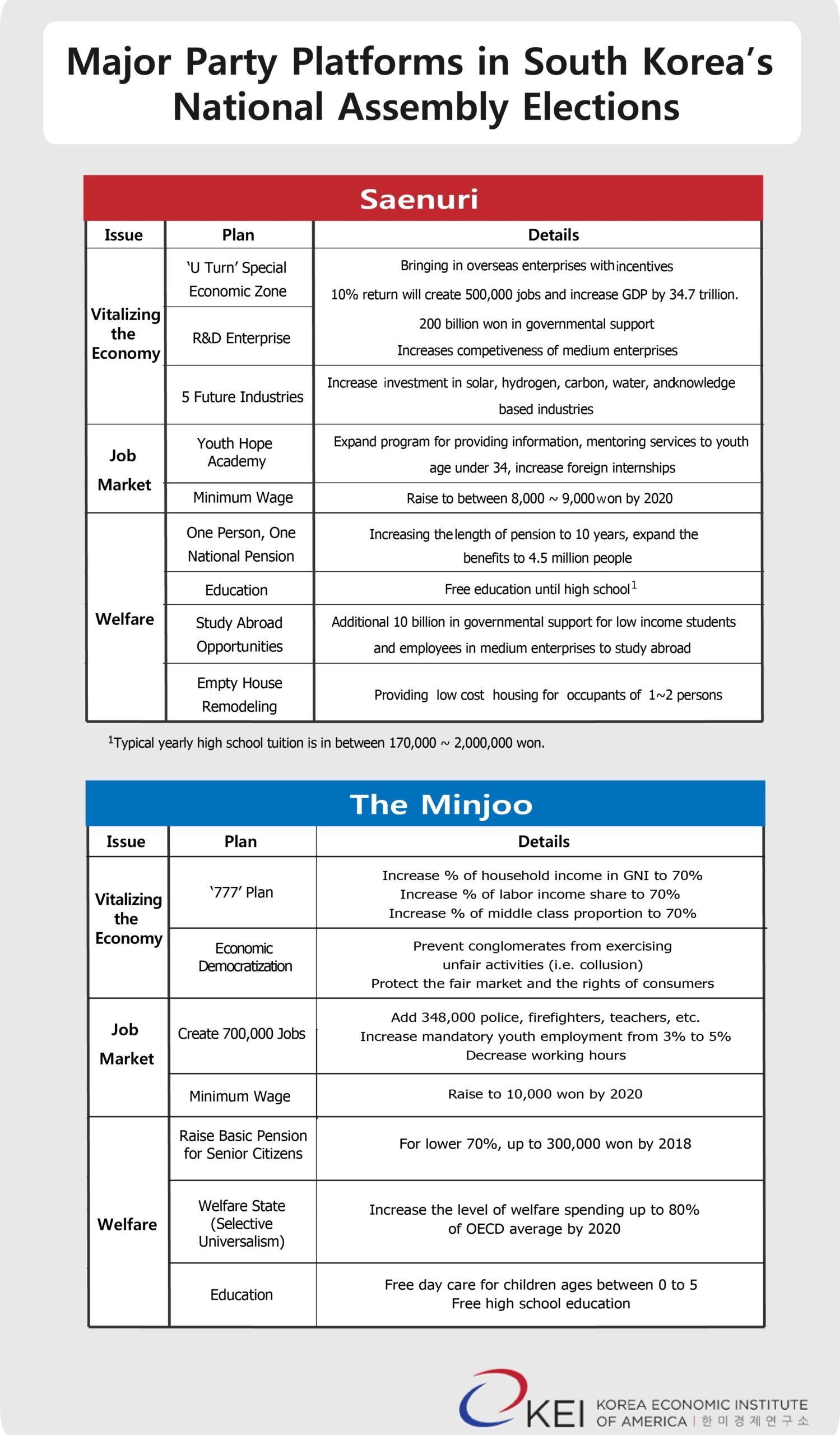
On April 13, 2016, South Korea will hold elections for the 20th National Assembly.

Twenty five years ago today, South Korea established the Korea International Cooperation Agency (KOICA), officially cementing its unprecedented transition from aid recipient to donor.
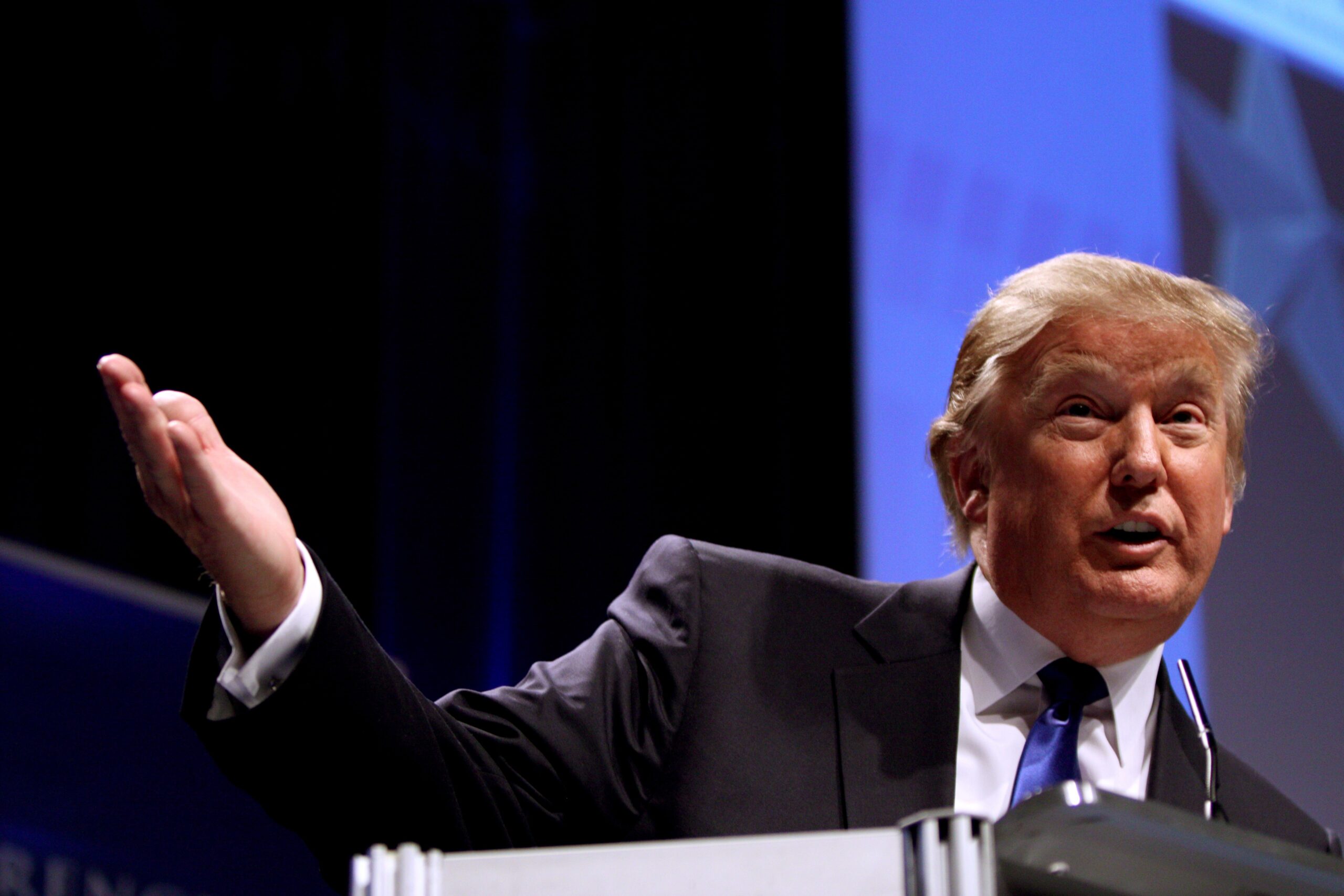
As Donald Trump beings to lay out more of his thinking on U.S. foreign policy, one issue that is gaining attention is his suggestion that the United States should remove its nuclear umbrella from South Korea and Japan and that these nations should be allowed to develop their own nuclear deterrent.
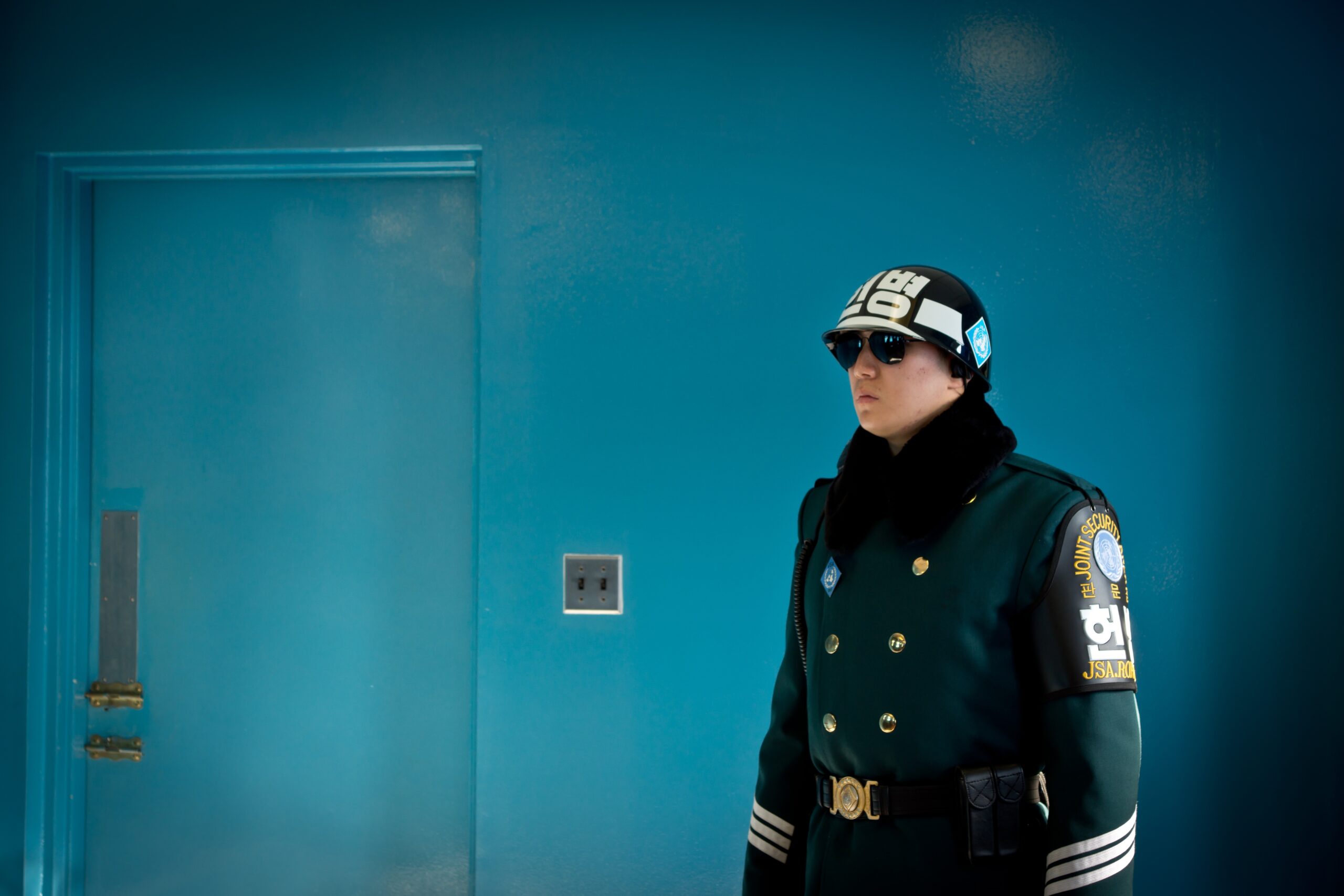
The two Koreas have made it through troublesome times at the beginning of the year before, but with more factors being added to the mix each month, this period during the first quarter of 2016 could be the toughest challenge yet for the Park Geun-hye and Kim Jong-un.

In the face of a North Korean missile volley protesting the recent passing of United Nations Security Council Resolution 2270, China has once again called for calm. This will undoubtedly anger some and lead many to question whether China’s resolve to earnestly and forcefully implement the sanctions is genuine.
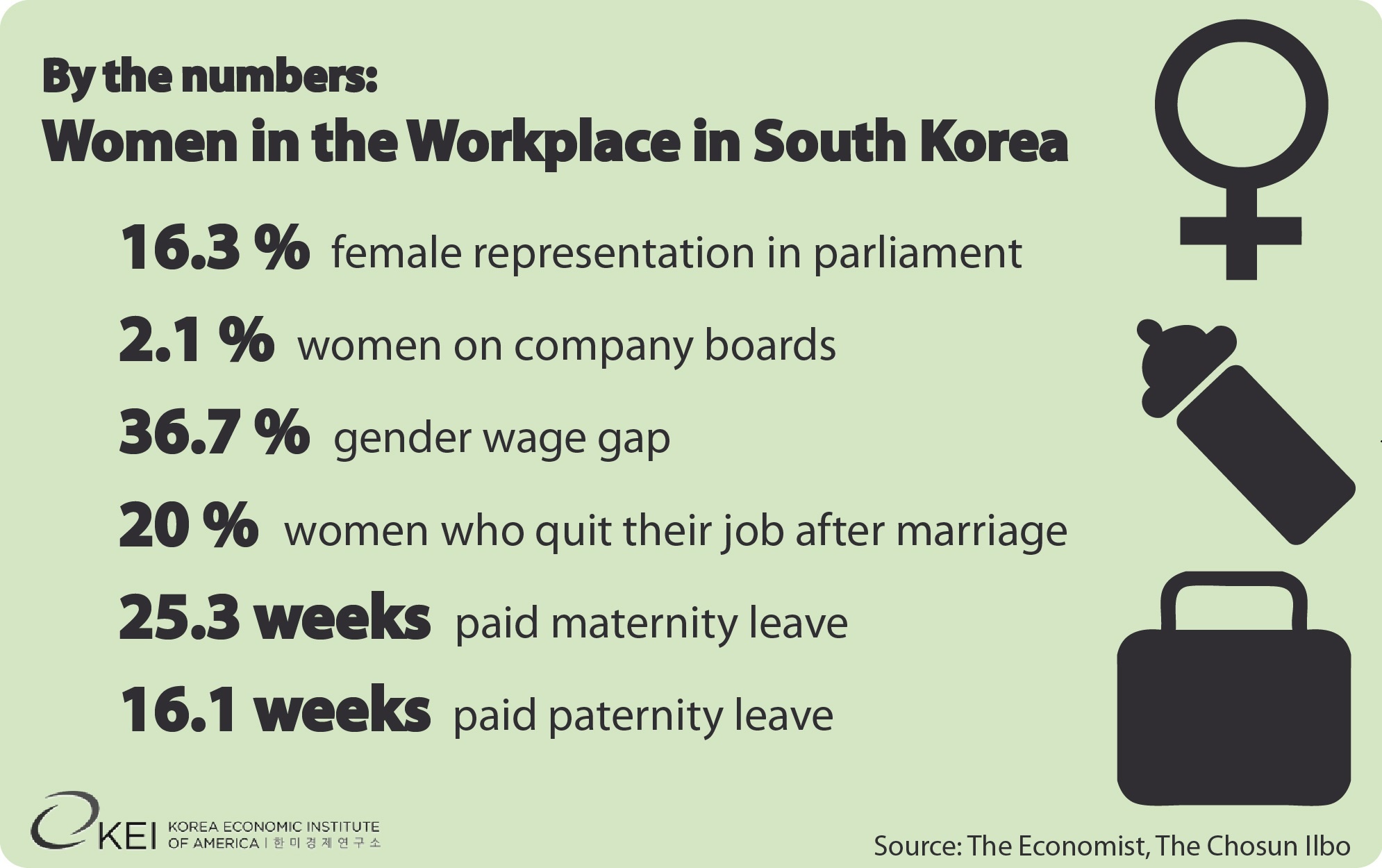
In The Economist’s recent ranking of the best and worst places to be a working woman, South Korea did not fare well. In fact, it was considered last among OECD countries.