Conceptualizing South Korea’s Response to a Nuclear Power Accident in North Korea
South Korea’s response to a nuclear reactor crisis at North Korea’s Yongbyon complex depends heavily on many assessments and factors.
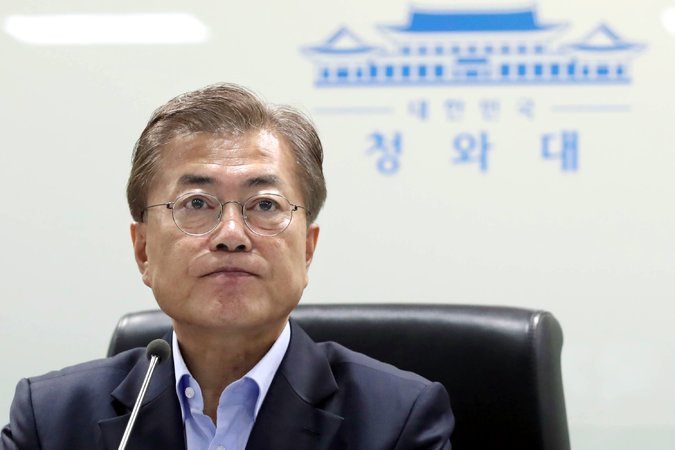
During his campaign, President Moon Jae-in said that the president and the Blue House should be the “control tower” for disaster management, citing Article 34 in the Korean constitution.
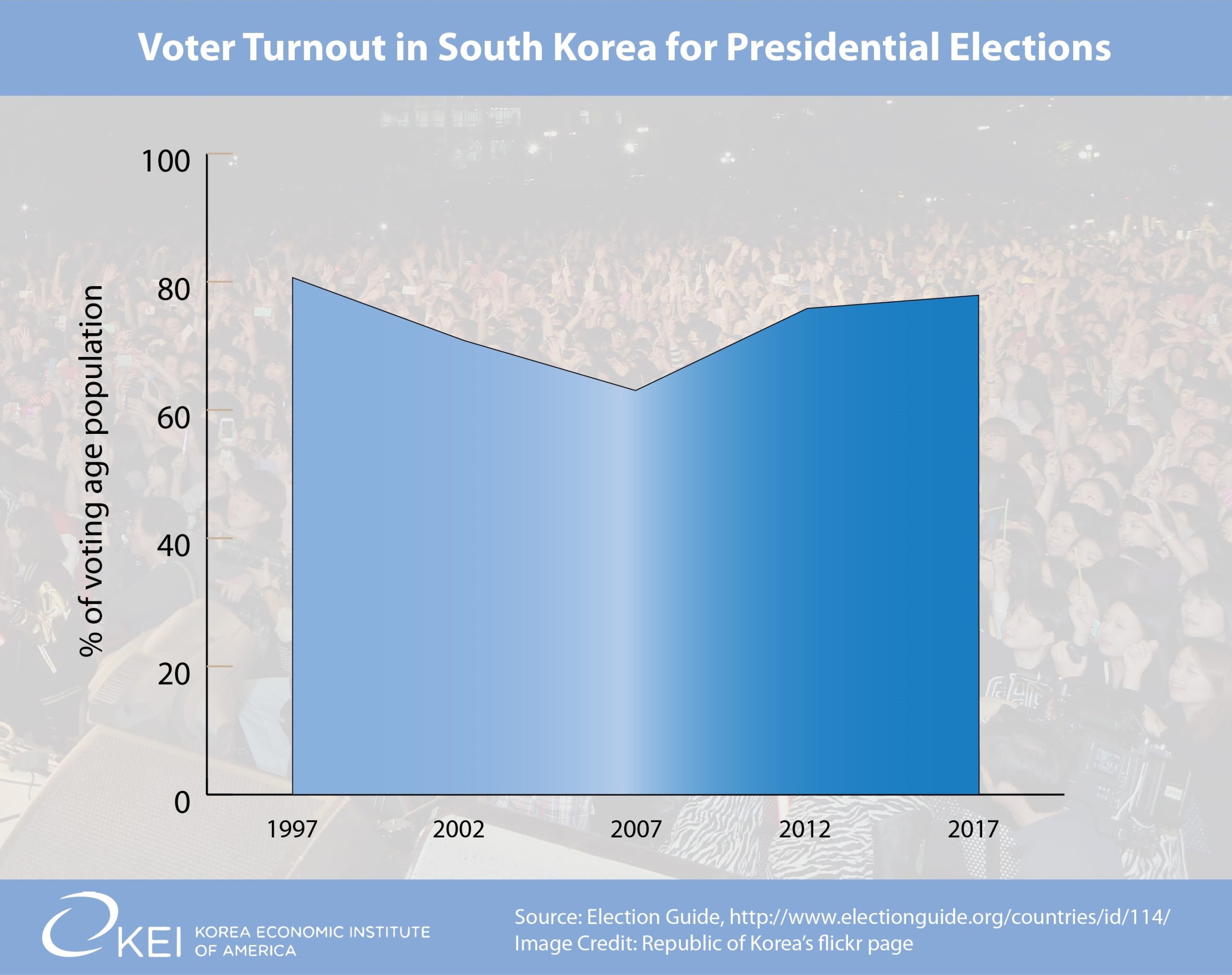
Even prior to this presidential election, South Korea had a track record of high voter turnout relative to other countries.
China’s punitive economic measures against South Korea over THAAD may have shrouded Beijing-Seoul relations in uncertainty, yet they highlight Korea’s economic dependence on China.
An unexpected early presidential election was held on May 9 in South Korea. This election was the result of the impeachment of President Park Geun-hye. The election was won by Moon Jae-In, who strongly argued for eradicating ‘deep rooted evils”’ in Korean society, referring to the turmoil from the former President Park.
Beijing has approved the broadcast of a new Korean drama that had been co-produced by a Korean and a Chinese company, according to a source in the Chinese entertainment industry, making it the first Korean show to get the green light since before the THAAD spat.
This year has already seen a dramatic roller-coaster of events in South Korea-Japan relations.
Perhaps no industry reflects the U.S.-Korea trade imbalance that a recent USTR report alludes to more than automotive.
In order to move forward, President Moon must be careful to include Russia in his strategy and public statements about denuclearization, especially if he maintains his stated goal of resuming the Six Party Talks.
As the new Moon Jae-in administration begins to put its personnel in place, one of the more challenging international relations to manage will be North Korea.