Deepening South Korea’s Relations with the Middle East
The active relationship between South Korea and the Middle East Area is relatively young.

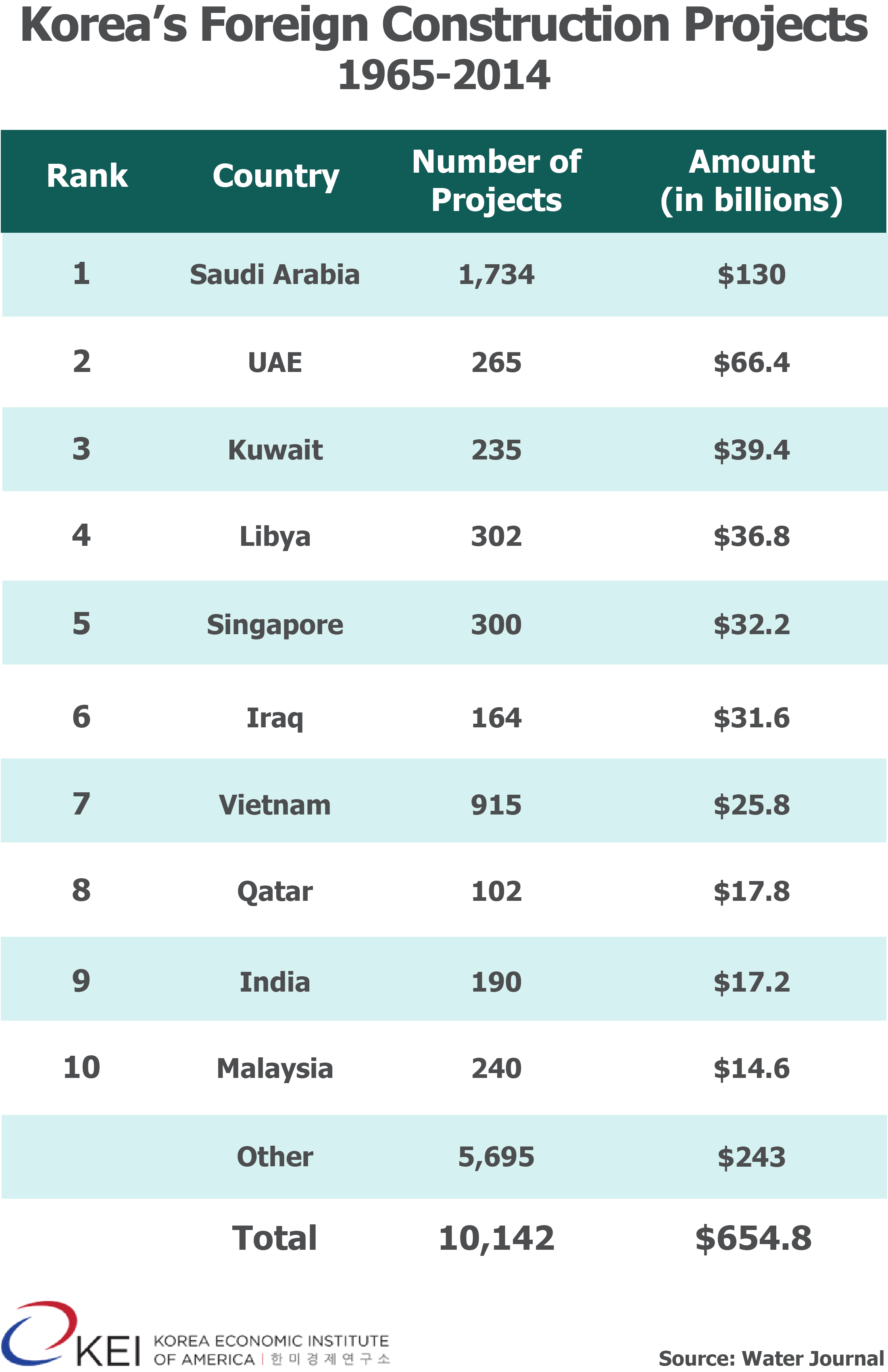
The active relationship between South Korea and the Middle East Area is relatively young.
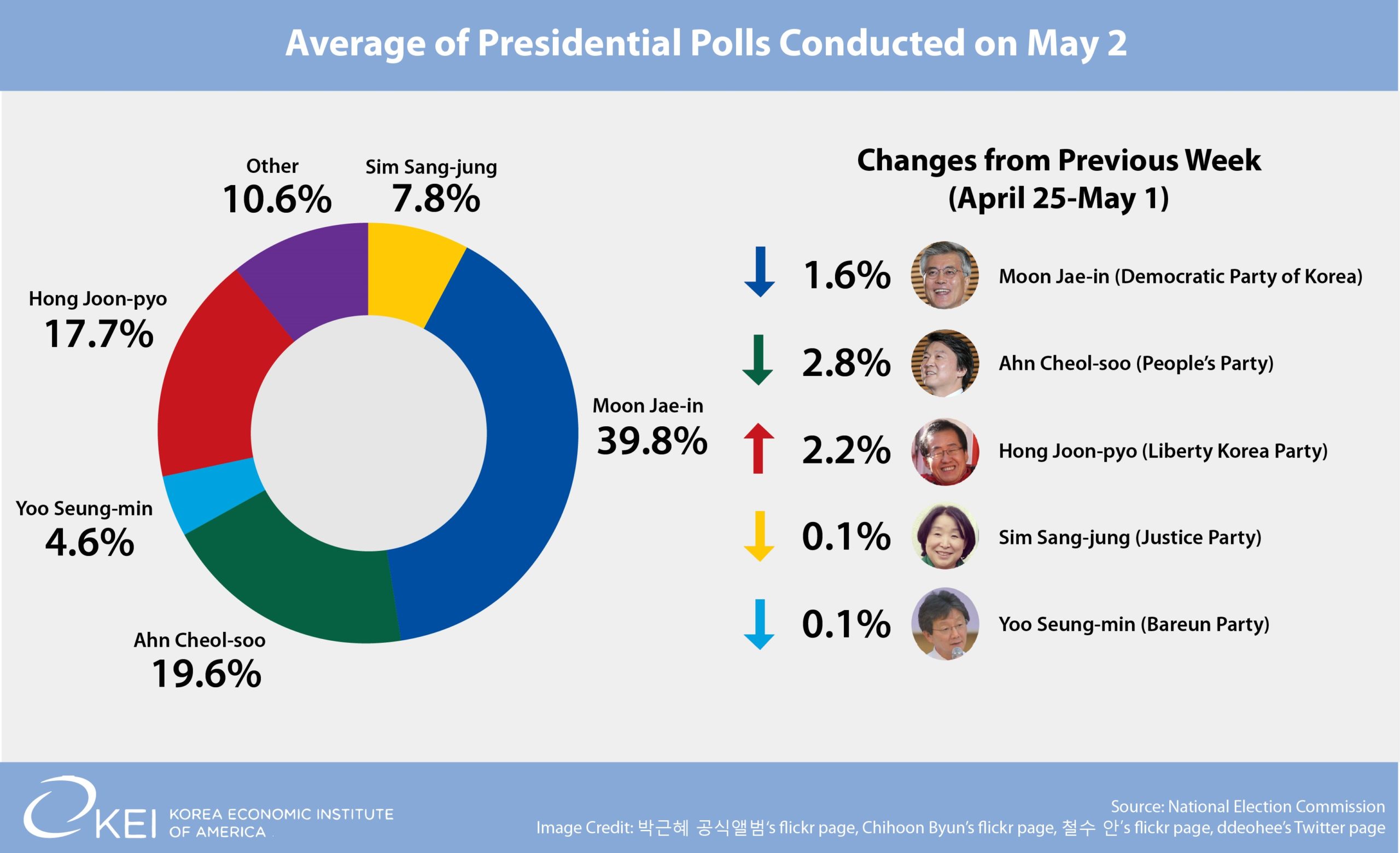
May 2nd marked the last day for polls to be conducted before the South Korean presidential election on May 9th.

The next administration will come into office at time when South Korea faces a wide array of economic, political, social, and security challenges.
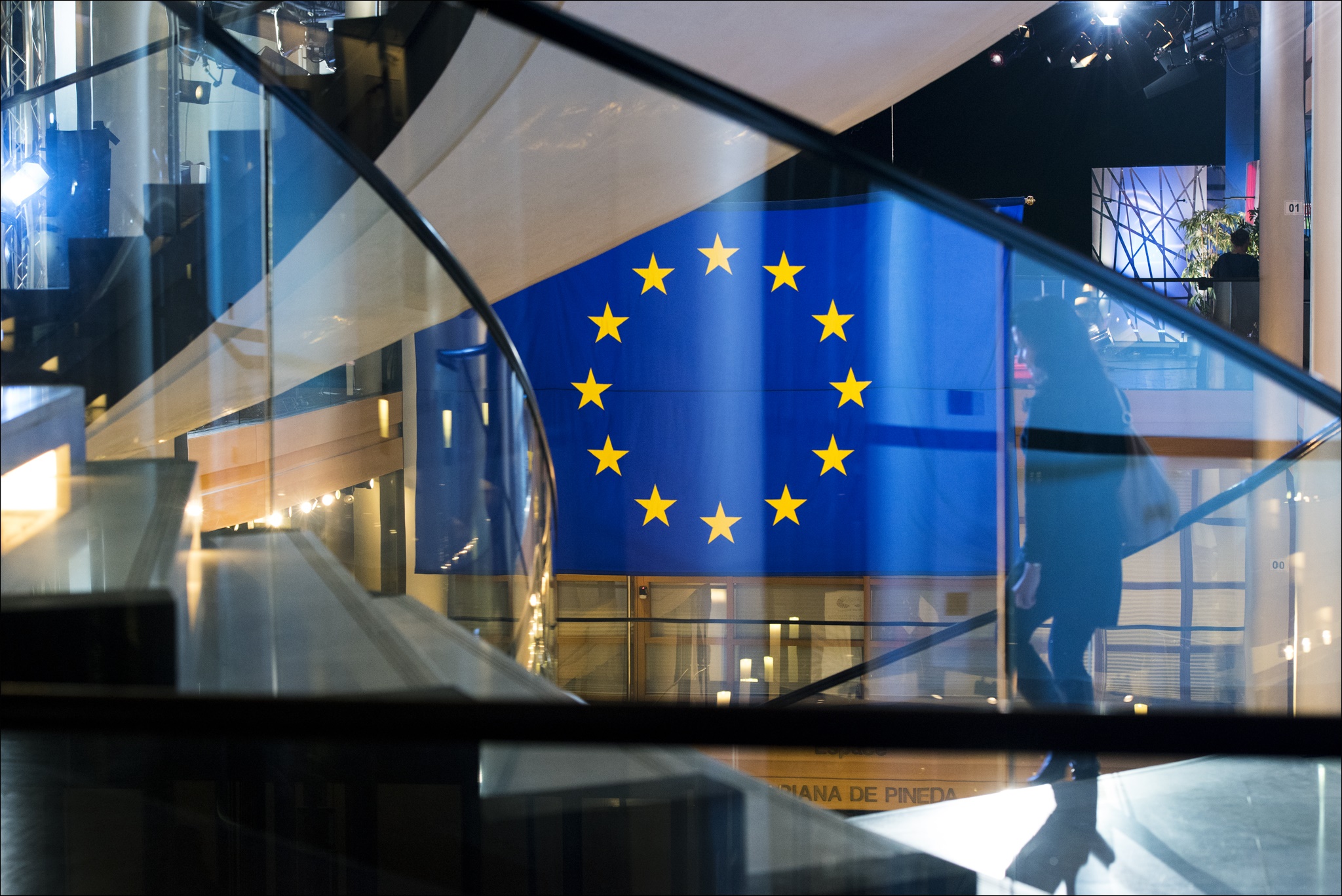
The EU and South Korea share important values such as human rights, democracy and a market economy, making the EU an important partner for South Korea and the next presidential administration.
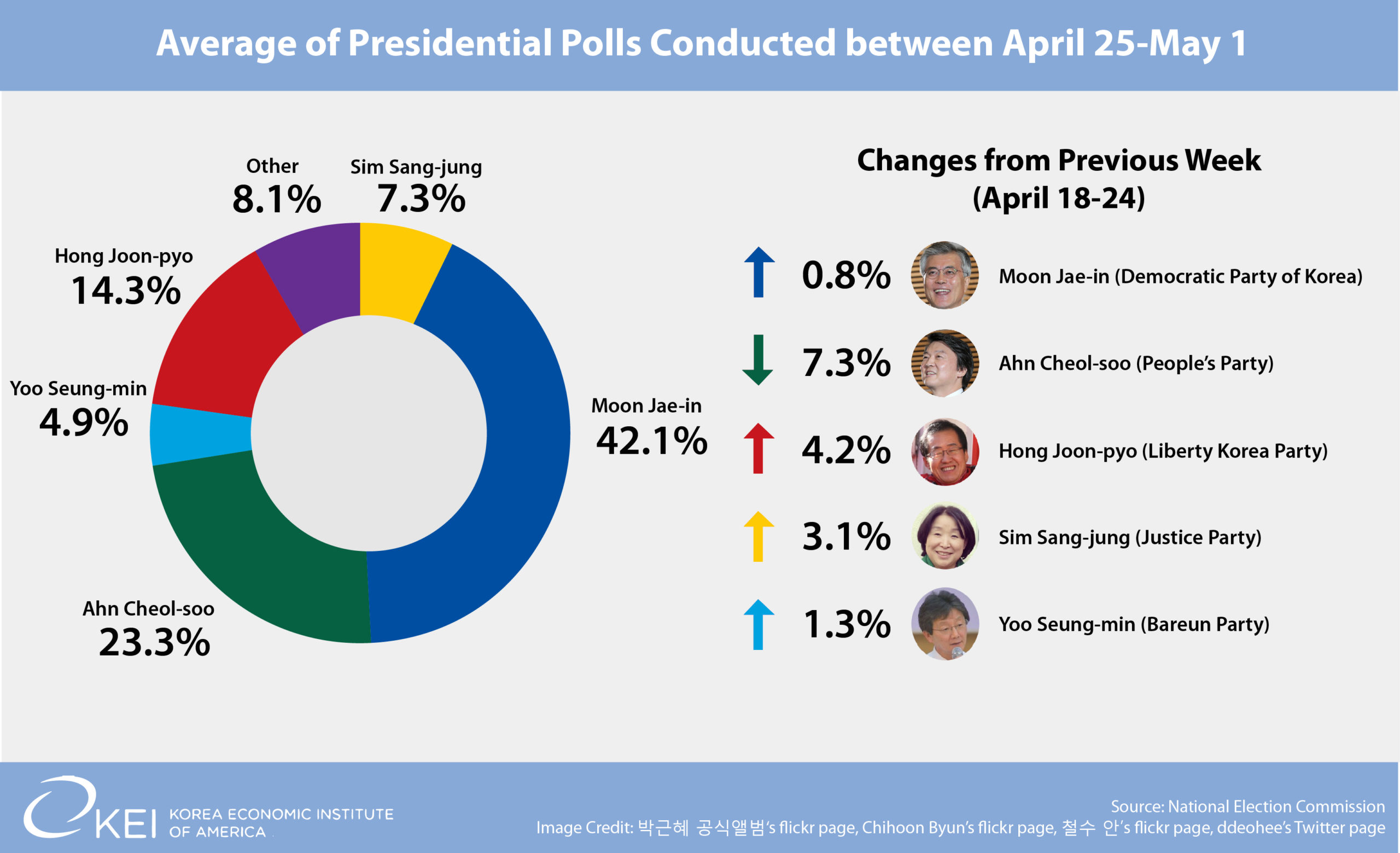
With the South Korean presidential election a little over a week away, frontrunner Moon Jae-in has maintained his lead while his closest competitor Ahn Cheol-soo continues to fall in the polls.
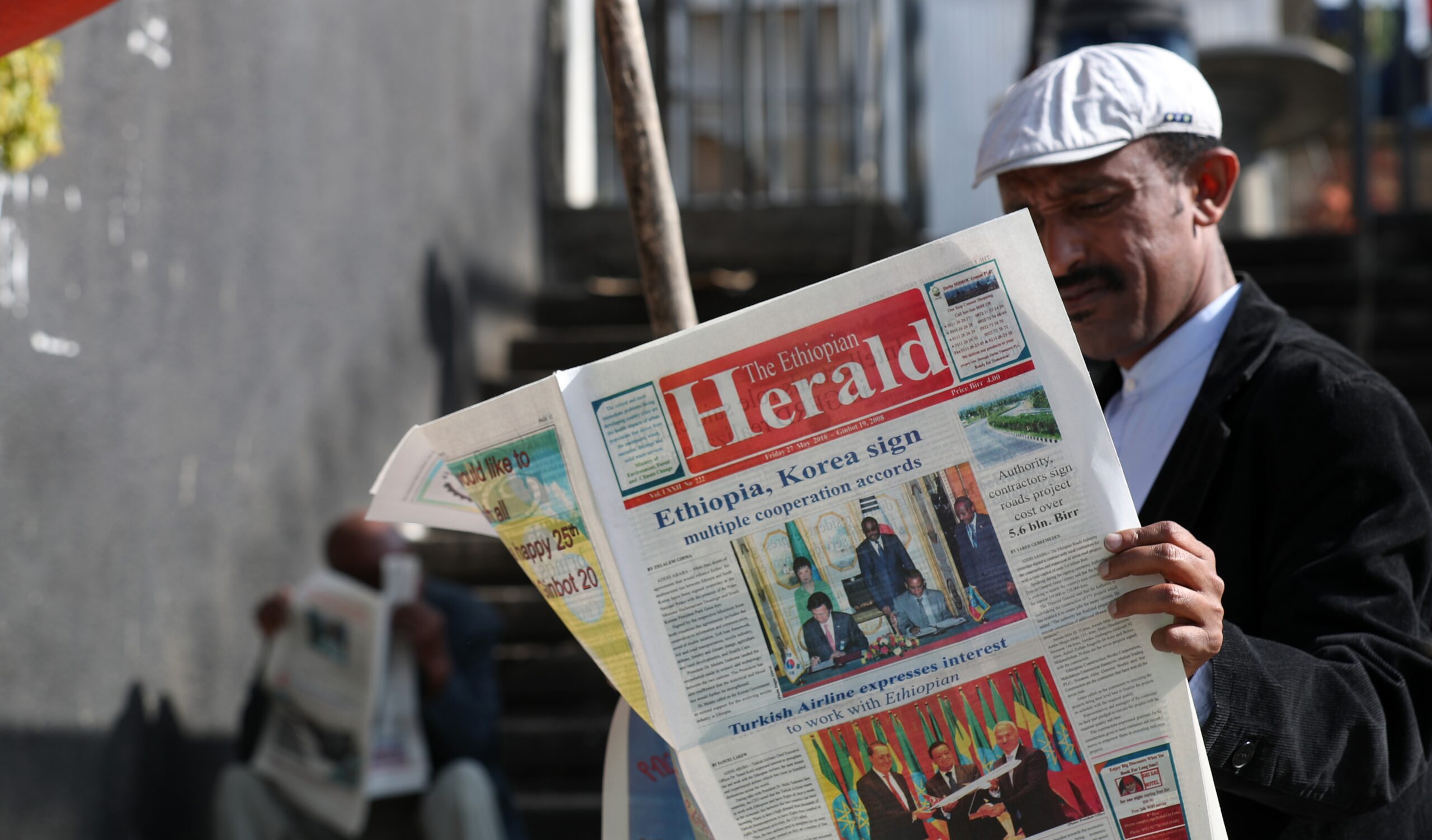
Although Korea embarked on closer diplomatic relations across Africa in recent years, Seoul has tended to focus on short-term projects that lack continuity.

From both strategic and economic stances, it is critical that the future South Korean administration continue to expand trade and investments in Latin America.
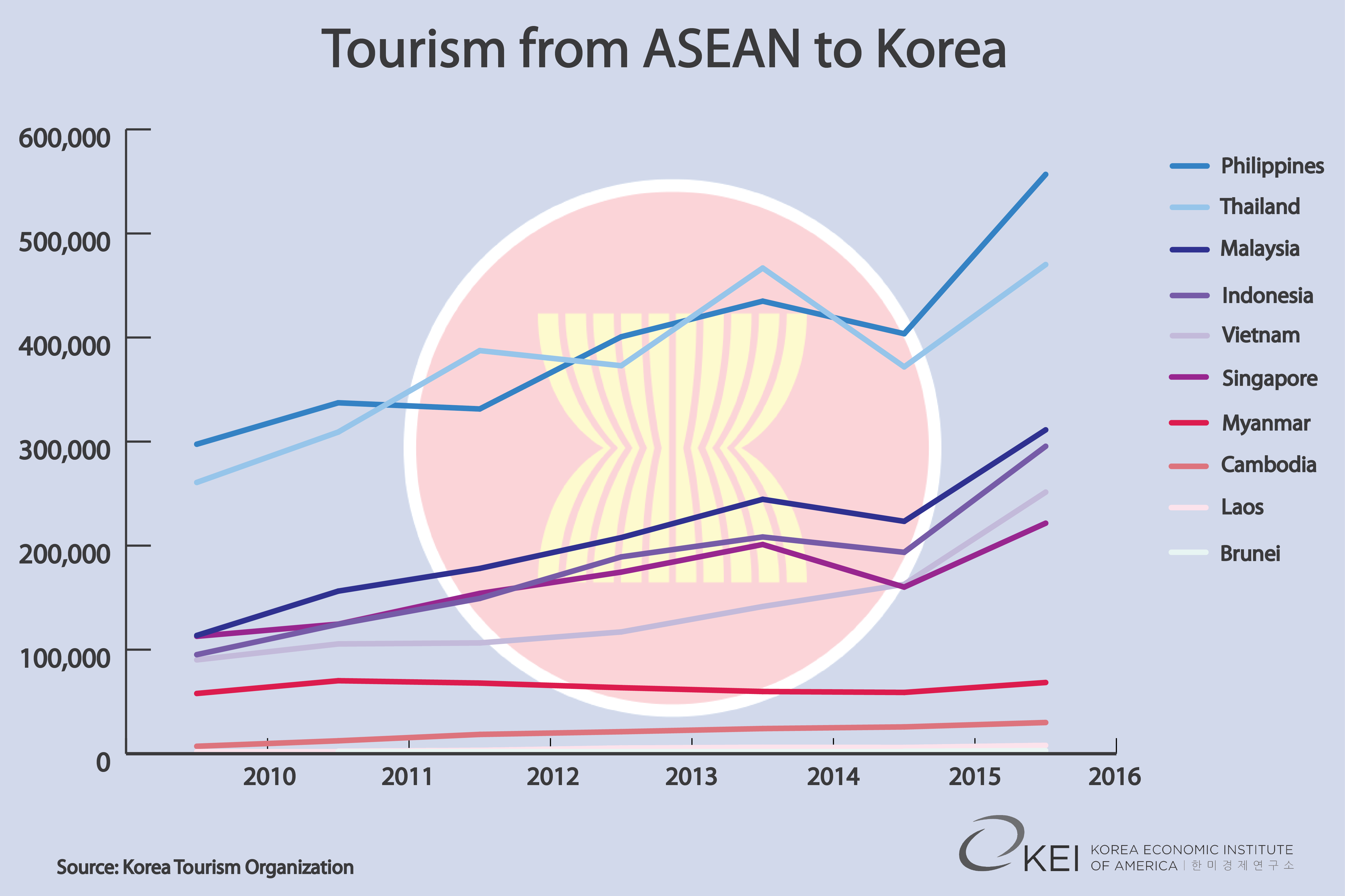
Since establishing a Sectoral Dialogue Partnership with the Association of Southeast Asian Nations (ASEAN) in 1989, South Korea has rapidly expanded its diplomatic ties, economic partnerships, and development assistance efforts in Southeast Asia.
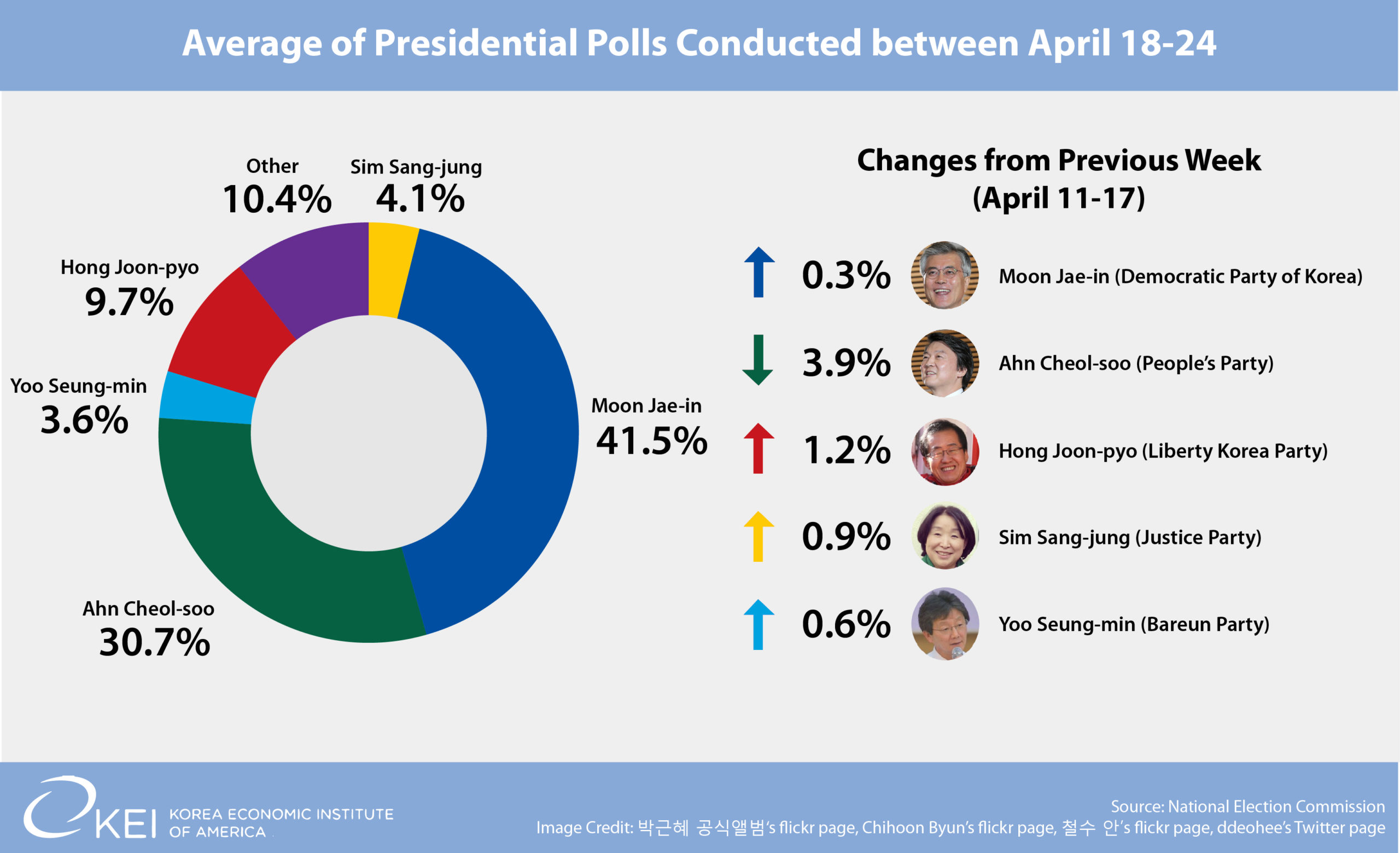
Our aggregate poll is an average of national polls conducted between April 18th and 24th.
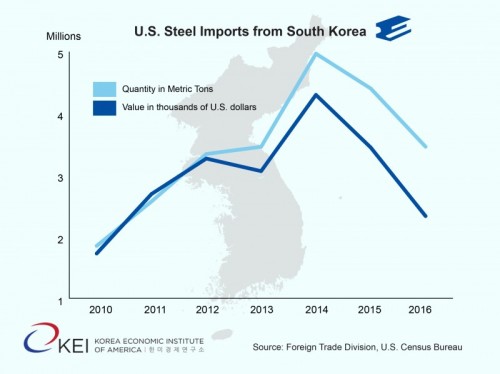
On April 20, 2017, President Donald Trump signed a memorandum for the Secretary of Commerce, Wilbur Ross, directing him to conduct a “Section 232” investigation into the national security implications of steel imports.