The April 27 “Panmunjom Declaration” in Context
The April 27 summit was full of symbolism, imagery, and rhetoric. That should not be brushed aside to look for “real” progress. Symbolism is important in itself.

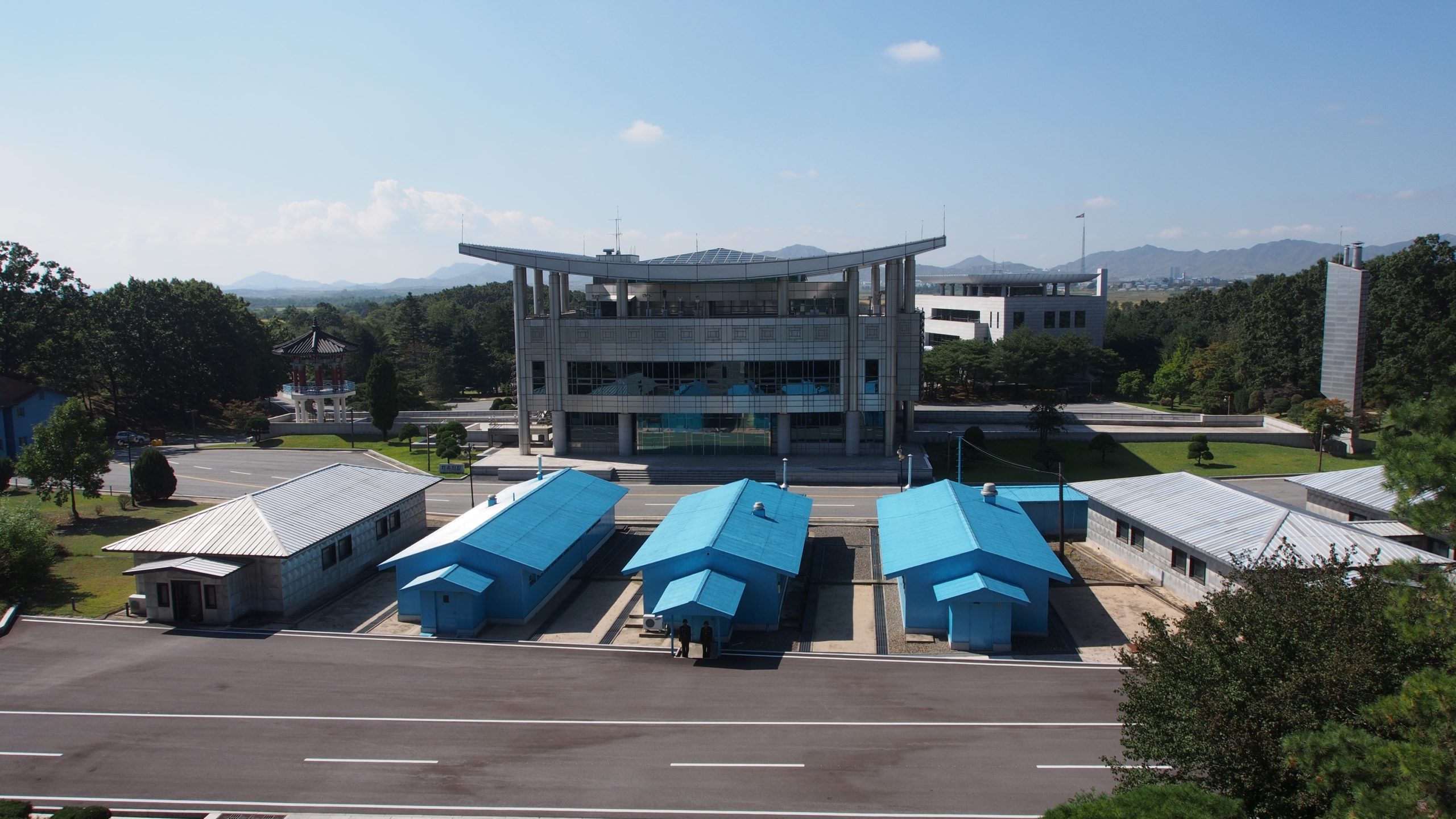
The April 27 summit was full of symbolism, imagery, and rhetoric. That should not be brushed aside to look for “real” progress. Symbolism is important in itself.

While there are reasons to be hopeful about the outcome of the summit, investing now in the resumption of Inter-Korean construction projects is premature even in the best case scenario.
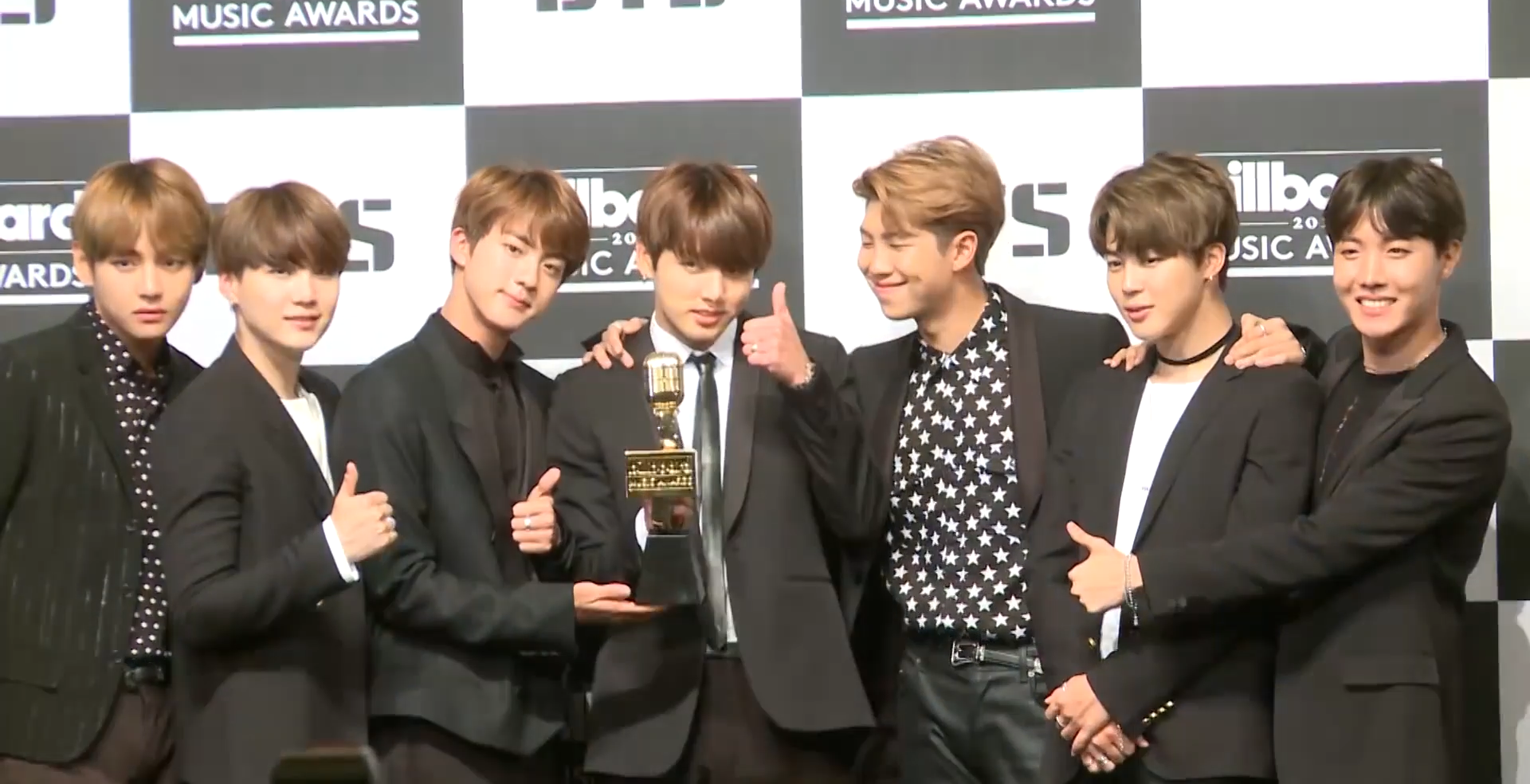
There is another surge in interest for Korean pop music, particularly in the United States, ushering in the era of Hallyu 3.0.
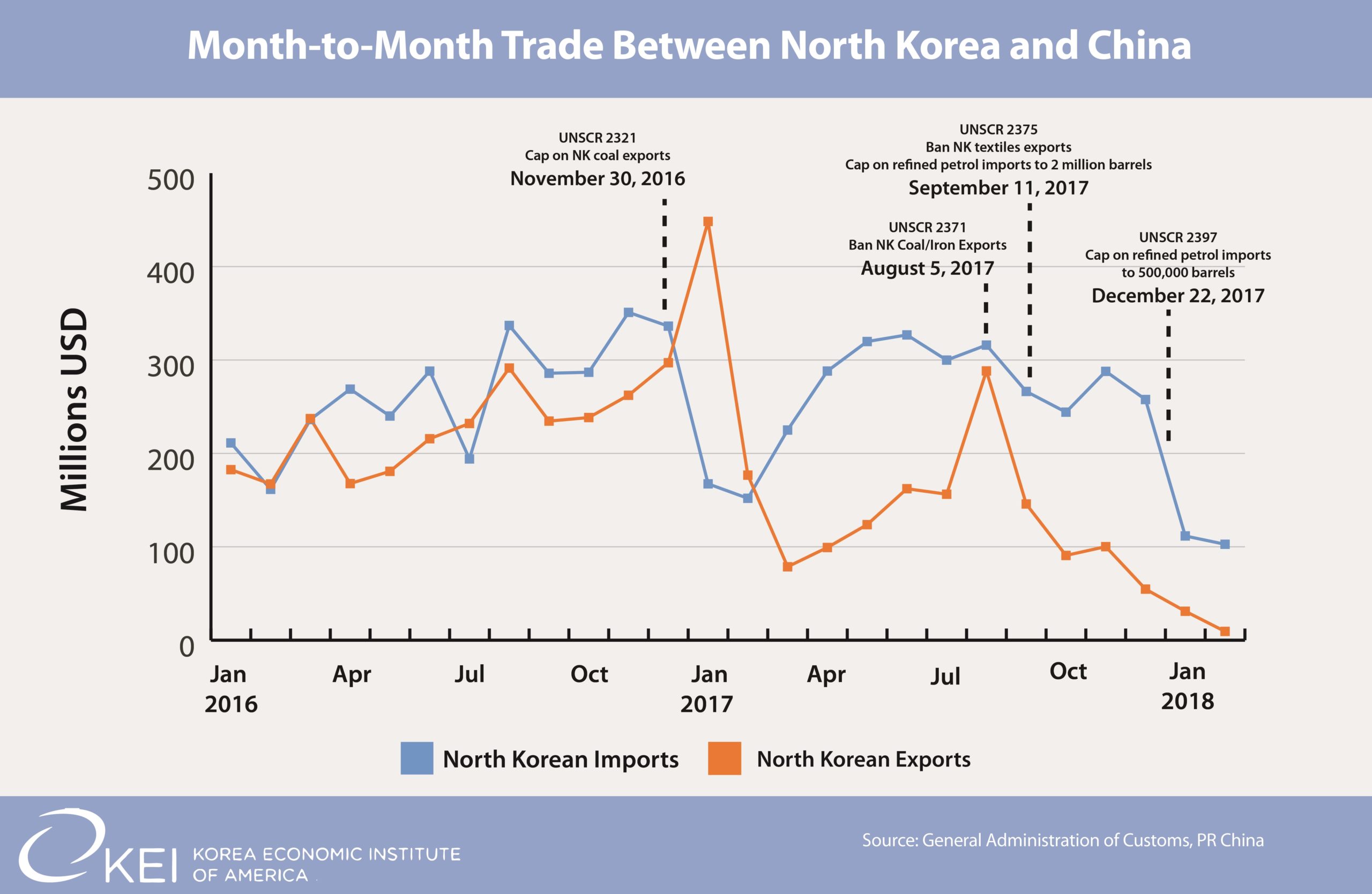
While many have expressed relief over reaching a tentative deal on the KORUS FTA, Korea still could get caught between China and the United States.
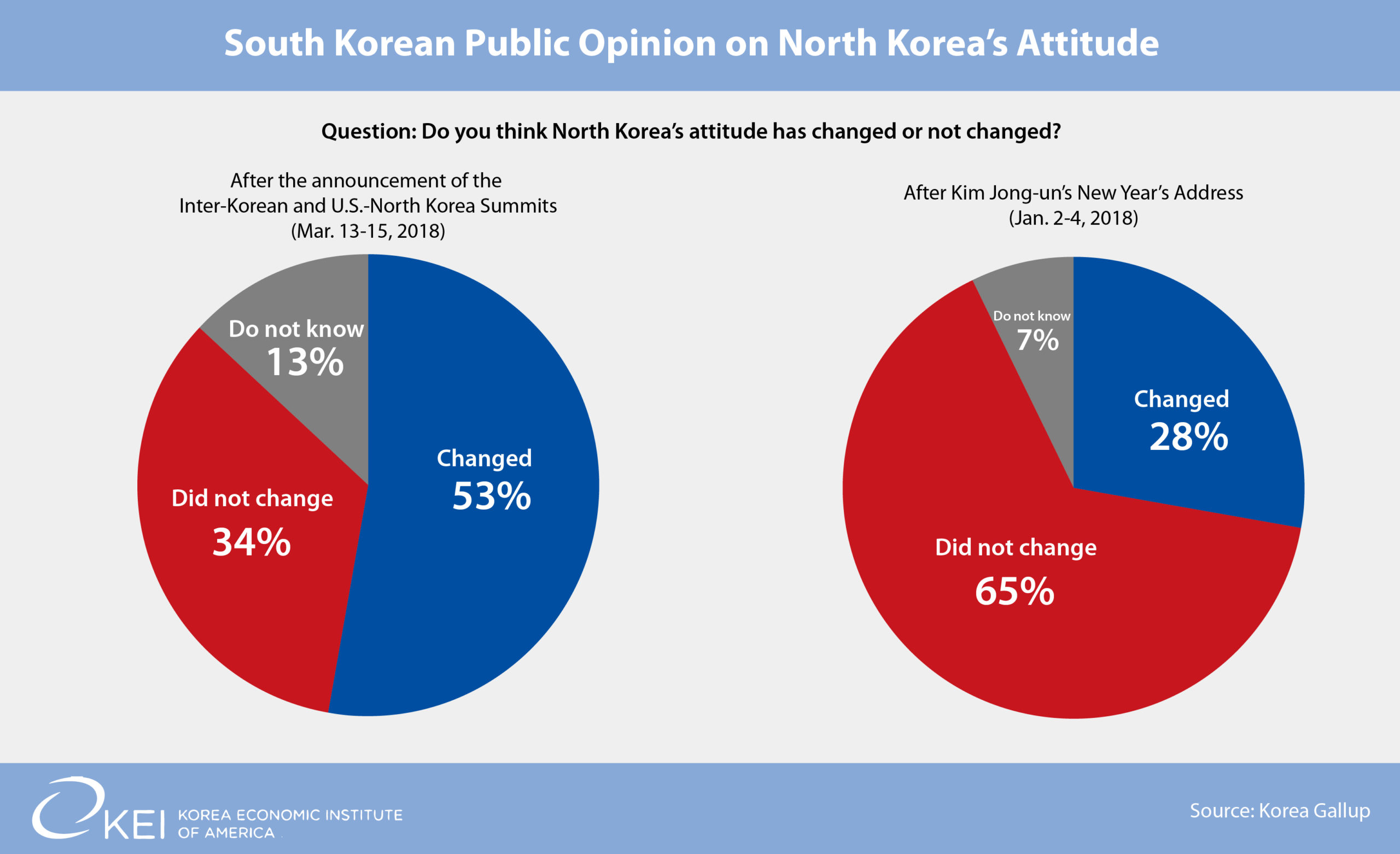
Having lived under the North Korean threat for decades, South Koreans are very familiar with the deadly provocations and broken promises of the past. The upcoming summits are undoubtedly meaningful, but like many throughout the global community, South Koreans are cautiously optimistic of what developments the talks will bring.
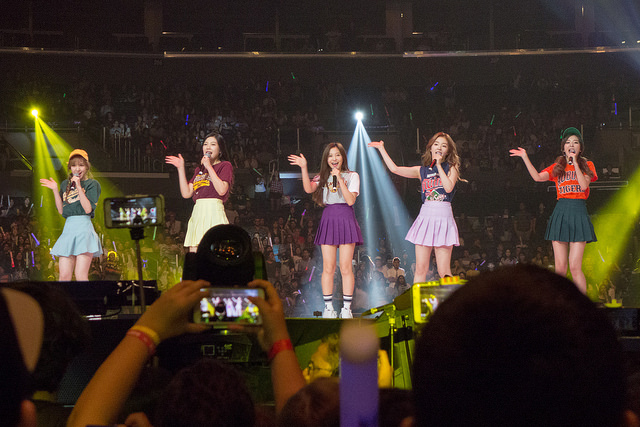
A group of South Korean musicians will head to Pyongyang at the end of March for two concerts. Meet the artists who will show their talents to North Korea.

It may have just be bravado, but President Trump’s suggestion that the withdrawal of U.S. troops on the Korean Peninsula may be on the table is problematic.
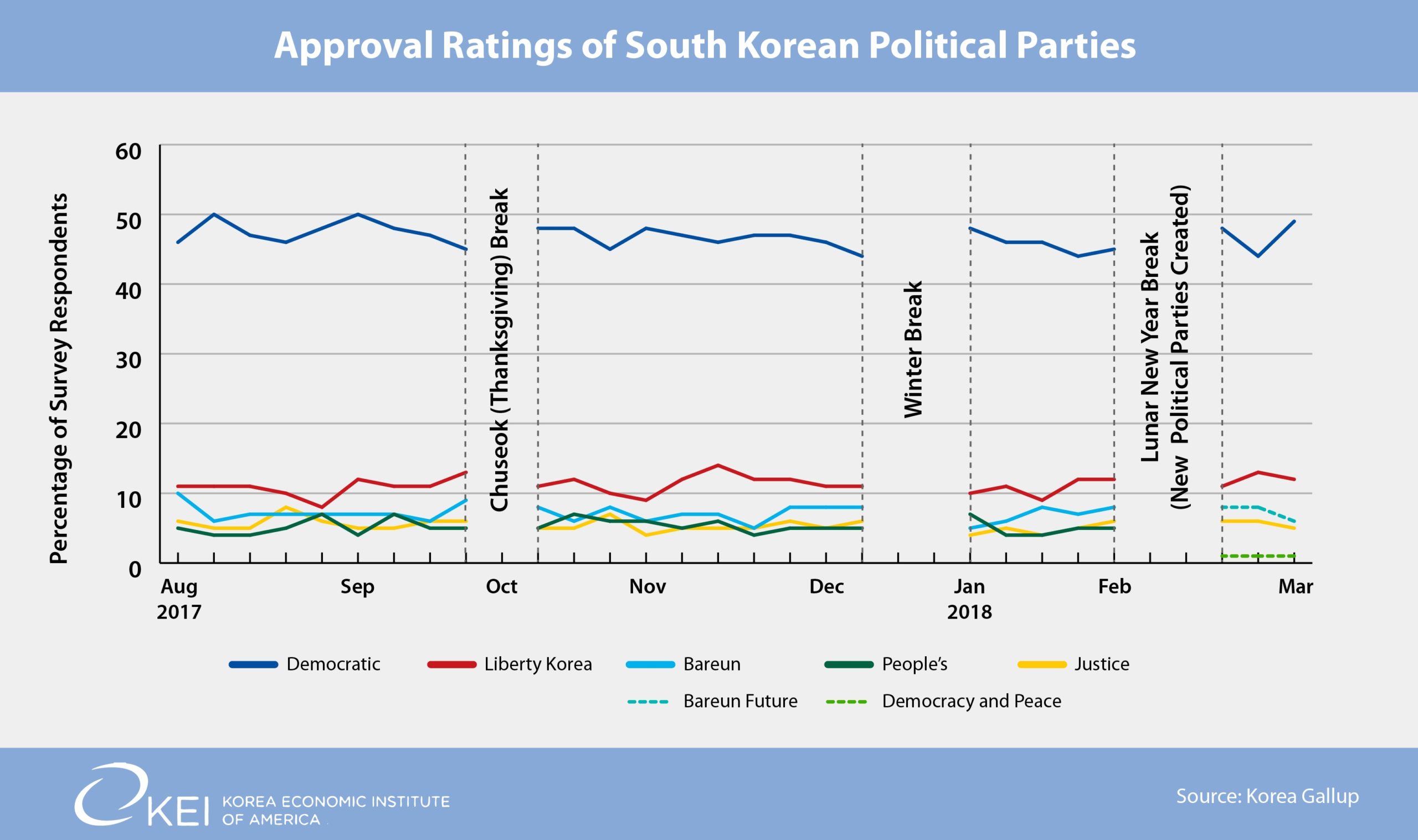
The Bareun Future leadership hopes that the new party will be a watershed in Korean politics, which is dominated by a two-party system and regionalism.

In fact, NAFTA, and trade deals like KORUS FTA – the United States-Korea Free Trade Agreement – are keeping our farms and rural communities not just afloat, but at the forefront and rapidly growing.
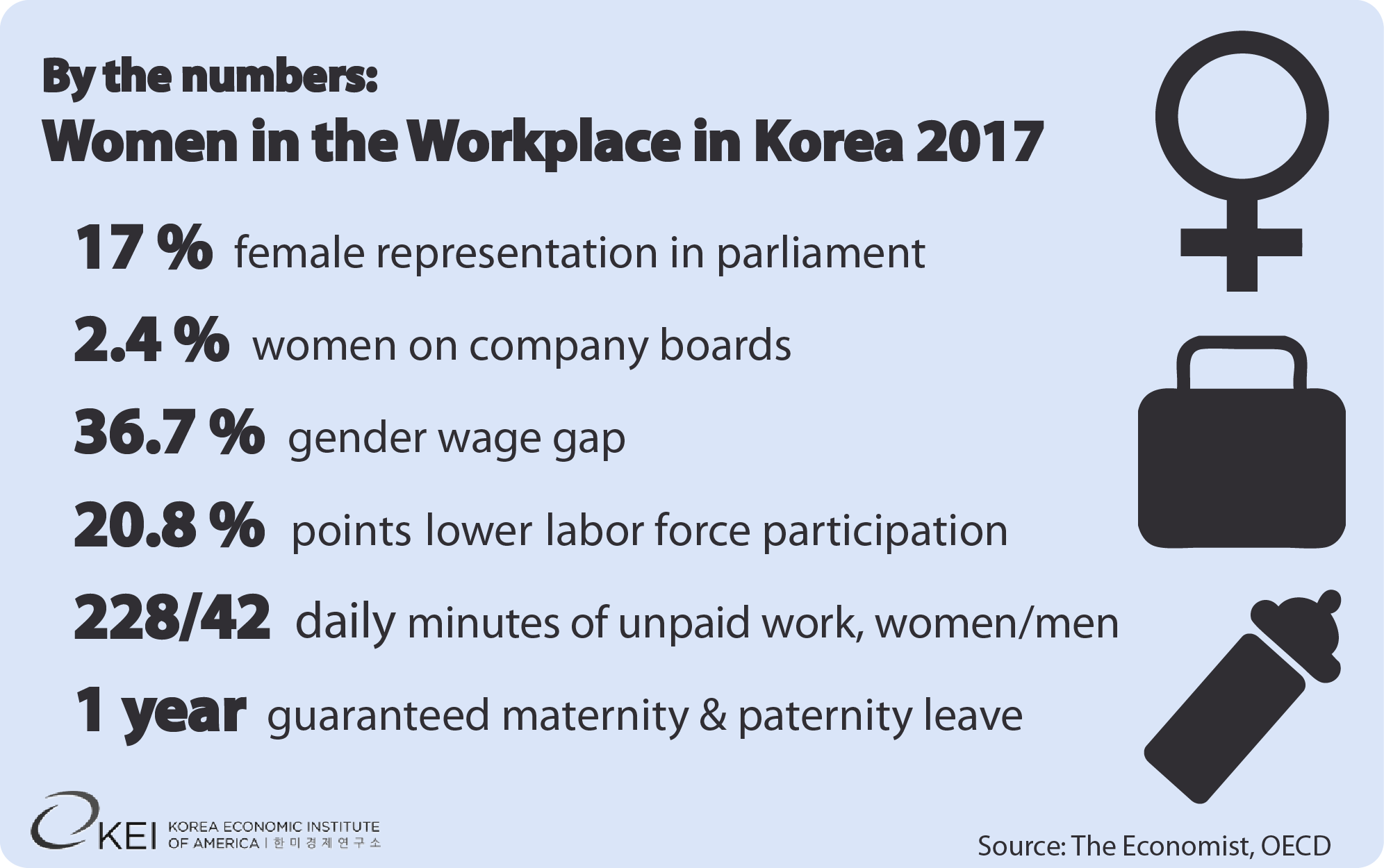
Korea ranks last in gender wage gap, women in managerial positions, and women on company boards, and next-to-last in the labor force participation rate.