Views of President Trump and the U.S. Improving in South Korea
Public opinion of the U.S. and President Trump has remained the same or declined among most countries but Korea has been one of the few exceptions.


Public opinion of the U.S. and President Trump has remained the same or declined among most countries but Korea has been one of the few exceptions.
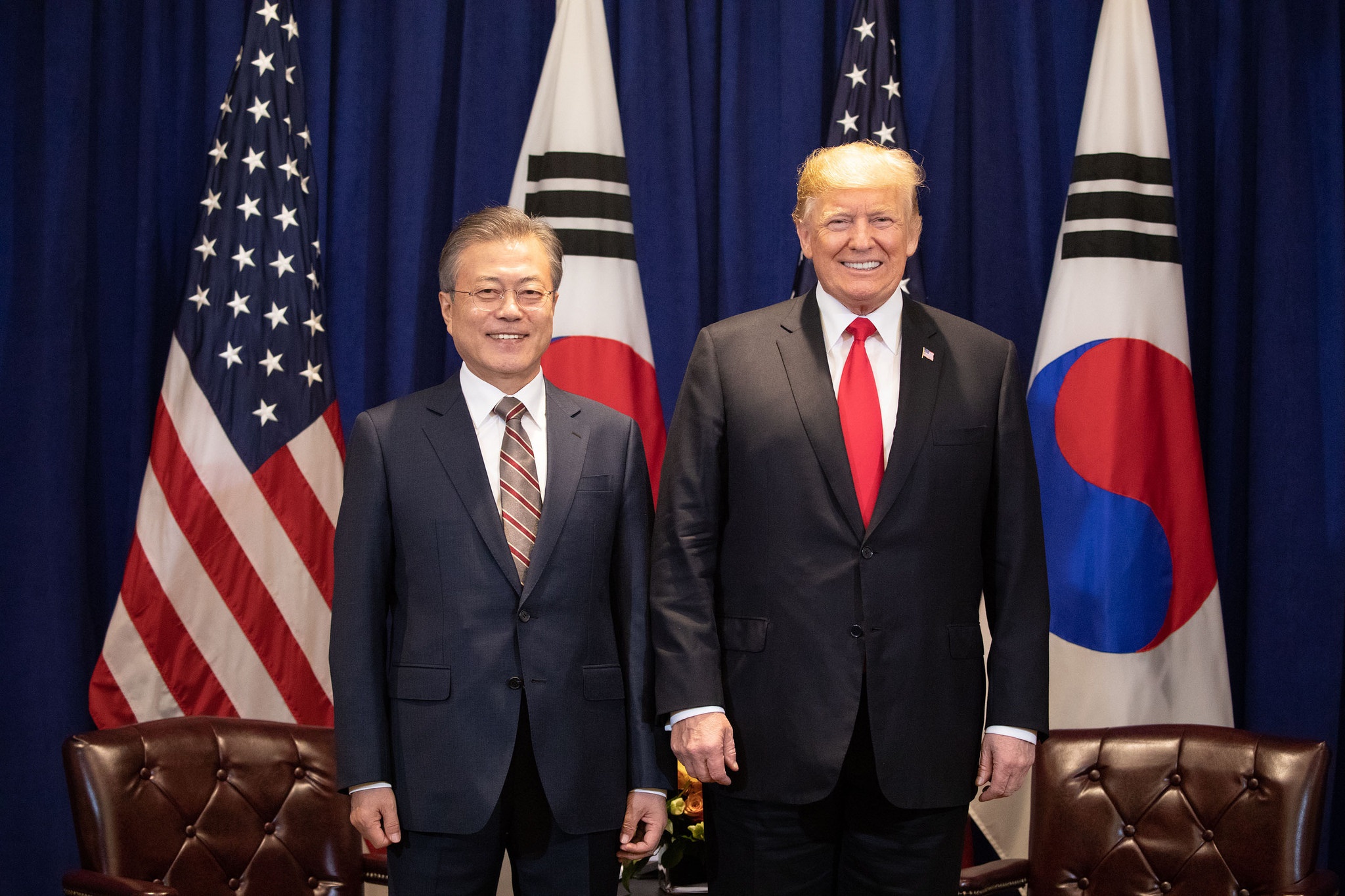
At the UNGA Presidents Trump and Moon were in harmony on North Korea, however, the non-North Korea parts of their UNGA speeches were startlingly different.
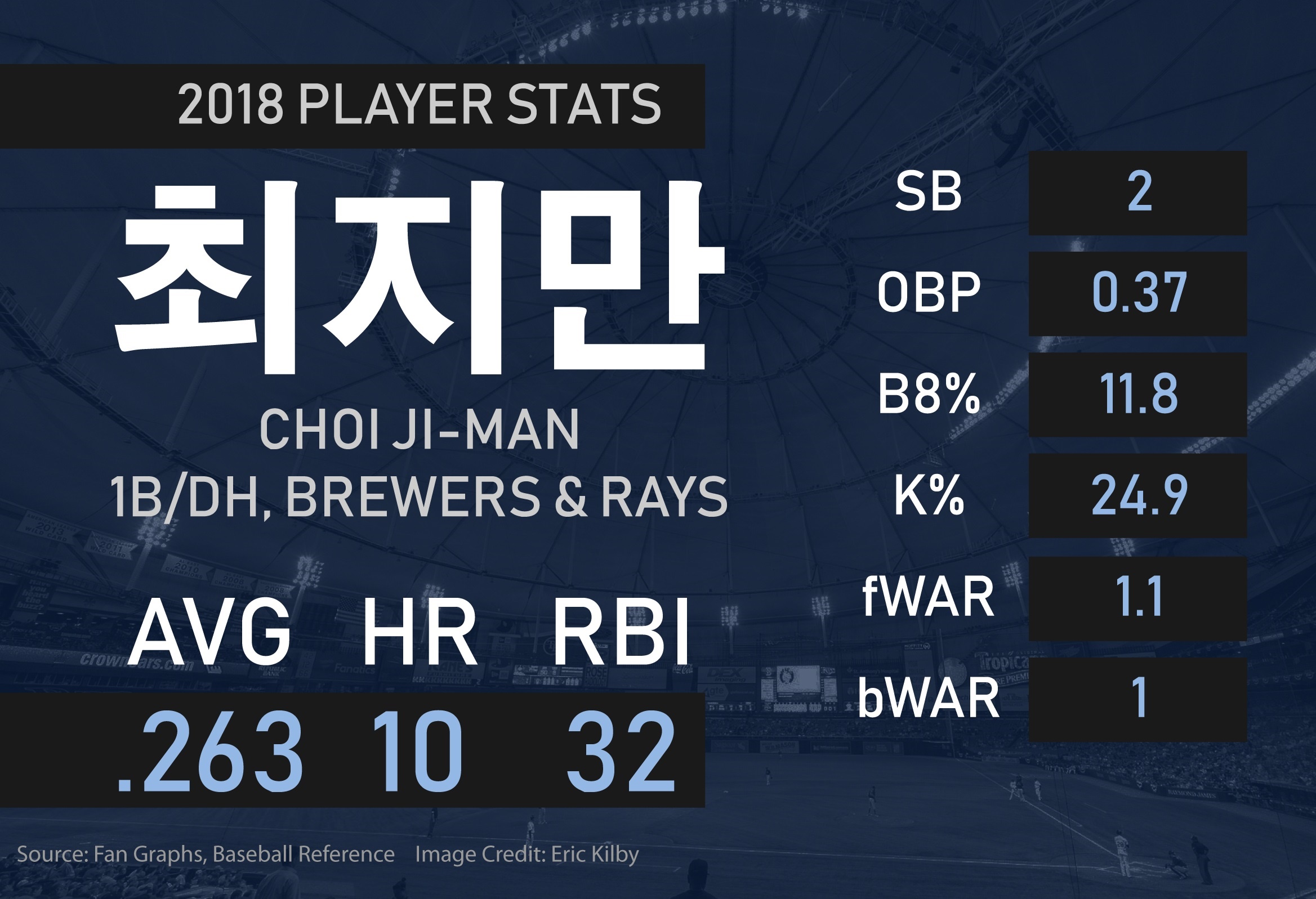
With the 2018 regular season concluded, the biggest story for Koreans in Major League Baseball is the potential arrival of Choi Ji-man.
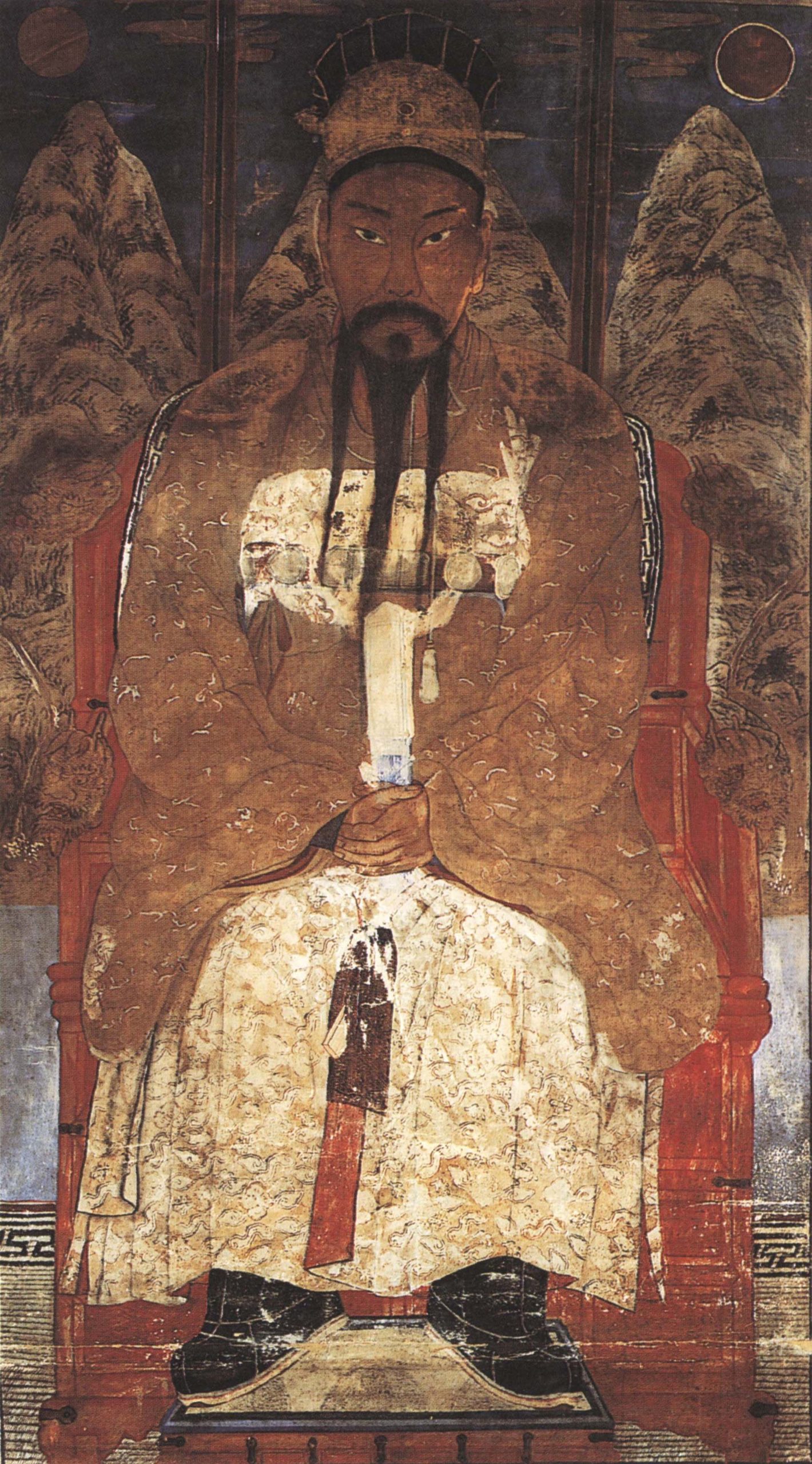
Kim Jong-un and Moon Jae-in’s trip up Mount Paektu was not just a simple trip; for the two leaders, it was a moment imbued with symbolic importance.

There are no public reports that an assurance was given to South Korea that the U.S. would exempt Korea from higher tariffs in imported autos.
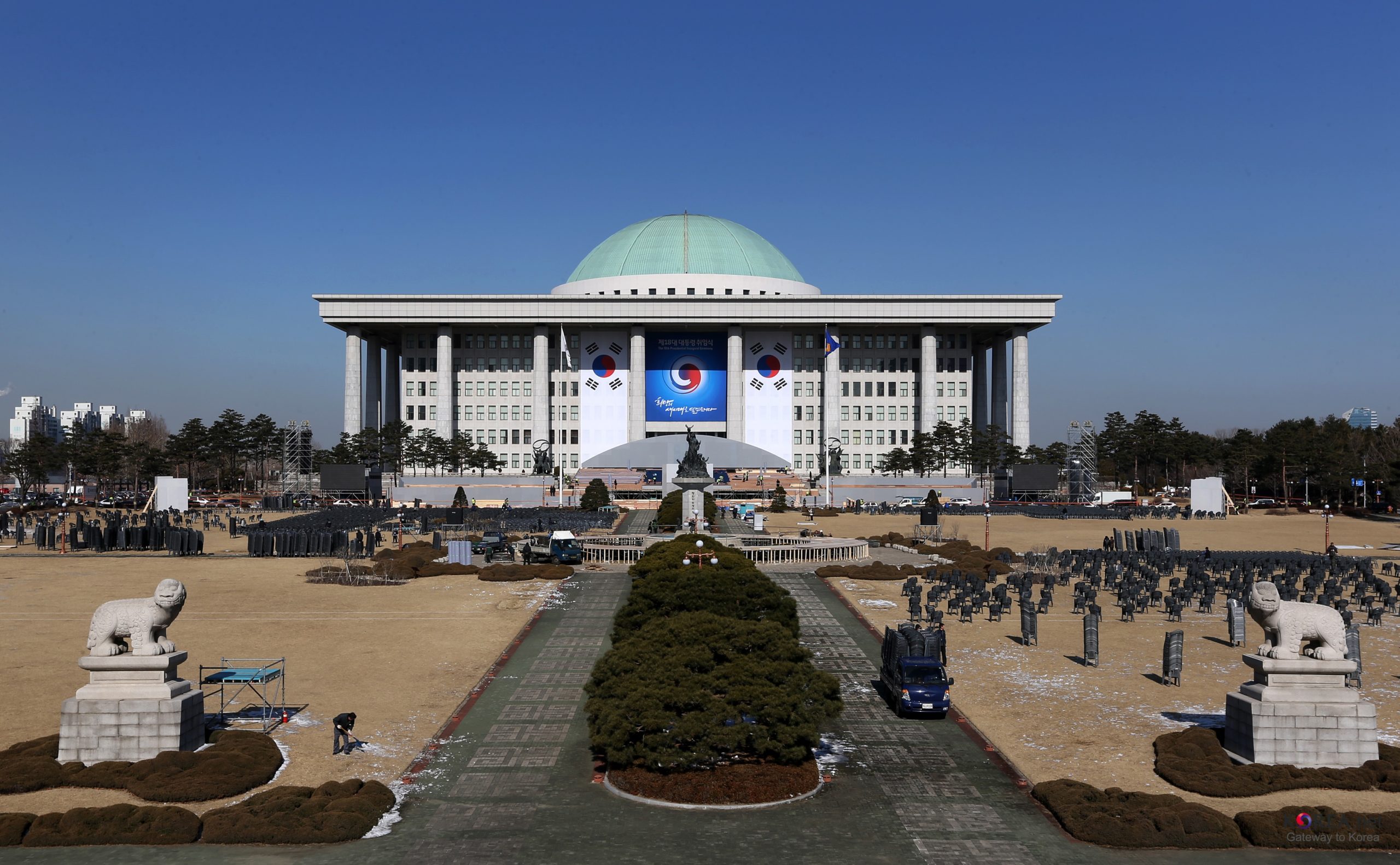
The National Human Rights Commission of Korea has called for the Korea to join the coalition of OECD states in outlawing state-sanctioned executions.

If the current drop in the fertility rate persists South Korea’s population is expected to begin declining by 2027, an alarmingly early date.
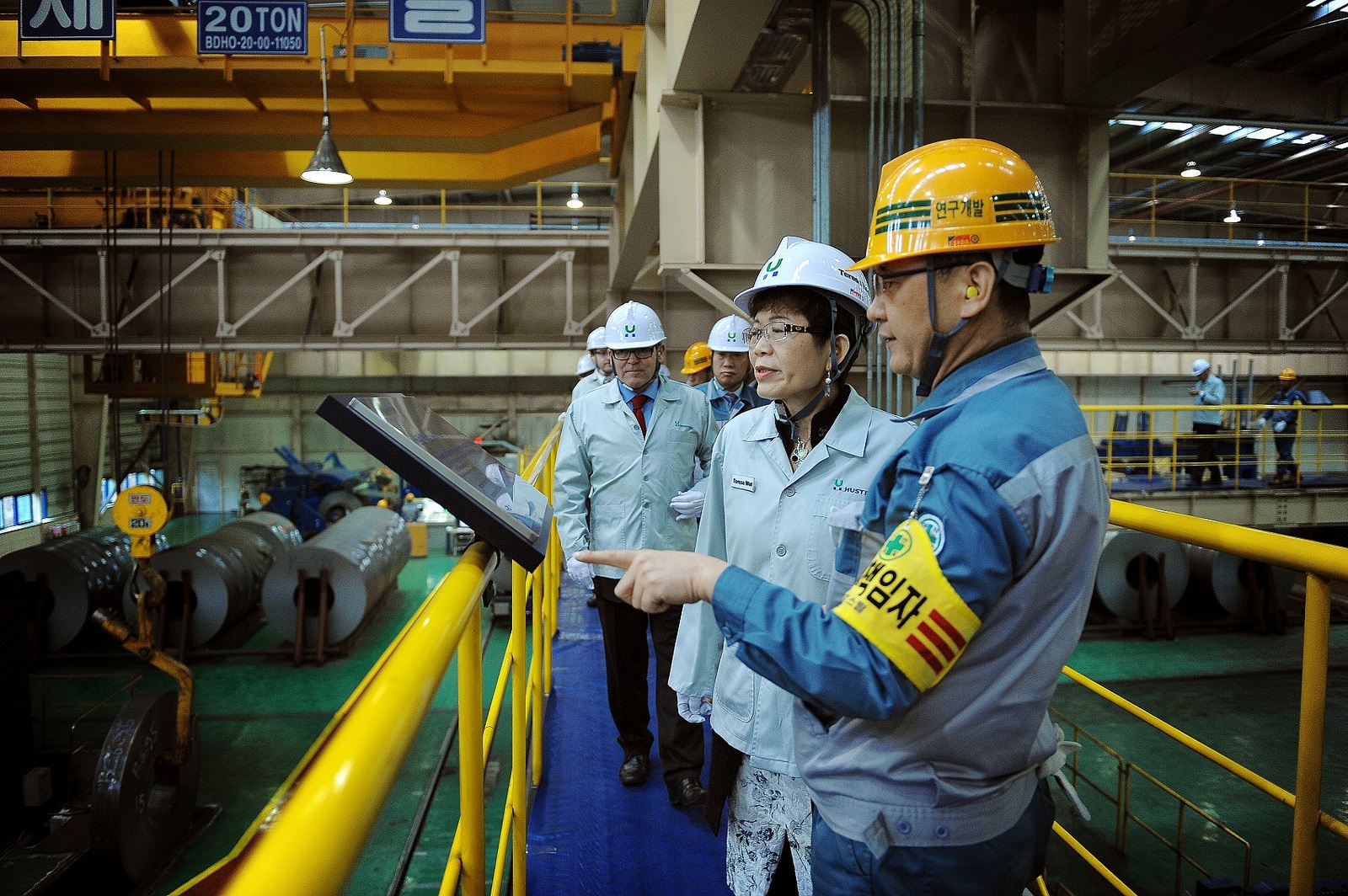
Higher U.S. tariffs on Chinese products leave Korea’s economy vulnerable to this trade fight because many Chinese products incorporate parts from Korea.
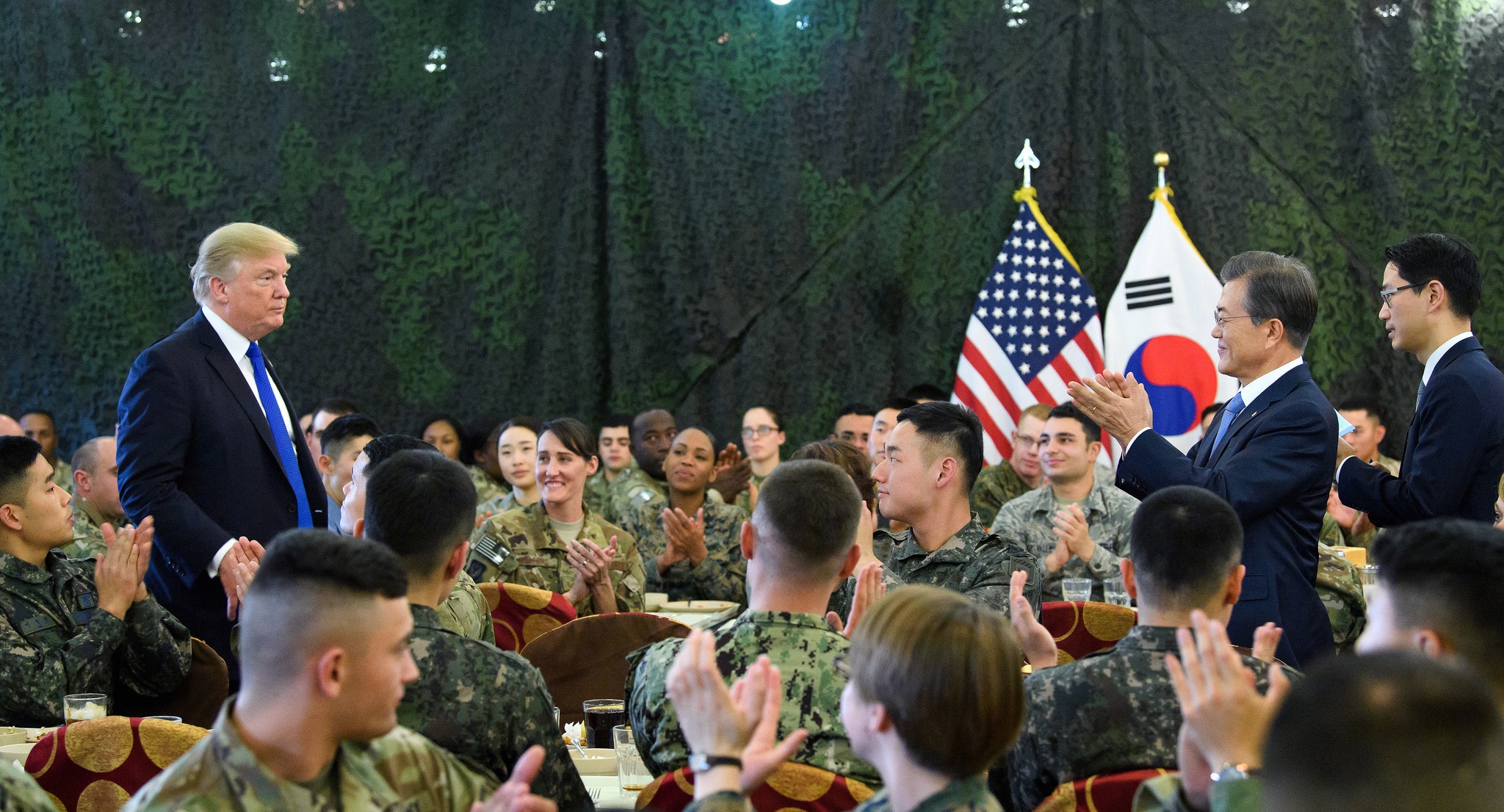
There has been growing concern a gap is emerging between Washington and Seoul over relations with Pyongyang. If this gives you déjà vu you’re not alone.

At the moment, politics constrains the matter of diplomatic negotiations with North Korea. The solution is science diplomacy.