Is Choo Shin-soo the Second-Best Player Ever from Asia in MLB?
Without question, the best position player from Asia to play in MLB is Ichiro Suzuki, but Choo Shin-soo may be the second best.

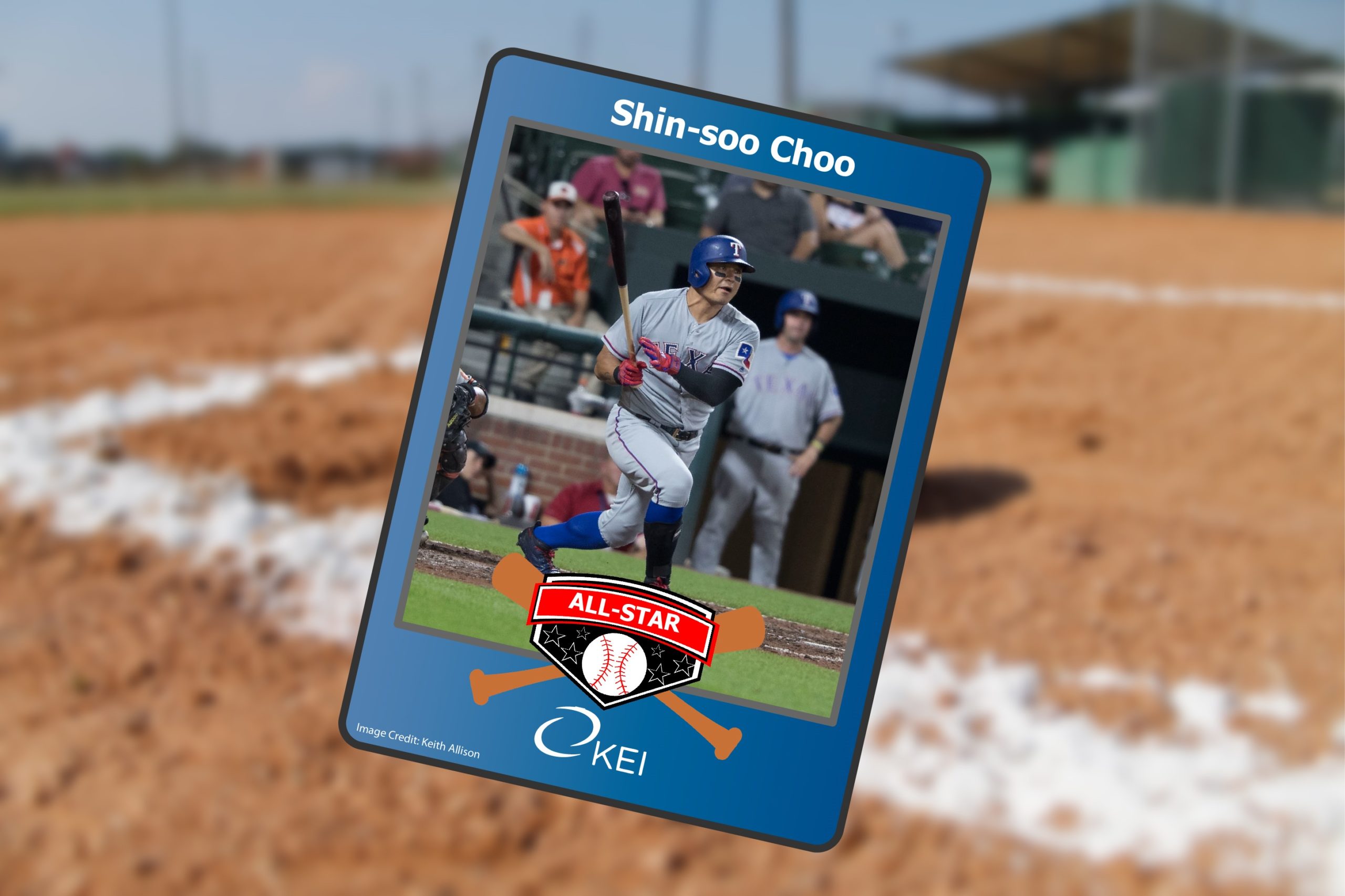
Without question, the best position player from Asia to play in MLB is Ichiro Suzuki, but Choo Shin-soo may be the second best.
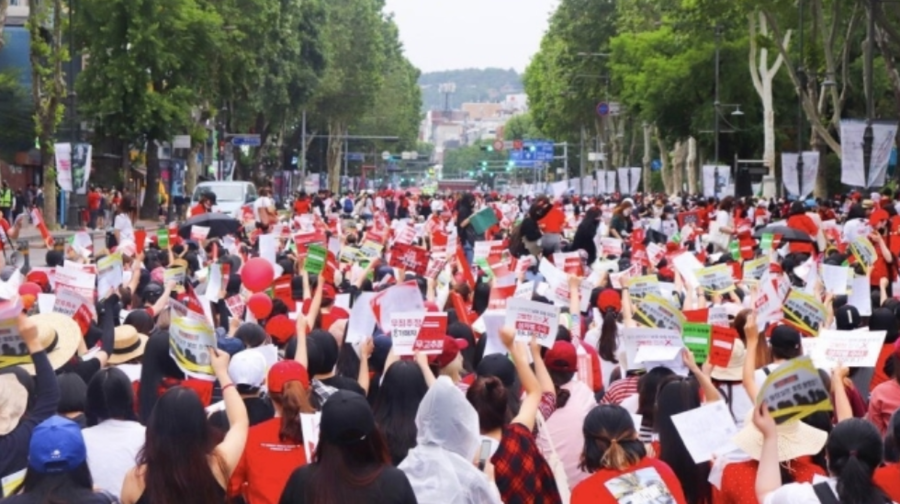
South Korea is fighting a rash of spy cam crimes – people who film women in places like toilets or the subway without their permission.
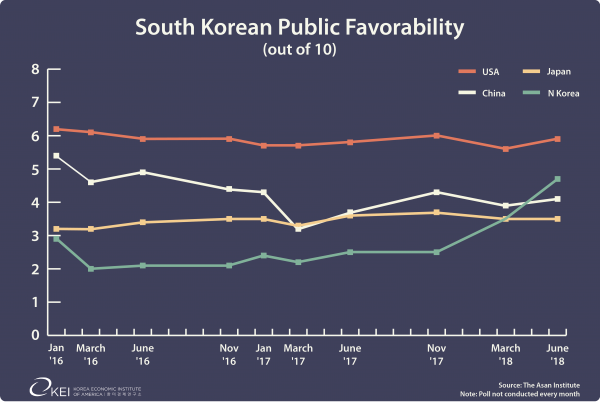
In a new poll from the Asan Institute, South Korean public opinion of North Korea has greatly increased since the beginning of 2018, hitting 4.71 out of 10 in their June poll.
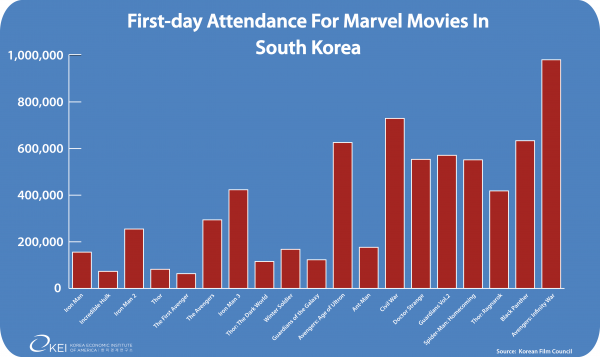
When Avengers: Infinity War was released in South Korea on April 25, 980,676 people watched it just on the first day, a record high among Marvel movies.
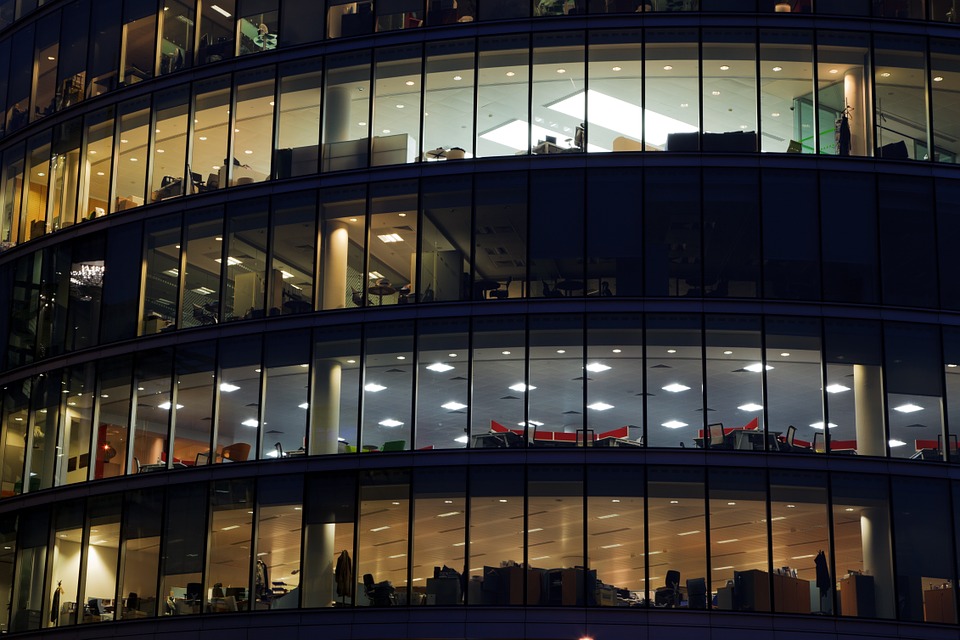
Known for its “inhumanely long” workweek, South Korea just shortened its maximum working hours from 68 to 52 hours per week.

The policy community responded with widespread relief that we finally have a new Ambassador to South Korea, retired Admiral Harry B. Harris.

While South Koreans celebrated their team’s upset victory over Germany in the World Cup earlier this week, no country was happier about the win than Mexico.

Moon Jae-in arrived in Moscow earlier today for a three-day state visit to Russia, the first such visit by a South Korean president since 1999.

Many South Korean candidates in the June 13th election tapped into pop culture and highlighted issues of common concern to broaden their appeal.
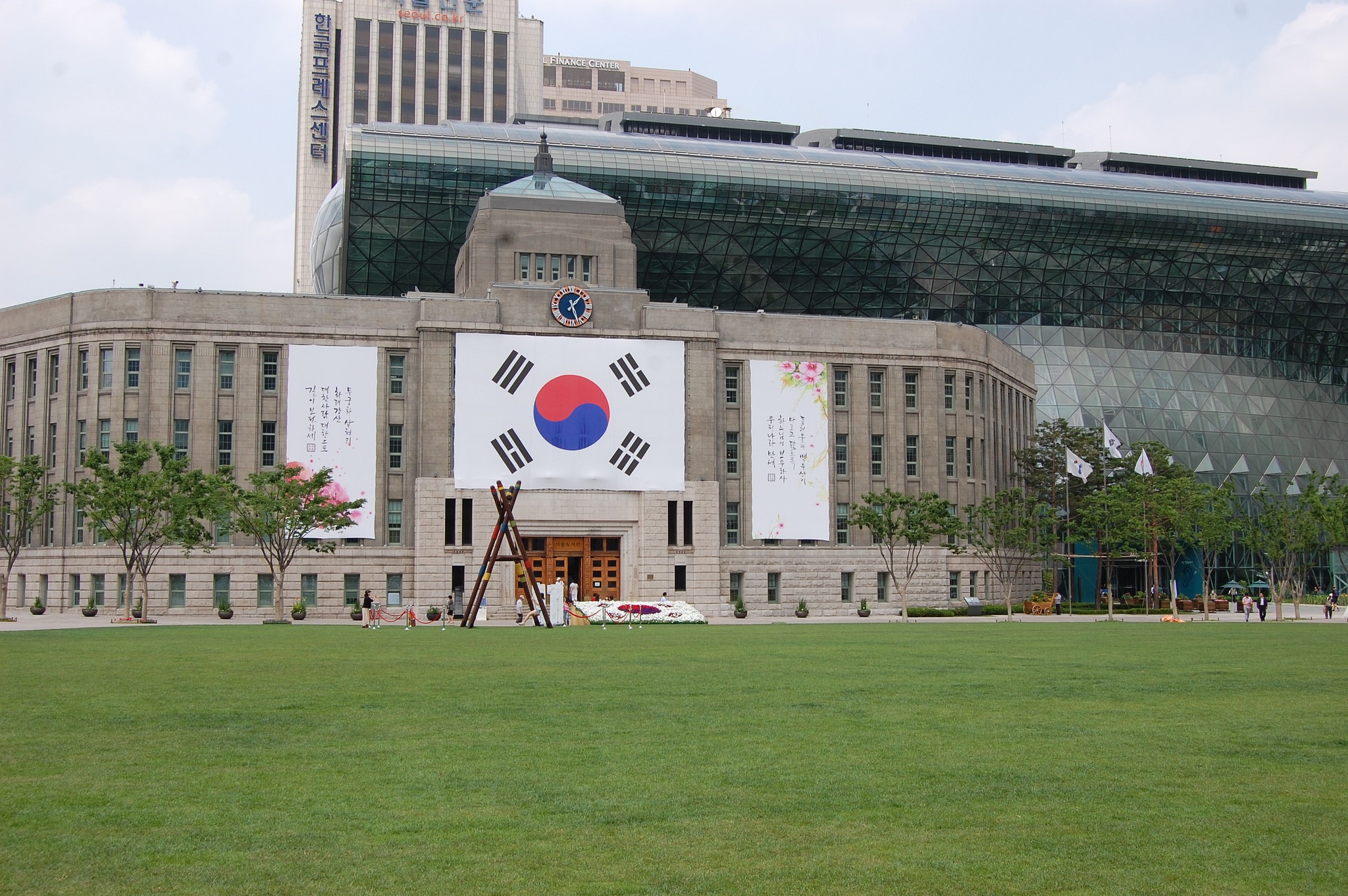
On June 13, local elections in Korea will be held for about 4,000 local administrative, legislative, and educational leaders in 17 major cities and provinces.