New Prospects for U.S.-Korea-Japan Cooperation
Deeper economic and technological cooperation between Korea, Japan, and the United States offer paths to emerging challenges.


Deeper economic and technological cooperation between Korea, Japan, and the United States offer paths to emerging challenges.

The government’s focus on attracting media cooperation reveals the administration’s belief that previous real estate policies had been scuttled by bad publicity.
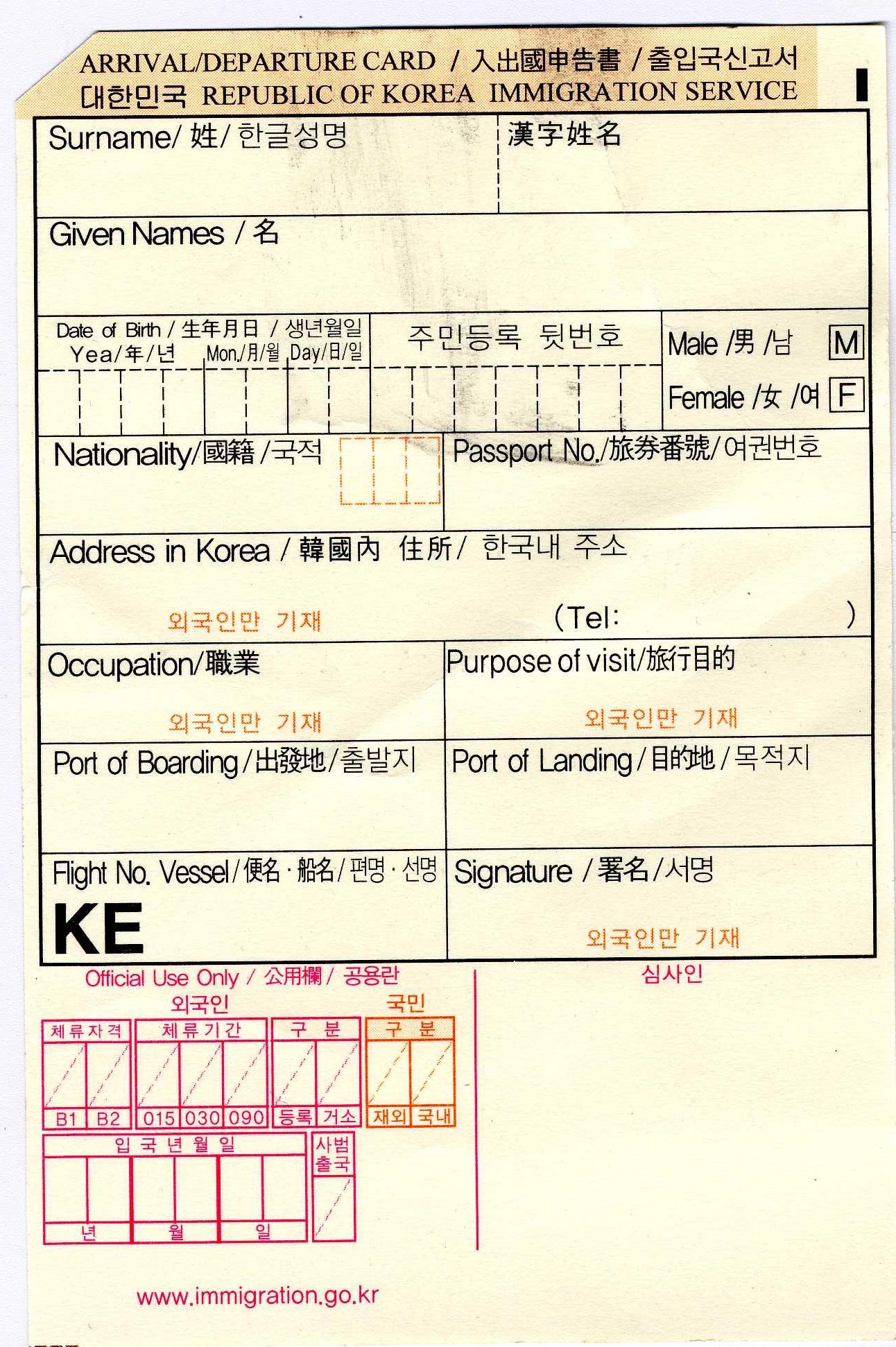
While recognizing the economic benefits of foreign workers, South Korea is still hesitant to take steps that would integrate immigrants into society.
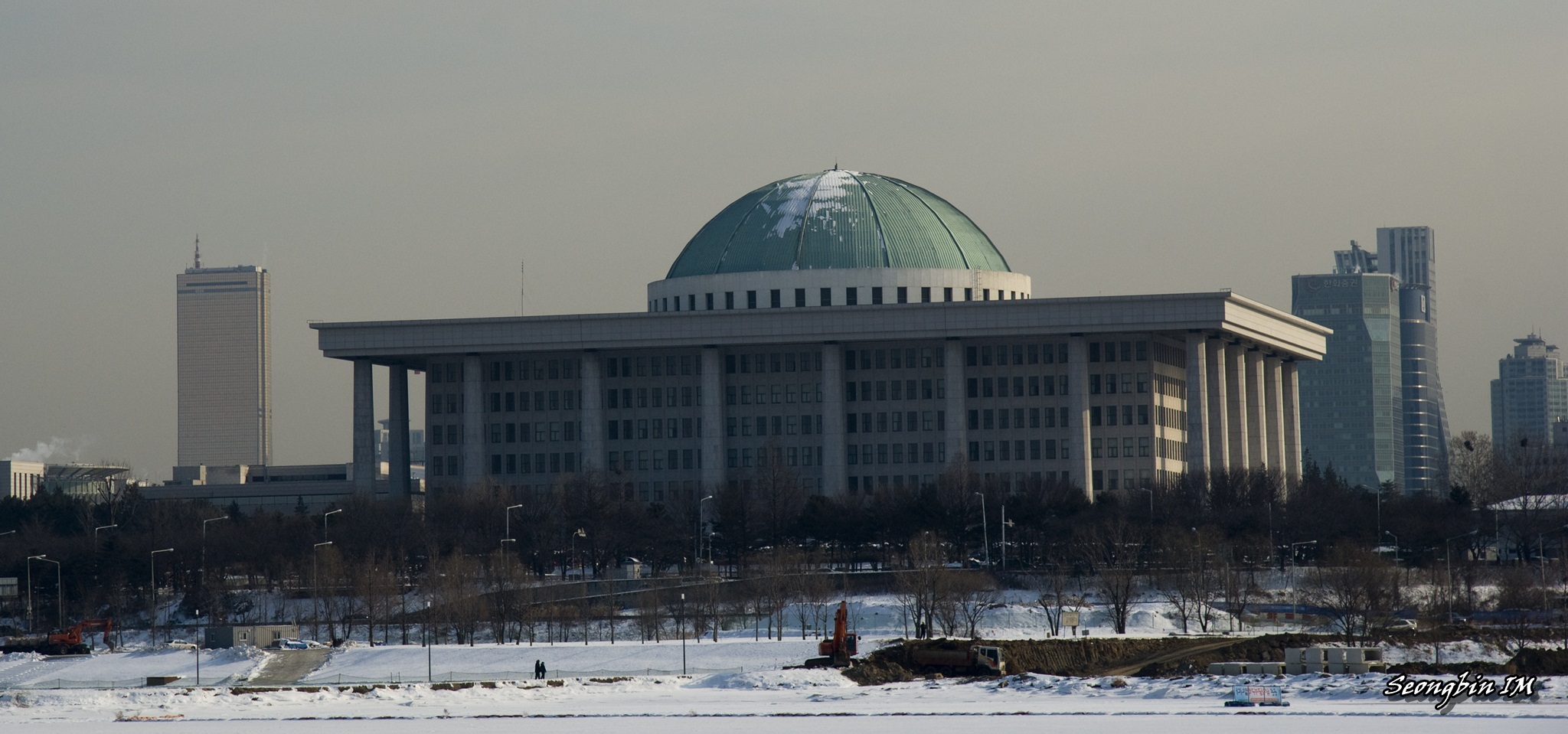
The lawmakers’ failure to pass a number of highly sensitive laws in 2019 has revived discussions around reforming legislative rules.
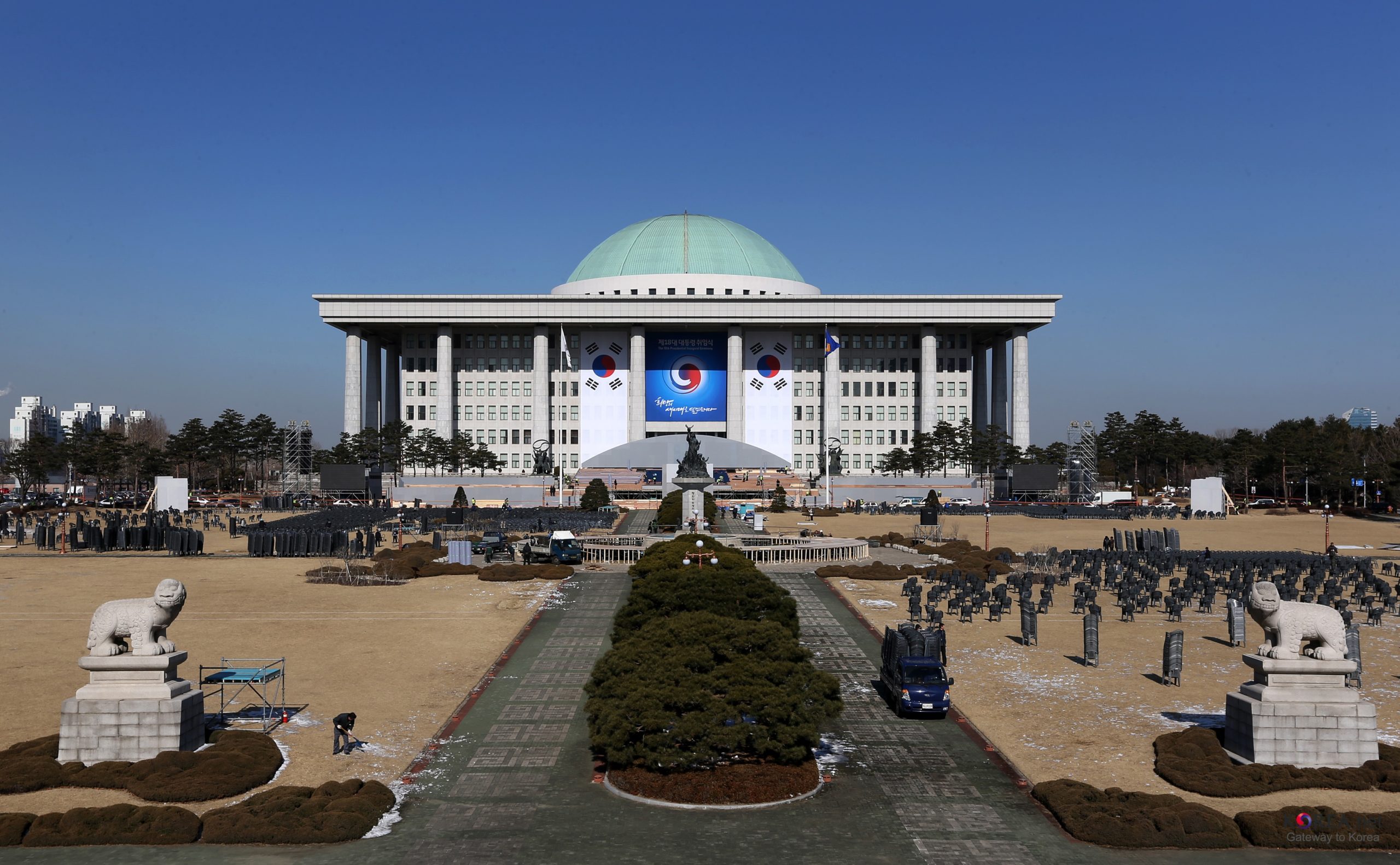
Across the ideological spectrum, political parties are focused on securing the youth vote ahead of the crucial legislative elections in April.

The United States can show true leadership in Northeast Asia by making climate change its primary security concern and compete with China in a positive way.

South Korea is experiencing sharp increases in the number of cybercrime, particularly on the dark web.
The most recent stalemate in the National Assembly exposes the ongoing division between the two major parties and its ramifications on the country.
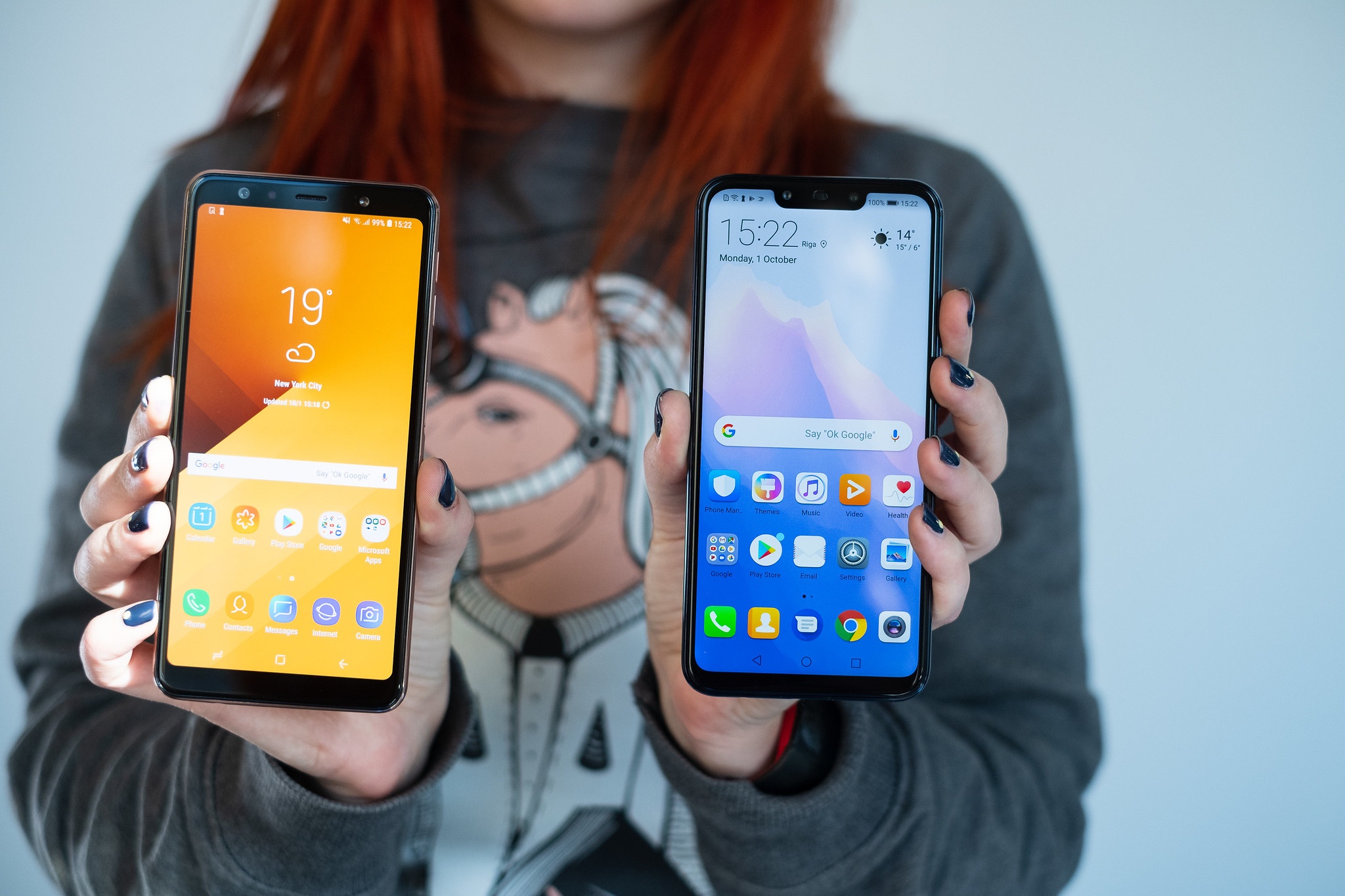
As the U.S. government monitors China’s advances in 5G, Huawei’s presence as a 5G vendor in South Korea has created a dilemma.

After a long deliberation process, the Korean government denied exemptions to K-pop stars which may be just the first of many difficult decisions for an aging Korean population.