Korea’s Potential Growth Rate has Fallen to Around 2%
South Korea’s potential growth rate has slowed as its economic performance has approached that of high-income countries and its population ages.

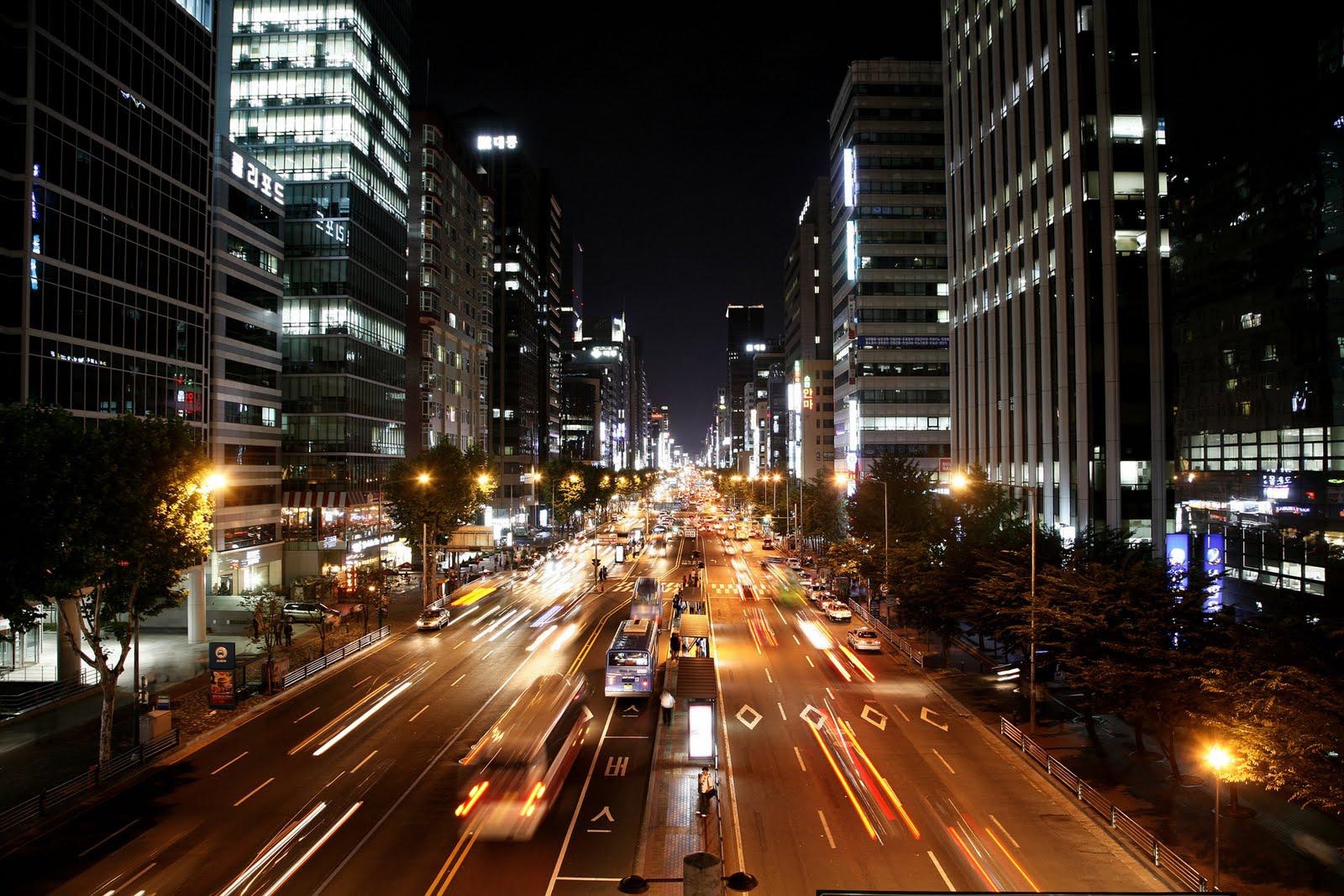
South Korea’s potential growth rate has slowed as its economic performance has approached that of high-income countries and its population ages.

YouTube provides a vehicle for South Korea’s hyper-nationalist movement and demonstrates society’s vulnerability to misinformation.
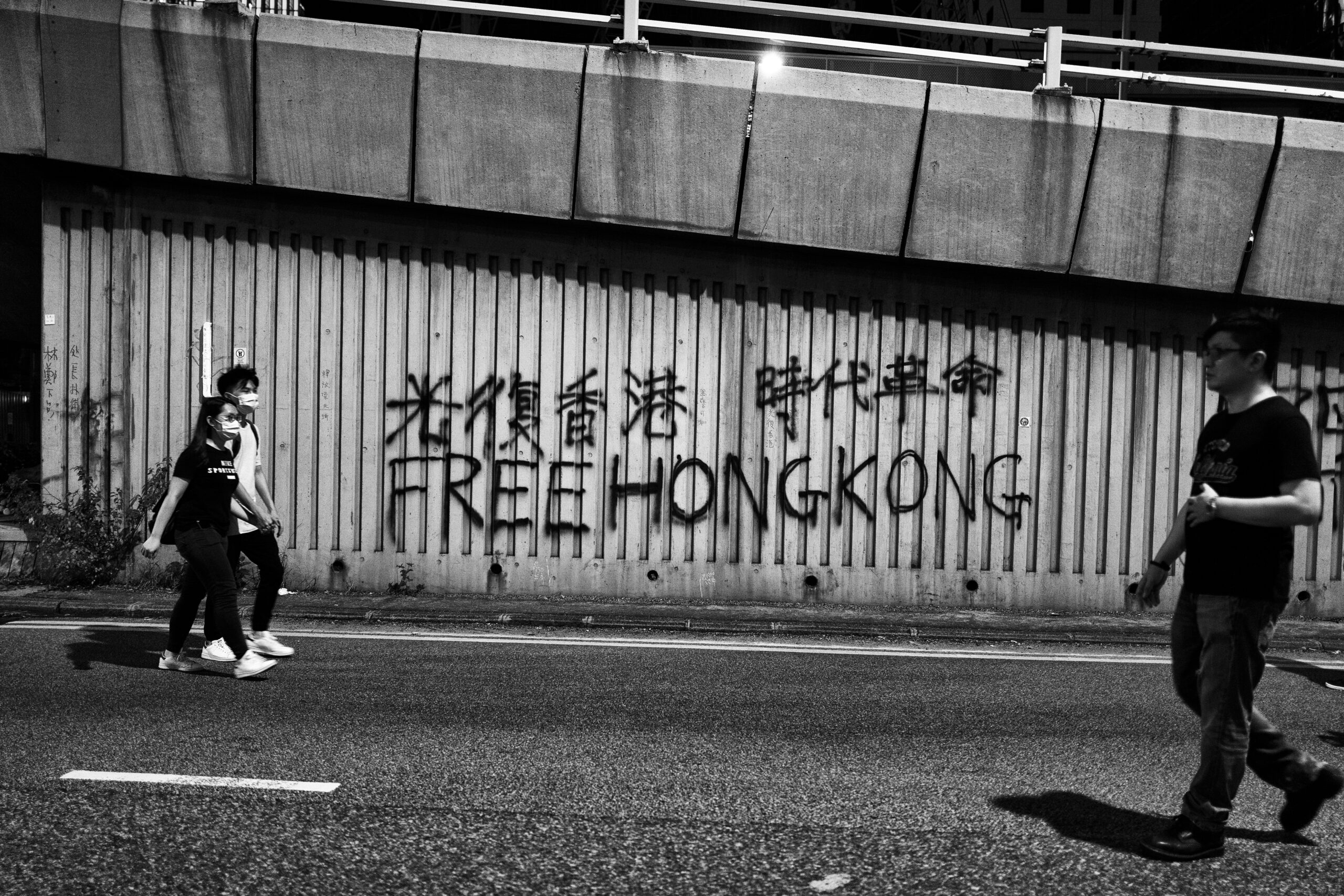
The South Korean public appears more antagonistic towards China despite the nation’s extensive bilateral commercial ties.
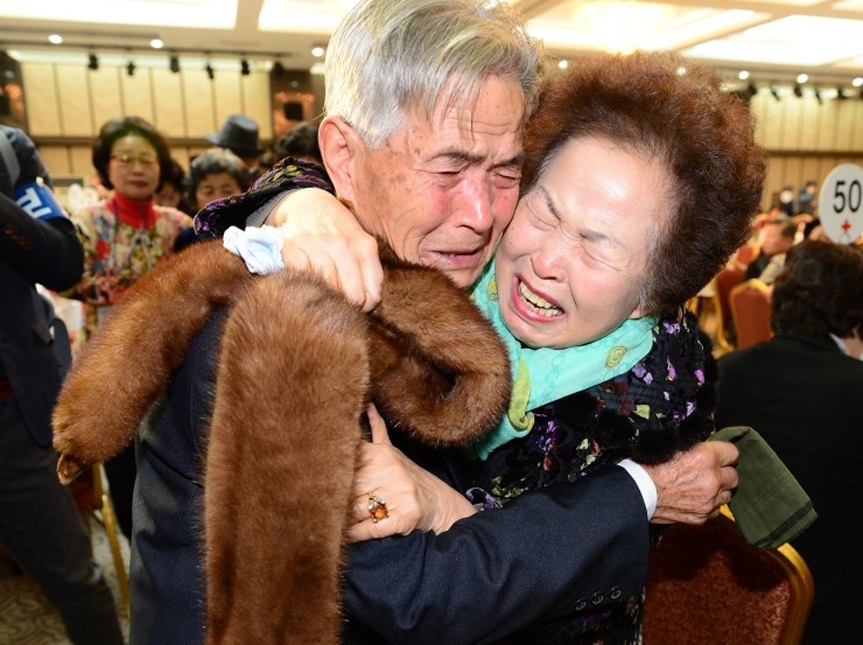
On March 9, South Korean voters will select their next president for a five-year term. The South Korean constitution limits presidents to a single term,…

Golden Globe nominations for two actors in the Korean Netflix show Squid Game are monumental, but they also reveal gender and racial bias of U.S. entertainment industry.

Indonesia’s ban on coal exports reiterates Seoul’s vulnerability to external supply chain shocks – and limits to its goal of reducing carbon emissions.
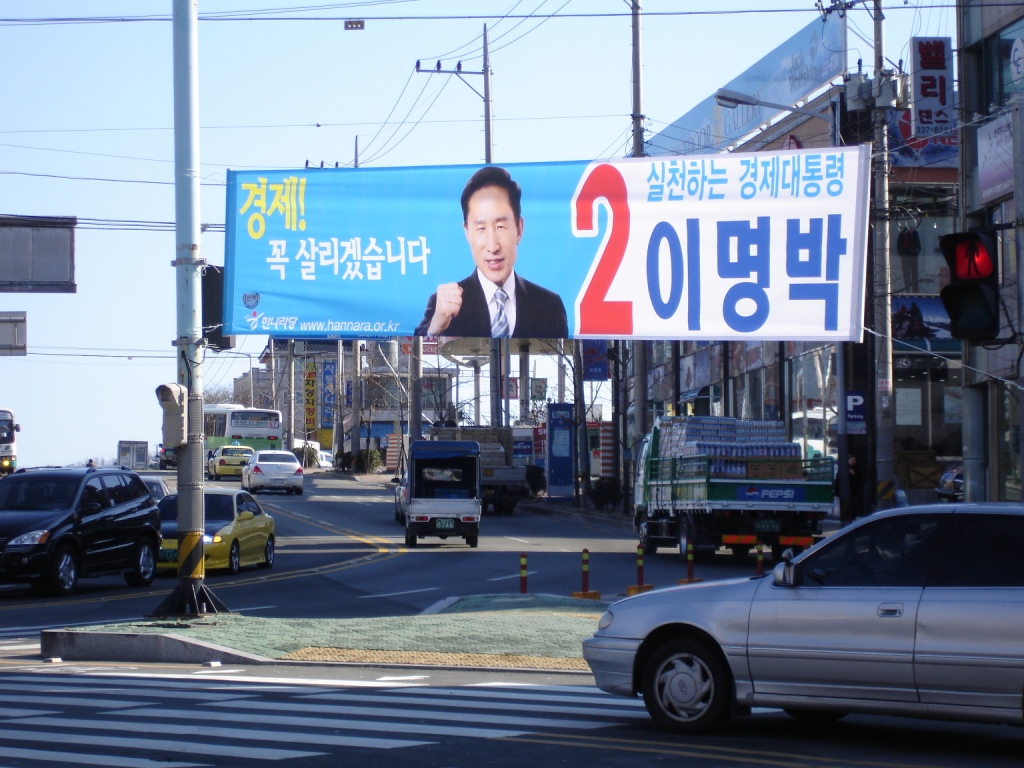
Presidential Candidate Lee Jae-myung’s economic promises appeal to moderate voters and boost his electability.
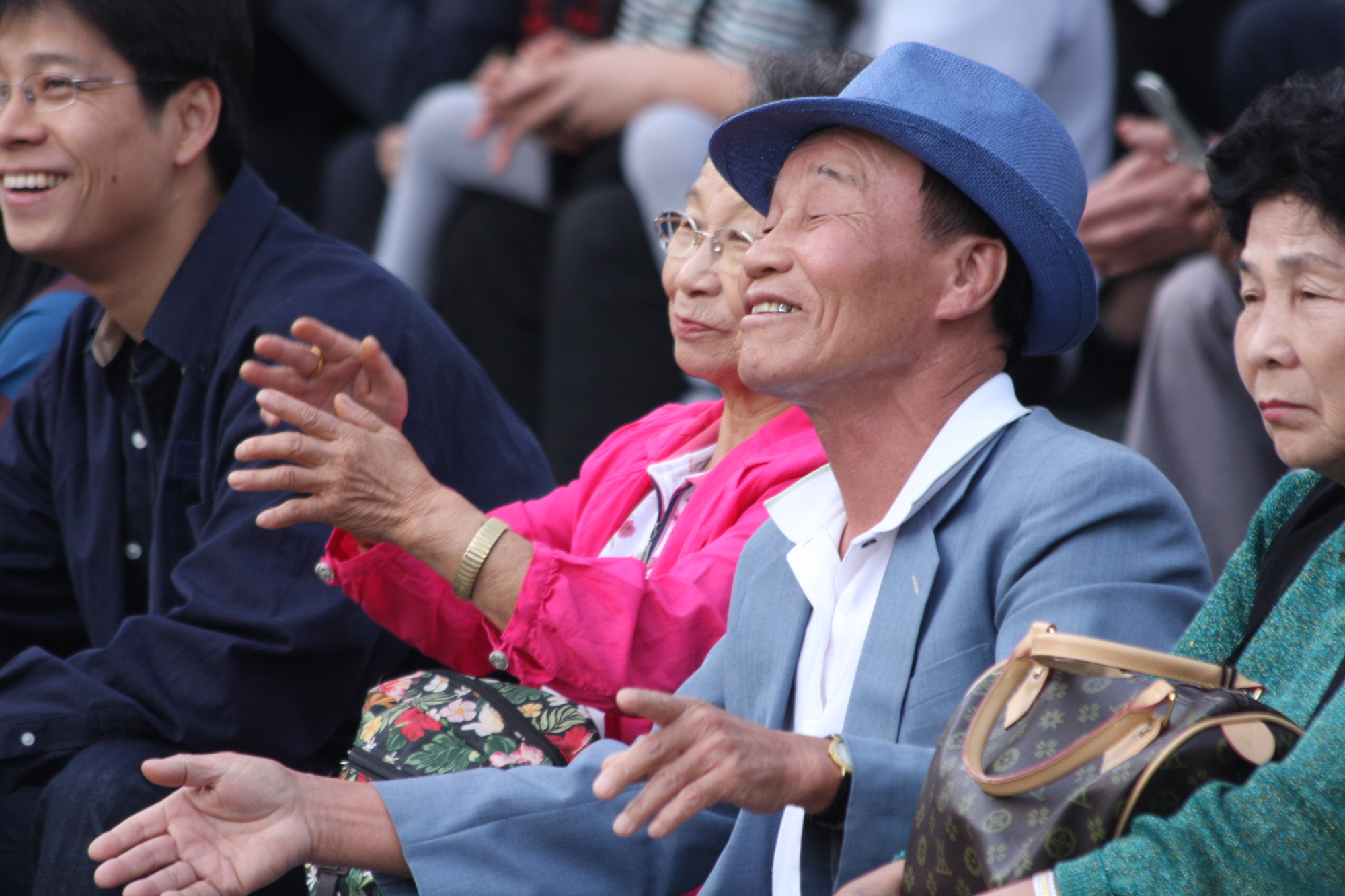
A “new” generation of South Koreans may prove critical to driving the country’s digital transformation.

Korean political campaigns incorporate technologies that public policy outlines as critical to the future of the country’s economic performance.

South Korea’s local governments are utilizing new innovations to address needs that the central government has not yet met.