Demographic Changes Lead to Legal Changes
As single-person households become increasingly common and birthrates continue to fall, lawmakers are forced to adapt to reverse demographic trends.

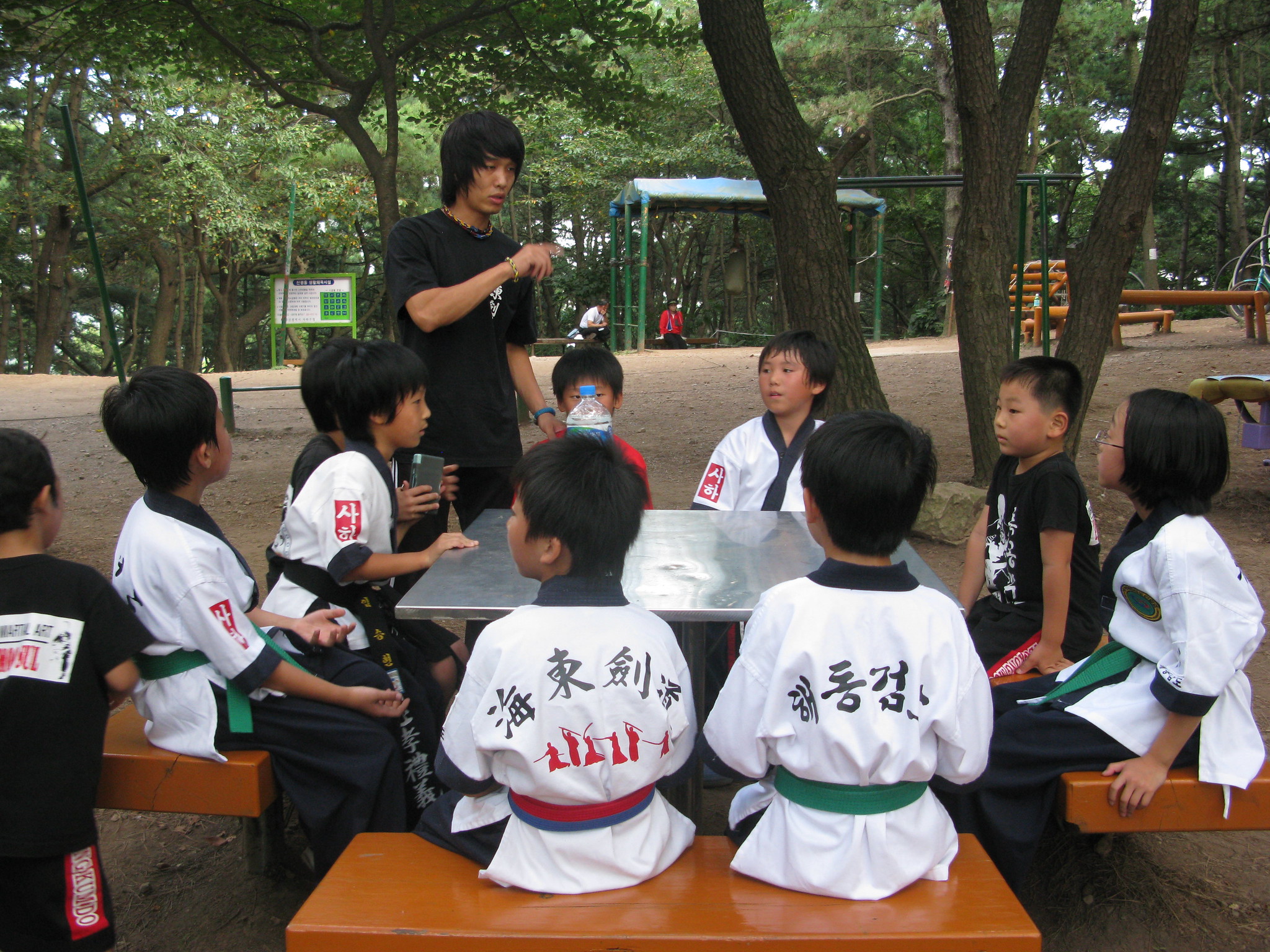
As single-person households become increasingly common and birthrates continue to fall, lawmakers are forced to adapt to reverse demographic trends.

A newly constructed smart village seeks to advance green growth alongside digital infrastructure but its placement in a pristine habitat may go against its aims.
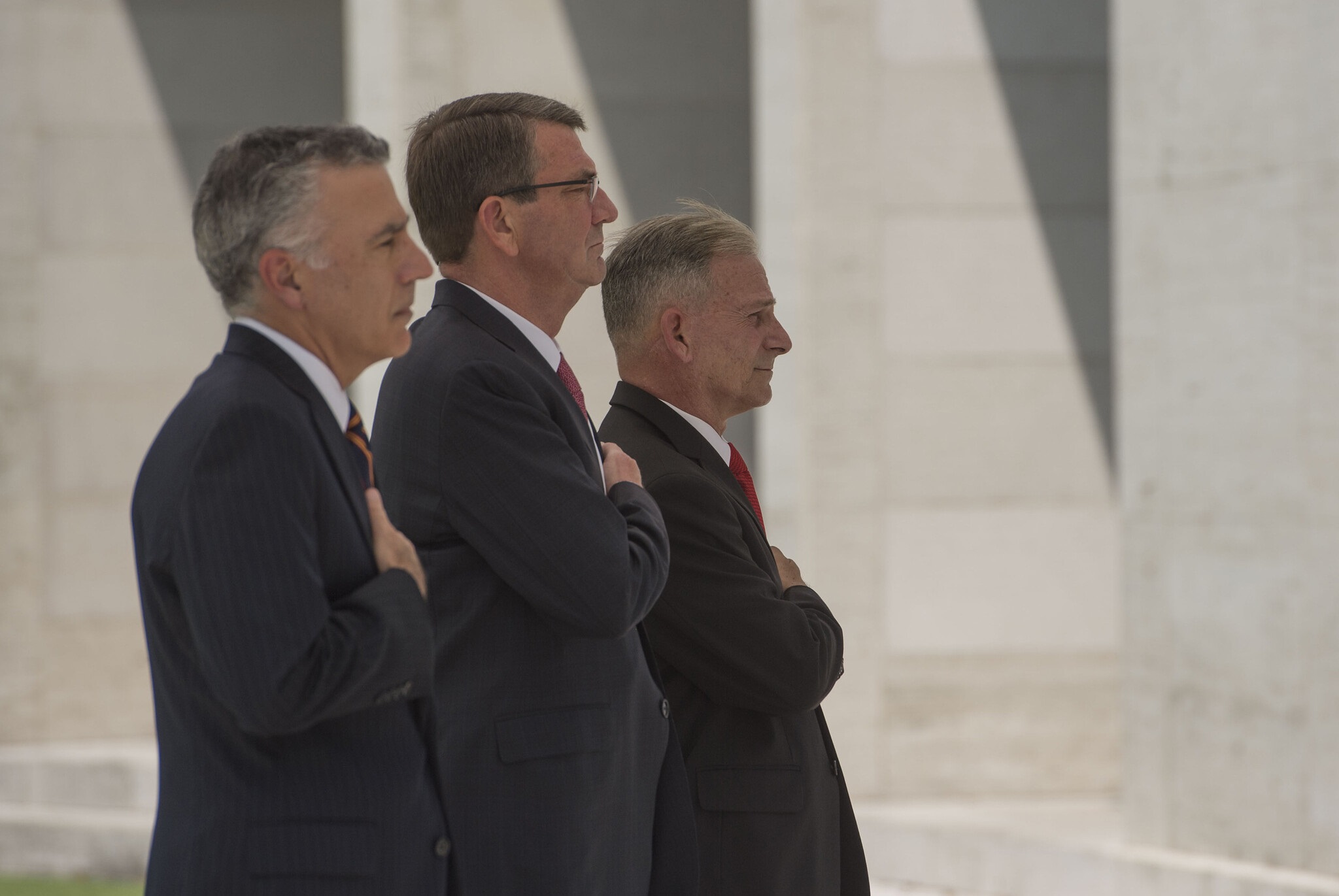
With President-elect Yoon Suk-yeol set to be sworn-in on May 10, the timing is right for the new United States Ambassador to assume his post in South Korea.

President-elect Yoon Suk Yeol received endorsements from five former senior military officers. Did their endorsements influence voters?
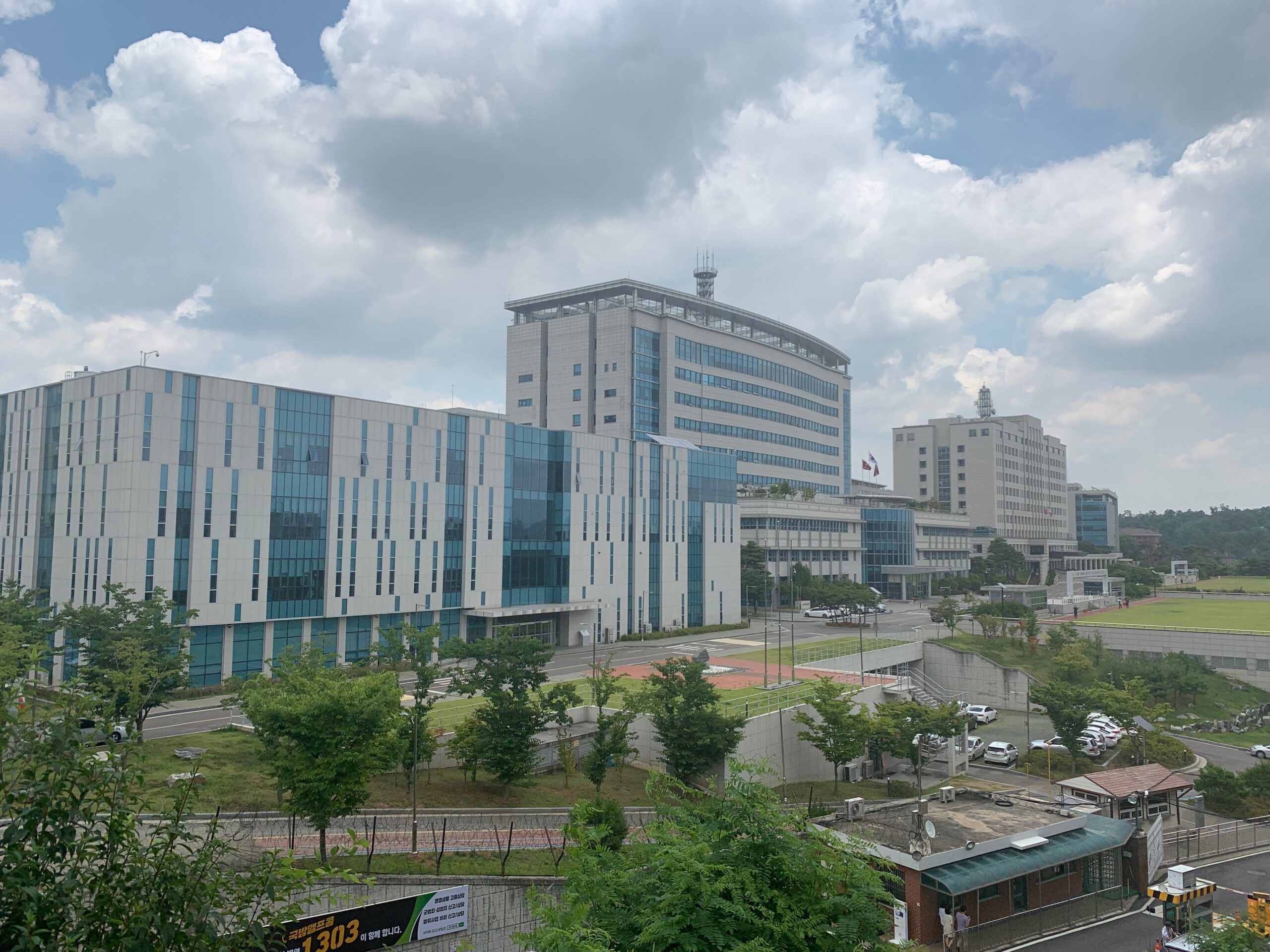
Yoon Suk-yeol’s campaign comment that he would consult the U.S. over redeploying tactical nuclear weapons shows Korean leaders are more comfortable raising the topic.
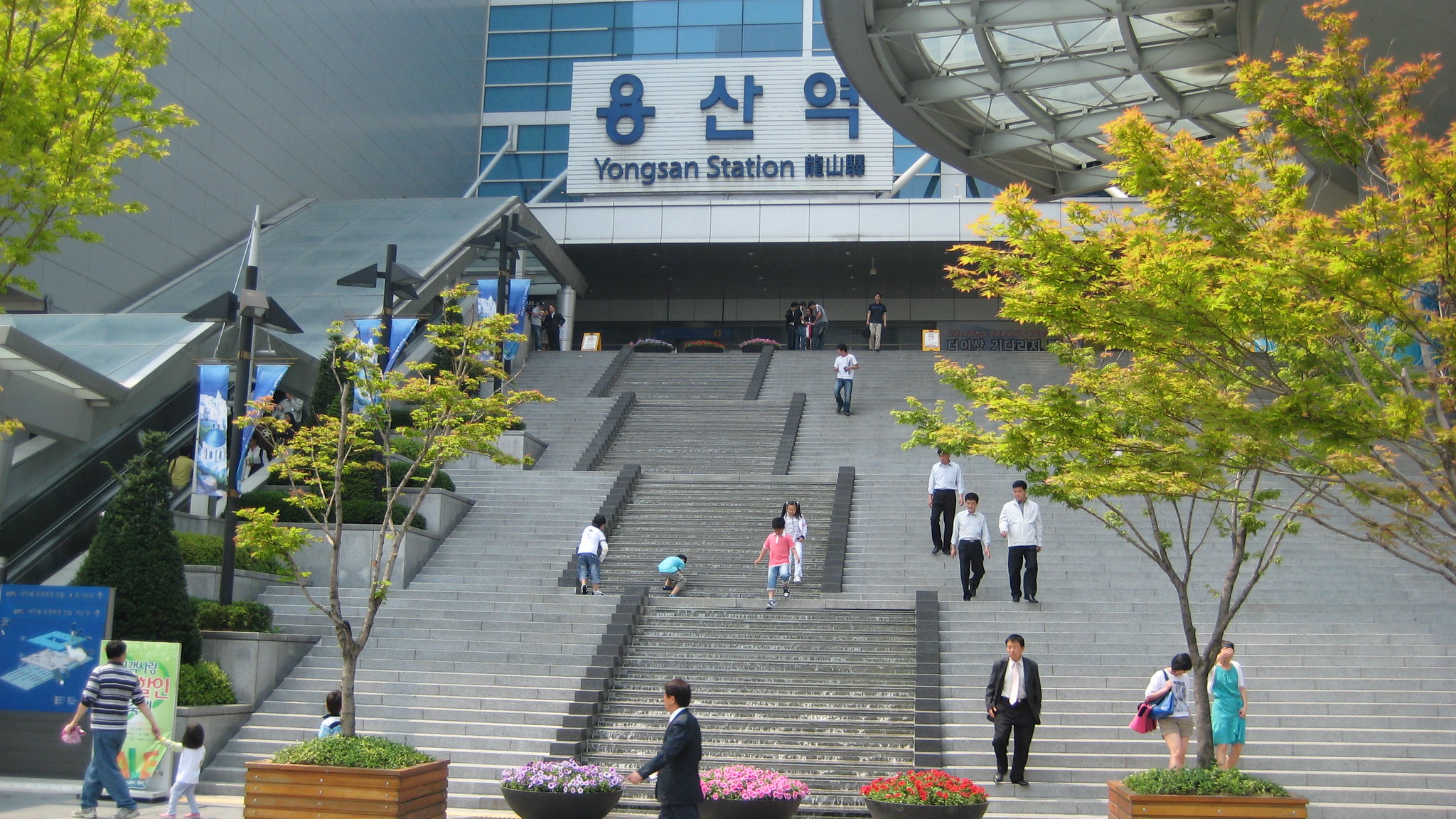
Poongsu – the practice of locating auspicious geography – has its origins in pre-modern times and continues to pop up in discussions even today.
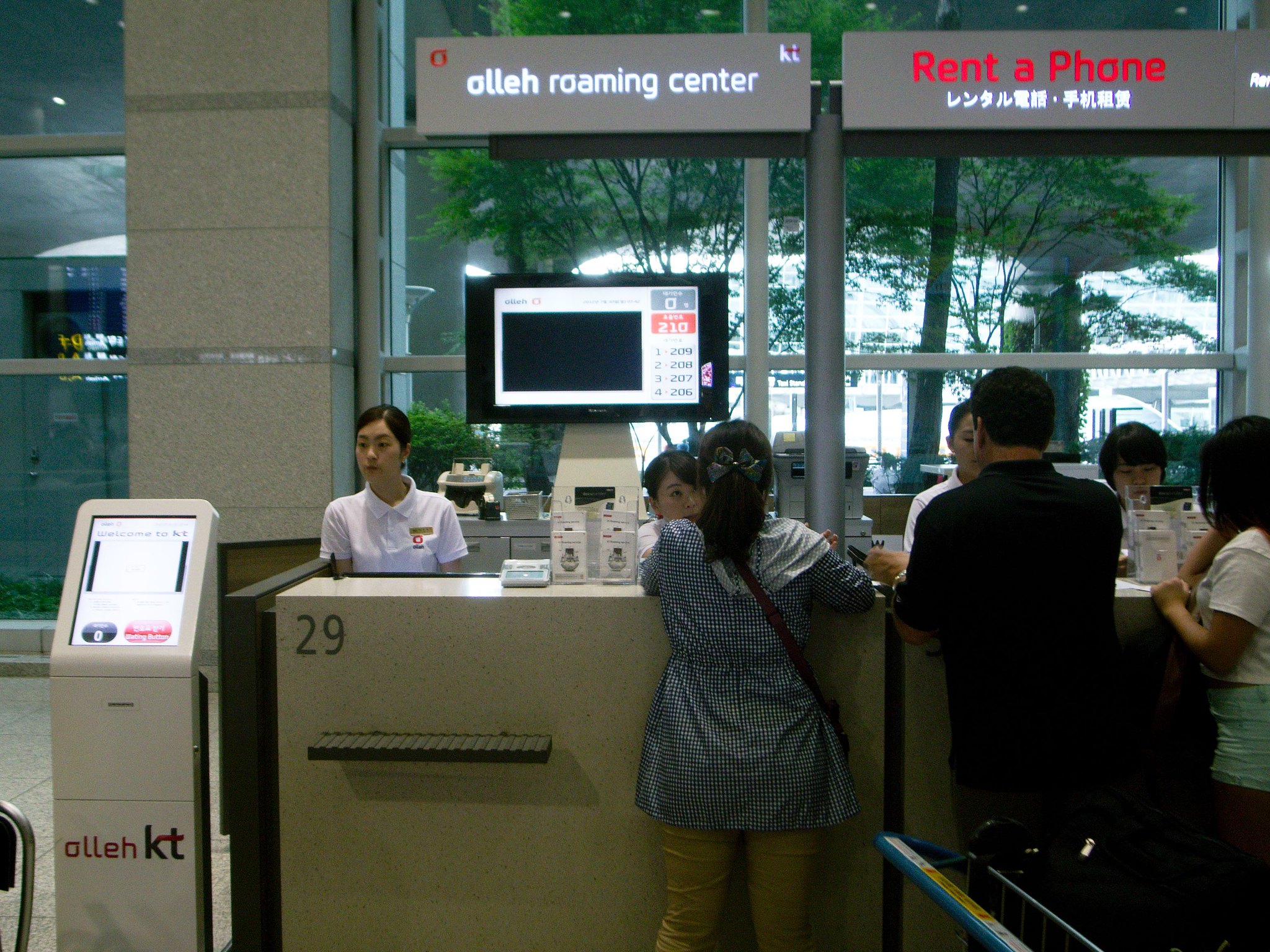
The national government looks to protect workers involved in emotional labor, but almost half of them still suffer from poor conditions.

The Moon Administration wants to resume rules aimed at reducing plastic waste, but consumers and small business owners are wary.

Even when there are no direct diplomatic tensions between Japan and South Korea, negative sentiments towards Japan permeate Korean society.

The navy’s new frigate enhances maritime deterrence capability in response to anticipated future provocations from North Korea.