The Foreign Policy Outlook of South Korean Progressives: Part IV
Pragmatism represents a common theme in South Korea’s liberal foreign policy, responding to external pressures as well as internal constraints.

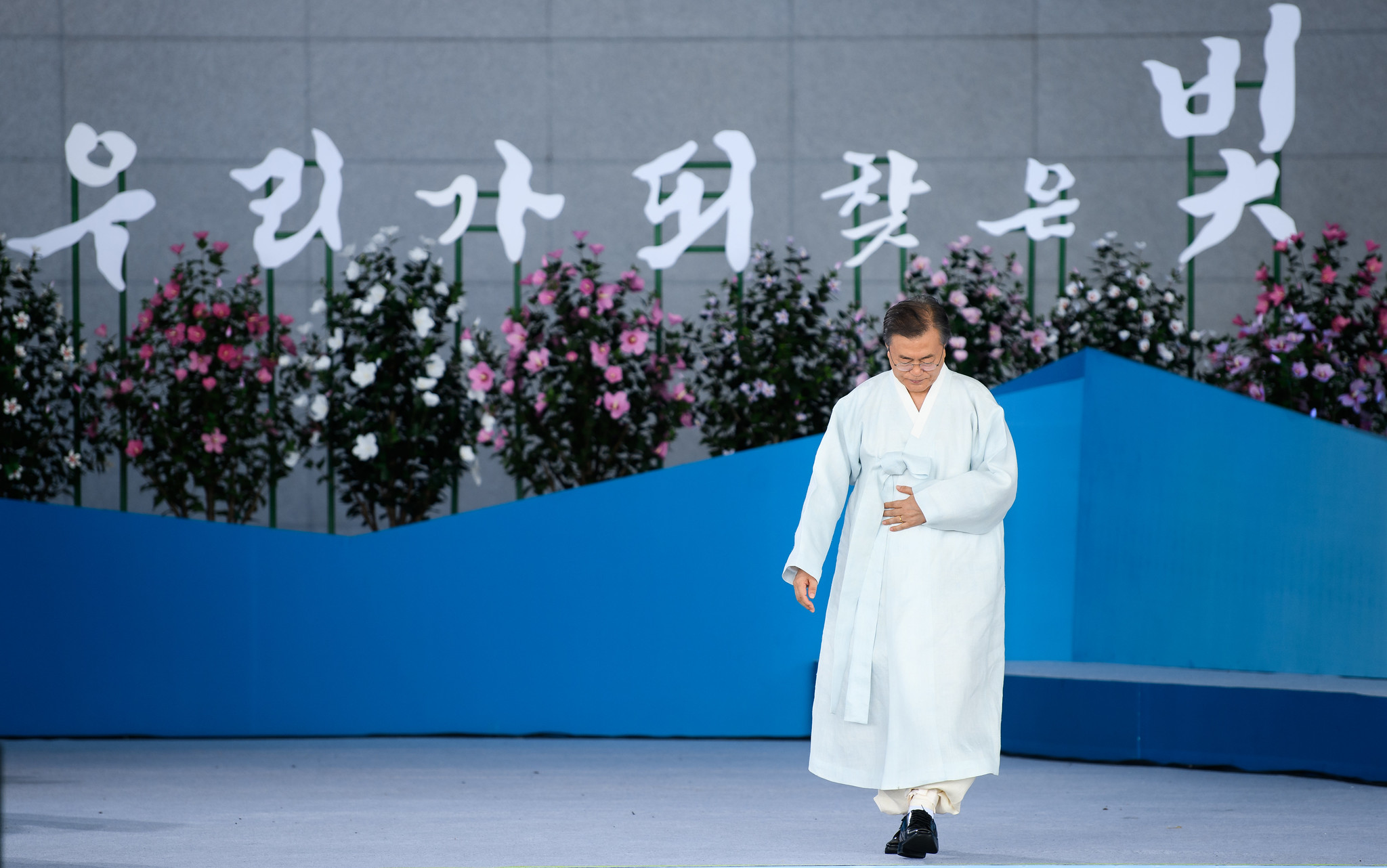
Pragmatism represents a common theme in South Korea’s liberal foreign policy, responding to external pressures as well as internal constraints.

President-elect Yoon Suk-yeol has vowed to turn South Korea into a leading digital economy befitting the era of Digital Earth.
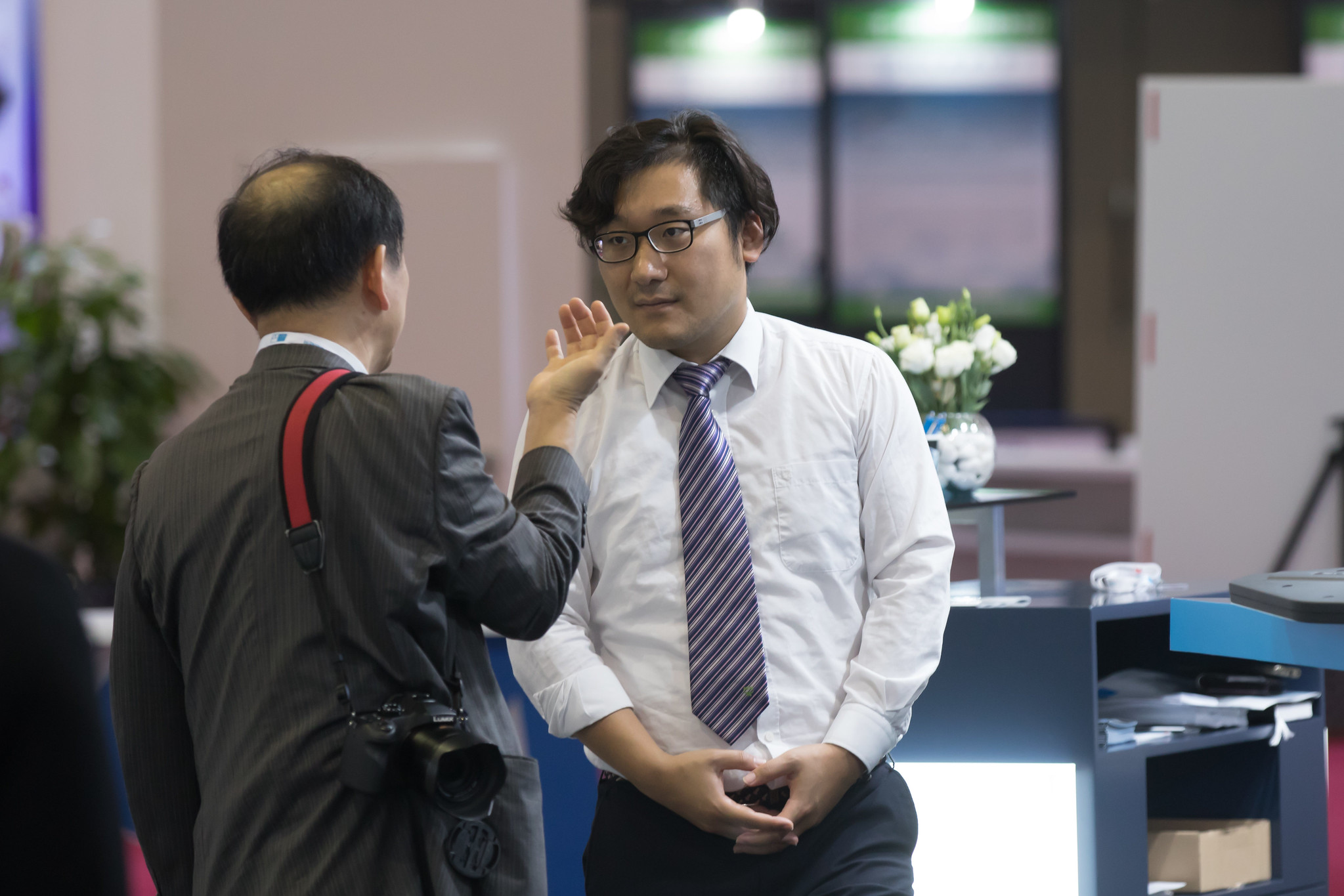
South Korean firms’ superficial efforts to change workplace culture by adopting English nicknames fail to address systemic structural issues.
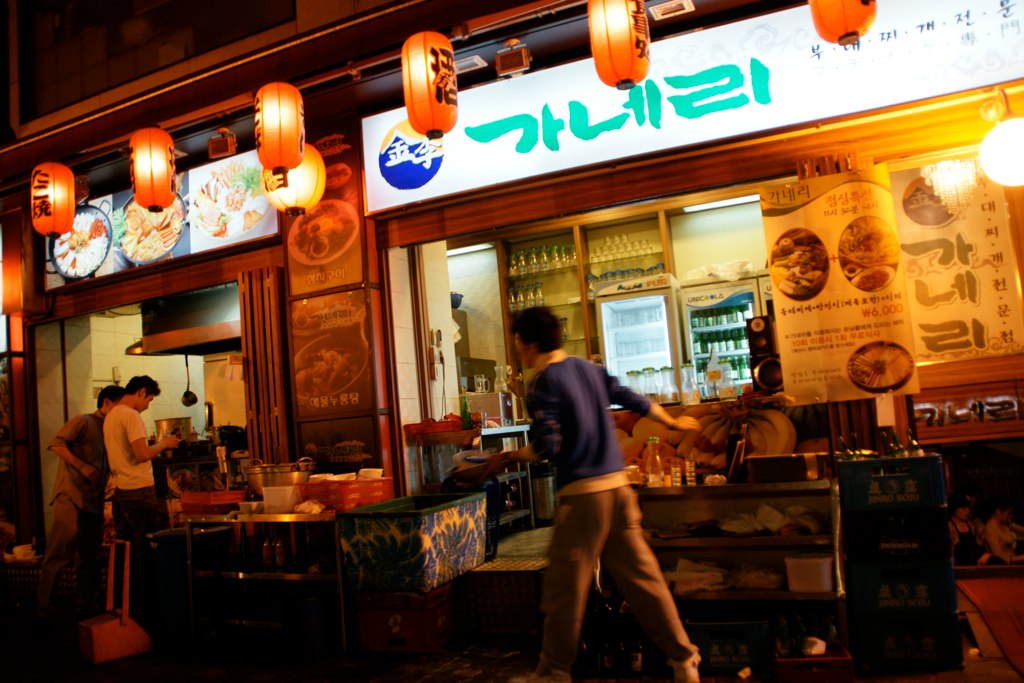
Although small and medium enterprises (SMEs) welcomed the government’s decision to lift COVID-related restrictions, it comes after years of strained ties.

Many restaurants and stores have not adapted to the demographic transition, leading to inadequate nutritional intake for single-person households.

The widely publicized shortage of semiconductors from the pandemic faces new challenges from the ongoing Russia-Ukraine conflict.
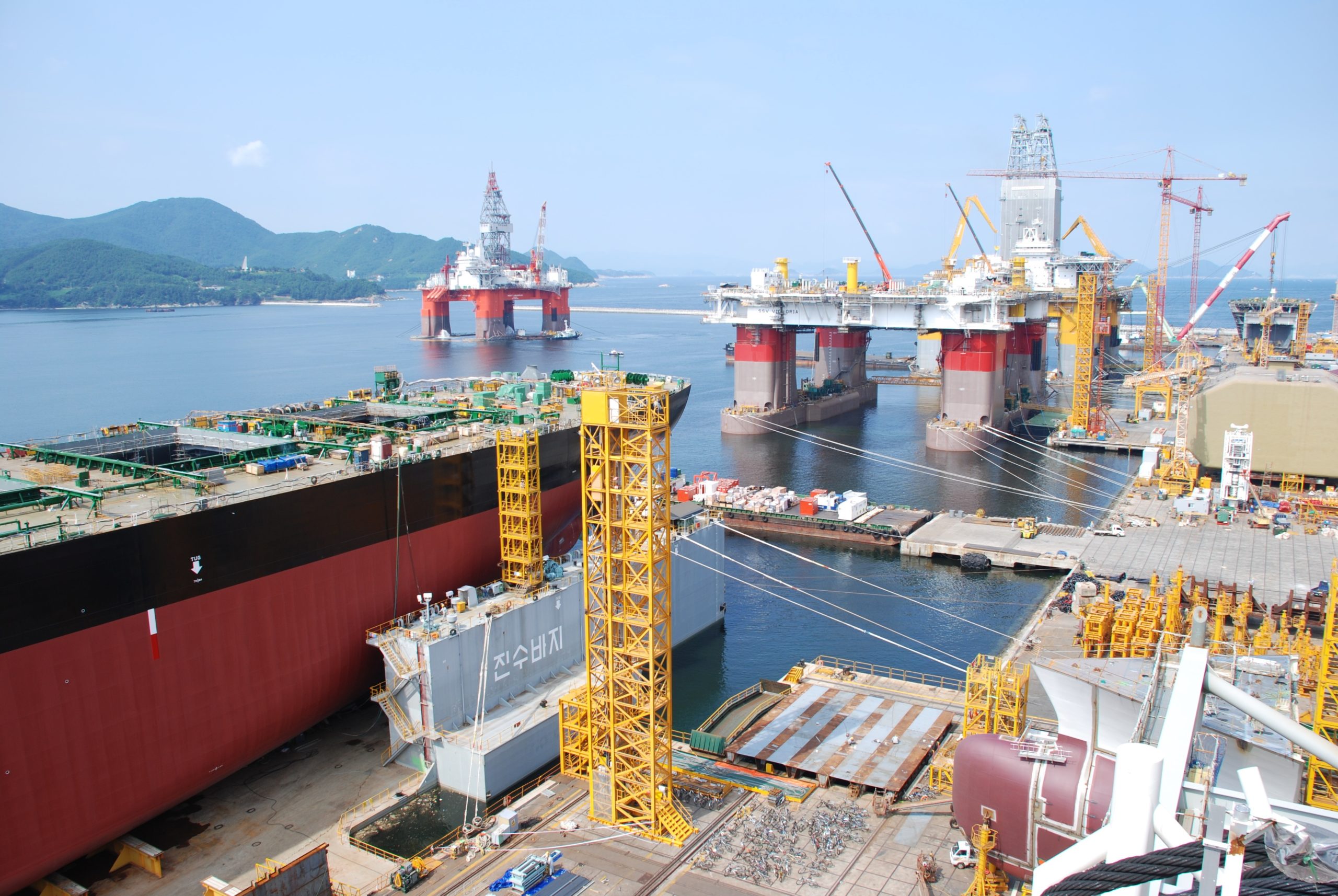
External threats of disruptions to the world economy due to the war in Ukraine are perhaps the biggest risk to the Korean economy.
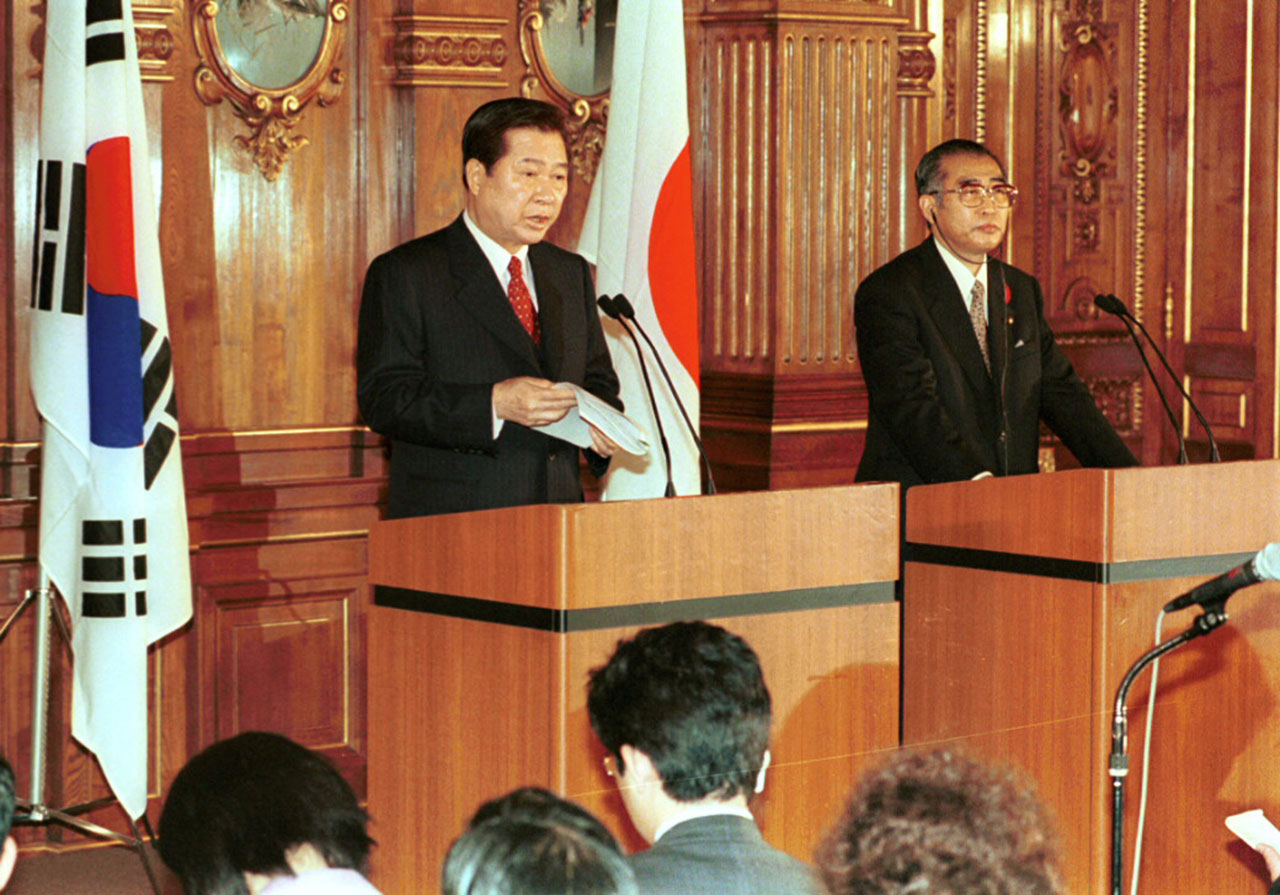
Many in DC view Korea’s liberal administrations as anti-American, but the foreign policy of Presidents Kim Dae-jung and Roh Moo-hyun says otherwise.
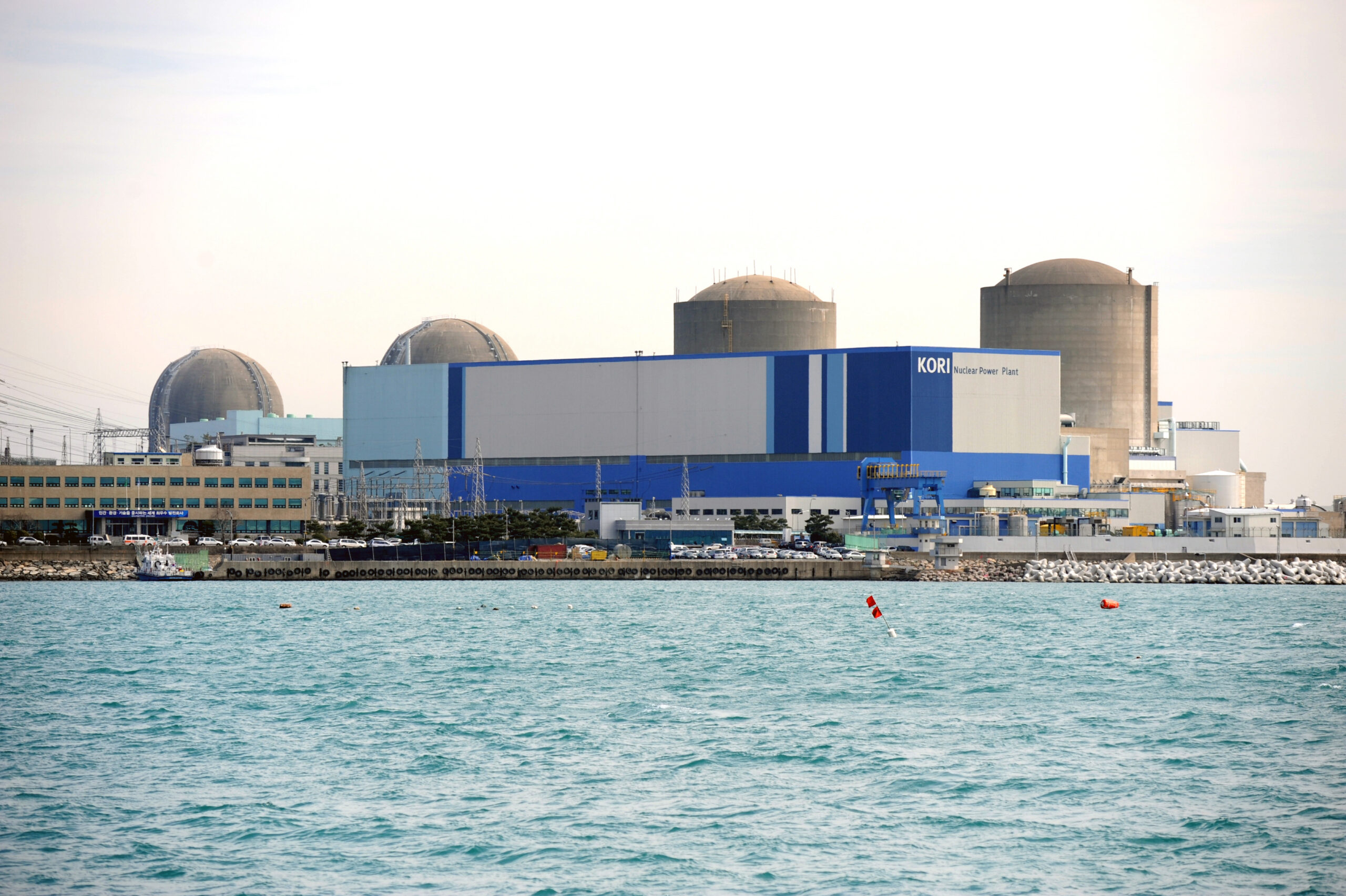
Despite past safety scandals and activists’ fear of disaster, the South Korean public finds nuclear power’s relatively low cost appealing.

South Korea’s previous responses to social isolation have not been successful, resulting in improvements in policy to address the root of the issue.