Obstacles to Reversing the Rise in Anger-related Crimes
The generalized labeling of anger-related crimes may prevent the government from devising a policy response that addresses any underlying social causes.


The generalized labeling of anger-related crimes may prevent the government from devising a policy response that addresses any underlying social causes.
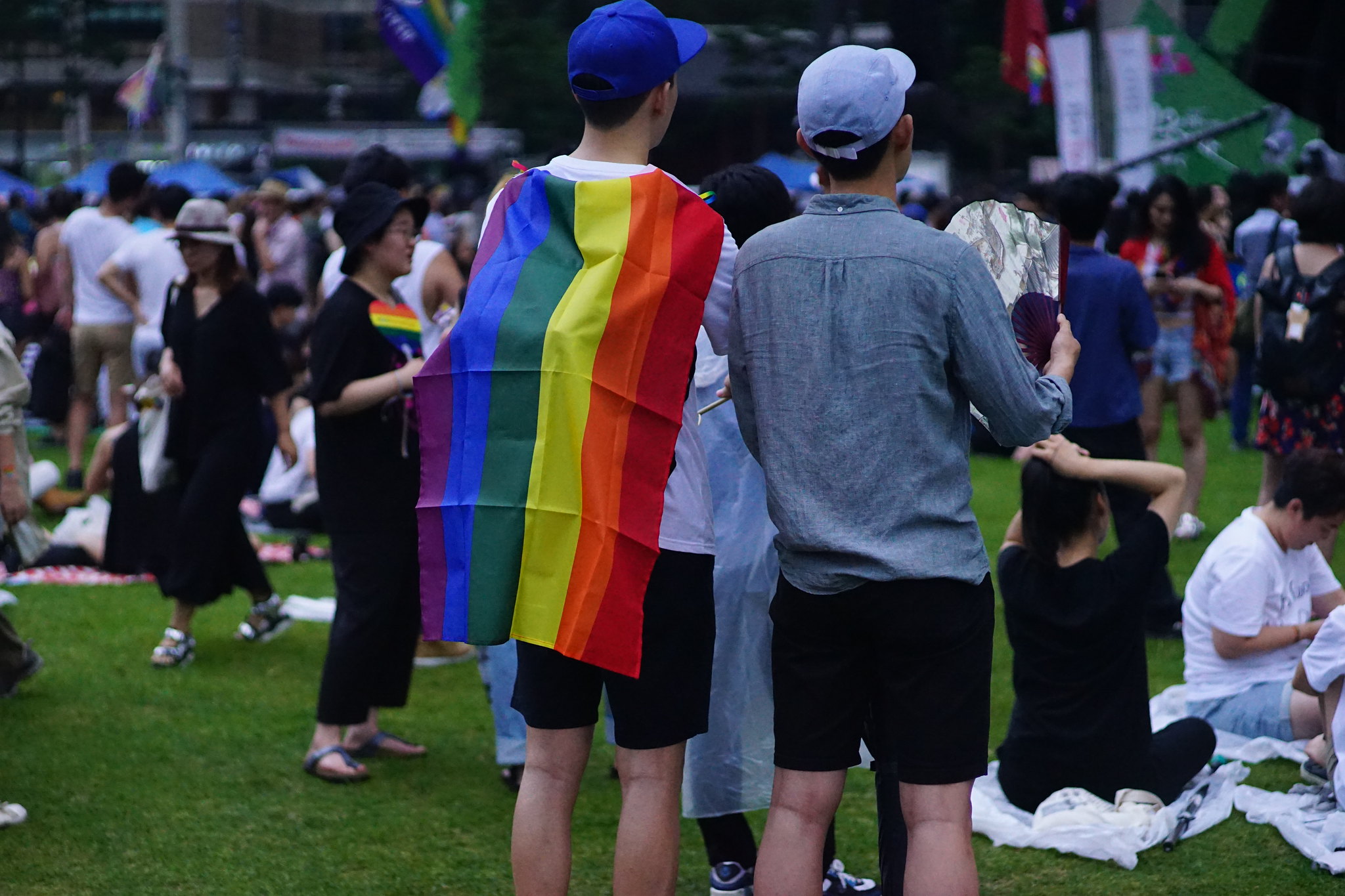
South Korea’s LGBTQ community continues to face barriers to enjoying full civil rights as ambivalence and homophobia embolden political discrimination.
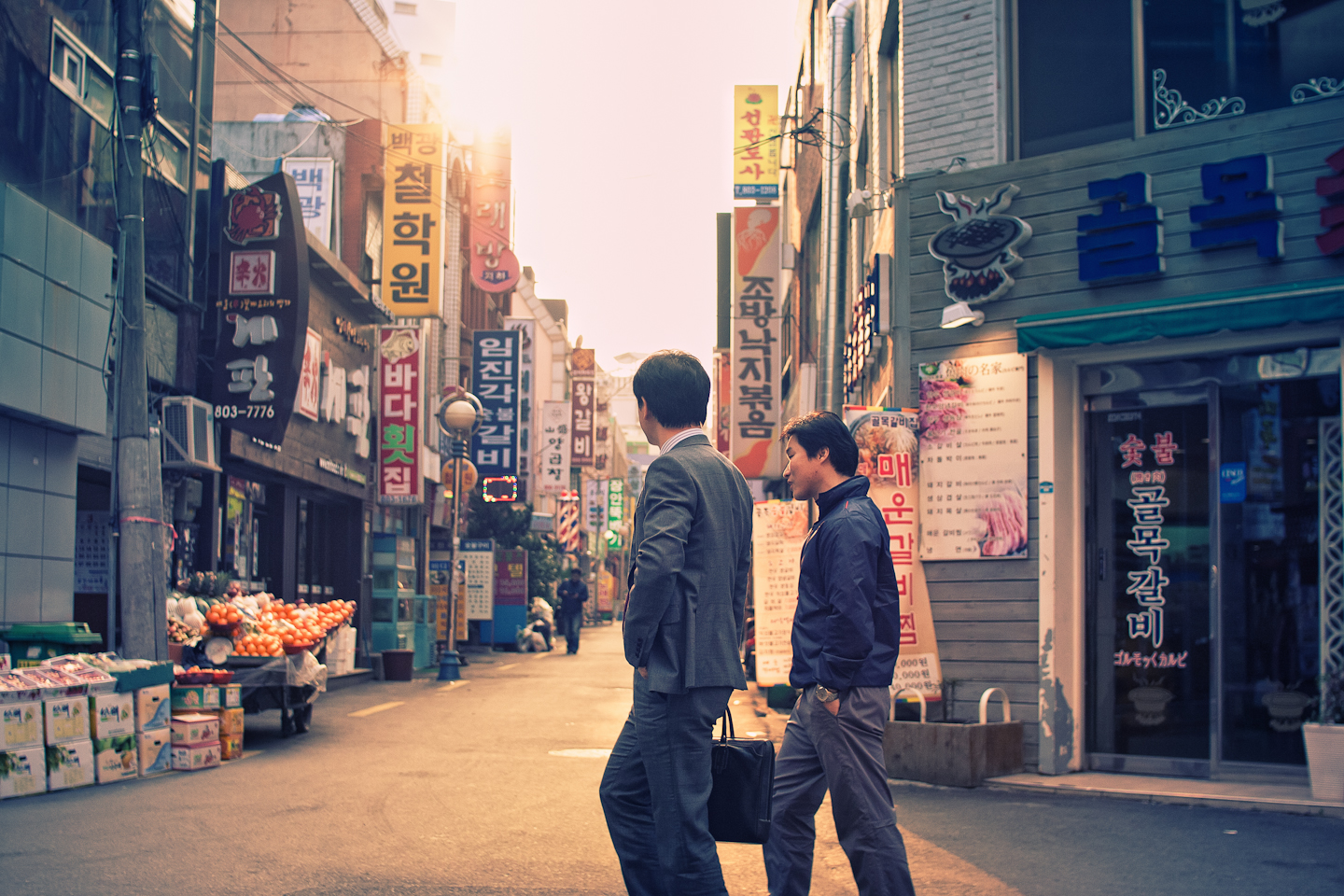
The system sought to free up private sector resources to hire more youths, but it has exacerbated insecurity of older workers.
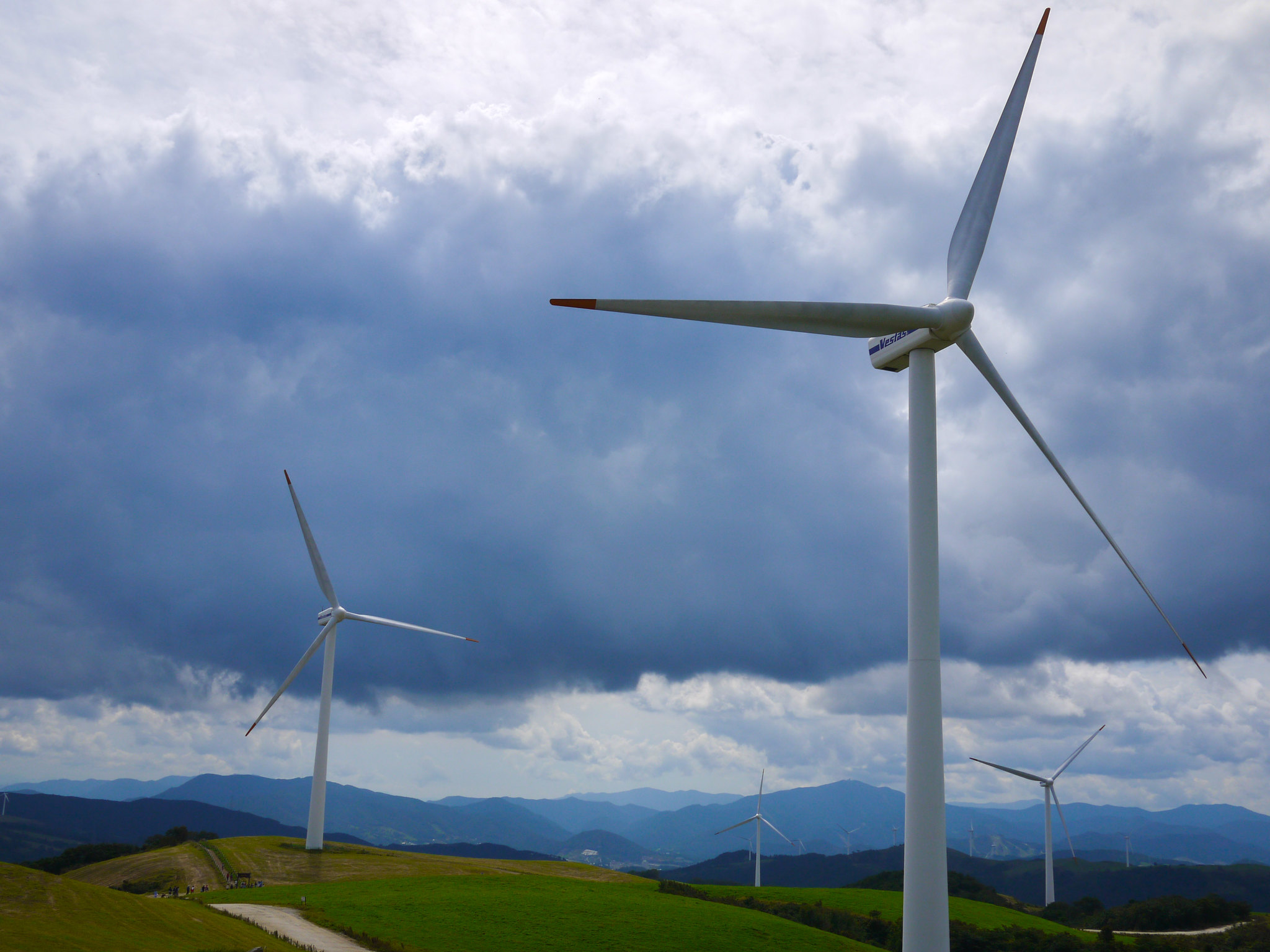
Despite South Korea’s growing green energy technology exports, its flagship corporations and the government are hesitant to make deeper commitments.

Seoul’s deployment of a larger naval force to the U.S.-led multilateral naval exercise may signal a shift from its traditional security posture.
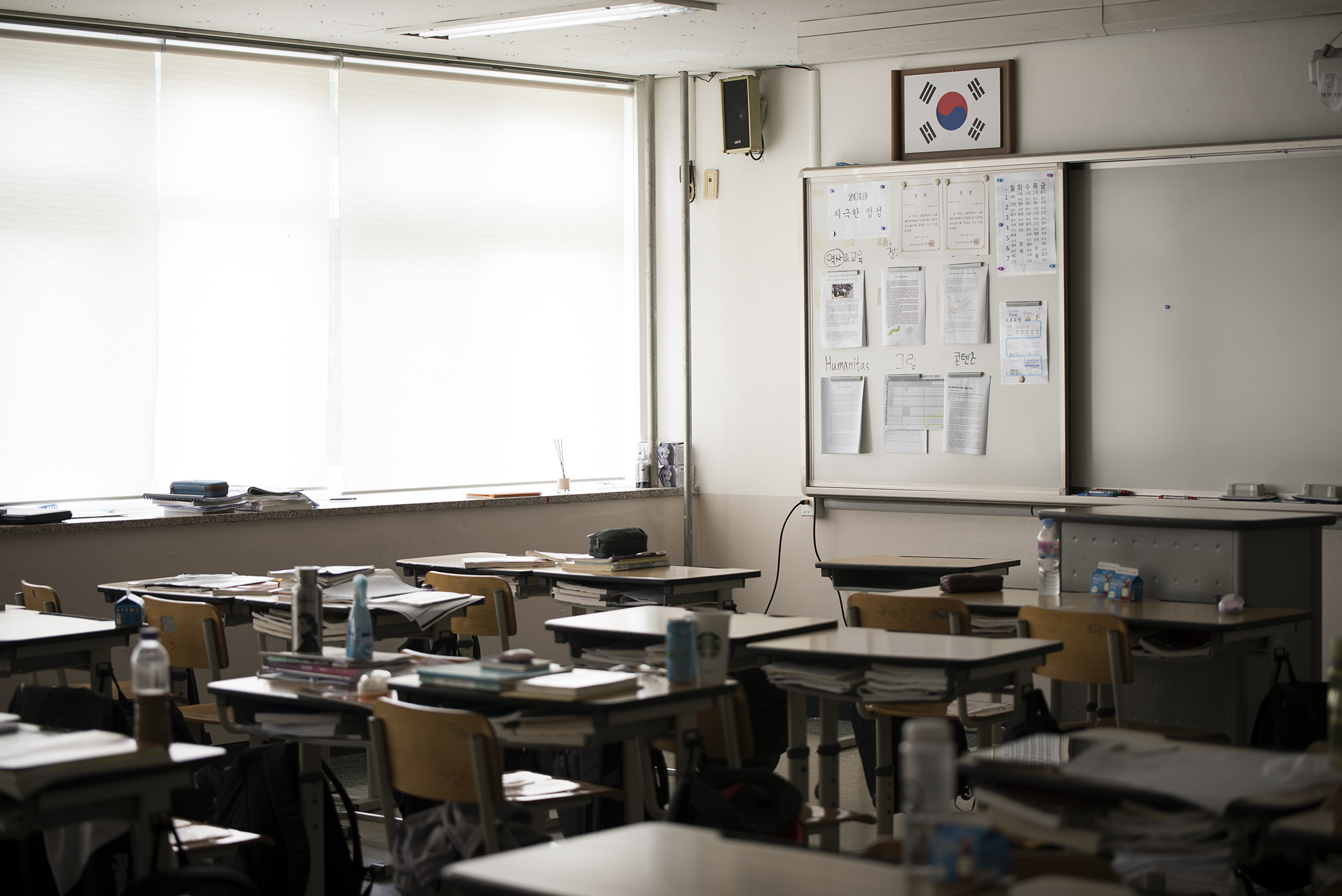
South Korea is experiencing a surge in bullying accusations against public figures – an extension of the ongoing struggle against school violence.
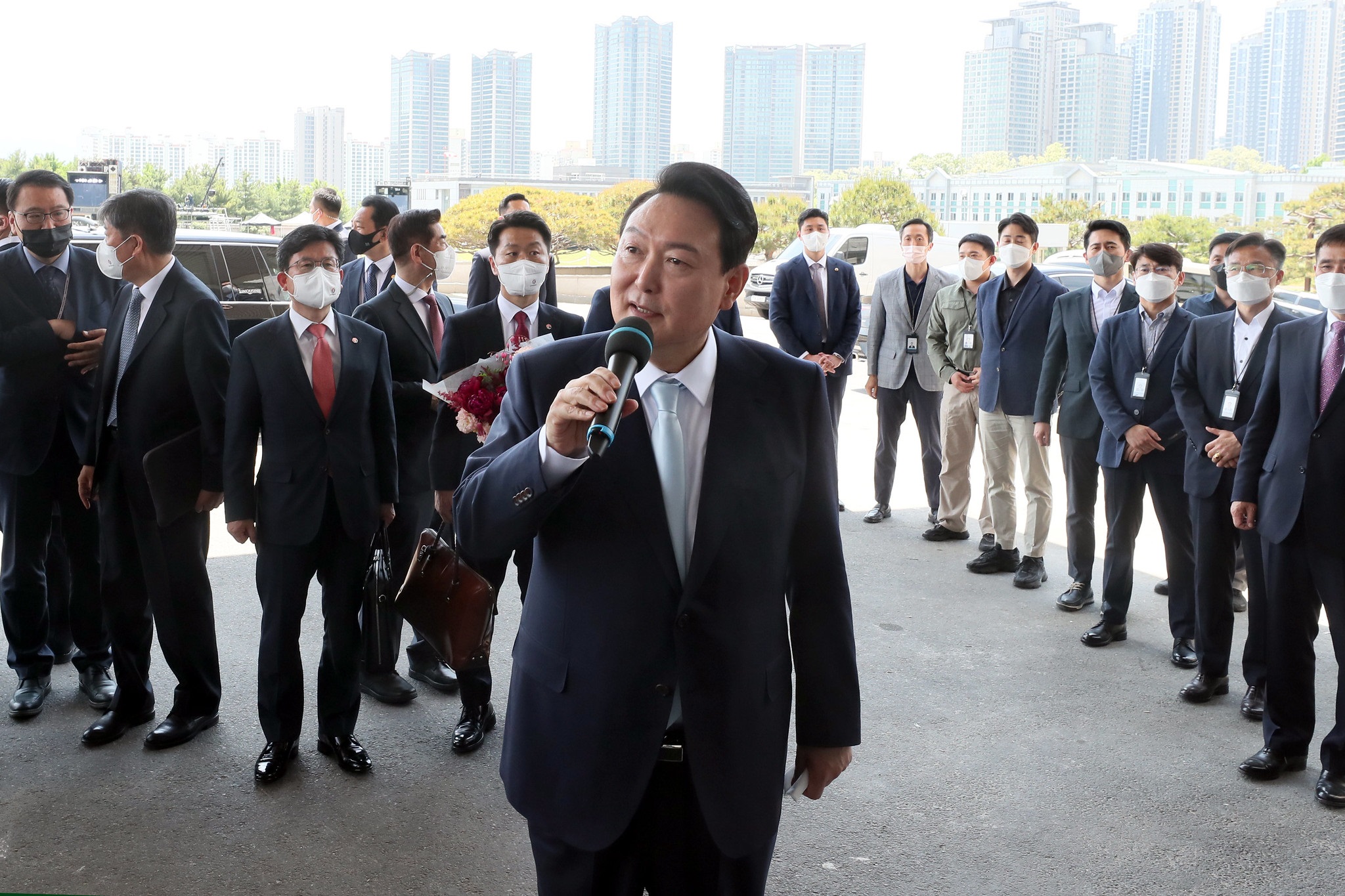
President Yoon Suk Yeol campaigned on economic policies changes that could bring significant economic benefits to South Korea.
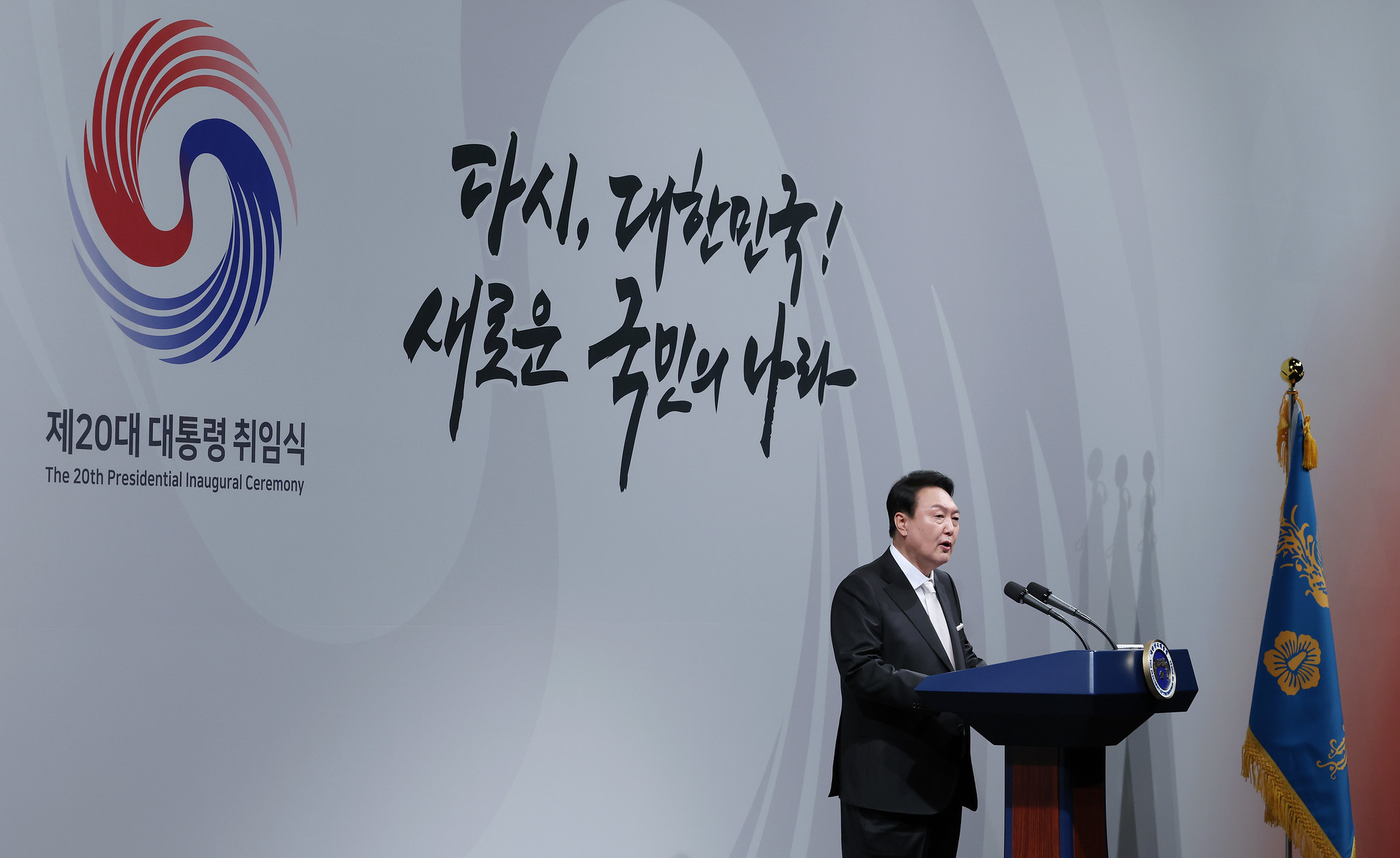
President Yoon Suk Yeol’s national vision echoes the priorities of previous administrations, particularly around the need to boost small businesses.

South Korea looks to increase wheat output as grain prices rise in response to supply chain challenges created by the pandemic and geopolitical instability.

Despite a growing foreigner population, there are few legal protections against prejudicial treatment towards this community in South Korea.