South Korea and the middle power revival school
Two decades ago, South Korea was rarely called a middle power. Today, it invites ridicule to suggest South Korea is anything but.


Two decades ago, South Korea was rarely called a middle power. Today, it invites ridicule to suggest South Korea is anything but.
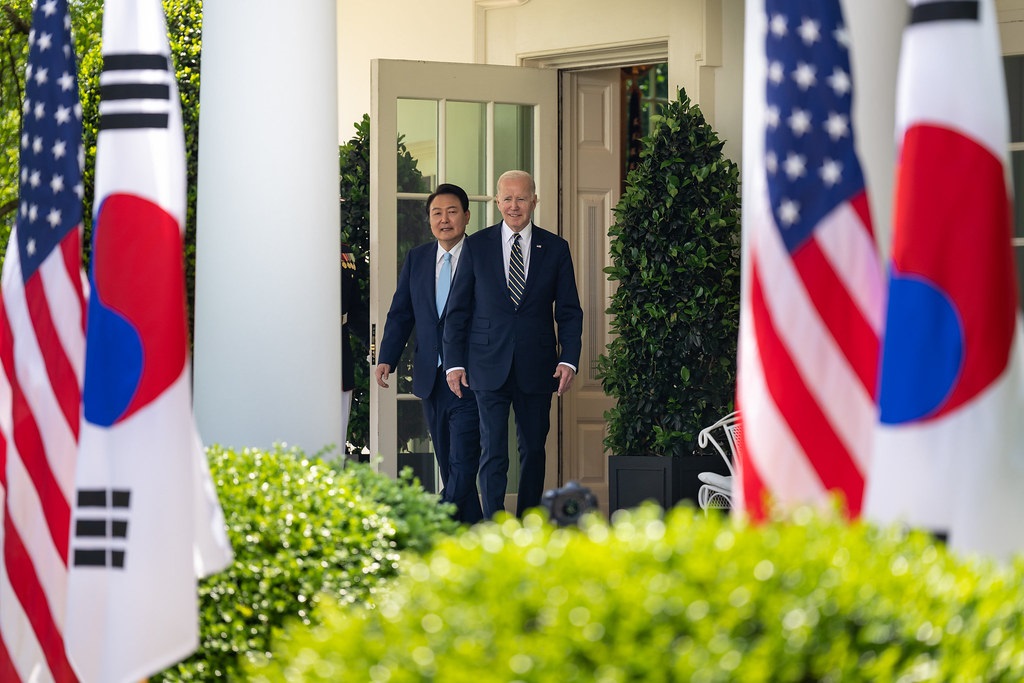
No reflection of 70 years of the U.S.-Korea alliance would be complete without examining exactly what it means to be an economic ally.

It’s fair to imagine that by this stage, an objective observer would caution against using the middle power term to describe South Korea.

Despite the stability provided to them, Korean chip companies still grapple with uncertainty surrounding American semiconductor technology.

Meeting Korea’s demographic challenge requires a comprehensive strategy, including by making greater use of foreign workers.
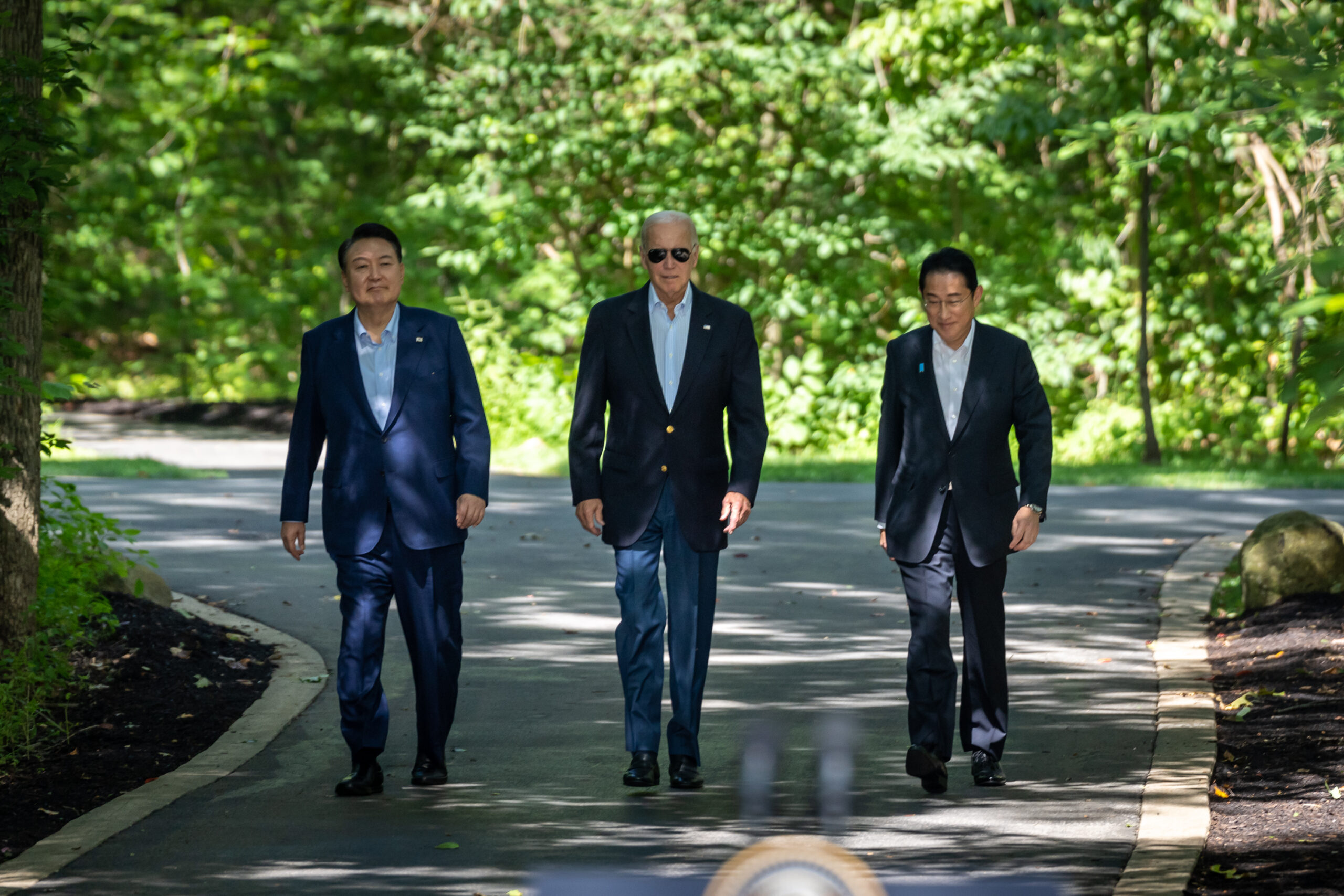
The August 18, 2023 summit at Camp David was rightly hailed as a breakthrough moment for Japan, South Korea, and the United States.

The “Spirit of Camp David” pledged that the three countries would make the Indo-Pacific “thriving, connected, resilient, stable, and secure.”
Although the vision outlined at Camp David has potential to advance U.S.-Japan-Korea objectives, there remain obstacles to its success.
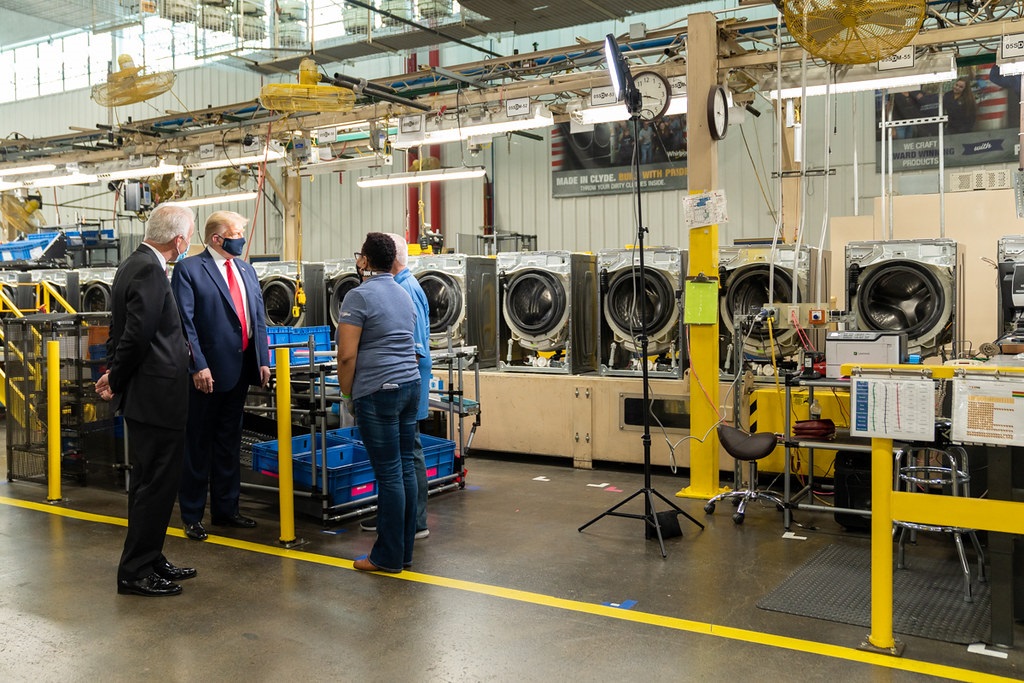
U.S. trade policy with South Korea has already made its way into the 2024 Republican primary talking points.
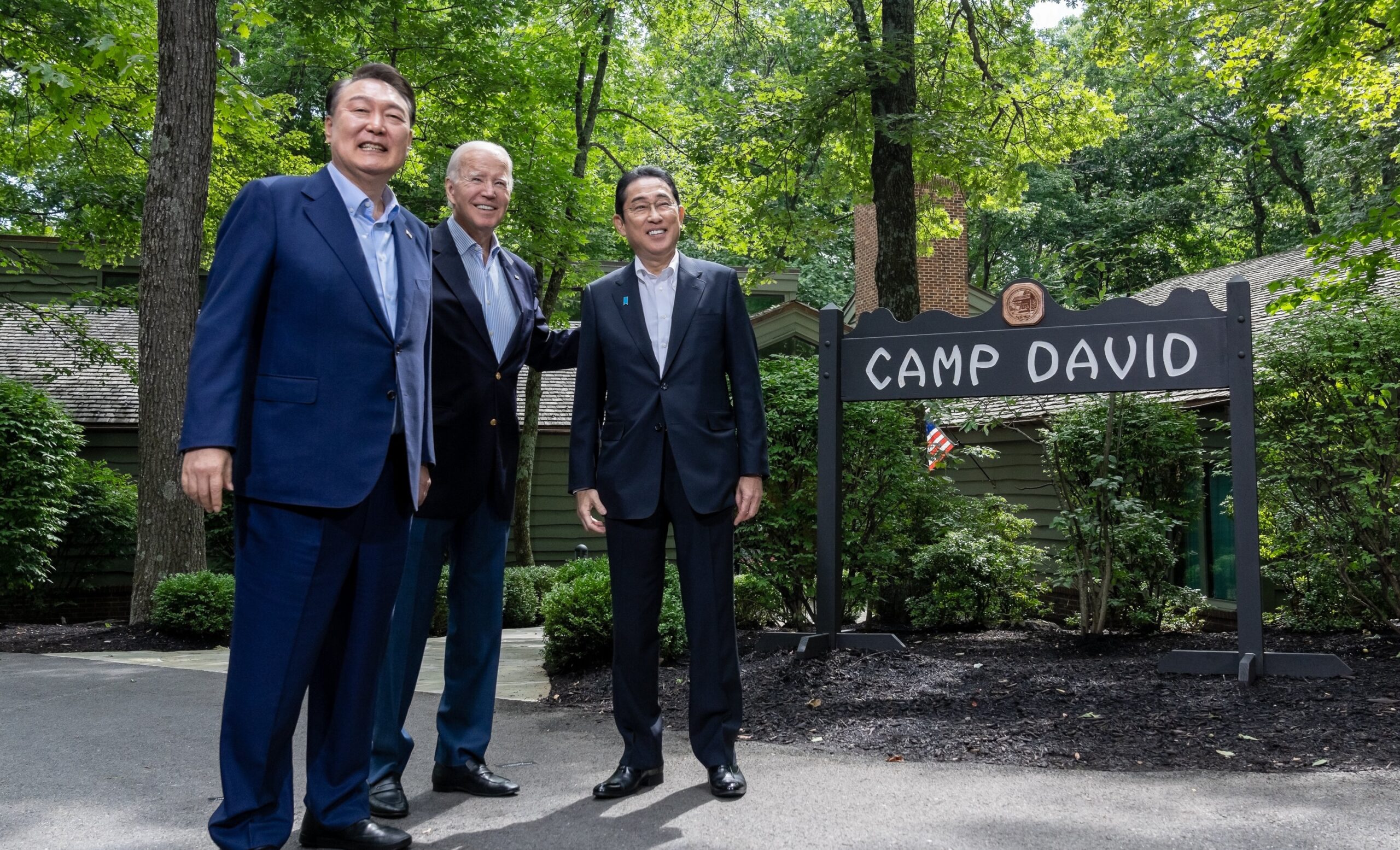
The Camp David Summit marks the beginning of a new era and has implications far beyond security cooperation.