Can Yoon’s Global Pivot Survive the Elections?
Yoon’s ability to fundamentally shift South Korea’s foreign policy and build stronger trilateral cooperation appears under threat.

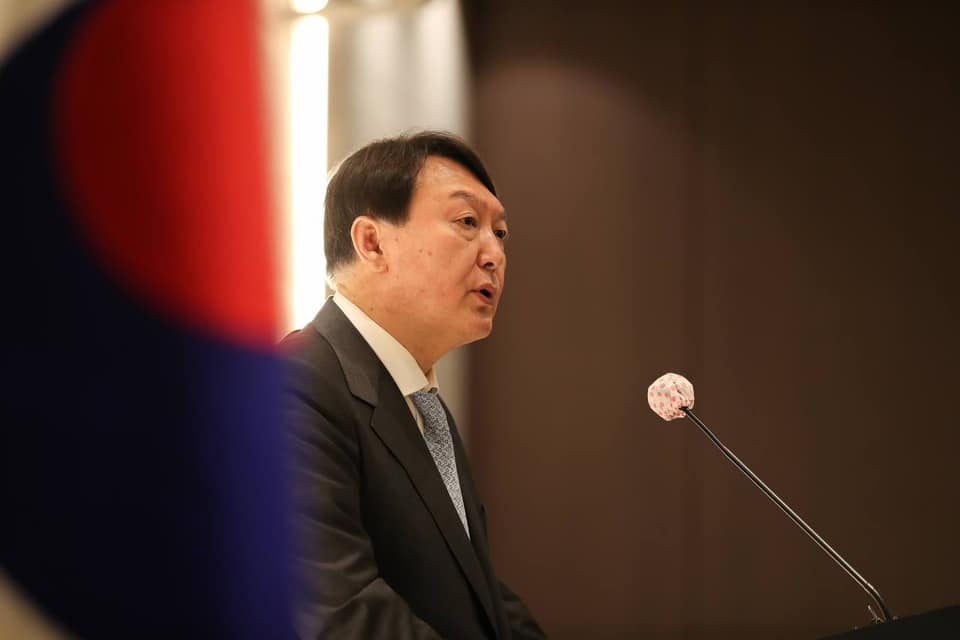
Yoon’s ability to fundamentally shift South Korea’s foreign policy and build stronger trilateral cooperation appears under threat.
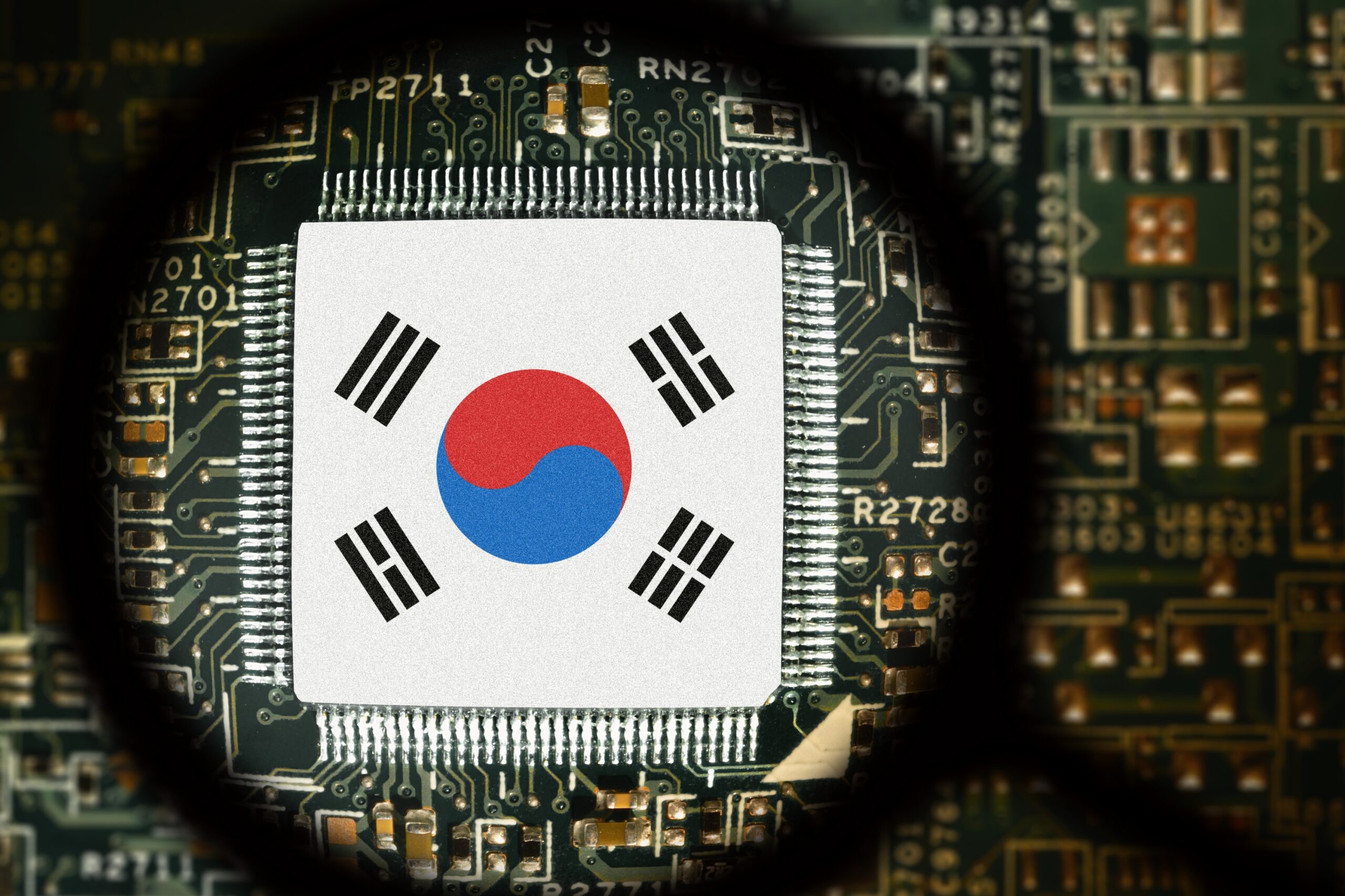
Innovation has played a vital role in Korea’s rapid economic development and sustained progress toward the global innovation frontier.
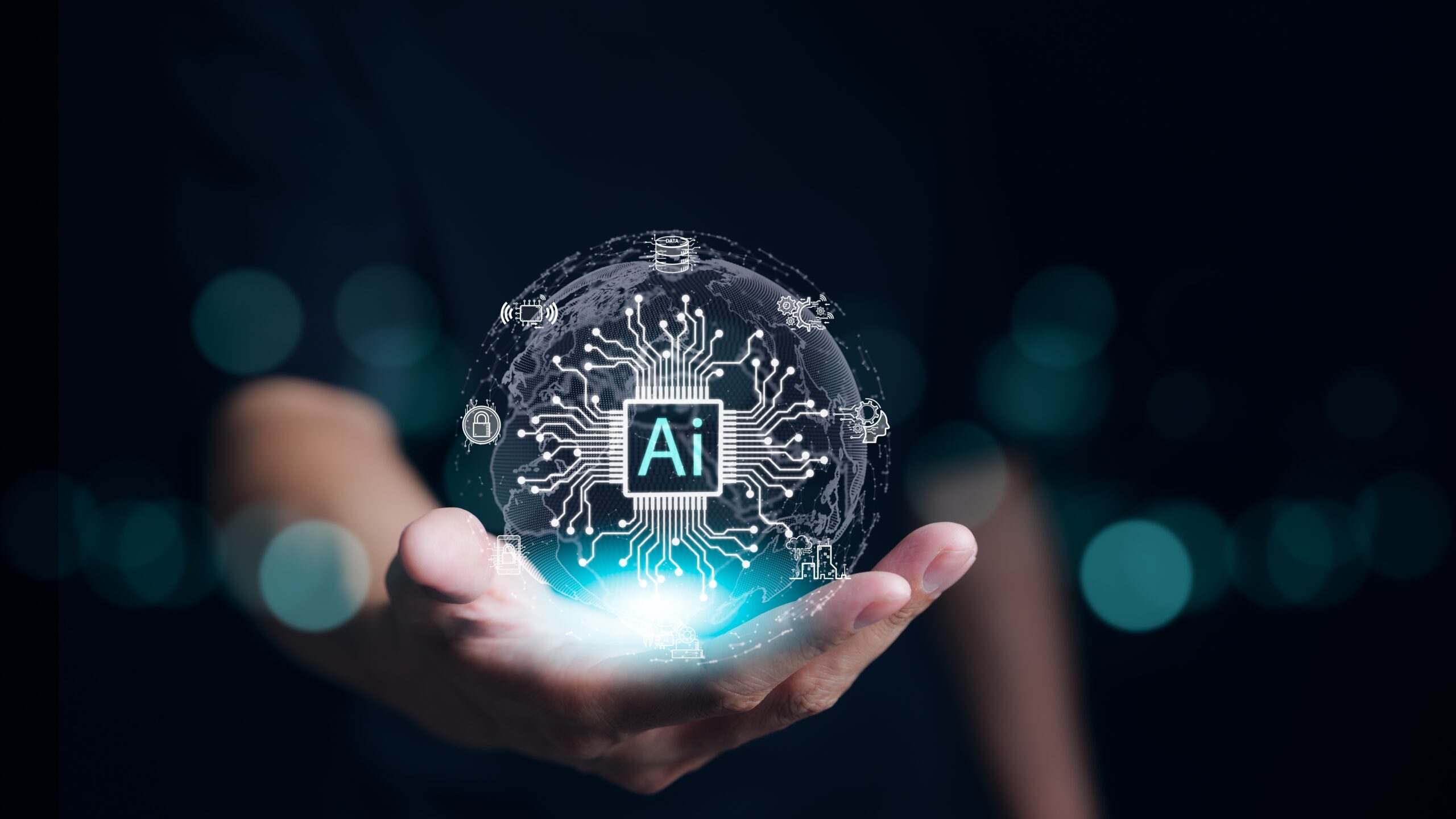
Korea’s role as the global center of memory chip technologies means it is playing a central role in the AI transition.

The National Assembly election is often seen as a barometer for the public’s sentiment towards the sitting president and the ruling party.
South Korea features its own domestic competitors, and it is these local companies that may bear the brunt of the impact from any regulation.
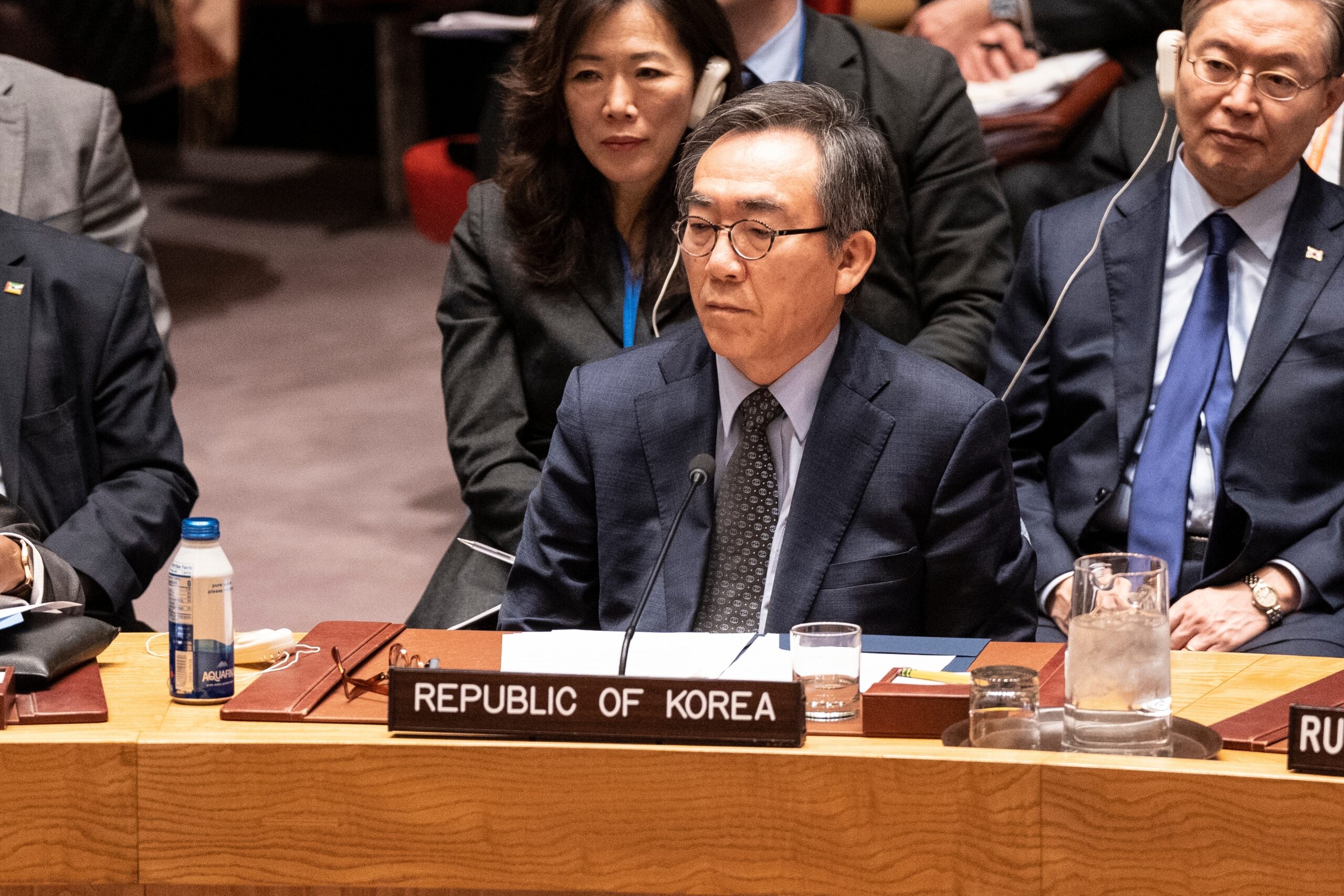
In January 2024, South Korea began its two-year term as a non-permanent member of the United Nations Security Council (UNSC).
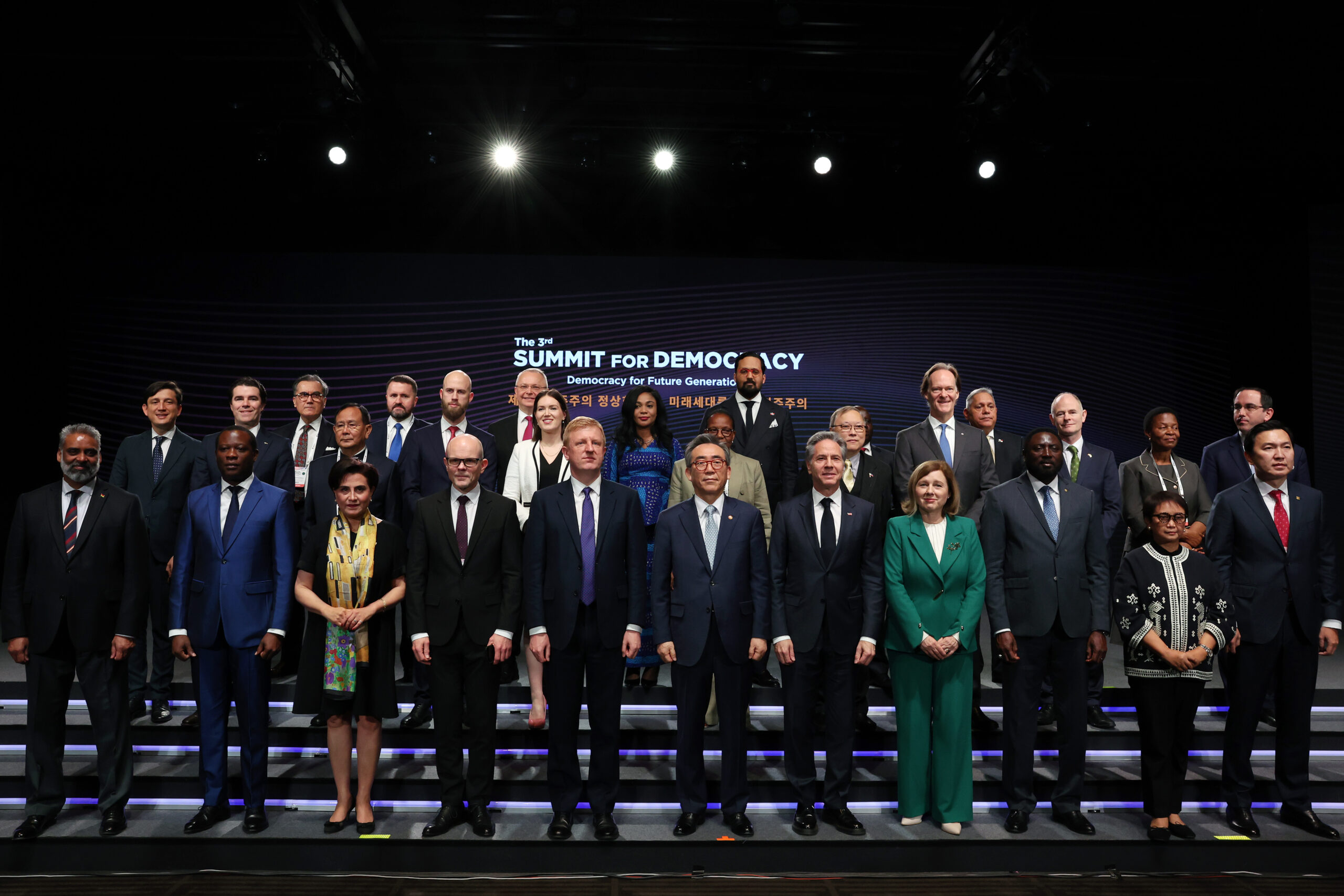
The predominant undertone appears to have been the role that artificial intelligence (AI) will have in shaping democracies.
Korea’s trade and foreign policy strategy increasingly sees Latin America as a pivotal partner in the Indo-Pacific geoeconomic framework.

South Korea is well-positioned to become a leader in creating a new regime that regulates the undersea cable industry.
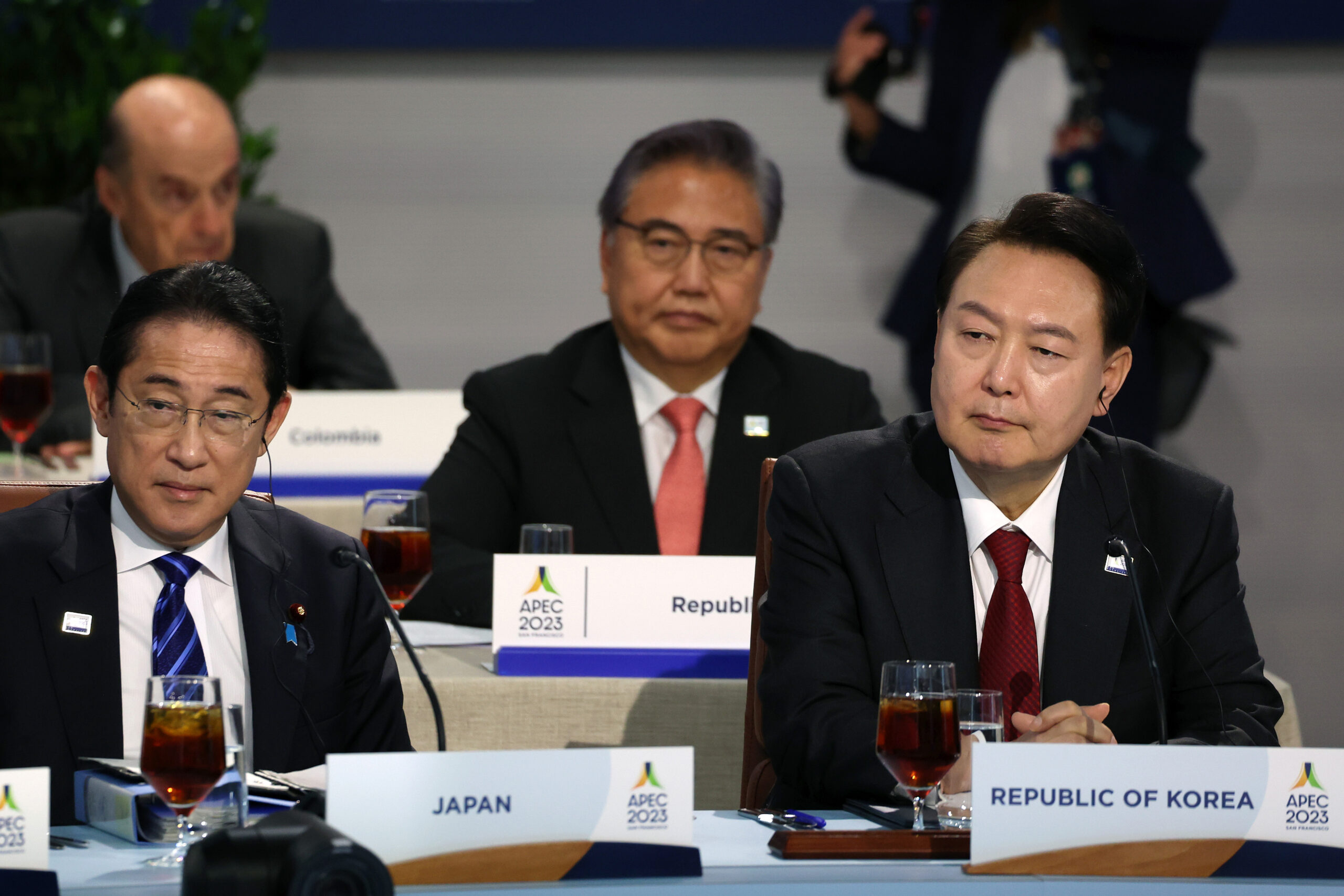
Surveys looking at both the Korean and Japanese publics have found that views of the other side have trended positively.