UN Condemnation of North Korea’s Human Rights Abuses Holds Firm Despite Political Shifts
The gravity, scale and nature of human rights violations in North Korea are without parallel in the contemporary world.
The Kim regime has weathered adversity before, but today’s convergence of inflation, fiscal opacity, and decay poses deeper, more structural challenges.
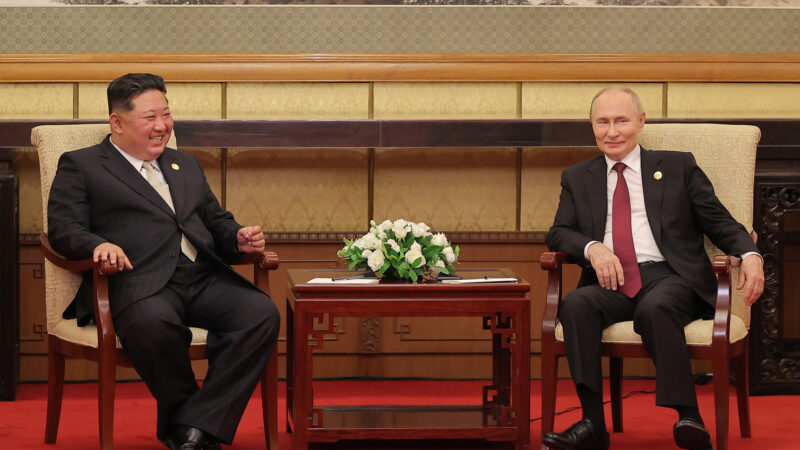
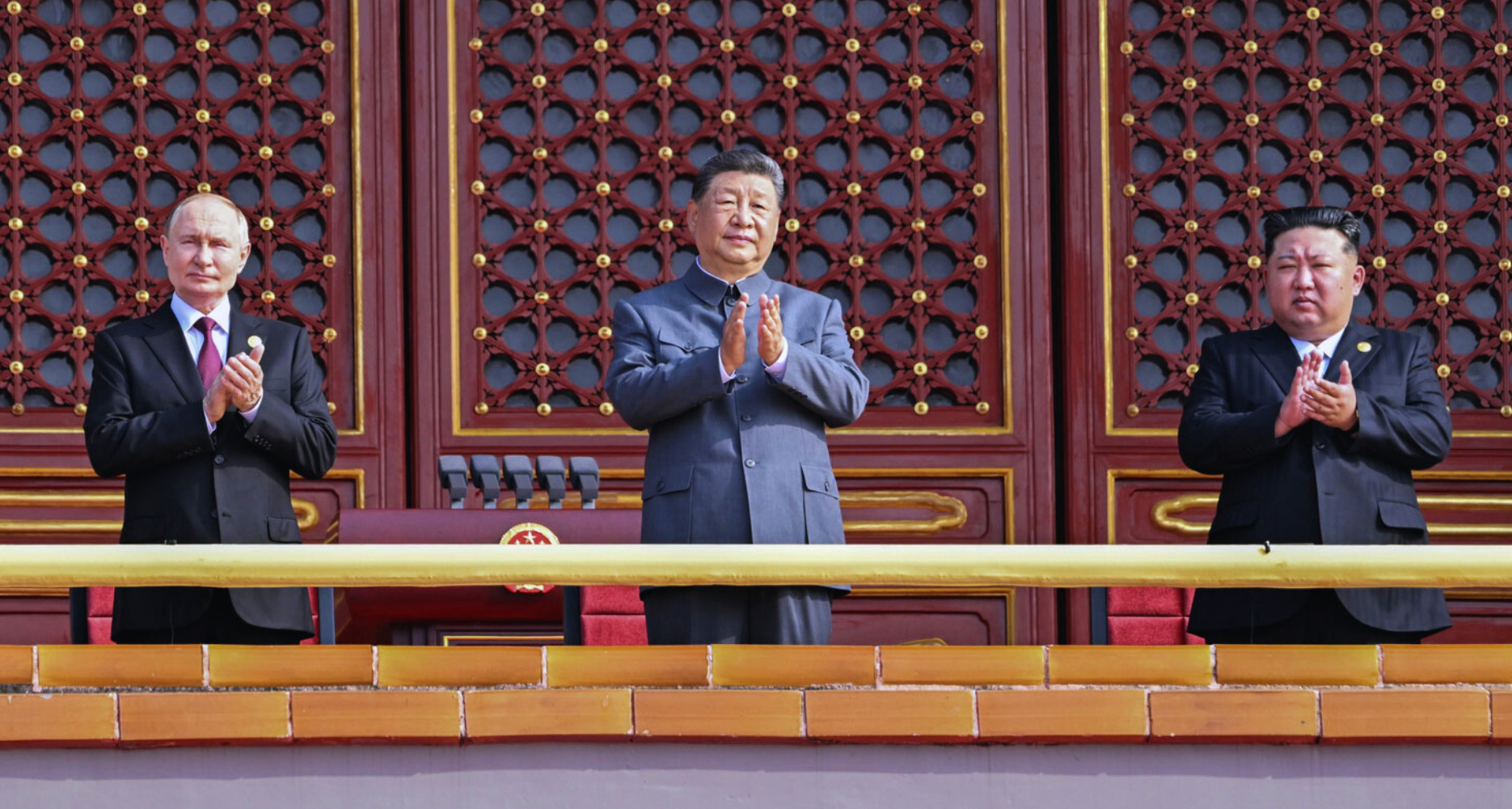
A new Cold War structure is materializing with the United States, South Korea, and Japan on one side and China, North Korea, and Russia on the other.
The opening of full diplomatic ties between Seoul and Havana is a clear reflection of the current economic and political realities on the Korean Peninsula.
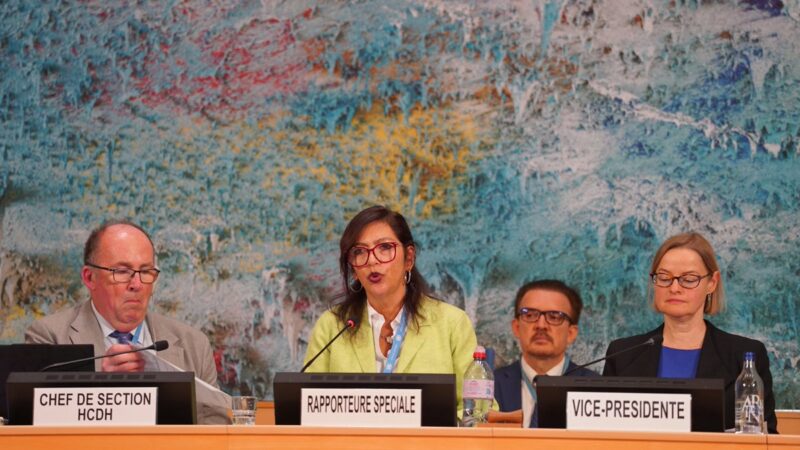
A “high-level” session at the General Assembly is a significant step-up in pressing North Korea to make progress on human rights.
Despite Rubio’s Senate record on North Korea, it’s unclear how or whether North Korean human rights will fit into this administration
The U.S. has played a uniquely important role in sustaining the global movement for truth, justice, and accountability for the people of North Korea. Today, that movement is in crisis.
All indications are the abduction issue will continue to define Japan-North Korea relations for at least the rest of this decade.
The United States will cease to participate in the UN Human Rights Council (UNHRC) and eliminate positions supporting the US representative.
Kim Jong Un continues to fire ballistic missiles into the East Sea/Sea of Japan, showcasing an orderly and stable government. But this may be deceptive, aimed to fool the country’s troubled citizenry and Trump, more than it is a reality.