A North Korean Thaw for the Winter Olympics?
While few observers doubt the significance of the Olympics agreement, many disagree about what it will mean for the future of inter-Korean relations.

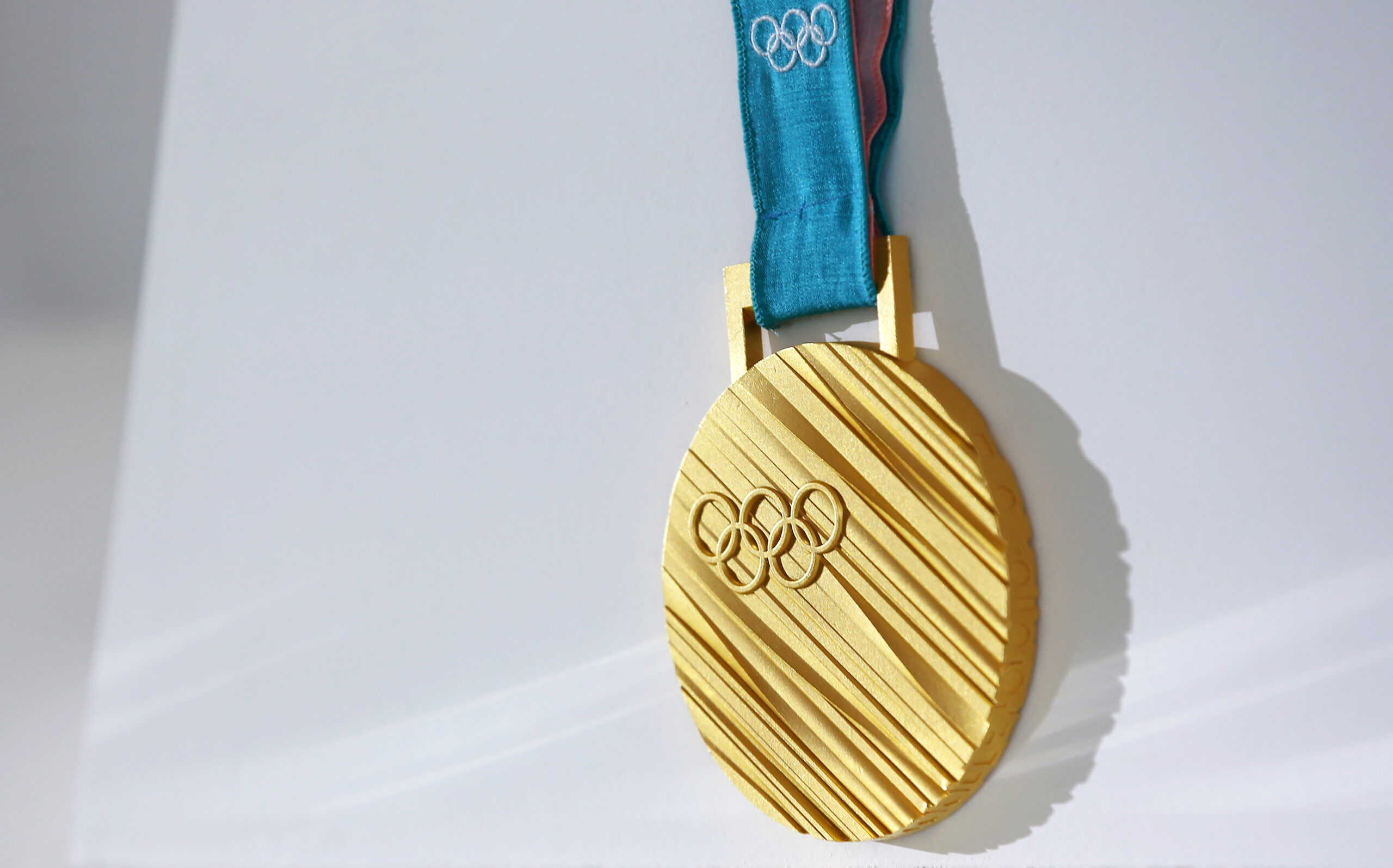
While few observers doubt the significance of the Olympics agreement, many disagree about what it will mean for the future of inter-Korean relations.
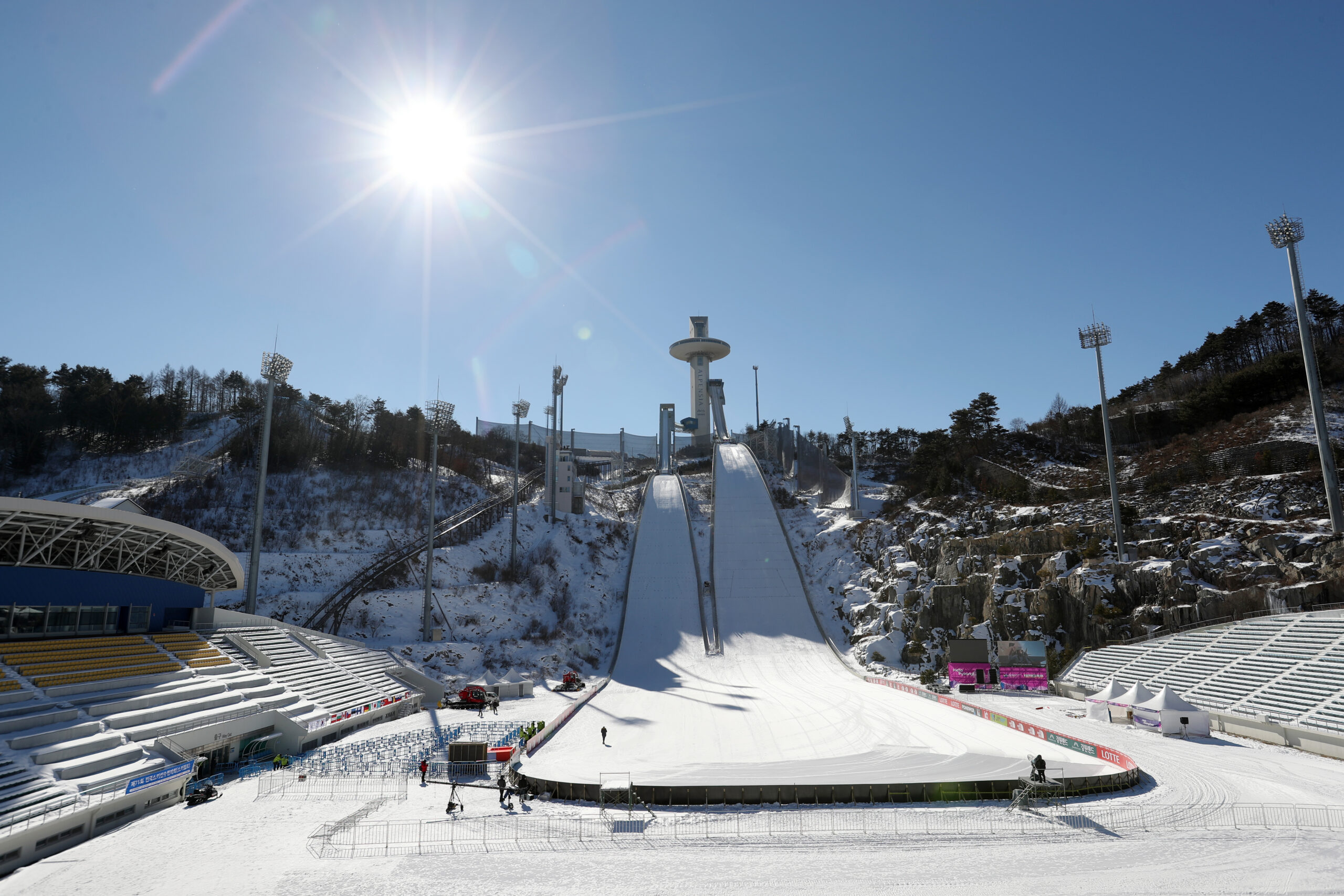
It is more likely North Korea will seek to raise tensions in the rub up to the 2018 Winter Olympics than to embrace dialogue or more extreme measures.

One obvious step for North Korea to buy time for its weapons program would be to drive a wedge between your two enemies, the United States and South Korea.

Mongolia has steadily pursued a regional mediator role in recent years and has repeatedly offered to be involved in the peace process for the Korean peninsula.
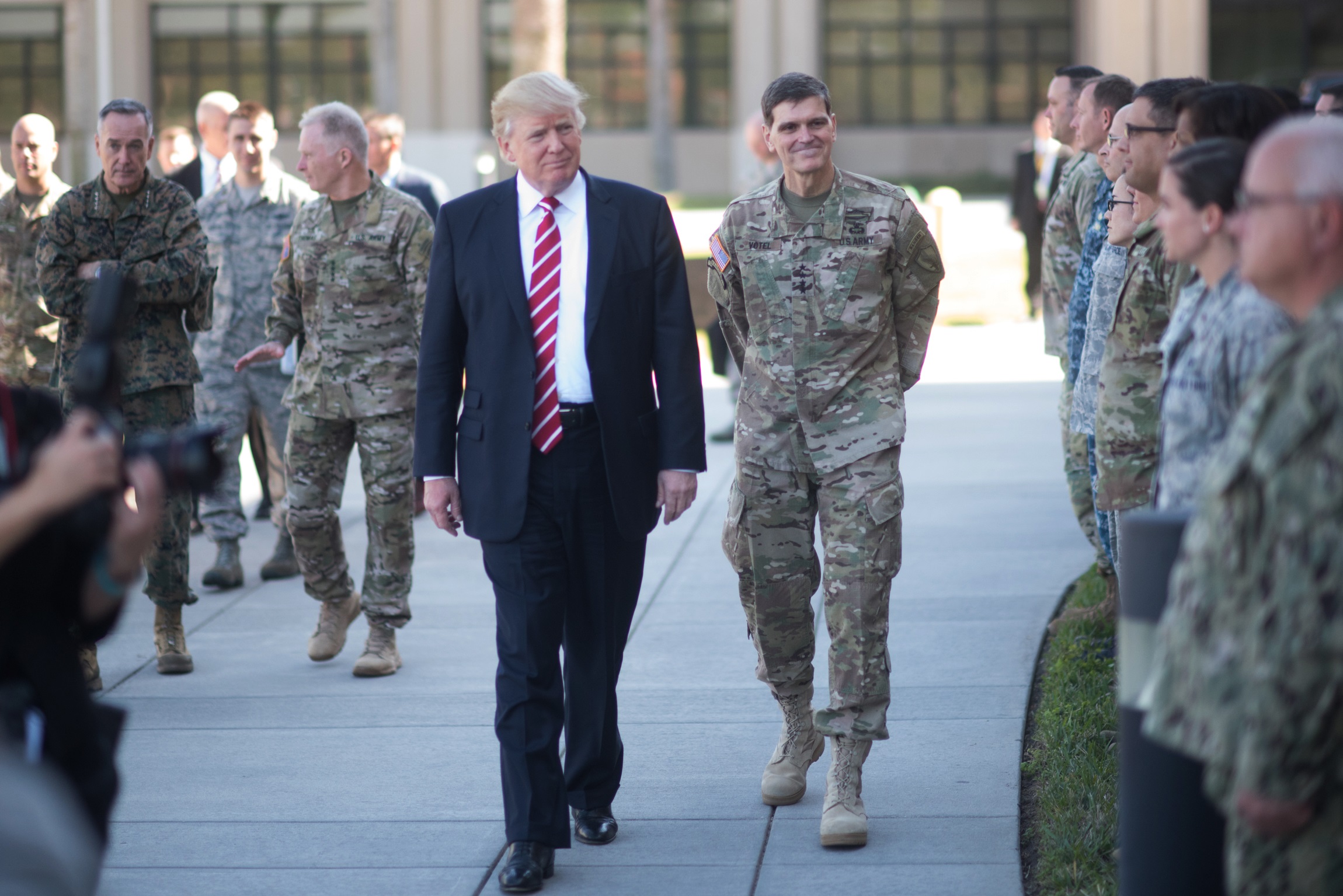
In a nuclear crisis scenario at North Korea’s Yongbyon complex, the primary interest of the United States would be to determine and mitigate any immediate security and health threats to our Republic of Korea (ROK) and Japanese allies as well as the U.S. citizens that reside in these countries and China.
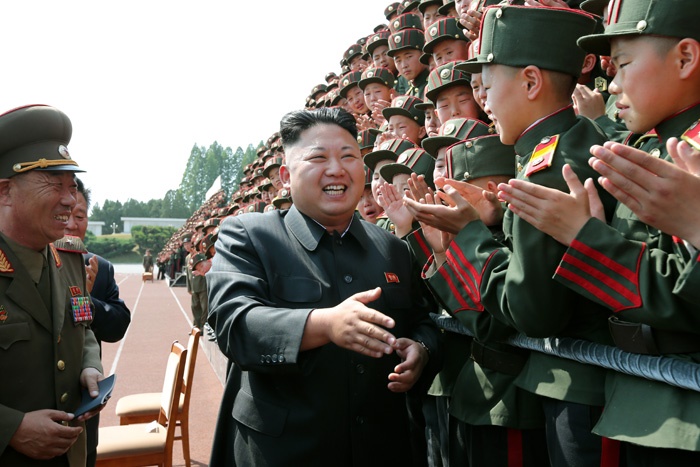
As the new Moon Jae-in administration begins to put its personnel in place, one of the more challenging international relations to manage will be North Korea.
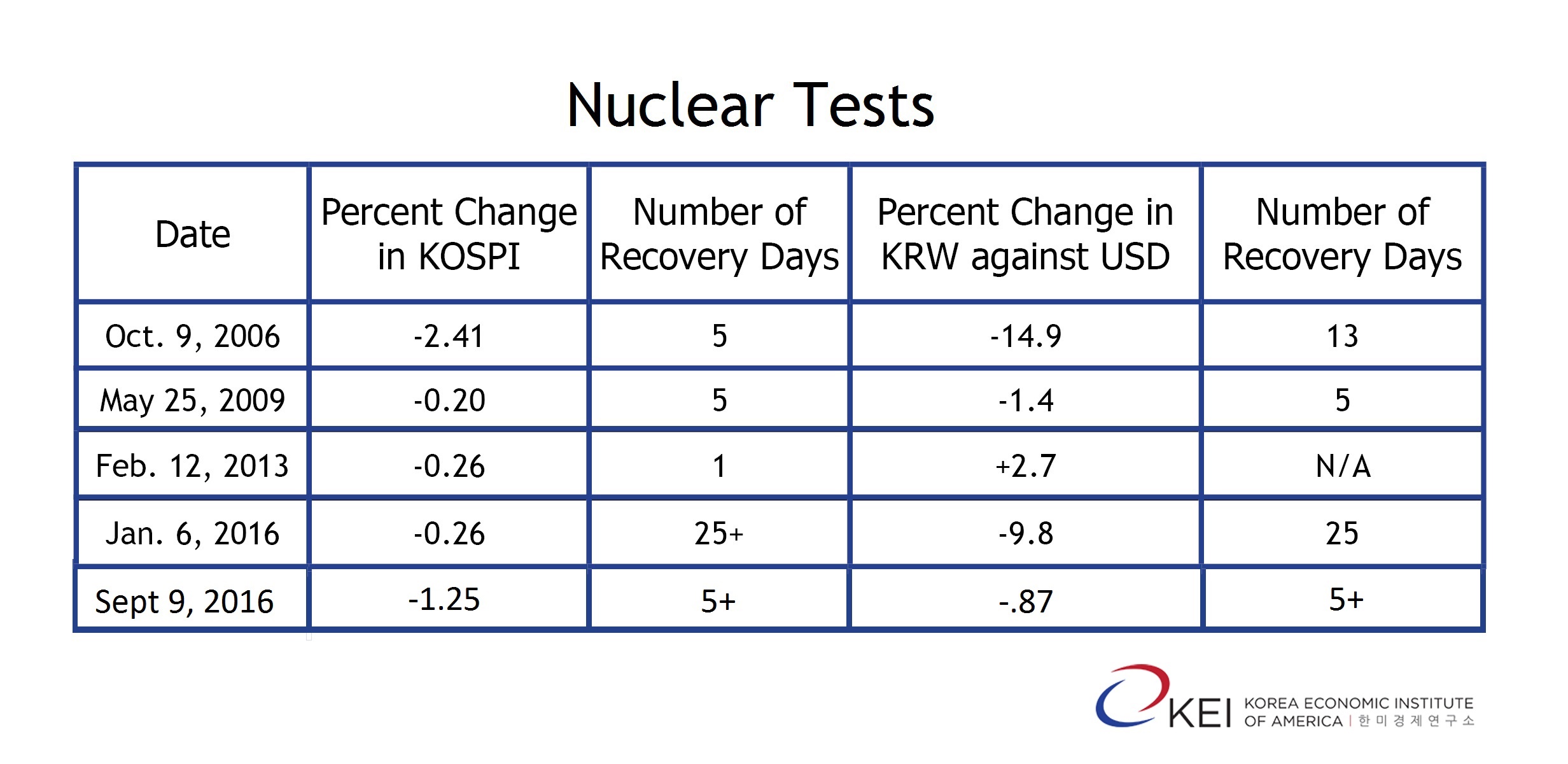
A number of media outlets linked the drop in the KOSPI and the value of the won to North Korea’s nuclear test, but to what extent is this actual causality or a coincidence?
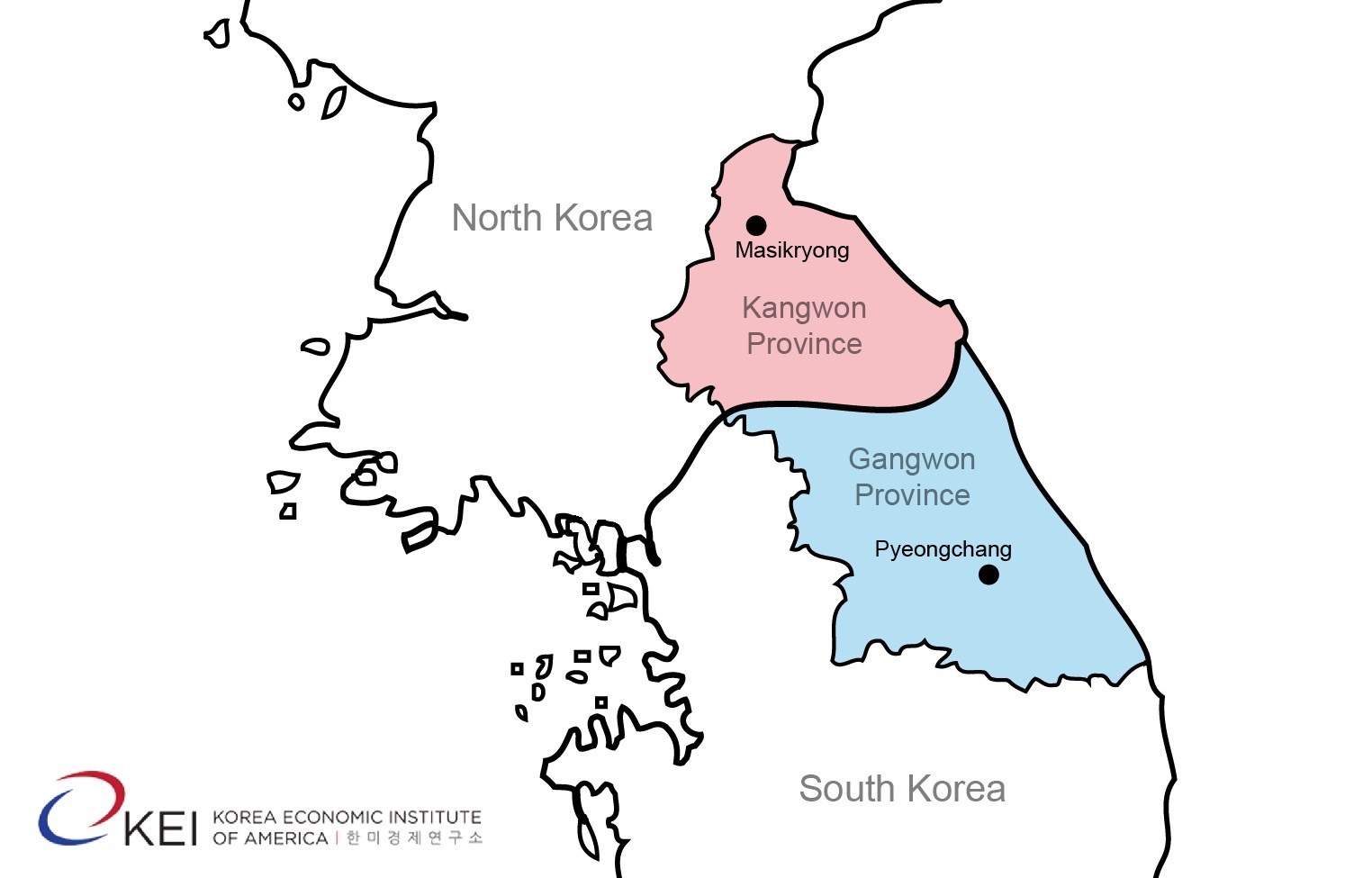
North Korea’s diplomatic track record and recent provocations may jeopardize their participation in the 2018 Games.
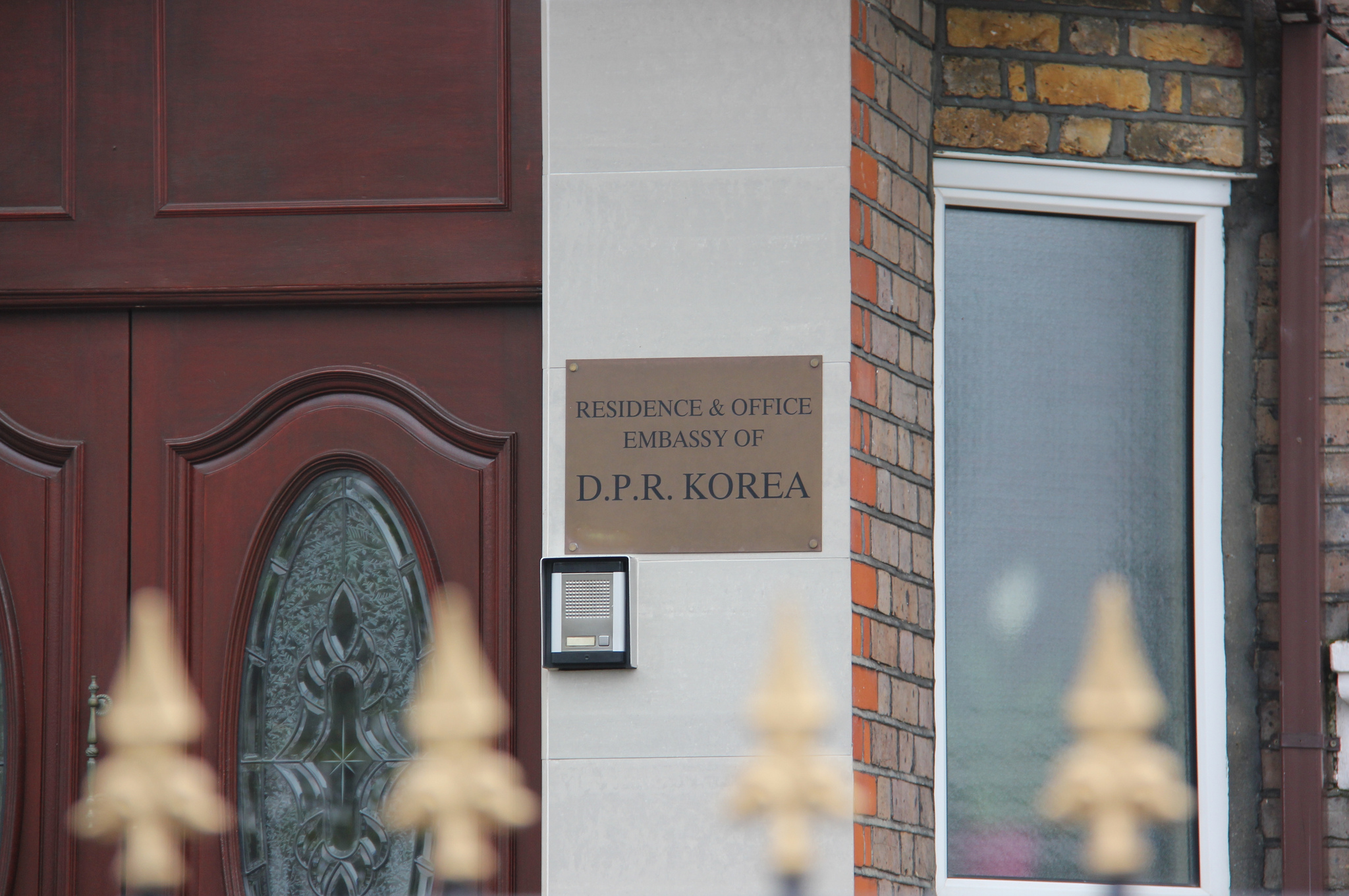
North Korea watchers have been busy for the last few days thanks to the high-profile defection of DPRK’s second-in-command in London, Thae Yong-Ho.
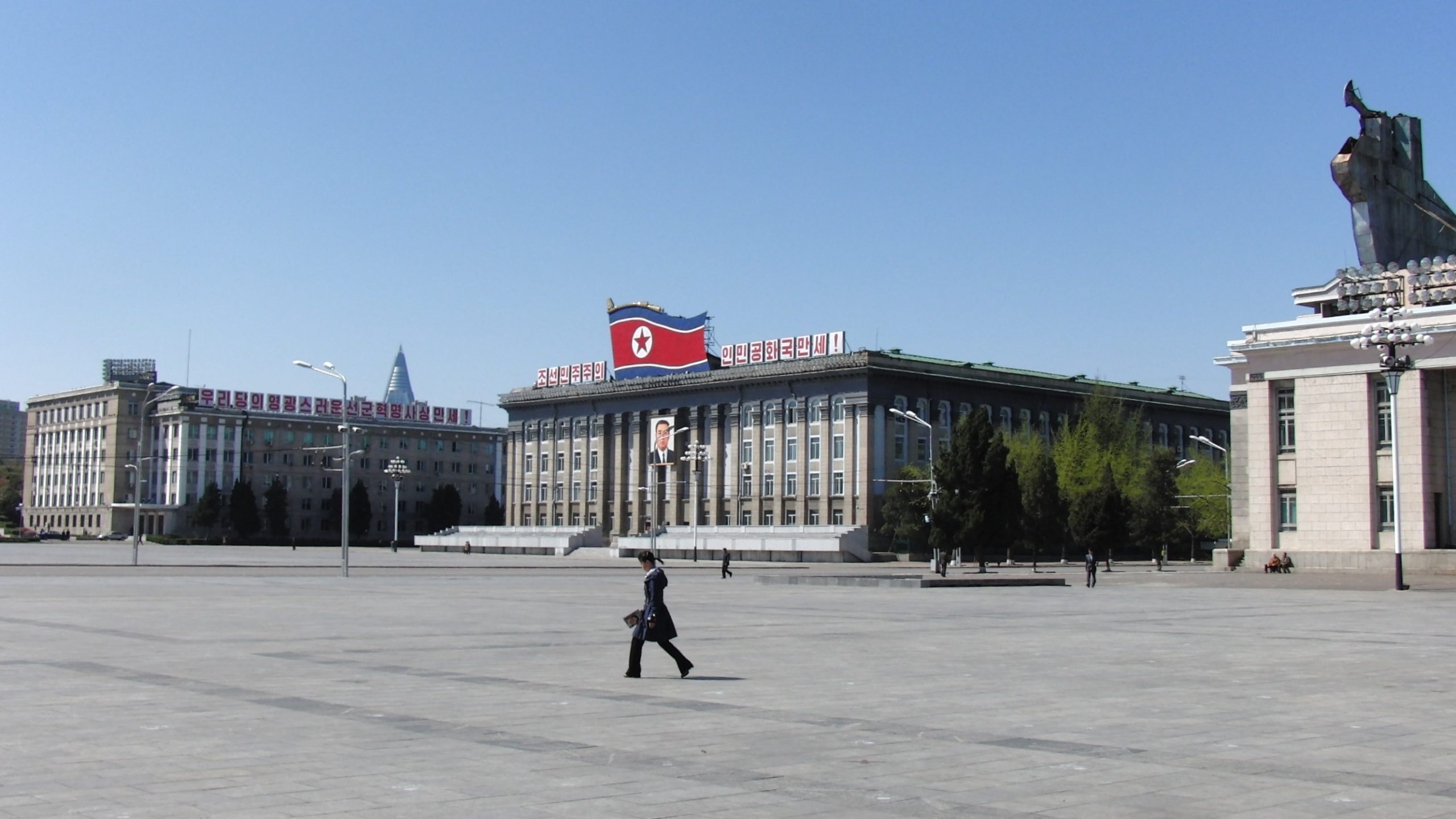
While looking for possible changes to emerge from the Kim Jong-un regime, the stalemate in inter-Korean relations continues.